
 By Azzam Bilal Chamdy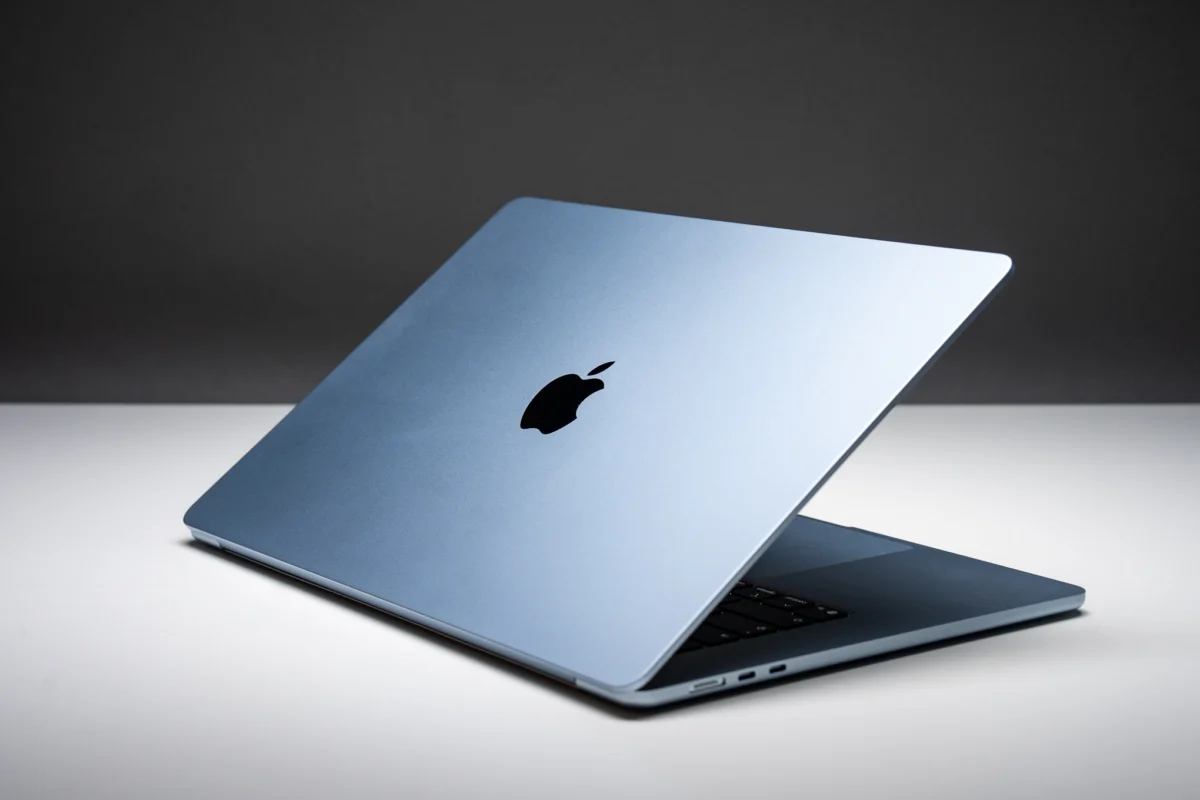
The dream of affordable, high-performance consumer technology is rapidly receding into the rearview mirror. Across the globe, consumers are facing a wave of “sticker shock” as a convergence of supply chain constraints, component scarcity, and a massive shift in global industrial priorities drives the price of everyday gadgets to unprecedented heights. This phenomenon, dubbed “RAMaggeddon” by industry observers, is no longer a localized concern for PC builders; it has become a fundamental shift in the retail landscape for laptops, tablets, gaming consoles, and beyond.
The State of the Market: A Week of Soaring Price Tags
The current week has served as a grim reminder that consumer electronics are becoming a luxury tier. From the long-awaited launch of Valve’s Steam Machine to sweeping price adjustments from stalwarts like Apple and Microsoft, the message is clear: the era of cheap, readily available hardware is over.
Valve, which had spent months tempering expectations regarding the pricing of its new console-like PC, finally unveiled a cost structure that stunned the gaming community. Despite boasting performance metrics on par with the PlayStation 5, the Steam Machine starts at a staggering $1,049—nearly double the price of Sony’s six-year-old console. This base configuration is bare-bones, offering only 512GB of storage and excluding the controller, which requires an additional $79 investment. Those seeking the premium 2TB model face a further $300 surcharge.
Simultaneously, the personal computing sector is feeling the pinch. Microsoft has attempted to mitigate the sting of rising production costs by introducing “budget-friendly” variants of its Surface line, yet the trade-offs are significant. While the new $849 12-inch Surface Pro and $949 13-inch Surface Laptop appear cheaper on paper, they achieve these price points by cutting standard RAM in half, dropping from 16GB to a meager 8GB. This pivot serves as a tacit admission that manufacturers are choosing between charging significantly higher prices or providing diminished utility to keep products somewhat within the reach of the average buyer.
A Chronological Descent into Scarcity
To understand how we arrived at this juncture, one must look at the last several months of supply chain volatility. The crisis was not instantaneous; it was a slow-motion collision between consumer demand and an insatiable appetite for silicon from the enterprise sector.
- Early 2026: Warnings surfaced regarding the tightening supply of high-bandwidth memory (HBM) and standard DDR5 RAM. Manufacturers began signaling to stakeholders that component pricing was becoming unpredictable.
- Spring 2026: The first wave of “stealth” price hikes hit the retail market. Popular entry-level laptops, including the Apple MacBook Neo, saw their profit margins squeezed, forcing companies to move from MSRPs that were considered “steals” to more market-reflective pricing.
- Late June 2026: A coordinated cascade of announcements hit the wire. Apple initiated a broad price increase across its MacBook and iPad lines, while Microsoft confirmed that its console manufacturing costs had skyrocketed, leading to a minimum $100 price increase for the Xbox Series lineup.
- Present Day: The market has hit a ceiling of sorts, where consumers are being asked to pay more for hardware that is either stagnating in specification or being downgraded in terms of onboard memory and storage.
Supporting Data: The Anatomy of a Shortage
The root cause of this fiscal turbulence lies in the aggressive expansion of AI data centers. Hyperscalers—massive cloud infrastructure providers—are currently in a frantic race to build the compute capacity necessary to train and deploy the next generation of artificial intelligence.

Data from recent industry reports suggest that console storage and memory prices have surged by over 2.5x compared to previous averages. Even more alarming is the projection from major players like Microsoft, who anticipate that these costs could double again by the fall of 2027. This isn’t just a transient supply chain hiccup; it is a fundamental redirection of the world’s silicon supply.
When a manufacturer like Valve attempts to source memory chips, they are effectively competing against global conglomerates with virtually bottomless pockets. In a recent interview, Valve engineer Yazan Aldehayyat offered a candid look at the power dynamics: if a company refuses to pay the inflated prices dictated by suppliers, the suppliers simply move on to the next bidder. The small-to-mid-sized consumer electronics firm has lost its leverage entirely.
Official Responses and the "New Reality"
The corporate response to these hikes has been largely uniform: a combination of transparency regarding component costs and a strategic pivot toward higher-margin configurations.
Apple’s communication to the press was blunt. In a statement provided to Bloomberg, the company acknowledged that the price hikes were driven by component cost increases at a scale they have "never seen." By framing the situation as a byproduct of the massive data center boom, Apple is attempting to manage consumer expectations, suggesting that these are not discretionary price hikes but defensive measures to maintain product viability.
Microsoft’s approach has been equally pragmatic. By explicitly detailing the rising cost of memory and storage, they are attempting to justify the $100–$200 increases on their consoles. The message from the industry is clear: the hardware we enjoy today is being subsidized by, or directly competing with, the infrastructure of tomorrow’s AI-driven economy. If a company like Apple, which possesses the most sophisticated supply chain management in the world, is forced to pass these costs to the consumer, the prospect of any brand remaining immune is virtually zero.
Implications: The Long-Term Outlook
The implications of this structural shift are profound for both the tech industry and the individual consumer.

The Death of the "Entry-Level" PC
For years, the sub-$600 laptop was a staple of the student and casual-use market. With the rise in component costs, this segment is disappearing. Companies are finding it increasingly difficult to turn a profit on low-cost devices when the cost of the RAM and SSD alone consumes a larger percentage of the retail price than ever before. We are witnessing the "premiumization" of the entire market, where entry-level hardware will either become prohibitively expensive or technologically obsolete.
The AI Infrastructure Tax
Consumers are, in effect, paying an "AI tax." Every computer, tablet, and console purchase is now indirectly subsidizing the massive, energy-hungry data centers that are being erected worldwide. Because hyperscalers are willing to pay a premium for memory chips to feed their AI models, the cost of that same silicon is inflated for everyone else.
A Permanent Plateau
Perhaps the most discouraging takeaway is that these prices are unlikely to normalize in the short term. The AI infrastructure buildout is not a project that will be completed by next quarter; it is a multi-year, trillion-dollar undertaking. As long as the race for AI dominance continues, the scramble for memory and storage will persist.
Conclusion: Adapting to a More Expensive World
As we look toward the remainder of 2026 and into 2027, the path forward for the tech consumer is one of caution and compromise. The days of expecting hardware to drop in price the longer it stays on the market are effectively over. Consumers must now prepare for a reality where their dollar buys less power, less storage, and less longevity than it did just a few years ago.
The industry is in the midst of a radical transformation. While the promise of AI—of smarter, more capable devices—is the carrot being dangled in front of the public, the stick is a hardware market that is becoming increasingly exclusionary. Whether you are a gamer, a professional, or a student, the message from the market is the same: the cost of staying connected to the modern digital world has just gone up, and it shows no sign of coming back down.
 Raul Delapena Setiawan
  Siti Muinah
  Asro
Asro 