
 By Raul Delapena Setiawan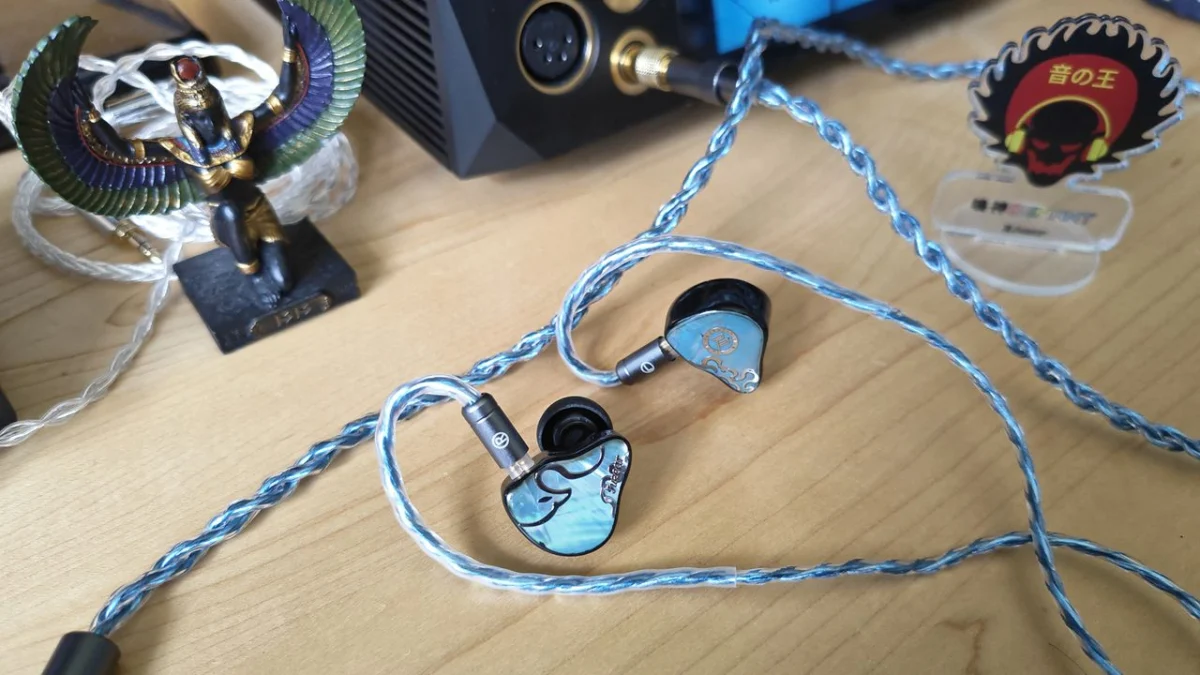
In a crowded market often dominated by escalating prices, the Juzear x ZeosPantera Defiant: Gamefidelity Edition emerges as a formidable contender, challenging the status quo with its exceptional sound quality, thoughtful design, and groundbreaking features, all at an astonishingly accessible price point. This collaborative effort between audio manufacturer Juzear and the revered audio savant ZeosPantera has not only delivered an exciting, crowd-pleasing In-Ear Monitor (IEM) but has also introduced innovations that could redefine consumer expectations across the industry.
Introduction: The New Standard for Value IEMs
The audio landscape for In-Ear Monitors has seen rapid advancements in recent years, with enthusiasts and casual listeners alike seeking high-fidelity sound without breaking the bank. Yet, true innovation often comes with a premium. This makes the Juzear x ZeosPantera Defiant: Gamefidelity Edition a particularly striking release. Priced at just $120, and often available for less, it boldly competes with IEMs commanding twice its cost, delivering a sonic experience that belies its affordability.
At its core, the Defiant is more than just another budget-friendly IEM; it’s a statement. It offers a meticulously tuned sound profile, a robust and aesthetically pleasing build, and perhaps its most revolutionary feature: swappable 3.5mm and USB-C cable terminations. This level of practical versatility, often absent in models priced upwards of $400, signals a refreshing commitment from Juzear and ZeosPantera to user-centric design. The Defiant doesn’t just meet expectations; it raises them, providing an excellent value proposition that makes it one of the easiest IEMs to recommend to a broad spectrum of users, from nascent audiophiles to dedicated gamers. Its "loud and proud" exterior, adorned with distinctive mother-of-pearl faceplates, hints at the depth and quality hidden within, promising an ear-full that satisfies both the eyes and the ears.
A Legacy of Innovation: The Defiant’s Genesis
The journey of the Defiant began with the release of the original Juzear Defiant in April 2025. This initial iteration quickly garnered attention for its impressive performance relative to its price. Building upon this success, Juzear, in collaboration with the influential audio personality ZeosPantera, launched the Gamefidelity Edition in May 2026. This partnership underscores a growing trend in the audiophile community, where direct input from respected reviewers and enthusiasts significantly shapes product development, ensuring offerings are finely tuned to user desires.
While the "Gamefidelity" moniker suggests a specialized focus, the differences between the original Defiant and its newer edition are subtle yet impactful. Primarily, the Gamefidelity version features distinct colorways for its faceplate and cable, enhancing its visual appeal. Crucially for its target audience, it also integrates an in-line microphone on the cable, catering directly to the communication needs of gamers and those who use their IEMs for calls. Sonically, the Gamefidelity edition presents a slight reduction in treble presence compared to its predecessor, offering a marginally smoother high-frequency response. However, the fundamental frequency response—the core of its acclaimed sound profile—remains largely identical. Therefore, for the purposes of this review, and acknowledging the strong similarities, the device will largely be referred to simply as "the Defiant." This distinction is important, as at the time of writing, the original Defiant can occasionally be found at an even more aggressive price point of $99, further solidifying the line’s position as an undeniable value leader. The evolution from the original to the Gamefidelity edition highlights Juzear’s responsiveness to market feedback and its commitment to refining an already impressive product.
Unpacking the Sonic Experience: A Deep Dive into the Defiant’s Sound Profile
The true heart of any IEM lies in its sound, and the Juzear Defiant: Gamefidelity Edition delivers a captivating and energetic listening experience that punches well above its weight class. Overall, it presents a well-executed V-shaped sound signature—a tuning known for its engaging, contrasty, and exciting presentation, making it widely appealing to a "crowd-pleasing" audience. This tuning prioritizes impactful bass and sparkling treble, with vocals remaining clear and upfront, albeit with a unique character.
Bass Profile: For a $100 IEM, the Defiant boasts a remarkably good bass profile. Both the sub-bass (the deepest rumbling frequencies) and mid-bass (the punchier, more impactful lower frequencies) are tastefully boosted. What sets it apart from many bass-heavy competitors is the smoothness of its transition into the lower midrange. This careful engineering prevents the bass from sounding disconnected or muddy, ensuring it integrates cohesively with the rest of the sound spectrum. Juzear has skillfully sculpted the upper bass region, preventing it from excessively bleeding into the lower mids. This subtle "scooping" of the lower midrange (roughly from 200-800 Hz) creates a distinct separation between the bass and midrange, allowing the bass to "slam" with greater perceived force and definition. The result is a powerful yet controlled low end, offering satisfying impact and rumble without sacrificing clarity.
Midrange Nuances: The midrange, while still good, is arguably the Defiant’s least emphasized aspect, though it’s important not to overstate this. Male and female vocals generally sound natural, devoid of any distracting boxiness or shoutiness that can plague lesser IEMs. However, the aforementioned scoop in the lower midrange, combined with a slight forwardness in the upper midrange (between 1-2kHz), gives the Defiant a particular character. This tuning brings vocals and certain instruments forward, making them clear and present. While this "upfront" presentation can be highly engaging and contribute to a sense of detail, it occasionally results in a slightly leaner timbre for vocals, particularly male voices, which might lack the full body found in more mid-centric IEMs like the Kiwi Ears KE4. The forward upper midrange also imparts a subtle "bite" or edginess, which adds excitement and good instrumental separation but means the Defiant isn’t aiming for a completely natural or lush tonal balance. On some tracks, percussive elements like drums might come across as slightly compressed, trading absolute realism for a more dynamic and impactful presentation.
Treble Clarity and Extension: Moving into the higher frequencies, the Defiant truly shines. The lower-treble (presence region) and mid-treble are characterized by smoothness, completely free from harshness or sibilance—a common pitfall in aggressively tuned IEMs. Despite this smoothness, the "bite" from the upper mids carries through, contributing to a sense of detail and sparkle. Furthermore, the Defiant exhibits excellent treble extension, providing ample "air" in the higher frequencies. This combination of smooth delivery and extended reach makes for an IEM that is remarkably non-fatiguing, even during extended listening sessions, a crucial advantage for gamers or professionals who wear IEMs for hours. This airy treble, coupled with the biting upper mids, contributes to impressive perceived detail in music and decent imaging, allowing listeners to accurately pinpoint the positions of sounds within a mix. This characteristic is particularly beneficial for gaming, where spatial awareness can be a competitive edge.
In summary, the Defiant’s V-shaped tuning is masterfully executed for its price point. It delivers an energetic, exciting, and detailed sound that is highly versatile. While its midrange might not be as full-bodied as some competitors, it compensates with clarity and an engaging presentation. The overall impression is one of sophistication and careful tuning, a rarity in this segment, making it a stellar all-rounder.
Engineering Excellence: Build Quality and Unrivaled Connectivity
Beyond its impressive sonic capabilities, the Juzear x ZeosPantera Defiant: Gamefidelity Edition distinguishes itself through its exceptional build quality and a feature set that redefines user convenience for its price. From the moment it’s unboxed, the Defiant exudes a sense of premium craftsmanship, feeling substantial and well-made in hand.
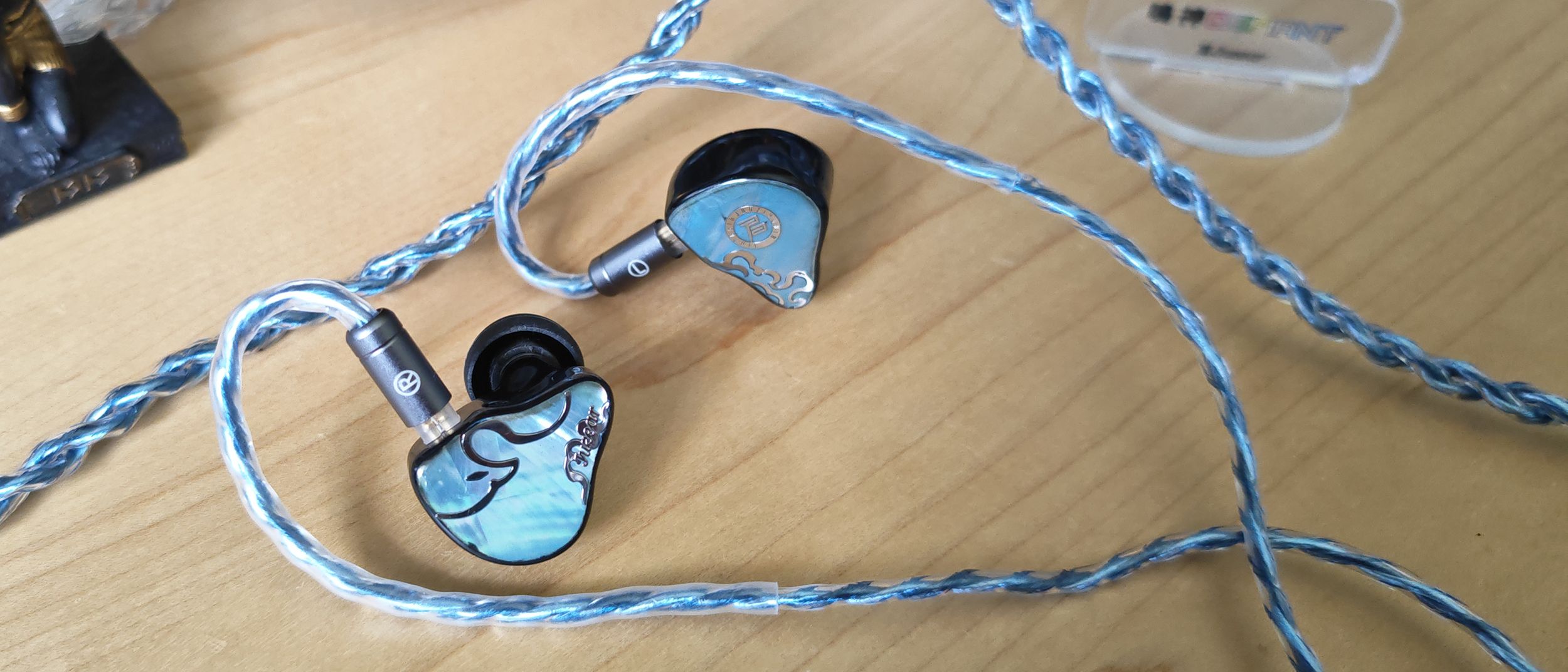
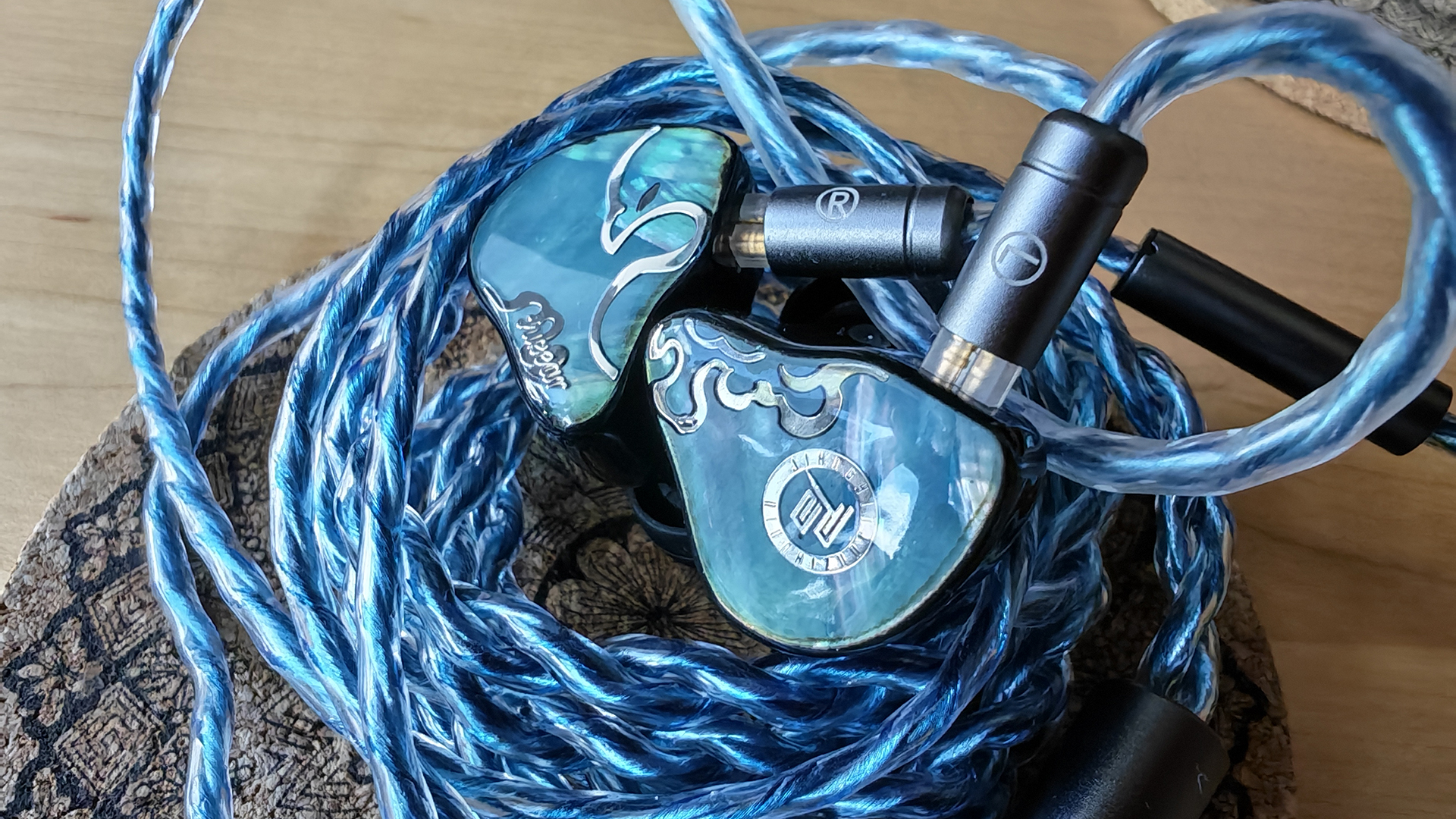
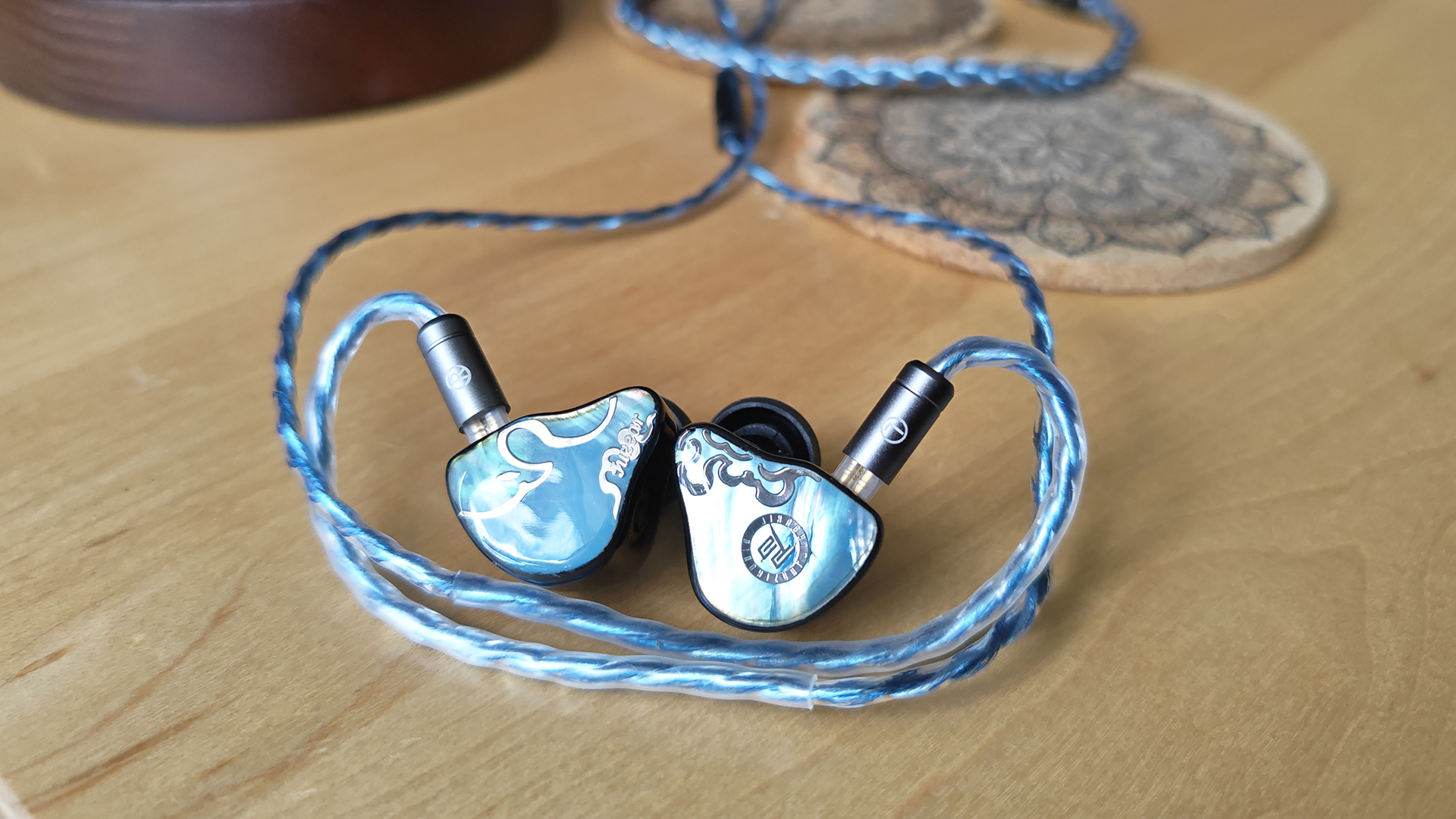
The IEM shells are crafted using 3D printed resin, a modern manufacturing technique that allows for intricate designs and precise ergonomics. Adorning these shells are unique mother-of-pearl faceplates, which contribute to an aesthetic that is both "trashy as hell and premium at the same time." This distinctive visual flair is a testament to the collaboration’s personality, echoing the "uniquely appealing" nature of its creator, ZeosPantera. This bold design choice ensures the Defiant stands out visually as much as it does sonically.
Comfort is paramount for any IEM, especially for long listening or gaming sessions. The Defiant is commendably lightweight, contributing to a comfortable fit that reviewers found non-fatiguing over extended periods. While the nozzle is noted as being "slightly chunky," which might necessitate some "tip rolling" (experimenting with different ear tips) to achieve the perfect seal and comfort for individual ear anatomies, this is a minor adjustment for an otherwise ergonomic design.
However, the true marvel of the Defiant’s design lies in its cable. It features a thick, braided, and robust modular cable that is unequivocally praised as "the best cable of any $100 IEM" the reviewer has encountered, even surpassing those found with many more expensive models. The tactile quality and durability of this cable are outstanding. But it’s the modularity that truly elevates the Defiant above its competition. The inclusion of both a standard 3.5mm and a versatile USB-C termination is a game-changer. This practical utility allows users to seamlessly switch between traditional audio jacks and modern USB-C ports on smartphones, tablets, and laptops without needing adapters or separate cables. This seemingly simple feature is "mind-blowing" given its $120 price tag, especially when contrasted with some high-end, admittedly amazing-sounding, $400 IEMs that still lack this fundamental convenience. This innovation underscores a profound understanding of contemporary user needs, offering unparalleled flexibility and compatibility right out of the box.
The Defiant’s complete package, including a quality cable, a decent carrying case, and an array of tips, further cements its position as an outstanding value proposition. It reflects a design philosophy that genuinely "cares about the people who are going to buy their product," offering a comprehensive and premium experience from unboxing to daily use.
Benchmarking Brilliance: The Defiant Against its Peers
To accurately assess the Juzear Defiant’s standing in the market, it’s crucial to compare it against both more affordable and more expensive alternatives that share some of its core characteristics, particularly their bass-forward tuning. This triangulation against the Kiwi Ears Cadenza ($35) and the Kiwi Ears KE4 ($200) helps illuminate where the Defiant positions itself in terms of performance and value.
Vs. Kiwi Ears Cadenza ($35): A Budget Bass Beast
The Kiwi Ears Cadenza is widely recognized as a "beast" in the ultra-budget IEM segment, lauded for its impactful bass at an astonishing $35 price point. It exhibits a frequency response graph with notable similarities to the Defiant, particularly in its bass presentation. While the Cadenza offers around 2dB less sub-bass, it shares a similar approach with a measured slope from upper bass to lower midrange, allowing for a powerful "slam."
However, when directly compared, the Defiant’s bass is demonstrably superior. It offers greater texture and detail, revealing nuances in low-end instrumentation that the Cadenza merely hints at. Where the Cadenza focuses primarily on raw power, the Defiant extends this with precision, providing a more refined and articulate bass response.
In the midrange, both IEMs share similar lower midrange characteristics due to their tuning philosophies, but divergence occurs in the upper mids. The Cadenza features a more recessed region from 600Hz to 2kHz but a more pronounced peak around 2.5-4.5kHz. This translates to the Defiant sounding richer in its vocal presentation, while the Cadenza, despite its extra "bite," can come across as less controlled. The Cadenza’s treble, described as "slightly harsher, one-note," also pales in comparison to the Defiant’s well-extended, smooth, and airy high frequencies. This comparison clearly illustrates where the additional $90 investment in the Defiant yields significant gains in refinement, detail, and overall sound quality. While the Kiwi Ears Cadenza remains an exceptional choice for a bassy IEM at $35, the Defiant offers a more complete and sophisticated sonic package.
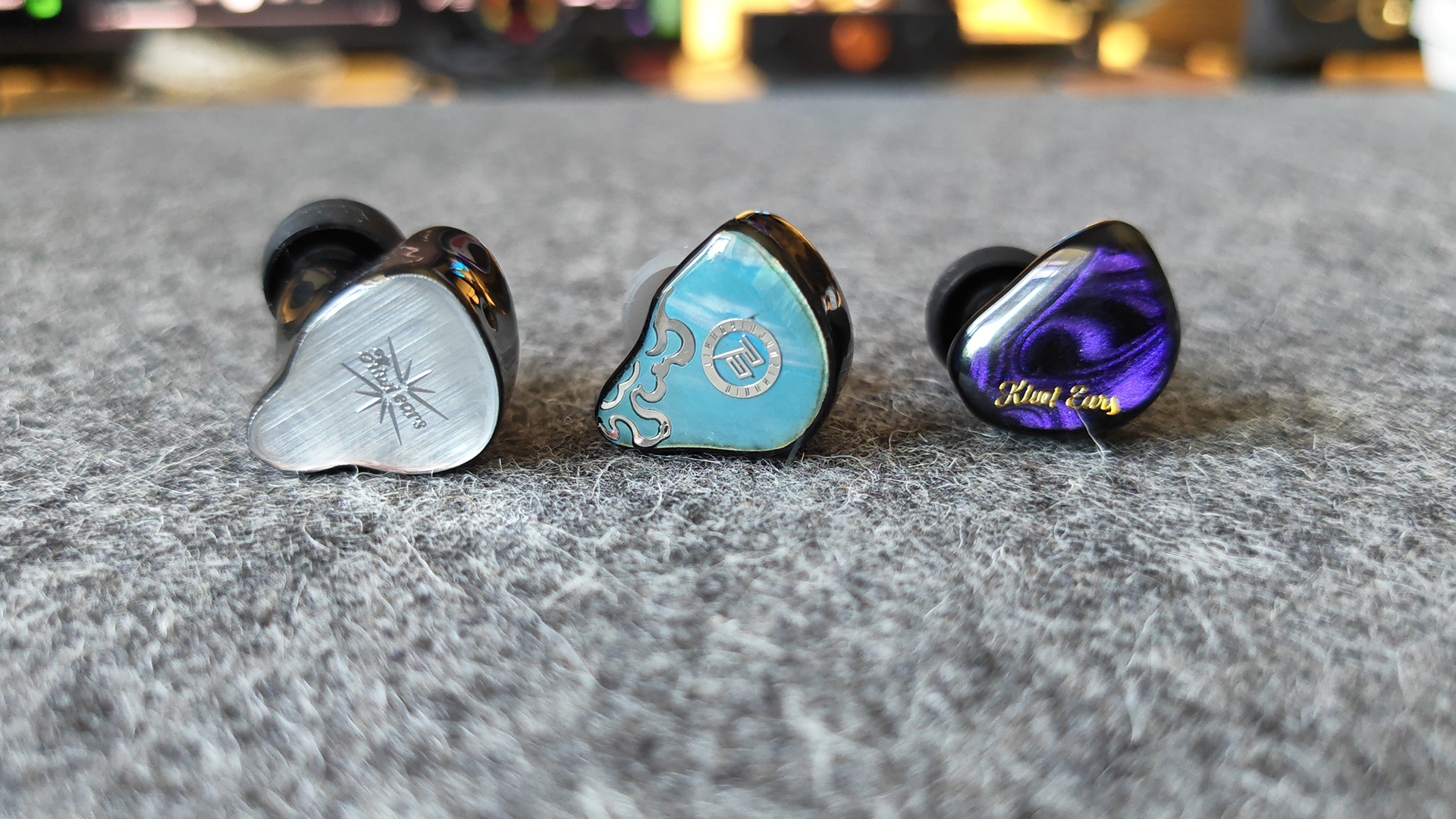
Vs. Kiwi Ears KE4 ($200): The Midrange Specialist
Stepping up the price ladder, the Kiwi Ears KE4, at $200, represents a different philosophy: a bass-elevated IEM tuned to an IEF Neutral target with a bass boost, often referred to as a "New Meta" tuning, prioritizing a natural timbre. The moment one switches from the Defiant to the KE4, the differences are immediately apparent across the entire frequency spectrum.
Starting with the lows, the KE4 offers a "marked amount more bass detail." For instance, listening to tracks like "Morph the Cat" reveals a clearer image of individual strings being plucked, showcasing a level of micro-detail that the Defiant, while impressive for its price, cannot fully match.
The KE4 truly "dumps on the Defiant" when it comes to a balanced midrange. Its fuller lower midrange, even with some controlled bleed from the mid-bass, results in a richer and more robust presentation of vocals and instruments. The KE4’s upper midrange is less "in-your-face" than the Defiant’s, opting for a smoother, more nuanced approach. This leads to the KE4 being "a touch less energetic" but ultimately "more nuanced" and natural-sounding, especially for vocals. The Defiant’s engaging bite, while exciting, sometimes comes at the expense of absolute tonal accuracy found in the KE4.
This nuance extends to the treble as well. The KE4’s treble is even more extended and airy than the Defiant’s, further enhancing perceived detail and spaciousness. It takes the positive attributes of the Defiant’s treble and pushes them to a higher level of refinement.
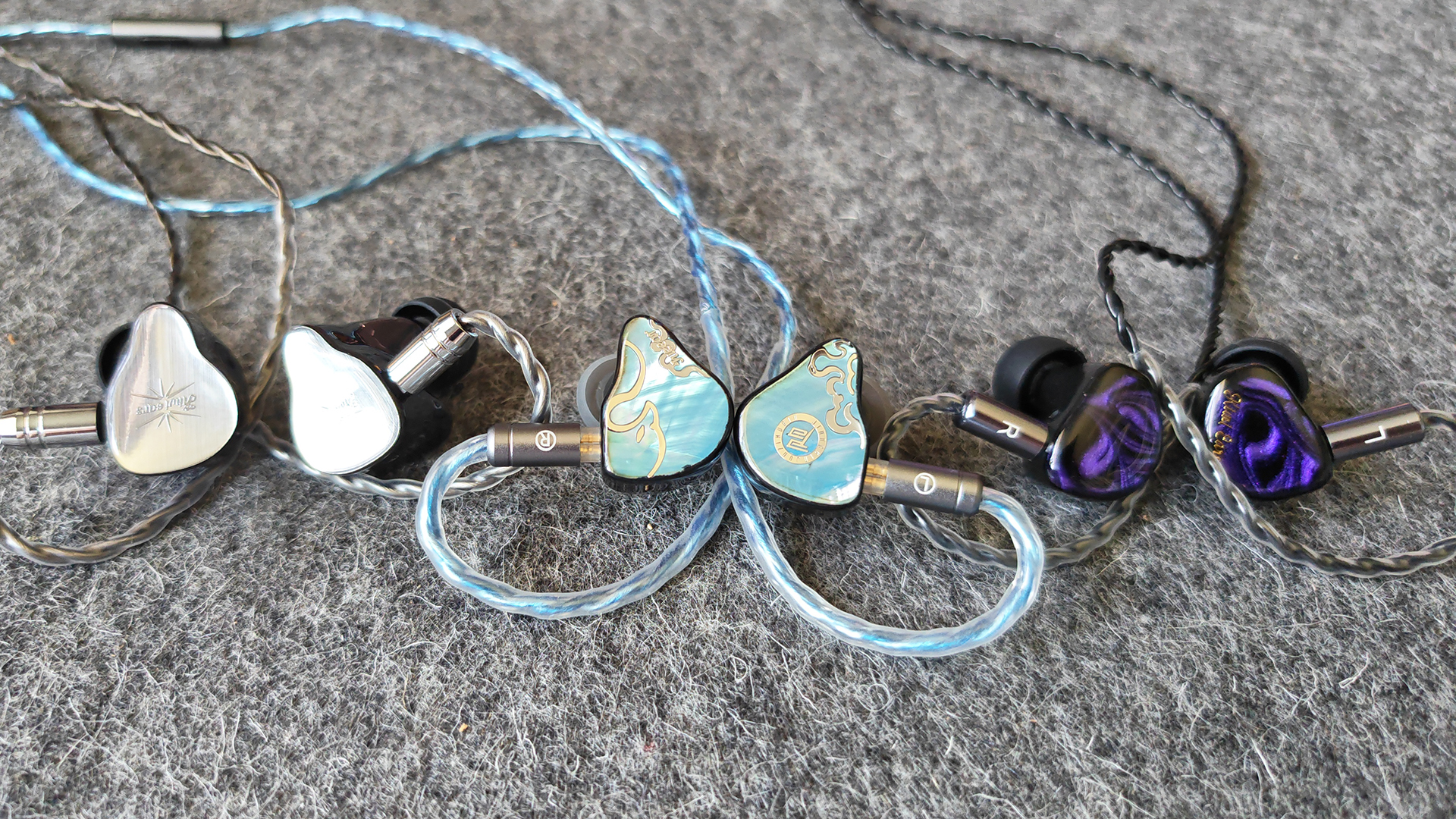
The critical question then arises: Is the KE4 "twice as good" as the Defiant? Is it truly "worth twice as much?" The answer is complex. While the KE4 undeniably offers a more detailed, nuanced, and tonally natural sound, particularly in the midrange, the Defiant holds its own remarkably well. The Defiant’s exciting V-shaped signature, combined with its fantastic package (especially the modular cable and mic option), makes it an incredibly compelling proposition. For daily commutes, the sonic difference might not justify the double price tag. Crucially, for gaming, the KE4 lacks a microphone option, and its imaging, while excellent, isn’t "worlds apart" from the Defiant’s already capable performance.
Ultimately, the Defiant provides a brilliant all-rounder experience, equally adept at rendering music with exciting energy and providing crucial spatial cues for gaming. While the KE4 offers a higher level of overall sonic refinement, the Defiant’s aggressive pricing and feature set make it an incredibly tough act to follow. For $100, the Defiant’s performance in bass and treble remains highly competitive even against more expensive sets, solidifying its position as a market leader in value.
Expert Perspectives and Industry Impact
The strong endorsement of the Juzear x ZeosPantera Defiant: Gamefidelity Edition by an "audio savant" like ZeosPantera himself, whose name is inextricably linked to the product, is a powerful "official response" within the audiophile community. ZeosPantera’s reputation for candid, insightful, and often unconventional reviews lends significant credibility to any product bearing his name. His involvement suggests a tuning that aligns with the desires of enthusiasts seeking a dynamic and engaging sound signature.
Furthermore, the reviewer’s unequivocal praise and decision to add the Defiant to their list of "the very best budget IEMs available right now" serves as a robust expert endorsement. Phrases like "one of the easier IEMs to recommend" and "exceptionally good value" are not given lightly in professional reviews. This level of recommendation from a respected publication like Creative Bloq, known for its thorough testing methodologies and discerning evaluations, acts as a critical seal of approval. The emphasis on the "care" shown by the IEM makers for their users through features like the quality cable and swappable terminations highlights a product philosophy that resonates deeply with informed consumers.
The Defiant’s ability to compete with IEMs "twice its price" is a recurring theme, suggesting that it’s not just a good product for its category, but one that actively disrupts established pricing tiers. This aggressive value proposition is a de facto challenge to the industry, compelling other manufacturers to reassess their own offerings and potentially drive down prices or enhance features in response.
Conclusion: The Defiant’s Enduring Legacy and Future Implications
The Juzear x ZeosPantera Defiant: Gamefidelity Edition stands as a triumph of collaborative design and value-driven engineering. For anyone venturing into the audiophile hobby or seeking a significant upgrade from entry-level options, the Defiant presents an irresistible proposition. It’s particularly compelling for gamers who demand both high-fidelity audio and practical features like an integrated microphone and versatile connectivity.
Its "exciting, fun-sounding" V-shaped signature is adept at breathing life into a diverse music library, making every genre feel engaging. Aesthetically, its distinctive mother-of-pearl faceplates and robust build quality ensure it looks "pretty bloody wonderful too!" The comprehensive package, including an excellent cable, a decent carrying case, and a selection of ear tips, further enhances its appeal, demonstrating a meticulous attention to detail often reserved for much higher price brackets.
Priced at $120, and occasionally even lower, the Defiant: Gamefidelity Edition delivers "exceptionally good value." It’s not merely a good IEM for its price; it’s an IEM that consistently outperforms expectations, competing favorably with products twice its cost. The inclusion of swappable 3.5mm and USB-C terminations is a groundbreaking feature at this price point, setting a new standard for connectivity that, arguably, should be universal. Its absence in more expensive models highlights the Defiant’s forward-thinking design.
The implications of the Defiant’s success are significant. It challenges the notion that premium features and exceptional sound must come with a hefty price tag. By offering such a compelling blend of performance, aesthetics, and user-friendly innovations, Juzear and ZeosPantera are not just selling an IEM; they are shaping consumer expectations and pushing the entire budget and mid-tier IEM market towards greater innovation and value. The Defiant is more than just a product; it’s a statement about what’s possible when passion for audio meets intelligent design.
Specifications
- Price: $120 (often available for less, OG Defiant at $99)
- Release date: May 2026 (Gamefidelity Edition); April 2025 (Original Defiant)
- Drivers: 4 drivers (1 dynamic driver (10mm); 3 balanced armature)
- Material: Resin faceplate, resin shell
- Cable: 1.2m; 3.5mm & USB-C modular terminations (Gamefidelity includes mic)
- Impedance: 32Ω @ 1kHz
- Sensitivity: 109dB/mW @ 1kHz
- Weight: (Not specified in original text, assumed to be lightweight)
Testing Methodology
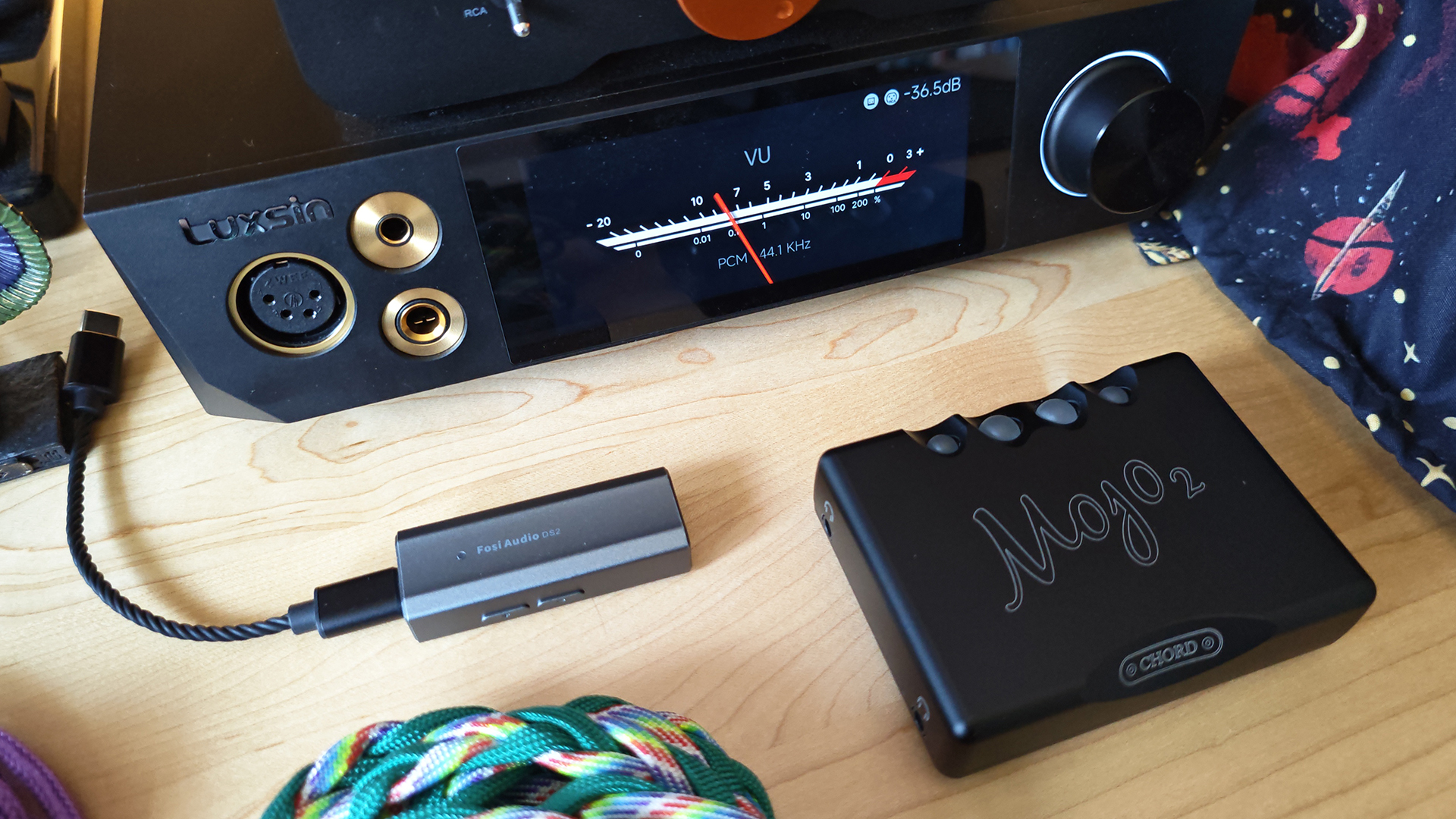
For a thorough evaluation of the Juzear x ZeosPantera Defiant: Gamefidelity Edition, the IEMs were subjected to rigorous testing across a variety of high-quality audio setups. This multi-source approach ensures that the IEMs’ true performance characteristics are accurately assessed, independent of specific source limitations.
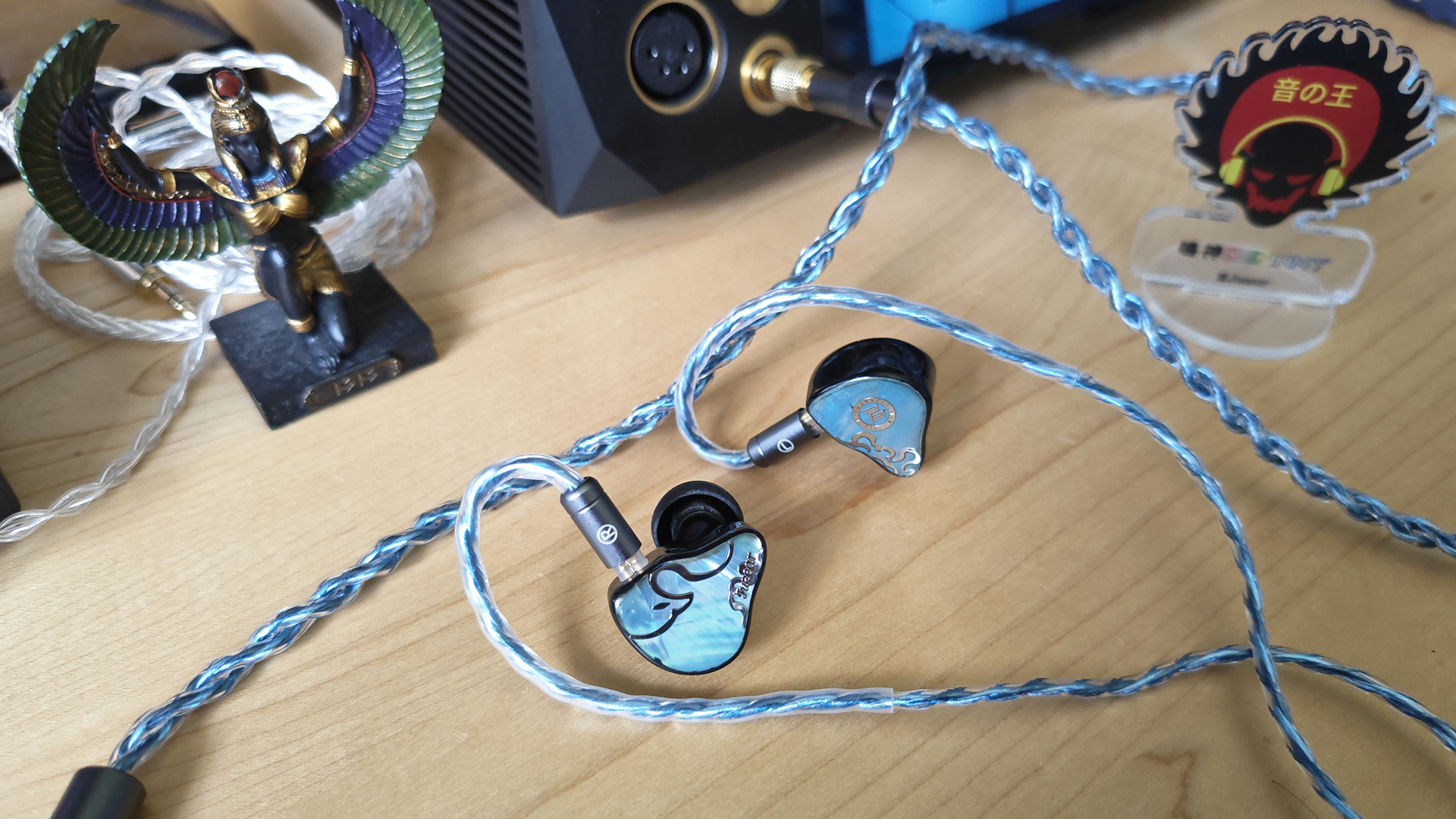
The Defiant was primarily driven by:
- The Luxsin X8
- The Chord Mojo 2
- The Fosi DS2 DAC/Amp
- The Kiwi Ears Allegro Mini IEM DAC/Amp
Additionally, direct playback from a MacBook Air (M5) was used to assess its performance with a common consumer device, leveraging its built-in audio capabilities. This diverse range of sources, from high-end portable DAC/Amps to integrated laptop audio, ensured that the Defiant was tested under conditions that reflect both enthusiast and casual usage scenarios.
Music sources included high-resolution files from Spotify Lossless and physical CDs. This combination allowed for critical listening to both streaming and uncompressed audio formats, enabling a comprehensive evaluation of the Defiant’s ability to render detail, dynamics, and tonal accuracy across different audio qualities.
This robust testing methodology guarantees sufficient power delivery for the IEMs to achieve their peak performance, while simultaneously providing a transparent source chain. This transparent source is crucial for ensuring a clean, detailed signal reaches the IEMs, allowing the reviewer to accurately discern the Defiant’s inherent sonic characteristics without coloration or limitation from the upstream equipment. The extensive hours dedicated to testing and comparing products are fundamental to providing reliable and trustworthy recommendations to consumers.
 Evan Lee Salim
  Nana
Nana  Ammar Sabilarrohman