
 By Sagoh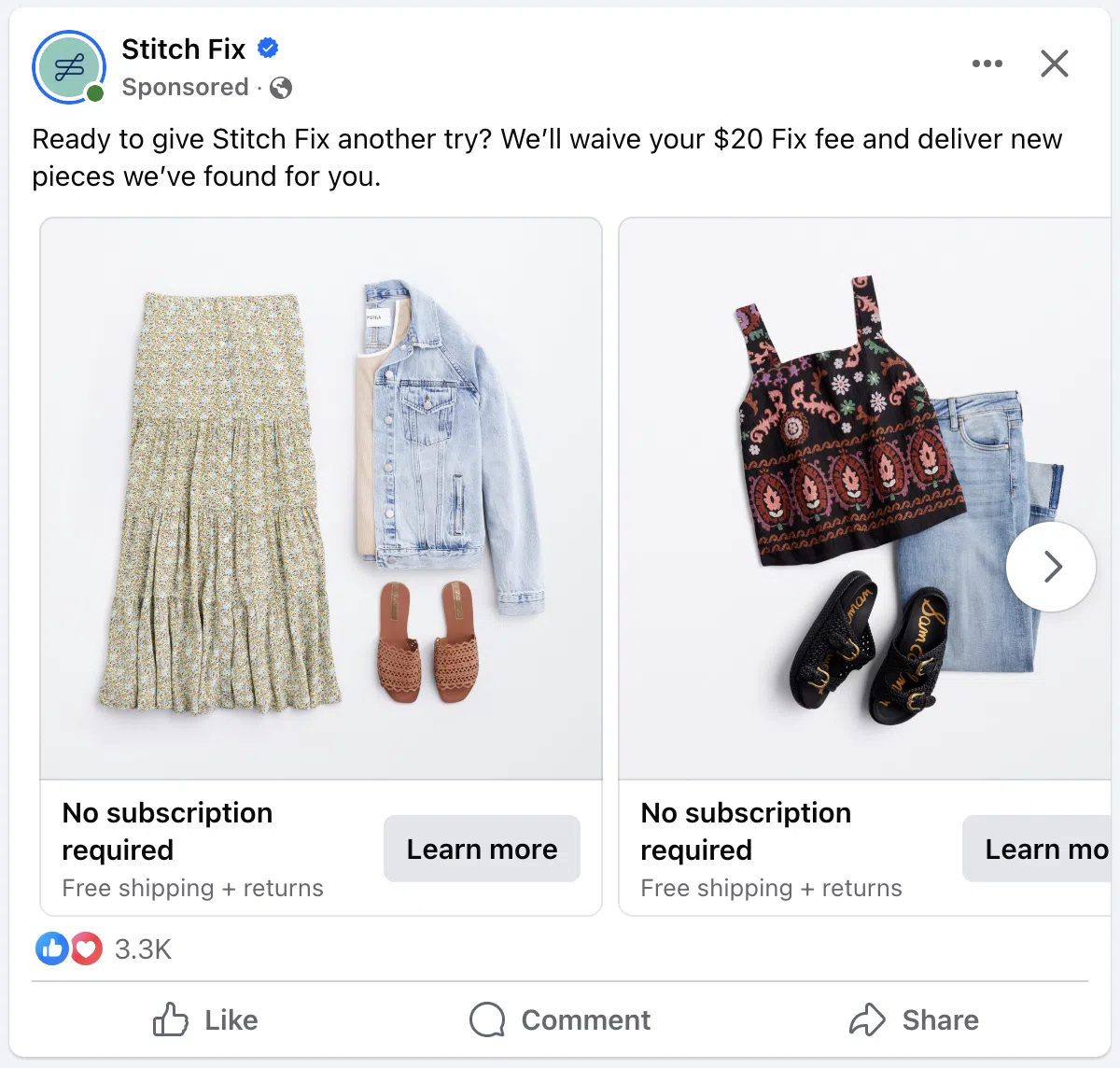
In the rapidly evolving landscape of digital marketing, the debate between organic and paid social media has shifted from an "either-or" binary to a nuanced discussion about synergy. As platforms like Instagram, TikTok, and LinkedIn continue to tighten their algorithms, businesses are finding that relying exclusively on one method is no longer a sustainable strategy.
To achieve long-term growth in 2026, brands must navigate the delicate balance between the "earned" trust of organic content and the "bought" visibility of paid advertising. This article explores the mechanics of both approaches and provides a blueprint for integrating them into a cohesive, high-performing marketing engine.
The Evolution of Social Media Strategy: A Brief History
To understand the current state of social media, one must look at its trajectory. In the early 2010s, "organic reach" was the gold standard. Brands could post content and reach a significant percentage of their followers without spending a cent. As the platforms grew, the sheer volume of content necessitated algorithmic intervention.
By the mid-2010s, major networks began prioritizing paid content, effectively turning the "social" web into a pay-to-play environment. This forced businesses to pivot, leading to the rise of specialized performance marketing teams. Today, we have reached a stage of maturity where consumers are increasingly savvy; they can instantly distinguish between a genuine brand interaction and an intrusive ad. Consequently, the most successful brands are those that use organic content to build the "vibe" and paid advertising to amplify the message.
Organic Social Media: The Bedrock of Brand Identity
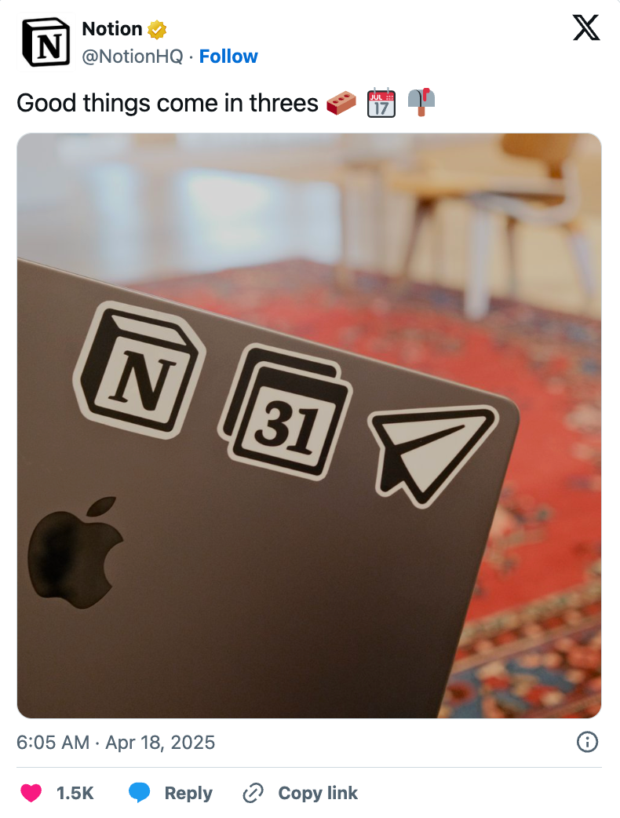
Organic social media refers to all non-paid activity on a brand’s profile. This includes Reels, Stories, community management, and educational video content. It is the digital equivalent of a company’s personality.
The Strategic Purpose of Organic Content
Organic social media is not designed for the "hard sell." Instead, its primary functions are:

- Building Brand Authority: By sharing insights, behind-the-scenes content, and industry expertise, a brand cements itself as a thought leader.
- Humanizing the Brand: Through replies, DMs, and community engagement, brands can build emotional resonance that converts passive followers into loyal advocates.
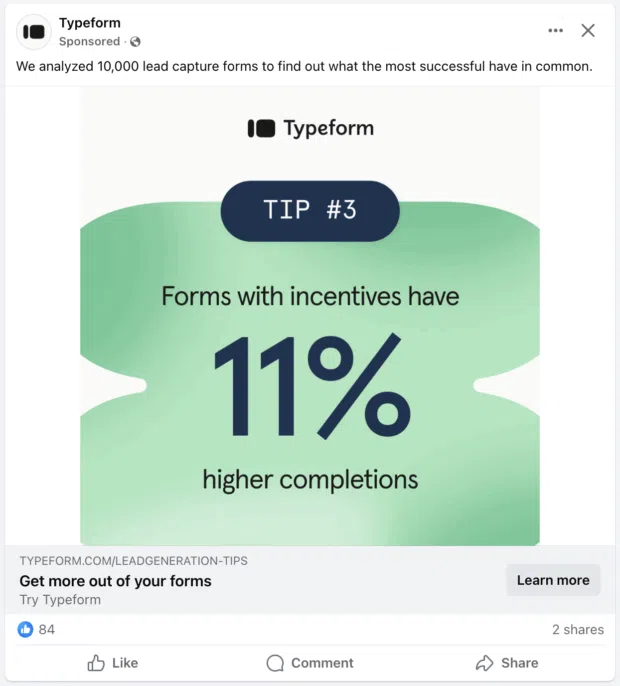
- Market Research: Organic posts serve as a low-cost testing ground. By analyzing what performs well, brands gain invaluable data on audience preferences.
The Challenges of the Organic Path
While free, organic social media is far from "easy." Its greatest challenges are twofold:
- Algorithmic Limitations: Because algorithms prioritize high-engagement content, organic posts often reach only a fraction of a brand’s total follower base.
- Scalability Constraints: Organic growth is inherently slow. It requires a long-term commitment to consistency, which can be difficult to maintain when business objectives demand immediate results.
Paid Social Media: The Engine of Scale
If organic social is the "slow game," paid social is the accelerator. It involves any content backed by an advertising budget, ranging from boosted posts to sophisticated sponsored campaigns across Facebook, X, LinkedIn, and TikTok.
The Power of Precision Targeting
The primary advantage of paid social media is its ability to bypass the uncertainty of organic reach. Through advanced demographic and behavioral targeting, brands can ensure their content reaches:
- Specific User Profiles: Reaching individuals based on age, location, occupation, and even specific interests or purchasing habits.
- Retargeting Loops: Putting products back in front of users who have already expressed interest, thereby shortening the sales cycle.
Supporting Data: The Growth of Ad Spend
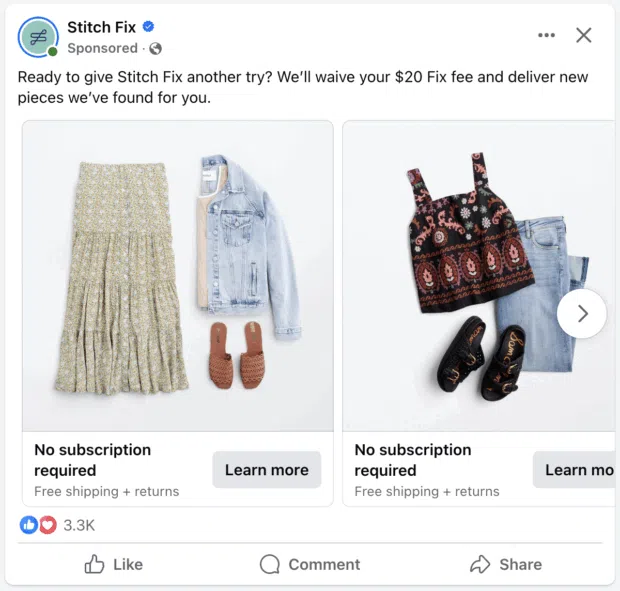
According to industry projections, social media ad spending is expected to grow by 15.6% in 2026, reaching a staggering $124.88 billion. This surge underscores the necessity of a paid strategy, yet it also creates a "clutter" problem. As more brands enter the paid space, "ad fatigue" has become a critical issue. Consumers are becoming experts at scrolling past sponsored content, making the quality of the creative more important than ever.
The Hybrid Approach: Four Pillars of Integration
The most effective modern social media teams operate with a "hybrid" mindset. Here is how experts suggest merging these two worlds to maximize ROI.
1. The "Boosted Organic" Strategy
The most effective way to start a hybrid campaign is to identify top-performing organic posts and put budget behind them. Because these posts have already proven their value, the risk is significantly lower than launching a brand-new, unproven ad. By "boosting" successful content, you are simply amplifying what the audience has already signaled they enjoy.

2. Utilizing Organic Insights for Paid Targeting
Organic data acts as a "testing ground" for paid strategy. Before committing a large budget to a new campaign theme, test it in an organic format (e.g., as an Instagram Reel). If the content gains traction, it becomes the blueprint for your paid assets. This ensures that you aren’t speculating on what will work—you are investing in proven engagement.
3. A/B Testing at Scale
Never assume what will perform best. Use paid campaigns to run rigorous A/B tests on headlines, visuals, and call-to-actions (CTAs). By running these variations through a smaller, targeted audience before scaling, brands can minimize waste and optimize their budget for maximum impact.
4. Aligning Goals Under a Single Strategy
The most common mistake is managing organic and paid teams in silos. These two departments must share the same brand voice, creative assets, and performance KPIs. Organic content should focus on top-of-funnel engagement and trust-building, while paid should focus on mid-to-bottom-funnel conversion. When these two are aligned, they create a continuous loop of customer acquisition and retention.
Measuring Success in a Combined World
To truly understand the return on investment (ROI), brands must move beyond surface-level metrics.
Organic Metrics to Track:
- Engagement Rate: How many people interact with the content?
- Community Growth: Are you building a loyal, recurring audience?
- Sentiment: What is the tone of the comments and DMs?
Paid Metrics to Track:
- ROAS (Return on Ad Spend): The revenue generated per dollar spent.
- CPC (Cost Per Click): The efficiency of the ad’s targeting.
- Conversion Rate: The percentage of users who complete the desired action.
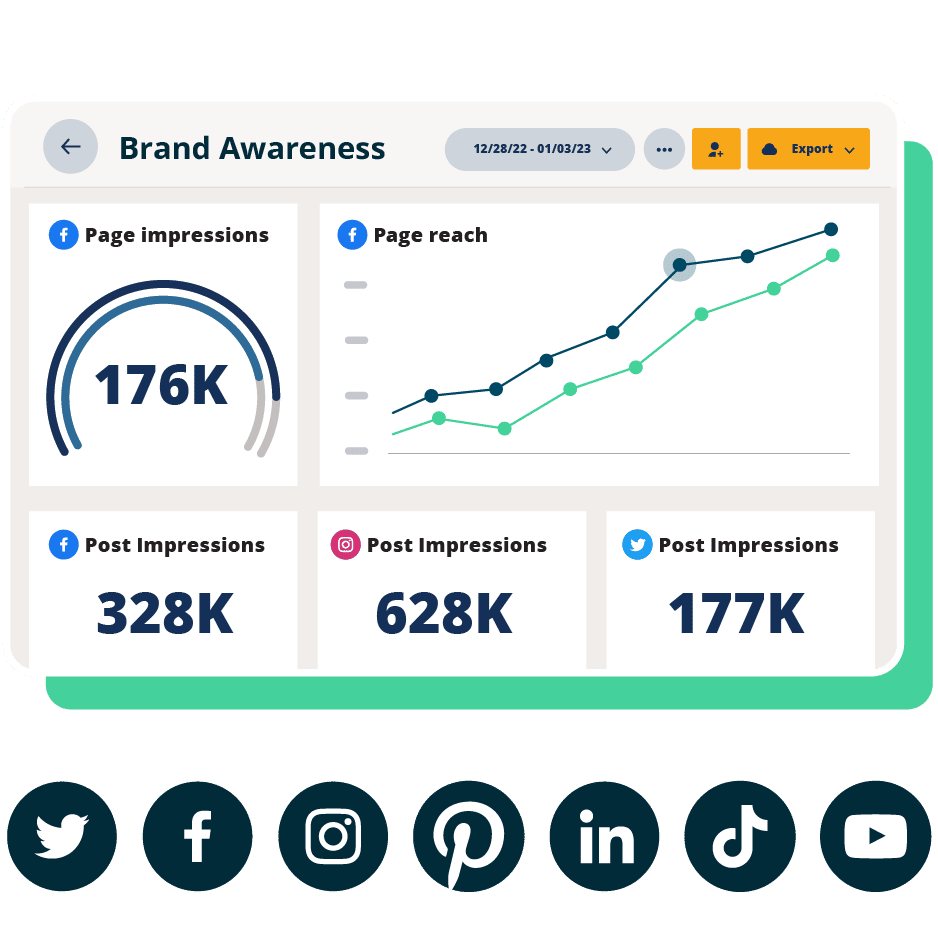
By viewing these metrics side-by-side in a centralized dashboard, such as those provided by Hootsuite, marketers can draw a straight line from their organic brand building to their paid revenue generation.
Implications for the Future
As we look toward the remainder of 2026 and beyond, the line between organic and paid will continue to blur. We are seeing the rise of "creator-led" ads, where brands partner with influencers to create content that feels organic but is backed by paid spend. This evolution suggests that the future of social media isn’t just about choosing between paid and organic—it’s about creating "native-feeling" experiences that provide value while simultaneously driving business results.

Final Thoughts
The "secret" to successful social media marketing is no longer a secret at all: it is the seamless integration of trust and scale. Organic social provides the soul of the brand, while paid social provides the reach to ensure that soul is seen by the right people at the right time. By treating these two channels as parts of a single, unified ecosystem, businesses can survive the algorithm, combat ad fatigue, and ultimately drive sustainable, long-term growth.
For brands looking to gain an edge, the priority should be clear: invest in the tools and the talent required to manage these channels holistically. In an age of infinite digital noise, the brands that win will be the ones that know exactly when to talk, when to listen, and when to amplify.
 Reynand Wu
  Muslim
  Nila Kartika Wati