
 By Evan Lee Salim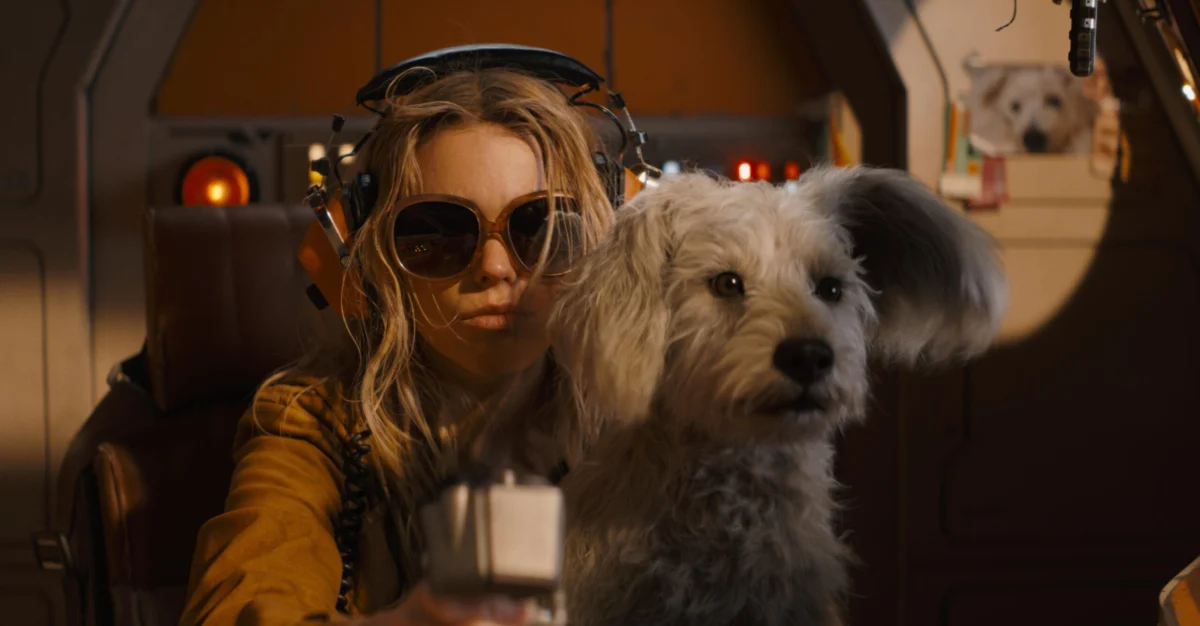
The cinematic landscape for DC Studios was supposed to be fundamentally different. When James Gunn and Peter Safran took the helm of the newly formed DC Studios, the mandate was clear: replace the fragmented, erratic output of the previous regime with a cohesive, interconnected, and critically acclaimed universe. Following the release of Superman, there was genuine optimism. However, the release of the standalone Supergirl feature—a project once positioned as a cornerstone of this new era—has not only failed to capture the zeitgeist but has ignited a firestorm of speculation regarding the viability of Gunn’s grand design.
The Reality of the "Woman of Tomorrow"
Loosely adapted from Tom King and Bilquis Evely’s acclaimed miniseries Supergirl: Woman of Tomorrow, the film follows Kara Zor-El (played by Milly Alcock) as she navigates an interstellar journey marked by tragedy and moral ambiguity. The narrative centers on a vengeful quest triggered by the poisoning of her loyal companion, Krypto, by a syndicate of intergalactic traffickers.
Unlike her cousin, Clark Kent (David Corenswet), this version of Kara operates in shades of gray. She is a survivor of a dead world, burdened by trauma and a penchant for lethal solutions, particularly when protecting those she holds dear. The inclusion of an orphaned companion, Ruthye (Eve Ridley), is intended to serve as Kara’s moral compass, forcing the protagonist to confront the consequences of her brutality. On paper, this character study offered a compelling alternative to the traditional "Boy Scout" narrative of Superman. In practice, however, the film has struggled to land, drawing criticism for its tonal inconsistencies and a perceived lack of identity.
A Chronology of a Misstep
The trajectory of Supergirl from "highly anticipated" to "box office bomb" has been swift and unforgiving.
- Early Hype: Following the surprise post-credits cameo of Kara in James Gunn’s Superman, fans were initially excited by the prospect of a more cynical, space-faring Kryptonian adventure.
- Production Hurdles: Director Craig Gillespie and writer Ana Nogueira were tasked with balancing the dark, emotional beats of the Woman of Tomorrow comic with the requirements of an introductory superhero blockbuster.
- The Critical Pivot: Upon its release, critics noted that the film felt derivative, lacking the gravitas of its source material and falling into the same "needle-drop-heavy" rhythmic traps that defined Gunn’s previous work in the Marvel Cinematic Universe.
- The Financial Fallout: As of June 2026, the film is projected to lose between $100 million and $120 million. This represents a catastrophic failure for a studio attempting to establish financial stability in a post-DCEU world.
Supporting Data: The Anatomy of a Flop
The failure of Supergirl is not merely a matter of subjective taste; the numbers suggest a fundamental misalignment with audience expectations. With a projected loss exceeding nine figures, Supergirl ranks among the most significant financial misfires in the history of DC adaptations.
Critics have pointed to several key issues:
- Indistinguishable Characterization: Despite the film’s attempt to paint Kara as a "hardened" version of her cousin, the narrative ultimately relies on the same tropes: an indestructible alien who struggles with the burden of power and periodically loses her abilities to create artificial stakes.
- Creative Overlap: The film’s aesthetic—characterized by drunken brawls in alien cantinas and ragtag space travel—has been widely criticized as a "rehash" of the Guardians of the Galaxy aesthetic. This has led to the perception that Gunn is merely replicating his past successes rather than forging a new visual language for the DCU.
- The "Lobo" Distraction: The inclusion of Jason Momoa as the bounty hunter Lobo, while visually faithful to the comics, served as a jarring reminder of the studio’s messy transition from the DCEU. For audiences, it was a meta-commentary on the studio’s inability to fully sever ties with the past.
The Official Stance: Gunn’s Vision Under Fire
James Gunn has historically been vocal about his commitment to quality control, famously stating that DC Studios would "never put a half-assed script in production." Yet, the critical consensus surrounding Supergirl suggests that the studio failed to adhere to this mantra.
Internally, DC Studios is reportedly scrambling to adjust its long-term roadmap. The "half-assed" quality of Supergirl has cast a long shadow over upcoming projects, including the Green Lanterns series and the Clayface film. While Gunn has defended his decision to prioritize "B-tier" characters to build depth, the failure of Supergirl suggests that the audience—and perhaps the studio—is not yet ready to embrace these characters without the anchor of established icons like Batman or Wonder Woman.
Implications: The Future of the DCU
The failure of this project carries profound implications for the future of the DC Universe.
1. The Comparison to Marvel
The primary goal of the DCU reboot was to create a competitive entity capable of rivaling the Marvel Cinematic Universe. However, while Marvel is undergoing its own "reset," it maintains a robust pipeline of proven successes, such as the X-Men and the Spider-Man franchise. DC, conversely, is effectively starting from zero. With Supergirl underperforming, the studio is now in the precarious position of having to prove that its "universe" is more than just a collection of disconnected, iterative projects.
2. The "Gotham" Dilemma
The studio’s decision to continue The Batman franchise (led by Matt Reeves) outside of the DCU, while simultaneously planning to introduce new characters like Bane and Deathstroke into the DCU, creates a brand-dilution problem. Audiences are becoming confused by the coexistence of multiple, conflicting timelines. The reported prioritization of a new Bane/Deathstroke project, meant to capitalize on the Batman brand, feels like a reactive attempt to "save" the box office rather than a deliberate, strategic choice.
3. The Shadow of Consolidation
Perhaps the most significant threat to the DCU is the looming merger between Warner Bros. Discovery and Paramount Skydance. Historically, mergers lead to significant shifts in executive strategy and creative vision. If the DCU cannot demonstrate profitability and stability in the next eighteen months, it is highly probable that the new corporate ownership will demand a total restructuring—or, at the very least, a shift toward more "safe," conventional projects, abandoning the experimental, comic-accurate spirit that Gunn originally championed.
Conclusion: A Turning Point or a Dead End?
We are currently witnessing a pivotal moment in the history of superhero cinema. While next year’s Man of Tomorrow may serve as a course-correction, the current sentiment is one of fatigue. DC Studios is currently on the ropes, grappling with the same "messiness" that previously plagued the Sony/Marvel spin-offs.
The studio’s next few moves will be critical. If they continue to prioritize projects that feel like fragmented, low-stakes experiments, they risk losing the audience’s trust entirely. The "Supergirl" disaster serves as a sobering reminder: a cinematic universe cannot be built on the back of brand recognition alone. It requires a coherent, well-executed, and distinctive vision that resonates with the audience on an emotional level. As of now, the DCU is still searching for its heartbeat. Whether James Gunn can resuscitate the project before it slips into total irrelevance remains the central question of the modern superhero era. The clock is ticking, and for DC, the margin for error has effectively vanished.
 Raul Delapena Setiawan
  Siti Muinah
  Asro
Asro 