
 By Asep Darmawan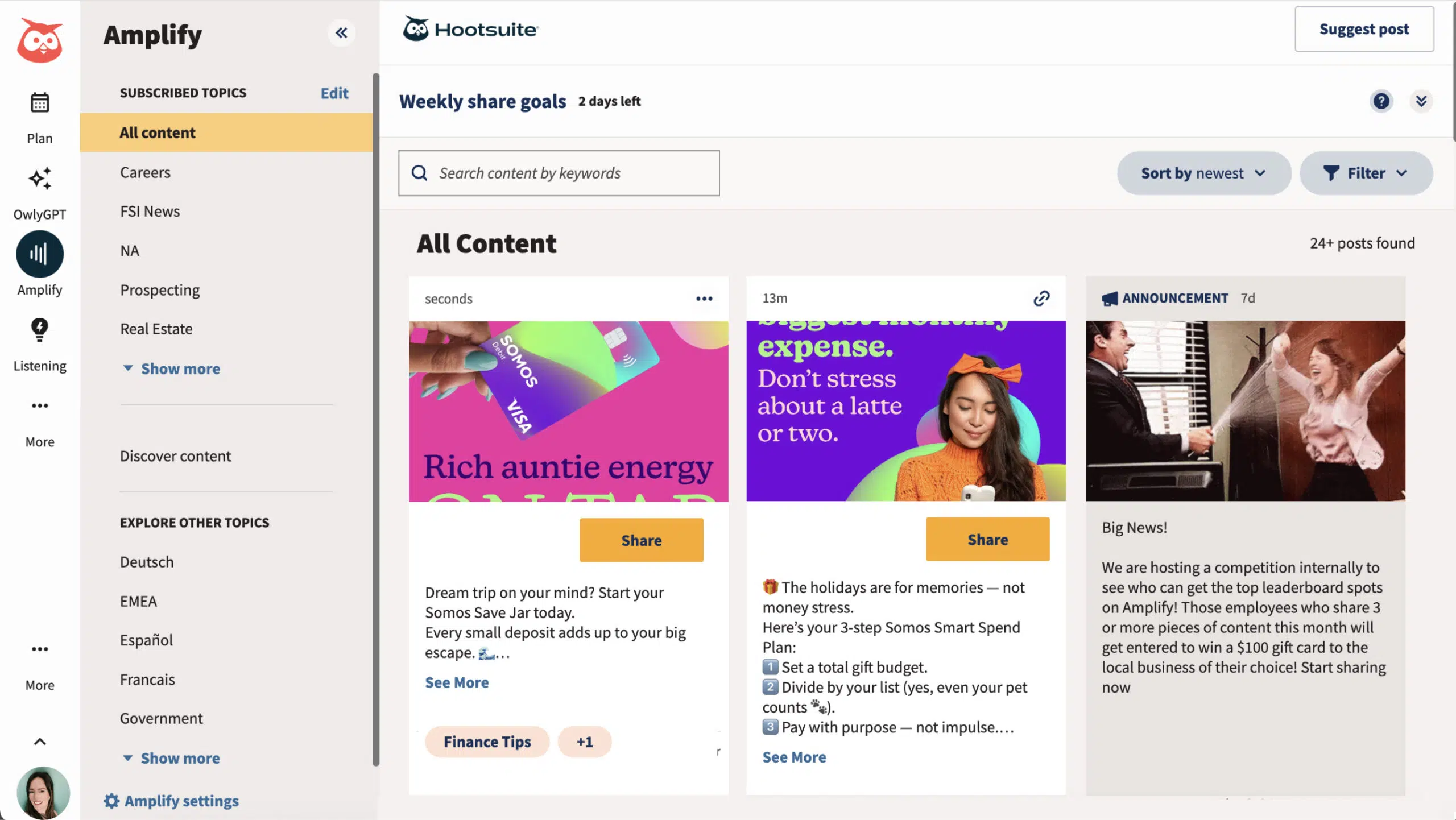
In an era where consumer skepticism toward corporate advertising is at an all-time high, brands are finding that their most potent marketing asset isn’t a high-budget ad campaign or an algorithmic trend—it is their own workforce. Employee advocacy, the practice of empowering team members to share company content and brand narratives on their personal social media channels, has evolved from a "nice-to-have" internal initiative into a critical business strategy.
According to the 2025 Edelman Trust Barometer, consumer trust in traditional brand messaging continues to erode. As audiences turn away from polished, logo-centric corporate accounts, they are increasingly gravitating toward the voices of individuals. Data shows that 60% of consumers now trust what an individual employee says about a brand more than what the brand claims about itself. By leveraging the authentic, personal networks of their staff, companies are unlocking reach and credibility that no amount of paid advertising can replicate.

Defining the Ecosystem: Advocacy vs. Influence
To understand the current landscape of digital marketing, one must distinguish between the three primary pillars of brand promotion: Employee Advocacy, Influencer Marketing, and Brand Advocacy.
- Employee Advocacy: This is an internal engine driven by staff and leadership. It is built on a genuine connection to the company’s mission, culture, and day-to-day operations. It is consistent, controlled, and deeply authentic.
- Influencer Marketing: This relies on external, usually paid, partnerships with content creators. While effective for reaching new, specific audiences, it is transactional by nature.
- Brand Advocacy: This comes from the "outside-in"—the customers, fans, and loyalists who promote a brand based on their personal experiences.
While all three serve different roles, employee advocacy provides the most stability. It humanizes the corporate entity, transforming a distant, faceless organization into a collection of real, relatable experts.

A Chronology of the Shift
The transition toward employee-led advocacy did not happen overnight. In the early 2010s, social media marketing was dominated by "Brand Pages." Companies focused on accumulating followers and broadcasting announcements. However, as social media algorithms matured, organic reach for corporate pages plummeted.
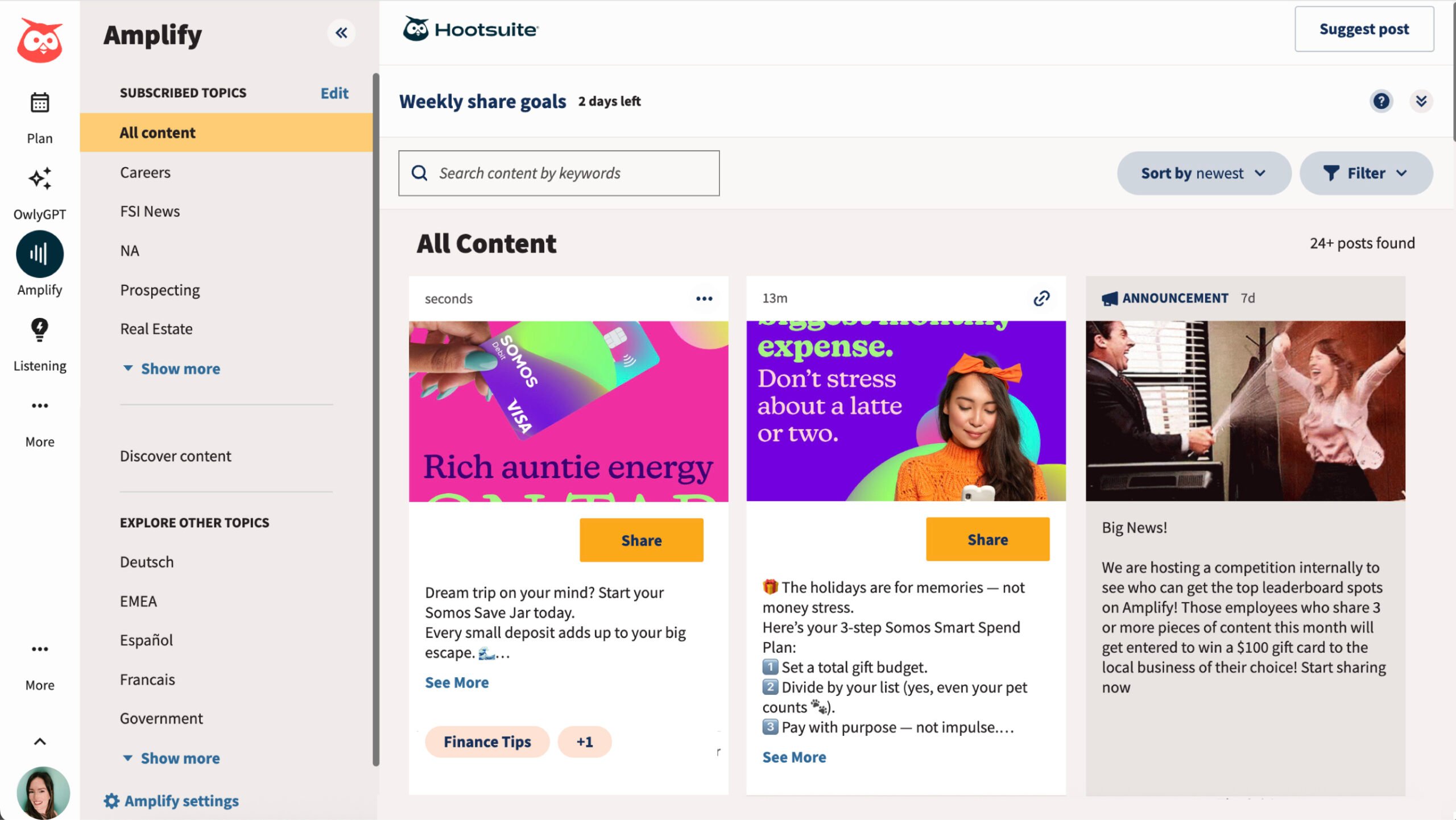
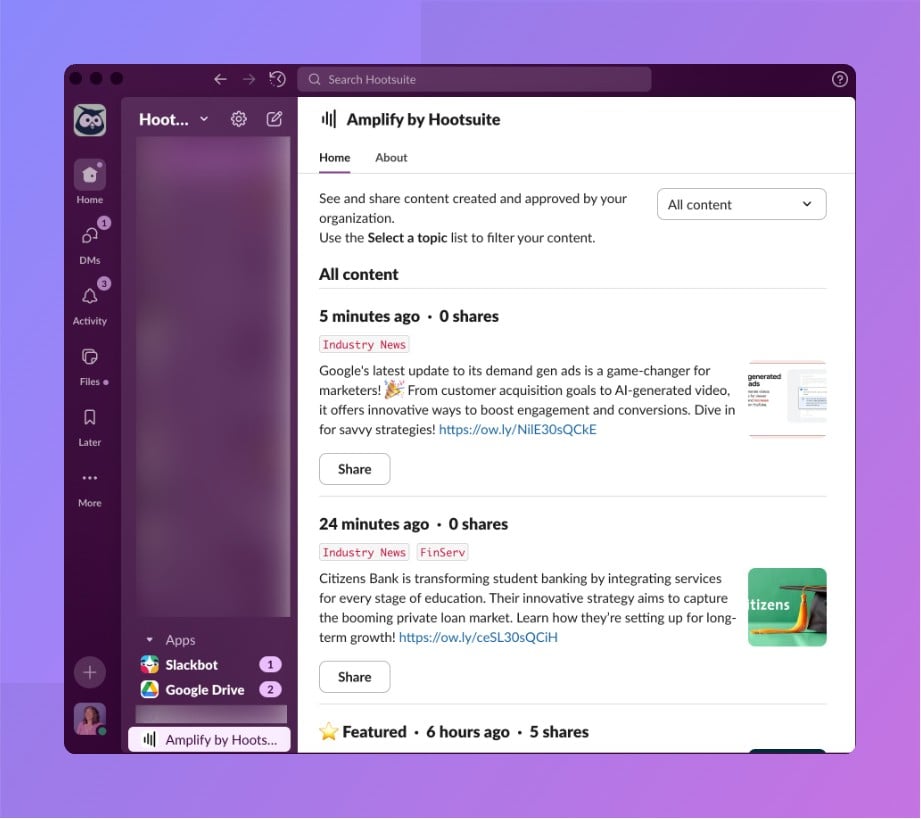
By 2020, the shift became undeniable: social platforms began prioritizing content from personal profiles over corporate ones. Recognizing this, forward-thinking organizations began investing in "Employee Advocacy Platforms"—centralized hubs that allow employees to share pre-approved, yet customizable, content. By 2024 and 2025, tools like Hootsuite Amplify moved from peripheral marketing software to central command centers, integrating directly into workplace communication tools like Slack and Microsoft Teams to make advocacy a frictionless part of the daily professional workflow.
The Data Behind the Strategy: Hootsuite’s 2024–2025 Insights
The results of this shift are quantifiable. Recent data from Hootsuite’s own internal advocacy program provides a benchmark for what successful implementation looks like.
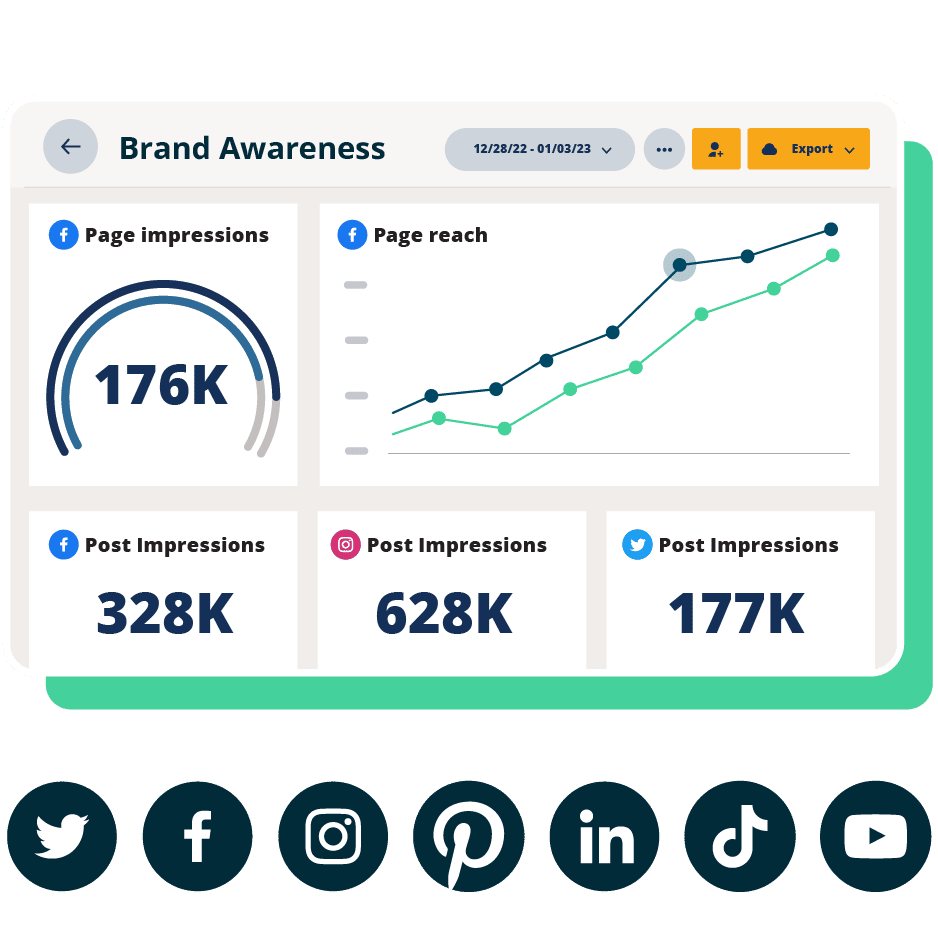
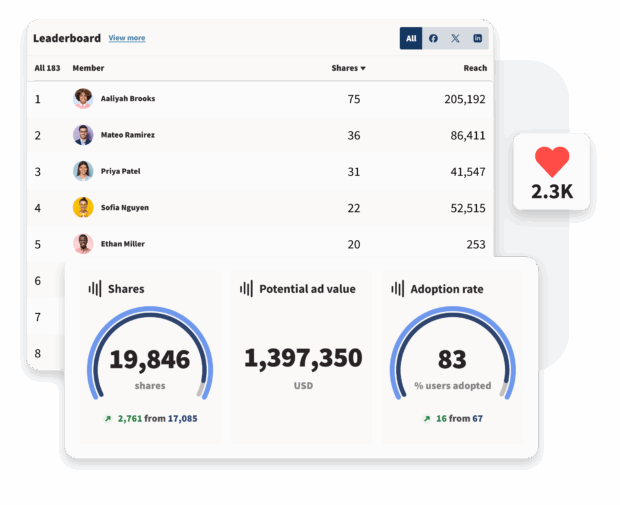
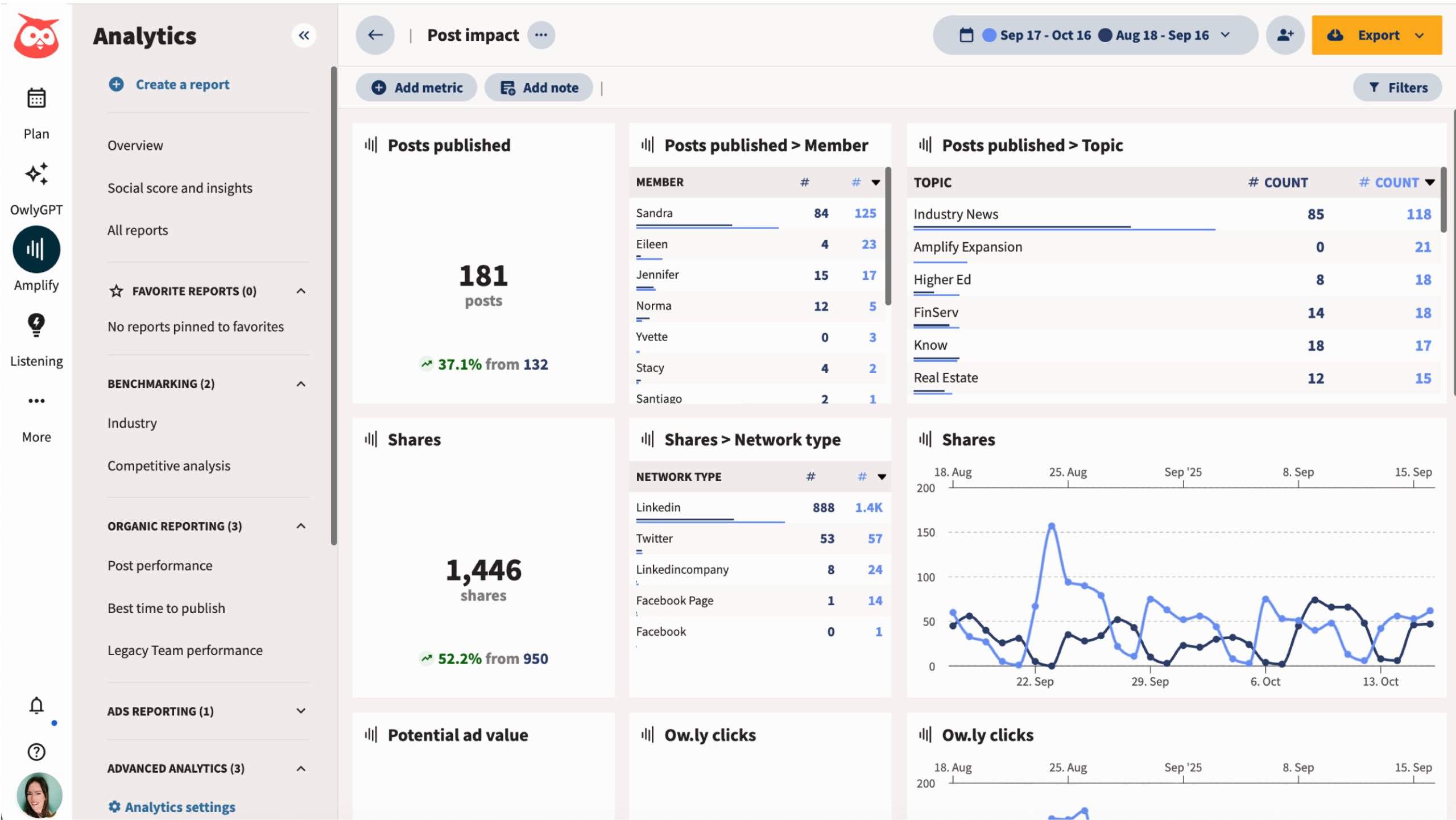
With 40% to 50% of the company’s workforce participating, the average employee contributes 1.2 posts per week. These posts are not merely noise; they command an average reach of nearly 22,000 views per post. Even more impressive is the "Top-Performing" data, where individual employee posts have garnered over 200,000 impressions and over 100 shares. These figures demonstrate that when employees are empowered to act as brand ambassadors, the potential reach is exponentially higher than the company’s official follower count.
Why Employees Outperform Logos
The core reason for this success is the psychological nature of social media engagement. When a person sees a post from a friend or a colleague, they are significantly more likely to pause and read than when they see a paid advertisement.
The Trust Factor
Employees are perceived as "insiders." When they share a piece of content, it is interpreted as a stamp of approval. If an employee speaks about a new product update or a corporate milestone, the audience perceives this as a genuine endorsement rather than a corporate mandate.
The Algorithm Advantage
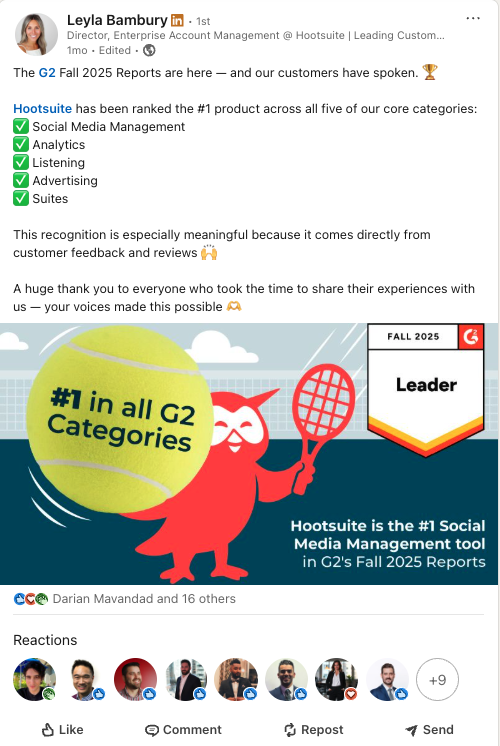
Social media algorithms are designed to foster human connection. Consequently, posts from personal accounts are prioritized in news feeds. Because an employee’s network is, on average, 10 times larger than the brand’s official page, the "megaphone effect" is substantial. For organizations like Carahsoft, this translated into thousands of new website visits and a 35% increase in event registrations directly attributable to employee-led shares.
Strategic Implications for the Enterprise
1. Revolutionizing Recruitment
Employer branding is perhaps the most immediate beneficiary of advocacy. Top talent is rarely attracted by a glossy careers page; they are attracted by the stories of people currently working at the company. Data suggests that companies with socially engaged employees are 58% more likely to attract top-tier talent. By allowing employees to share behind-the-scenes content—such as team celebrations, professional growth stories, or insights into company culture—brands create a "social proof" that makes prospective employees feel a sense of belonging before they even apply.
2. Strengthening Internal Culture
Advocacy is a two-way street. When employees are invited to represent the brand, they feel a greater sense of pride and ownership. This creates a "feedback loop": employees become more invested in the company’s success, which in turn leads to more authentic content, which further strengthens the culture. It turns the workforce into a community of ambassadors.
3. Boosting Professional Development
Savvy organizations frame advocacy not as a "task," but as a professional development opportunity. By helping employees build their own personal brand, they increase the employee’s visibility within the industry. When employees realize that sharing company news helps them grow their professional network and establish their own thought leadership, they become self-motivated participants.
Implementing a Successful Program
Launching an advocacy initiative requires more than just access to a platform; it requires a cultural shift.
Step 1: Secure Leadership Buy-In.
Advocacy must be treated as a strategic priority. Leadership should lead by example, sharing content regularly to signal that it is encouraged and valued.
Step 2: Identify Natural Champions.
Every company has "natural" ambassadors—people who are already active on social media and speak positively about their work. Starting with this group helps build momentum and creates a blueprint for the rest of the organization.
Step 3: Curate, Don’t Command.
The biggest mistake brands make is forcing employees to share scripted, "corporate-speak" content. Content must be authentic. Use platforms like Hootsuite Amplify to provide a "menu" of content, but allow employees the freedom to add their own personal commentary, photos, or perspectives.

Step 4: Make it Frictionless.
If it is hard to share, it won’t happen. By integrating advocacy platforms into the tools employees already use—like Slack or Teams—sharing a post can be reduced to a 30-second task at the start of the workday.
Step 5: Measure and Reward.
Use clear KPIs to track success. Focus on:

- Participation Rate: How many employees are active?
- Reach and Engagement: Are the posts driving conversations?
- Recruitment Impact: Are applications increasing?
- Conversion: Are employees driving tangible business outcomes like demo requests or whitepaper downloads?
The Future of Brand Authenticity
As we look toward the future, the reliance on employee voices will only increase. With the rise of AI-generated content, consumers are becoming increasingly sensitive to "manufactured" media. Authentic, human-led storytelling will become the most valuable currency in the marketing ecosystem.
Organizations that invest in their employees today—by providing them with the tools, training, and permission to speak their truth—will find themselves with a competitive advantage that cannot be bought or automated. By handing the microphone to the people who know the brand best, companies can stop shouting into the void and start building real, lasting relationships with their audience.

In the final analysis, employee advocacy is not about turning your staff into a billboard. It is about empowering them to be the human face of your mission. When they succeed, the brand succeeds.
 Lina Irawan
  Nana Muazin
  Nila Kartika Wati