
 By Siti Muinah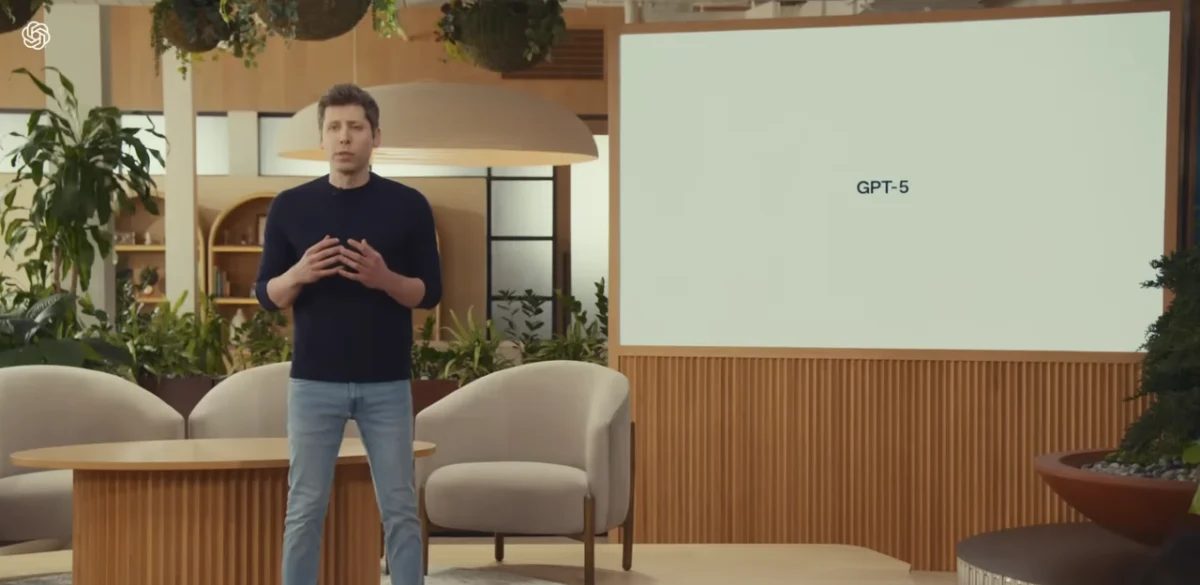
Introduction: A Ubiquitous Aesthetic Under Scrutiny
In an era defined by rapid technological advancement and the increasing integration of artificial intelligence into daily life, the visual language adopted by leading tech companies has never been more critical. From the minimalist elegance of Apple stores to the vibrant, approachable branding of many direct-to-consumer startups, design plays a pivotal role in shaping public perception. However, a distinct aesthetic, characterized by vertically slatted wood and warm timber tones—dubbed "Sauna Core" or a corporate mutation of "Japandi"—has become increasingly prevalent across the tech and luxury sectors, only to face a swift and vocal backlash on social media. This trend, once heralded for its ability to "humanize" the often-clinical world of technology, is now being widely criticized as bland, soulless, and indicative of a deeper design malaise.
What began as a subtle nod to natural warmth and Scandinavian comfort has rapidly permeated keynote stages, product packaging, and retail environments, becoming an unmistakable signature of the 2020s. Yet, its ubiquity has paradoxically accelerated its unpopularity, raising questions about the transient nature of design trends, the impact of social media on aesthetic discourse, and the challenges brands face in maintaining distinctiveness in a homogenizing visual landscape. This article delves into the genesis of "Sauna Core," its strategic adoption by industry giants, the growing chorus of public disapproval, and the broader implications for design, branding, and consumer perception in the digital age.
The Main Facts: An Aesthetic of Vertical Slats and Warm Tones
The core of the "Sauna Core" aesthetic lies in its distinctive use of vertically oriented wooden slats, often in light to medium timber tones. This visual motif has surfaced prominently in a variety of high-profile contexts, signaling a deliberate design choice by influential entities. Notable examples include:
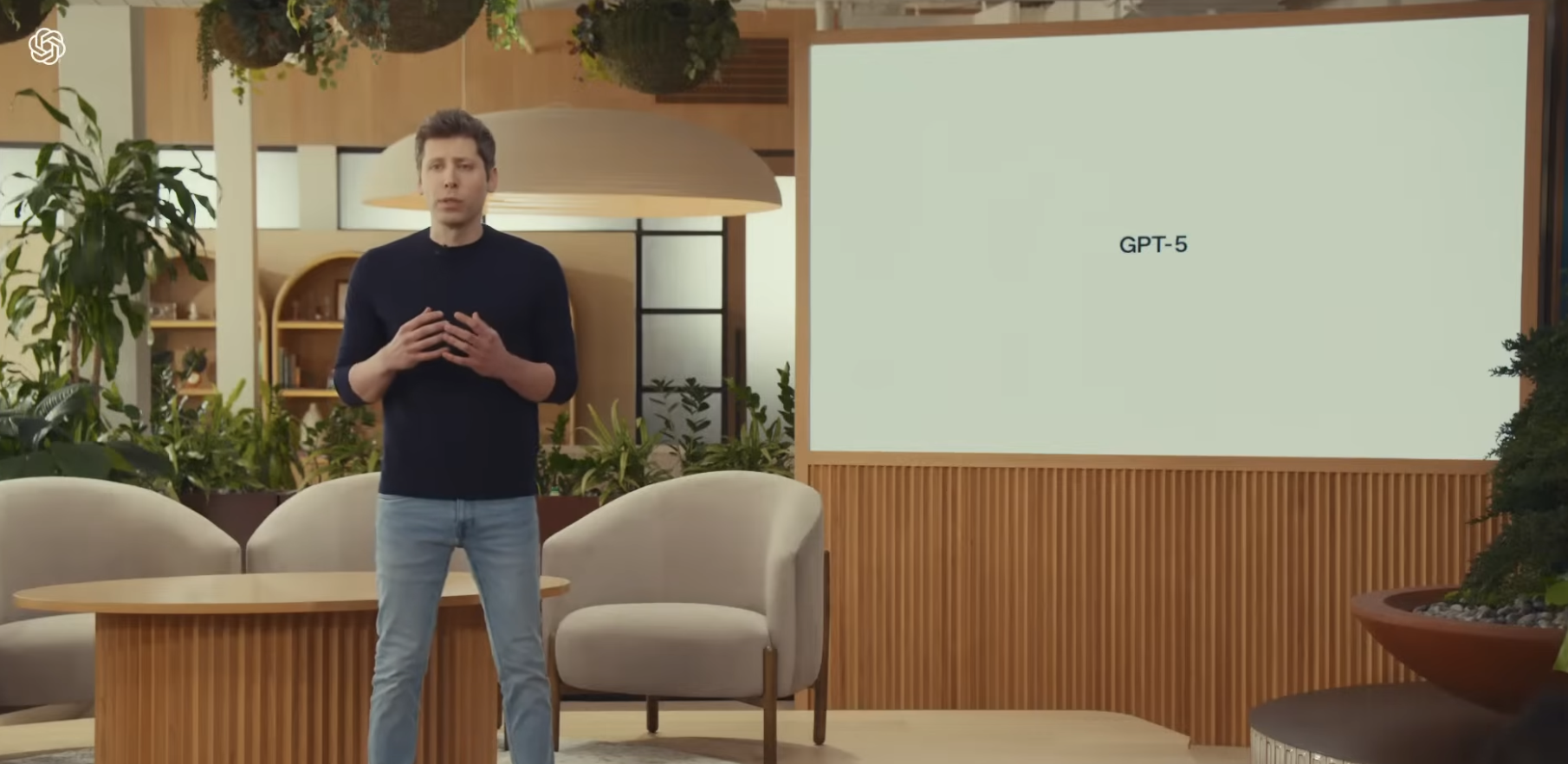
- OpenAI’s Keynotes and Visuals: Screenshots from recent OpenAI presentations, particularly those showcasing new iterations like ChatGPT 5, reveal a pervasive use of this slatted wood backdrop, suggesting an intentional effort to frame their cutting-edge AI technologies within an approachable, organic environment.
- Nvidia Product Packaging: The internal design of Nvidia’s packaging, a critical touchpoint for consumers unboxing high-performance graphics cards, has also adopted this aesthetic, extending the visual language beyond digital presentations to physical products.
- Luxury Retail Frontages: Even beyond pure tech, high-end brands like Hermes have been observed incorporating similar vertically slatted wood elements into their store exteriors, illustrating a broader cross-industry adoption of this design sensibility.
This widespread application has not gone unnoticed by the design community and the general public, particularly on social media platforms. Infographics experts like US Graphic Company highlighted the trend, sparking a torrent of criticism. Comments ranged from outright condemnation—describing it as "one of the worst trends in modern architecture," "completely bland," and "soulless"—to more analytical observations suggesting its prevalence stems from cost-efficiency rather than genuine aesthetic merit. The prevailing sentiment indicates a growing fatigue with this particular visual language, signaling a potential turning point for an aesthetic that, despite its current dominance, may soon be relegated to the annals of quickly aging design fads.
Chronology: From Japandi Serenity to Corporate Sauna
The "Sauna Core" aesthetic, while seemingly novel in its current corporate manifestation, has deeper roots in established design philosophies. Understanding its chronological evolution helps contextualize its current ubiquity and subsequent backlash.
The Genesis of Japandi: A Harmonious Fusion
The foundational precursor to "Sauna Core" is "Japandi," a portmanteau combining "Japanese" and "Scandinavian" design principles. This aesthetic emerged as a popular interior design trend in the mid-to-late 2010s, celebrated for its unique blend of two distinct yet complementary styles:
- Japanese Minimalism: Characterized by clean lines, natural materials (especially wood), functionality, tranquility, and a reverence for craftsmanship and imperfection (wabi-sabi). It emphasizes decluttering and creating serene spaces.
- Scandinavian Design (Hygge): Known for its warmth, comfort, simplicity, practicality, and an emphasis on light, natural wood, and cozy textiles. "Hygge," the Danish concept of coziness and contentment, encapsulates its emotional appeal.
Japandi successfully married these two, creating spaces that were minimalist yet warm, functional yet inviting. It favored natural wood, muted color palettes, simple forms, and a balance between starkness and softness, often incorporating elements like soft rugs, woven throws, ceramics, and indoor plants to enhance the sense of comfort and lived-in elegance.
The Emergence of "Sauna Core": Stripping Away the "Hygge"
As the 2020s dawned, particularly in the wake of the global pandemic which accelerated digital transformation and remote work, a noticeable shift began. The "Japandi" aesthetic started migrating from residential interiors into commercial, corporate, and digital environments. This transition, however, saw a crucial distillation and, critics argue, a significant loss of its original essence.
The cozy, ‘hygge’ elements—the rugs, throws, candles, and personal touches—were largely stripped away in its corporate adaptation. What remained was the structural skeleton: the clean lines, the natural wood, and, most prominently, the vertical slat motif. This pared-down version, devoid of its comforting accompaniments, began to appear in:
- Corporate Lobbies and Offices: Reflecting a desire for sleek, modern, yet subtly warm spaces that project innovation without being overly sterile.
- Tech Product Launches and Keynotes: Used as backdrops for presentations, particularly by companies at the forefront of AI and computing, like OpenAI and Nvidia. This became particularly prominent around 2023-2024, coinciding with major AI advancements.
- Digital Interfaces and Branding: The visual language seeped into digital assets, advertisements, and website designs, reinforcing its omnipresence.
- High-End Retail: Luxury brands adopted it to convey exclusivity, craftsmanship, and a natural, sophisticated appeal, albeit often with higher quality materials.
This corporate iteration quickly earned the moniker "Sauna Core" due to its uncanny resemblance to the interior of a traditional sauna—all wood, slats, and minimalism, but lacking the context of relaxation. The speed with which this aesthetic became ubiquitous, particularly within the tech sphere, suggests a rapid adoption by design agencies and brands seeking a contemporary yet non-threatening visual identity. However, this very speed and widespread adoption set the stage for its equally rapid descent into cliché. The lack of variation and the perceived "low effort" nature of its application fueled the growing discontent, transforming a once-appreciated style into a symbol of corporate homogenization.
Supporting Data: The Psychology, Practicality, and Public Perception
The widespread adoption of "Sauna Core" by tech and luxury brands is not accidental; it stems from a confluence of psychological appeal, practical advantages, and a strategic attempt to navigate the evolving relationship between humanity and technology. However, the subsequent public backlash reveals the delicate balance between trend adoption and brand distinctiveness.
The Psychological Allure: Humanizing the Digital Frontier
At its core, the "Sauna Core" aesthetic aims to imbue technologically advanced and often abstract concepts with a sense of warmth, authenticity, and natural familiarity.
- Biophilic Design Principles: The use of wood, a natural material, taps into biophilic design principles – the innate human tendency to connect with nature. In an increasingly digital and artificial world, natural elements can evoke feelings of calm, comfort, and trustworthiness. For AI companies, this is particularly potent, as it counters anxieties about artificial intelligence being cold, distant, or even threatening.
- Softening the Edges of Tech: Traditional tech aesthetics often lean towards chrome, glass, and stark minimalism, which can feel clinical or intimidating. The warm timber tones of "Sauna Core" offer a softer, more inviting alternative, creating an environment that suggests collaboration and user-friendliness rather than sterile efficiency. This aligns with the broader marketing push to make AI feel like a helpful assistant rather than an alien intelligence.
- Authenticity and Craftsmanship: Wood, especially when slatted, can subtly evoke notions of craftsmanship and tradition, even in mass-produced contexts. This can lend an aura of quality and thoughtful design to products and services that are inherently digital or mass-manufactured.
This psychological strategy is not isolated. The trend of AI brands increasingly adopting serif fonts, as noted in the original article, serves a similar purpose. Serif fonts, with their historical connection to printed texts and classical literature, are perceived as more traditional, authoritative, and trustworthy compared to the often futuristic or sterile sans-serifs. Both "Sauna Core" and serif fonts are tools in the larger brand narrative of making advanced technology feel less alien and more integrated into the human experience.
Practical Considerations: Cost, Efficiency, and Scalability
Beyond psychological impact, there are tangible practical reasons for the proliferation of the slatted wood aesthetic, particularly highlighted by social media commentators.
- Cost-Effectiveness and Ease of Fabrication: As one X user theorized, this look "minimizes labor and material costs while looking decent, as the thin wooden strips are cheap and mostly fabbed off-site." The use of thin, standardized wooden slats or veneers, often pre-fabricated or modular, can significantly reduce on-site construction time and skilled labor requirements. This makes it an attractive option for large-scale corporate fit-outs or product packaging where efficiency and budget are key.
- Versatility and Modularity: The slatted design is inherently versatile. It can be applied to walls, ceilings, furniture, or even product details, offering a cohesive aesthetic across various brand touchpoints. Its modular nature allows for easy adaptation to different spaces and scales.
- Quick Trend Adoption: For design agencies and brands operating in a fast-paced environment, adopting a clearly defined and easily replicable trend like "Sauna Core" allows for rapid deployment of a contemporary look without extensive custom design work.
The Social Media Verdict: A Swift and Unforgiving Backlash
Despite these strategic advantages, the public’s reception, particularly on platforms like X (formerly Twitter), has been overwhelmingly negative. The criticisms are sharp and articulate, revealing a widespread fatigue with the aesthetic:
- "Bland," "Soulless," "Low Effort": These are recurring descriptors. Critics argue that the aesthetic, especially in its corporate mutation, lacks originality, personality, and genuine artistic merit. It’s seen as a generic solution, a lowest common denominator in modern design.
- Perception of Cheapness: While the intention might be to evoke natural warmth, the ubiquitous and often mass-produced application of the style leads many to perceive it as "cheap." This is a significant risk for brands, particularly luxury ones, where the perception of quality is paramount.
- Homogenization and Loss of Identity: Perhaps the most damaging criticism is that "Sauna Core" contributes to a sense of corporate homogenization. When every tech company, luxury brand, and coffee shop adopts the same visual language, individual brand identity is diluted. This makes it harder for consumers to differentiate between brands, fostering a sense of aesthetic monotony.
- Echoes of Past Design Fads: The speed of the backlash mirrors historical cycles of design trends that achieved rapid ubiquity only to be swiftly rejected. Millennial pink, for example, saturated consumer products and branding in the mid-2010s before becoming a symbol of overexposure. Similarly, "Corporate Memphis" illustration, with its simplified, geometric figures and vibrant colors, became the default visual style for tech explainers and app interfaces, only to be widely derided for its generic, infantilizing feel. "Sauna Core" appears to be following this well-trodden path to aesthetic obsolescence.
The immediate and collective rejection on social media underscores its power as a real-time arbiter of taste. What might take years to percolate into mainstream consciousness and then fade can now happen within months, driven by viral tweets and shared frustrations. This rapid feedback loop forces brands to be increasingly agile and discerning in their design choices, lest they fall victim to the very trends they seek to embrace.
Official Responses: The Silence of Strategic Design
In the realm of corporate branding and design, official statements directly addressing public criticism of an aesthetic trend are exceptionally rare. Companies, particularly those as prominent as OpenAI, Nvidia, or luxury houses like Hermes, typically allow their design choices to speak for themselves, rather than engaging in public discourse about specific aesthetic labels or criticisms. This strategic silence, however, does not mean an absence of corporate intent or awareness.
While there have been no explicit press releases or executive comments from these brands acknowledging or defending the "Sauna Core" label, their continued incorporation of the aesthetic into key visual touchpoints—such as product launches, packaging, and retail spaces—serves as an implicit "official response." This sustained use suggests that:
- Deliberate Strategic Choice: The adoption of vertically slatted wood is likely a result of deliberate strategic decisions made by design teams and marketing departments. These choices are informed by market research, target audience analysis, and overarching brand objectives, such as the aforementioned goal of "humanizing" technology or conveying modern luxury. The aesthetic is perceived, at least internally, as aligning with their brand values and desired public image.
- Focus on Brand Messaging, Not Micro-Trends: Major corporations typically prioritize broader brand messaging and long-term identity over reacting to transient social media micro-trends. While they may be aware of the "Sauna Core" label and its associated criticisms, they may view it as a niche online discussion rather than a fundamental threat to their brand equity. Their focus remains on the perceived benefits of the design in conveying professionalism, innovation, and approachability.
- Risk Aversion in Communication: Directly responding to criticisms of an aesthetic could be seen as legitimizing the negative labels, drawing further attention to the perceived flaws, and potentially creating an awkward precedent. It might also force them into a defensive posture, distracting from their core product or service offerings. Companies often prefer to let the trend run its course or quietly pivot their design language over time rather than publicly engaging in aesthetic debates.
- Investment in Existing Design: Significant resources—financial, creative, and logistical—are invested in developing and implementing a brand’s visual identity. A rapid change based solely on social media sentiment might be deemed impractical or premature, especially if the underlying strategic rationale for the design still holds weight for the company.
Therefore, the "official response" from these giants is primarily conveyed through their actions: the consistent deployment of the "Sauna Core" aesthetic. This suggests that for now, the perceived strategic benefits (e.g., warmth, modernity, perceived cost-efficiency) outweigh the growing public fatigue and criticism. However, the intensity of the backlash on social media indicates that this silent adherence may become increasingly unsustainable as the aesthetic edges closer to becoming an undeniable cliché. Brands that fail to adapt risk not only looking dated but also alienating a design-savvy audience increasingly vocal about aesthetic authenticity and originality.
Implications: The Future of Design, Branding, and Consumer Engagement
The rapid rise and equally rapid public rejection of "Sauna Core" carry significant implications for the design industry, corporate branding strategies, and the evolving relationship between consumers and visual aesthetics in the digital age.
For the Design Industry: The Perils of Homogenization and the Pressure to Innovate
The "Sauna Core" phenomenon serves as a stark reminder of the cyclical nature of design trends and the inherent dangers of homogenization.
- Accelerated Trend Cycles: Social media has drastically accelerated the lifecycle of design trends. What once might have taken a decade to emerge, saturate, and fade now plays out in a matter of years, or even months. Designers are under immense pressure to identify emerging aesthetics, but also to predict their expiration date and pivot quickly.
- The Homogenization Trap: When multiple brands, especially competitors, adopt the same aesthetic, it blurs distinctions and can lead to design fatigue. For designers, this means a constant struggle to create unique visual identities while still leveraging popular, marketable styles. The challenge lies in finding the subtle nuances that differentiate a brand, rather than merely replicating a prevalent look.
- Reclaiming Authenticity: The backlash against "Sauna Core" highlights a growing consumer demand for authenticity and originality. Designers will be pushed to move beyond generic, cost-effective solutions and delve deeper into unique brand narratives that translate into distinctive, meaningful aesthetics. This might involve more bespoke, culturally specific, or artisanal approaches, moving away from mass-produced uniformity.
- Beyond Surface-Level Trends: The criticism of "Sauna Core" as "soulless" suggests a desire for design that resonates on a deeper level, reflecting true brand values rather than simply chasing a contemporary look. This could lead to a renewed focus on fundamental design principles, craftsmanship, and user experience that transcends fleeting visual fads.
For Brands: The Double-Edged Sword of Trend Adoption
For corporations, embracing a dominant aesthetic like "Sauna Core" is a double-edged sword.
- Initial Advantage vs. Rapid Obsolescence: Early adopters gain a temporary advantage by appearing current and relevant. However, as the trend reaches ubiquity, they risk looking generic and quickly dated. Brands that heavily invest in a fading aesthetic face the costly challenge of rebranding or updating their physical and digital assets.
- Loss of Brand Distinctiveness: In a crowded marketplace, a unique visual identity is a powerful differentiator. When a brand’s aesthetic becomes indistinguishable from its competitors or even unrelated industries (e.g., tech and coffee shops), it loses its ability to stand out and communicate its unique value proposition.
- Perception of "Low Effort": As seen in the social media comments, a widely replicated aesthetic can be perceived by consumers as "low effort" or "cheap." This can erode trust and diminish the perceived quality or innovation of a brand, particularly problematic for high-tech or luxury segments.
- Agility in Branding: Brands must cultivate greater agility in their branding strategies. This includes not only being aware of emerging trends but also understanding when to subtly evolve their aesthetic, rather than making abrupt, jarring changes. It requires a long-term vision for brand identity that can accommodate contemporary styles without being wholly defined by them.
For Consumers: Design Fatigue and Evolving Expectations
Consumers are becoming increasingly sophisticated and vocal about design.
- Aesthetic Literacy: The collective ability of social media users to identify, label, and critique design trends suggests a growing aesthetic literacy among the general public. Consumers are not just passive recipients of design; they are active participants in shaping its discourse.
- Demand for Authenticity: There’s a clear demand for design that feels authentic, purposeful, and reflective of a brand’s true character. Generic or overly trendy aesthetics can be quickly dismissed as superficial.
- Influence on Perception and Trust: Design plays a crucial role in how consumers perceive a brand’s values, reliability, and trustworthiness. An aesthetic deemed "bland" or "soulless" can inadvertently communicate a lack of innovation or genuine connection, even if the underlying product or service is excellent.
- The Search for the "Next Big Thing": As consumers grow weary of current trends, their appetite for novelty and fresh visual experiences intensifies. This creates a constant demand for designers and brands to innovate and surprise.
Conclusion: The Fleeting Nature of Aesthetic Dominance
The "Sauna Core" aesthetic stands as a poignant case study in the fleeting nature of design dominance in the digital age. What began as a strategic attempt to infuse warmth and humanity into the evolving landscape of technology, drawing inspiration from the tranquil principles of Japandi, quickly became a victim of its own success. Its rapid proliferation across diverse sectors—from OpenAI keynotes to Nvidia packaging and luxury retail—transformed it from a fresh, appealing style into a ubiquitous cliché.
The swift and often scathing condemnation on social media underscores the power of collective public opinion as a real-time arbiter of taste. Critics have laid bare its perceived shortcomings: its blandness, its soulless corporate mutation, and its contribution to a pervasive aesthetic homogenization. While major brands have maintained a strategic silence, their continued adoption signals a deliberate, albeit increasingly risky, adherence to a design language that many now view as fundamentally uninspired and unoriginal.
As "Sauna Core" teeters on the brink of becoming another timestamp of the 2020s—joining the ranks of millennial pink and corporate Memphis illustration—its trajectory offers valuable lessons. It highlights the accelerated cycles of design trends, the perils of overexposure, and the critical importance for brands to cultivate distinctive identities that resonate authentically with an increasingly discerning and vocal audience. The future of design will undoubtedly favor originality, purpose, and a deeper understanding of human connection, moving beyond superficial trends to create aesthetics that truly endure and inspire. The internet has spoken, and the wooden slat may soon find itself relegated to the design graveyard, paving the way for the next wave of innovation—or perhaps, another cycle of homogenization.
 Evan Lee Salim
  Nana
Nana  Ammar Sabilarrohman