
 By Ali Ikhwan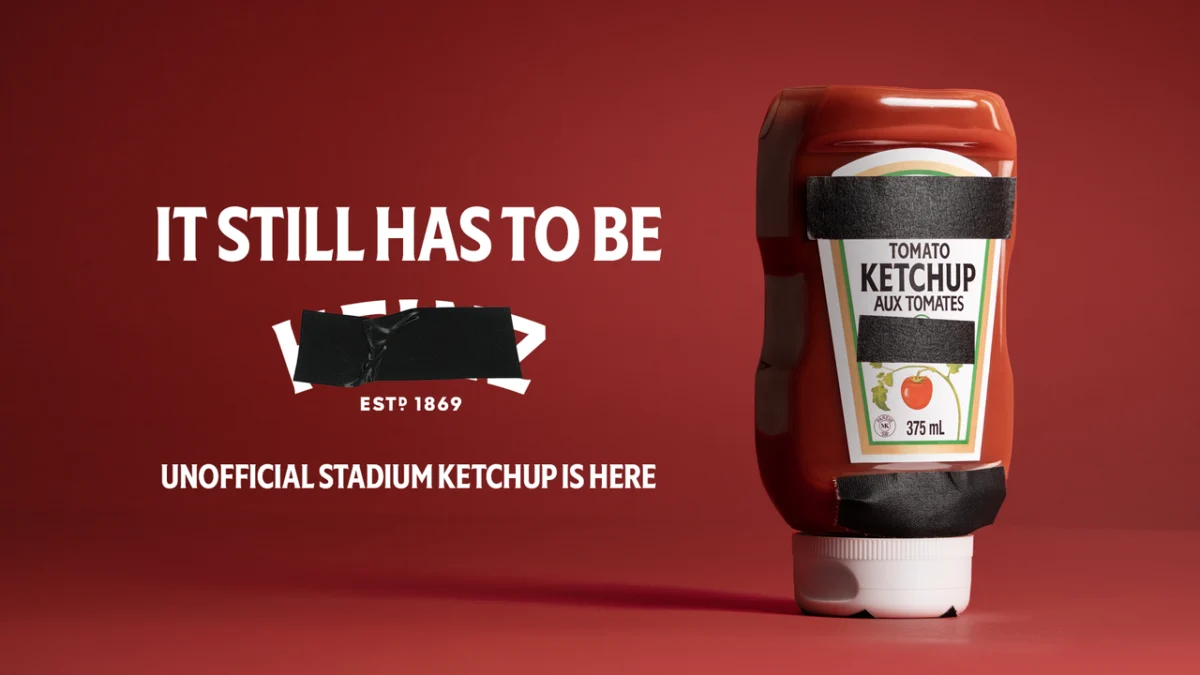
The global spectacle of the World Cup, a pinnacle of sporting achievement, is as much a battleground for brand visibility as it is for athletic supremacy. With its immense reach and fervent global audience, the tournament commands astronomical sponsorship fees and enforces stringent rules to protect its official partners. Yet, in a fascinating turn of events, several non-sponsoring brands are demonstrating an ingenious ability to circumvent these restrictions, turning forced logo blackouts into highly effective, viral marketing campaigns. This trend highlights the evolving dynamics of brand engagement in a hyper-connected world, where creativity and consumer sentiment can sometimes outmaneuver traditional advertising might.
Main Facts: A Masterclass in Guerrilla Marketing
The narrative began to unfold as eagle-eyed observers noted instances of prominent brand logos being obscured at stadiums hosting World Cup-related events. While not directly FIFA World Cup venues, these stadiums, such as Toronto’s BMO Field (referred to in the article as Toronto Stadium) or Boston’s Gillette Stadium, are nonetheless part of the broader football ecosystem that draws heightened attention during the tournament. To maintain compliance with FIFA’s strict "clean stadium" policies and protect official sponsors, non-affiliated brands found their signage taped over, covered, or otherwise rendered invisible.
However, instead of fading into the background, these brands have responded with remarkable ingenuity, transforming a restrictive measure into a powerful marketing opportunity. Among the most notable examples are:
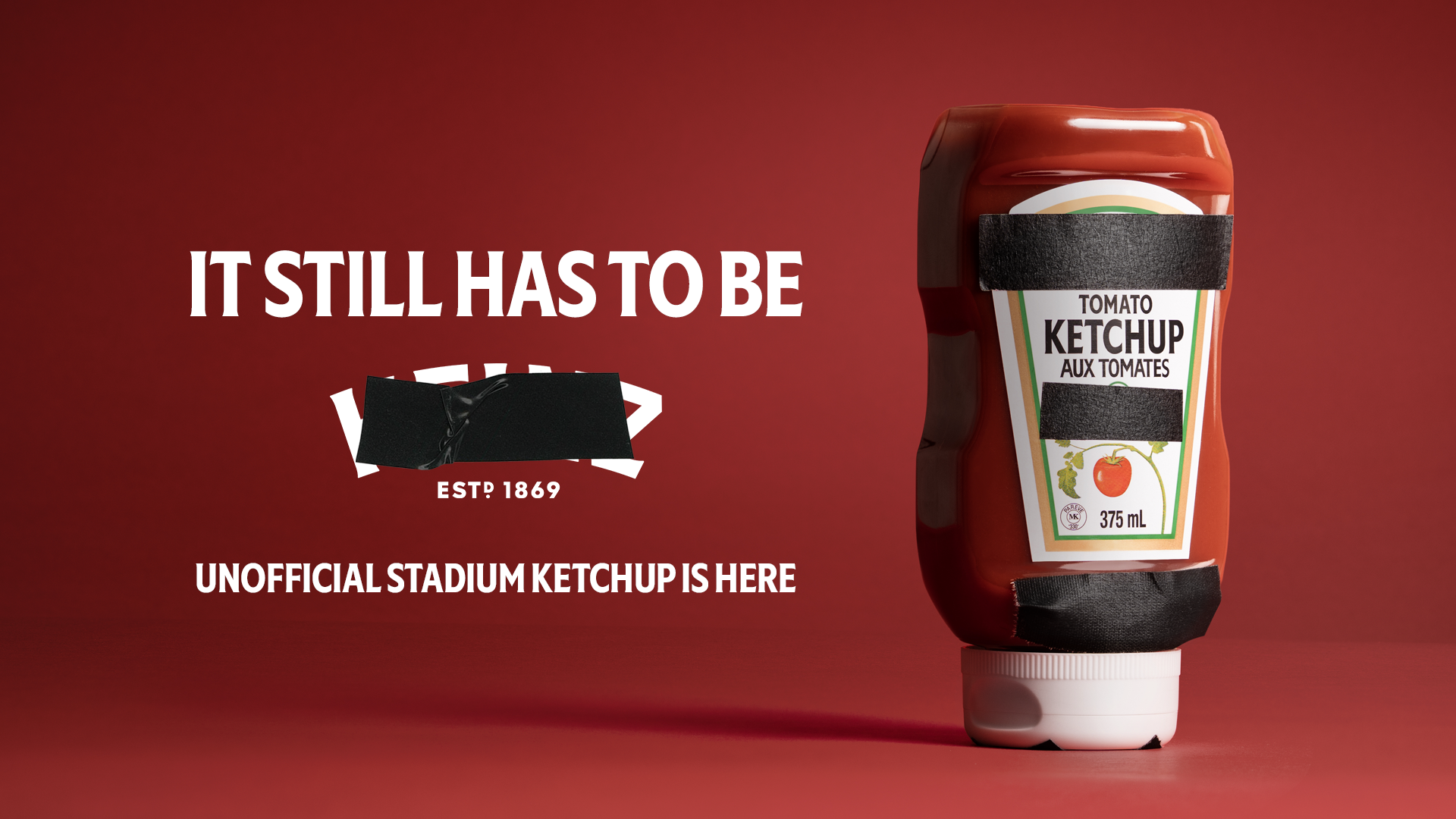
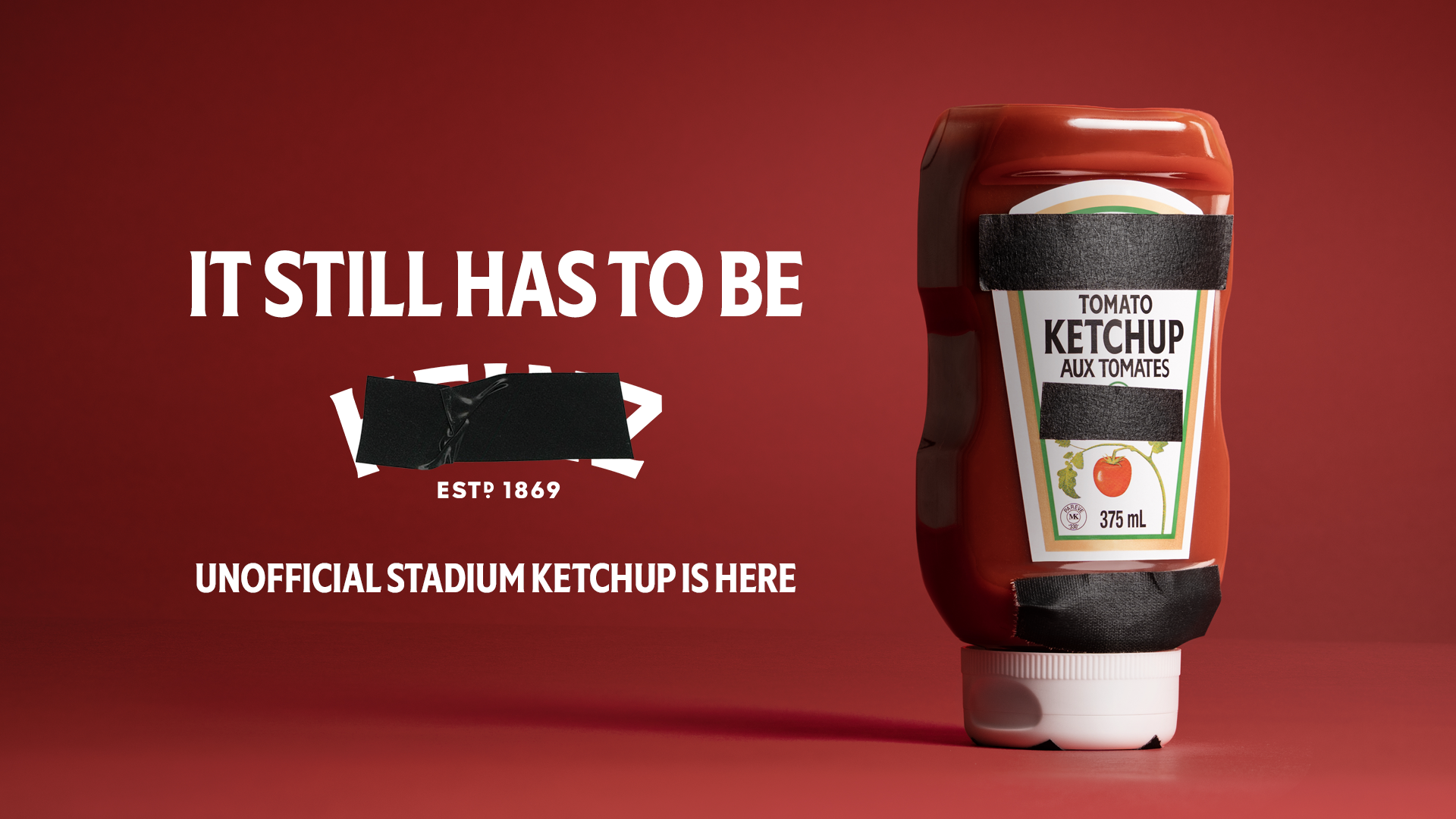
- Heinz Canada’s "Unofficial Stadium Ketchup": When the iconic Heinz branding was blacked out at venues, the company launched a special edition "Unofficial Stadium Ketchup." The product label itself featured a conspicuous black bar where the "Heinz" name would typically be, replaced by the slogan "It still has to be." This playful acknowledgment of the forced obscurity resonated deeply with consumers, turning a potential setback into a moment of shared humor and brand affirmation.
- Levi’s Ingenious Cover-Up: Another prominent brand, Levi’s, reportedly found a clever way to obscure its logo at a World Cup stadium. While the exact method isn’t detailed, the implication is a creative solution that drew attention to the absence of the logo, thereby making its presence felt even more strongly. This tactic leverages brand recognition through its distinctive visual elements, even when the name itself is hidden.
- Gillette’s Foamy Facade: At Boston’s Gillette Stadium, the brand found its name covered, presumably to align with World Cup regulations for events or broadcasts. In a stroke of marketing brilliance, Gillette responded by covering its own logo with a large, artfully crafted "fake foam" installation. This visual gag not only concealed the logo but did so in a manner intrinsically linked to Gillette’s core product – shaving foam – thus reinforcing brand identity through the very act of its concealment.
These campaigns share a common thread: they embrace the restriction rather than fighting it directly. By acknowledging the "blackout" in a humorous and self-aware way, these brands invite consumers into a clever inside joke, fostering a sense of camaraderie and significantly boosting their cultural relevance.
Chronology of a Clever Trend: From Blackout to Breakthrough
The emergence of this trend can be traced to the stringent enforcement of World Cup sponsorship rules, which are designed to create a "clean zone" around the tournament, ensuring that only official partners benefit from association. This policy typically extends beyond the immediate World Cup venues to other significant football stadiums and associated events during the tournament period.
Initial Enforcement (Pre-Tournament/Early Stages): As preparations for the World Cup ramped up, venue operators, keen to avoid penalties from FIFA or other organizing bodies, began implementing the "clean stadium" policies. This involved physically covering or removing any branding from companies not officially sponsoring the event. For established brands like Heinz, Levi’s, and Gillette, whose names are often integrated into stadium names or permanent fixtures, this meant their iconic logos were obscured.
Brand Counter-Response (During Tournament): The real story began when these affected brands started rolling out their creative counter-campaigns. It’s plausible that these responses were developed rapidly, capitalizing on the real-time visual of their obscured logos.
- Levi’s and Gillette (Early Adopters): While the article doesn’t give precise dates, the mention of Levi’s preceding Heinz suggests it might have been one of the earlier, more widely recognized instances of this tactic. Gillette’s "fake foam" at its namesake stadium likely followed soon after, demonstrating a quick, localized response. These initial acts likely served as inspiration or proof of concept for others.
- Heinz Canada’s "Unofficial Stadium Ketchup" (Momentum Builder): Heinz Canada’s campaign, with its tangible product and clear messaging, arguably took the concept to a new level. By creating a physical product that mirrored the on-site blackouts, Heinz amplified the message beyond mere signage, making it a shareable, collectible item. This move garnered significant media attention and social media buzz, solidifying the trend.
The rapid succession of these campaigns suggests a collective realization among non-sponsoring brands that the restrictions, rather than being a hindrance, could be leveraged as a unique platform for engagement. This near-simultaneous deployment of similar strategies points to a shared understanding of consumer psychology and the power of witty, responsive marketing in the digital age.
Supporting Data: The Intangible Metrics of Viral Success
While precise financial data on these campaigns is not readily available, the "overwhelmingly positive" social media response alluded to in the original article offers compelling qualitative data, which, in the realm of modern marketing, often translates into significant tangible benefits.
Social Media Resonance: The immediate and enthusiastic reception on platforms like Instagram, as noted, ("Are these seriously being released? I want one!" and "This is so so so so clever") speaks volumes. This isn’t just passive viewing; it’s active engagement, desire, and commendation. Key metrics that would likely soar include:
- Engagement Rate: Likes, comments, shares, and saves on posts related to these campaigns would be exceptionally high, indicating deep audience interaction.
- Reach and Impressions: The virality of such clever tactics ensures exponential reach, as users share the content with their networks, leading to millions of impressions beyond paid media.
- Sentiment Analysis: Automated tools would likely register overwhelmingly positive sentiment, characterized by terms like "clever," "brilliant," "genius," and "love it," signaling strong emotional connection.
- User-Generated Content (UGC): Consumers would likely create their own content, showcasing the "Unofficial Stadium Ketchup" or mimicking the cover-up tactics, further amplifying the campaign organically.
Brand Equity and Recognition: Perhaps the most significant "data" point is the reinforcement of brand equity. The fact that "The bottle is still unmistakably Heinz, just proving the power of good branding" is a critical insight. These campaigns don’t just generate buzz; they deepen brand recognition and affection.
- Distinctive Brand Assets: Heinz’s iconic bottle shape, red and white label, and even the general typography are so ingrained in consumer minds that the absence of the name "Heinz" doesn’t diminish identification. Similarly, Levi’s red tab and arcuate stitching, or Gillette’s association with shaving, are powerful visual cues. These campaigns serve as a testament to the strength of these distinctive brand assets, demonstrating their ability to convey identity even in the face of literal censorship.
- Affinity and Loyalty: By engaging in playful defiance, these brands position themselves as relatable, witty, and on the side of the consumer who might also chafe at overly strict rules. This fosters a deeper sense of affinity and loyalty, potentially translating into increased purchasing intent.
Cost-Effectiveness and ROI: Compared to the hundreds of millions (or even billions) required for official World Cup sponsorship, these "guerrilla" tactics are incredibly cost-effective. The primary investment is in creative strategy and potentially limited-edition product runs. The return on investment (ROI) in terms of earned media, social media engagement, and brand goodwill could arguably surpass that of some official sponsorships, especially for brands whose target audience appreciates clever, non-conformist messaging. This presents a compelling alternative model for brands seeking to connect with global event audiences without breaking the bank.
Official Responses: FIFA’s Dilemma and Future Considerations
The original article pointedly asks, "I wonder if Fifa will think about that for the next World Cup, and what its response will be." This question delves into the complex legal and commercial landscape of major sporting events.
FIFA’s Current Stance: FIFA, like other major sports organizations (e.g., the IOC for the Olympics), maintains strict rules against "ambush marketing" – the practice of non-sponsors associating themselves with an event to gain publicity. These rules are crucial for protecting the value proposition offered to official sponsors, who pay exorbitant fees for exclusive rights. The current strategy of covering logos is a direct enforcement of these rules.
Challenges for FIFA: The recent wave of creative counter-campaigns presents a unique challenge for FIFA:
- Defining Ambush Marketing: While traditional ambush marketing involves explicit attempts to associate with the event (e.g., ads featuring football imagery without permission), these campaigns are subtler. They react to FIFA’s own actions (the blackout) rather than proactively associating with the World Cup. This makes it harder to legally define and combat them as "ambush marketing."
- Public Perception: Taking aggressive action against a brand like Heinz for a witty, self-deprecating campaign could backfire spectacularly. Public sentiment is overwhelmingly positive towards these brands, viewing them as clever underdogs. Any heavy-handed response from FIFA could be perceived as corporate bullying, damaging its own brand image and alienating fans.
- Enforcement Feasibility: How would FIFA realistically "ban" a ketchup bottle with a blacked-out label, or a foam installation that covers a stadium name? The creativity lies in sidestepping direct association with the event while still making a brand statement.
Potential Future Responses from FIFA:
- Refined Sponsorship Contracts: FIFA might need to update its contracts with official sponsors, perhaps including clauses that address reactive campaigns by non-sponsors or offering more robust protection mechanisms.
- Pre-emptive Measures: It could instruct venues to not just cover logos, but to replace them with generic branding or official sponsor logos, thus removing the "blank canvas" that brands are currently exploiting. However, this could be costly and complex.
- Public Relations Strategy: FIFA might attempt to counter the narrative through its own PR, emphasizing the importance of official sponsorships for funding the tournament and grassroots football.
- Engagement (Less Likely): A highly unlikely but intriguing possibility could be for FIFA to somehow integrate this phenomenon into its own marketing, perhaps by humorously acknowledging the cleverness of these brands, though this would contradict its core sponsorship model.
Official Sponsors’ Perspective: The official sponsors, who have paid a premium for exclusivity, are likely observing this trend with mixed feelings. While they might appreciate the overall buzz around the World Cup, the effectiveness of these "rebel" campaigns could dilute the perceived value of their own sponsorships. They might pressure FIFA for stronger enforcement or for clearer differentiation strategies in future tournaments.
Implications: Reshaping the Landscape of Brand Marketing and Sports Sponsorship
The ingenious tactics employed by Heinz, Levi’s, and Gillette carry significant implications for the future of brand marketing, particularly within the highly regulated realm of major sports events.
1. The Enduring Power of Brand Identity Beyond Logos:
These campaigns underscore that true brand strength lies not just in a logo, but in a combination of distinctive assets, established reputation, and consumer perception. When a brand is so deeply ingrained in the public consciousness, its absence can become a powerful presence. This pushes marketers to think beyond mere visibility and focus on holistic brand experience and recognition cues.
2. The Rise of Responsive and Agile Marketing:
The speed and creativity with which these brands responded to imposed restrictions demonstrate the increasing importance of agile marketing. In a fast-paced digital world, brands that can react quickly and wittily to real-time events, even adverse ones, stand to gain significant cultural currency. This demands flexible creative teams and quick decision-making processes.
3. The Ambush Marketing Renaissance:
While not traditional ambush marketing, these strategies represent a sophisticated evolution of the concept. They are less about direct association and more about meta-commentary on the rules themselves. This "responsive ambush" could inspire other non-sponsoring brands to seek out similar opportunities, forcing event organizers to continually innovate their protection strategies. It shifts the battleground from direct advertising to clever, context-aware communication.
4. Shifting Dynamics of Sports Sponsorship:
The efficacy of these low-cost, high-impact campaigns raises critical questions about the future value proposition of multi-million dollar official sponsorships. If non-sponsors can achieve comparable or even superior brand engagement through clever, reactive tactics, how will major sporting bodies justify the astronomical fees to their official partners? This could lead to a re-evaluation of sponsorship packages, potentially incorporating new forms of digital rights or more robust exclusivity clauses. It might also push official sponsors to be even more creative in leveraging their rights.
5. The Consumer as an Active Participant:
The success of these campaigns hinges on consumer appreciation for the wit and defiance. Consumers are not just passive recipients of advertising; they are active participants, sharing, commenting, and amplifying messages they find engaging. Brands that involve consumers in an "inside joke" or a shared moment of cleverness build stronger, more authentic relationships. This trend reaffirms the power of user-generated content and the viral nature of compelling storytelling.
6. Ethical Considerations and the Spirit of Competition:
While clever, these campaigns do operate in a grey area, arguably undermining the spirit of fair play in sponsorship agreements. For FIFA, the challenge is to balance protecting its commercial partners with avoiding a PR backlash. For brands, the question is how far they can push the boundaries of "clever" without crossing into "unethical" or "aggressive" territory in the eyes of organizers or even some consumers.
In conclusion, the World Cup’s stringent sponsorship rules have inadvertently birthed a new frontier in brand marketing. Brands like Heinz, Levi’s, and Gillette are not just adapting to restrictions; they are creatively subverting them, proving that in the digital age, a well-placed joke or a self-aware blackout can be more impactful than the most expensive billboard. This trend serves as a powerful reminder that in the battle for consumer attention, ingenuity, relevance, and a dash of playful rebellion can often triumph over brute force and traditional advertising spend. The next World Cup will undoubtedly be watched not just for the goals scored on the pitch, but also for the marketing plays happening off it.
 Evan Lee Salim
  Nana
Nana  Ammar Sabilarrohman