
 By Nila Kartika Wati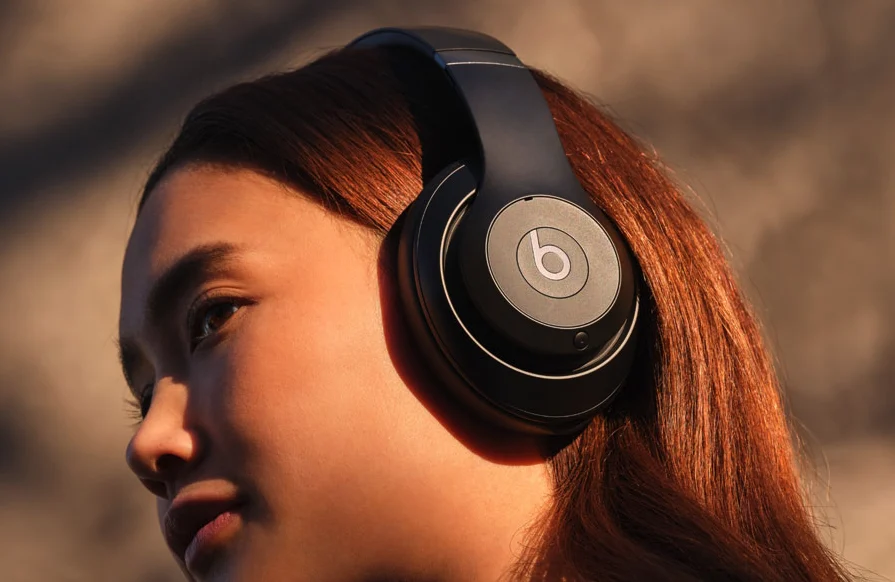
CUPERTINO, CA – In a striking development for audiophiles and budget-conscious consumers alike, Beats by Dr. Dre, a subsidiary of Apple, has seen its acclaimed Beats Studio Pro Premium wireless headphones drop to an astonishing price of $169.95 on Amazon. This dramatic markdown, representing more than a 50% discount from their original retail price of $349.99, comes at a pivotal moment, closely following the rumored launch of Apple’s next-generation AirPods Max 2, which are expected to retain a premium price tag upwards of $549. The significant price disparity not only positions the Beats Studio Pro as an exceptionally compelling value proposition but also intensifies the ongoing debate about the affordability and perceived "Apple tax" in the high-end audio market. This strategic pricing move by a major retailer on a key Apple-owned product highlights a potential shift in consumer accessibility to premium audio features, challenging the notion that top-tier sound must always come with an exorbitant cost.
Main Facts: A Deep Dive into the Discounted Premium
The core of this news revolves around an extraordinary deal that has surfaced for the Beats Studio Pro Premium wireless headphones. Originally priced at a substantial $349.99, these over-ear headphones are currently available on Amazon for an unprecedented $169.95. This isn’t merely a modest reduction; it’s a colossal 51% price cut, effectively slashing the cost by over $180. For consumers eyeing high-quality audio experiences without emptying their wallets, this deal represents a rare opportunity to acquire a product from Apple’s ecosystem at a fraction of the typical premium associated with the brand.
This development gains particular traction when juxtaposed with Apple’s own AirPods Max 2. While the exact retail price for the anticipated second iteration of the AirPods Max remains subject to official confirmation, its predecessor commanded a hefty $549. Given Apple’s consistent pricing strategy for its flagship devices, it is widely expected that the AirPods Max 2 will maintain a similar, if not higher, price point. The contrast is stark: a premium, feature-rich headphone from an Apple-owned brand is now available for roughly one-third the cost of Apple’s own direct competitor.
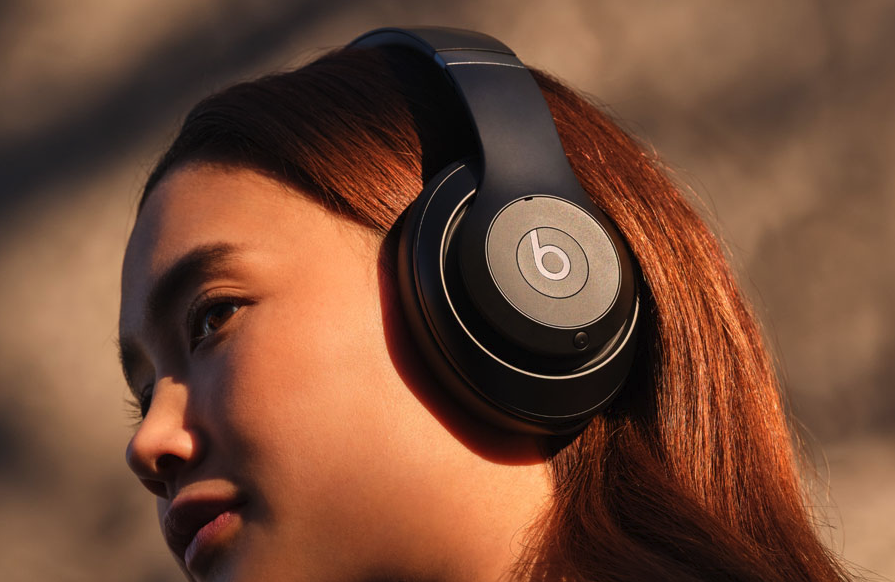
The Beats Studio Pro are far from a budget offering. They boast a comprehensive suite of features designed to deliver a high-fidelity listening experience. Key among these are powerful active noise cancellation (ANC), which effectively silences ambient distractions, and a transparency mode for when users need to remain aware of their surroundings. Audio quality is further enhanced by personalized Spatial Audio with dynamic head tracking, a feature traditionally reserved for Apple’s higher-end AirPods line, offering an immersive, theater-like sound experience. Connectivity is robust, supporting both Apple’s ecosystem and Android devices with Class 1 Bluetooth, and they offer up to 40 hours of listening time on a single charge, a significant advantage for extended use. Furthermore, the inclusion of USB-C audio and lossless audio support via USB-C or 3.5mm jack caters to audiophiles seeking the purest sound reproduction. The design emphasizes comfort with soft ear cushions and an adjustable headband, making them suitable for prolonged wear.
This aggressive pricing strategy on the Beats Studio Pro effectively democratizes access to advanced audio technology. It allows a broader demographic of consumers to experience features like high-performance ANC and Spatial Audio that were once exclusive to products in a significantly higher price bracket. For many, the $549+ price tag of the AirPods Max 2 is simply unattainable or unjustifiable, regardless of their perceived quality. The Beats Studio Pro deal provides an elegant workaround, offering a near-premium experience without the prohibitive cost, thereby broadening the appeal of Apple’s broader audio portfolio. This move could potentially disrupt consumer purchasing habits, steering those who might have aspired to AirPods Max towards the more accessible, yet still high-performing, Beats Studio Pro.
Chronology: The Evolution of Premium Audio and Apple’s Dual Strategy
The journey to this current market dynamic is rooted in the strategic evolution of both Beats and Apple’s presence in the audio landscape.
The Rise of Beats by Dr. Dre (2006-2014):
Founded by legendary music producer Dr. Dre and record executive Jimmy Iovine in 2006, Beats Electronics quickly revolutionized the headphone market. Their initial success was built on a bold aesthetic, celebrity endorsements, and a distinct sound profile characterized by emphasized bass. Beats headphones became a cultural phenomenon, synonymous with style and a particular kind of immersive, powerful audio, especially popular among younger demographics and music enthusiasts. By the early 2010s, Beats had carved out a significant niche, proving that headphones could be both a fashion statement and a high-performance audio device.
Apple’s Acquisition of Beats (2014):
In a landmark deal valued at approximately $3 billion in 2014, Apple acquired Beats Electronics. This acquisition was multifaceted in its strategic importance. Firstly, it brought Jimmy Iovine and Dr. Dre’s musical expertise and industry connections into Apple, which was crucial for the eventual launch of Apple Music. Secondly, it provided Apple with an established, cool, and youth-oriented audio hardware brand, immediately bolstering its presence in the premium headphone market without having to build one from scratch. While Apple already had its EarPods, they lacked the premium cachet and advanced features of over-ear headphones. The acquisition allowed Apple to maintain a diversified audio portfolio, with Beats targeting a slightly different aesthetic and user base compared to what Apple would eventually develop internally.
The Advent of AirPods Max (2020):
After years of refining its true wireless earbud technology with the wildly successful AirPods line, Apple made a decisive entry into the high-end over-ear headphone market with the launch of the AirPods Max in December 2020. Priced at $549, these headphones were designed as a direct competitor to established premium players like Bose and Sony. They showcased Apple’s proprietary H1 chip technology, deep integration with the Apple ecosystem, exceptional build quality, and advanced features like Adaptive EQ, Spatial Audio, and industry-leading Active Noise Cancellation. The AirPods Max were positioned as the ultimate expression of Apple’s audio engineering prowess, albeit at a price point that limited their appeal to a specific segment of the market.
Introduction of Beats Studio Pro (2023):
The Beats Studio Pro, launched in 2023, represent a refined evolution of the Beats Studio line, now fully integrated with Apple’s technological advancements while maintaining Beats’ distinctive identity. These headphones were designed to bridge the gap between Beats’ classic appeal and Apple’s modern audio features. They incorporated many of the coveted functionalities found in AirPods Max, such as personalized Spatial Audio and enhanced ANC, but at a more accessible price point than Apple’s flagship over-ears. The Studio Pro also embraced modern connectivity with USB-C, appealing to a broader user base beyond strict Apple loyalists, and supported lossless audio, signaling a commitment to high-fidelity sound. They served as a testament to Apple’s strategy of maintaining two distinct, yet technologically aligned, audio brands.
The Current Market Context and AirPods Max 2 (Rumored 2024):
The timing of the Beats Studio Pro deal is particularly noteworthy given the strong industry buzz and leaks surrounding the imminent launch of the AirPods Max 2. While Apple has yet to officially unveil the second generation, expectations are high for improvements in battery life, possibly updated H2 chips for enhanced audio processing, and potentially new colors, but crucially, a price point that is unlikely to deviate significantly from its predecessor. This makes the discounted Beats Studio Pro an immediate and highly attractive alternative, arriving precisely when consumers might be contemplating an upgrade or entry into the premium headphone market, offering a compelling value proposition against the backdrop of Apple’s latest, and undoubtedly expensive, offering. This chronological progression reveals a calculated dual-brand strategy by Apple, where Beats often serves as the more accessible, yet still premium, entry point into their advanced audio ecosystem.
Supporting Data: Market Trends, Performance, and the Value Equation
To fully appreciate the significance of the Beats Studio Pro deal, it’s essential to examine the broader market trends, performance benchmarks, and the intricate value equation at play.
Growth in the Premium Audio Market:
The premium audio market has witnessed sustained growth over the past few years, fueled by several factors. The global shift towards remote work and learning has amplified the demand for high-quality headphones with effective Active Noise Cancellation (ANC). Consumers are increasingly prioritizing immersive listening experiences, whether for music, podcasts, or video calls. Moreover, a growing appreciation for lossless audio and spatial sound technologies has driven interest in devices capable of delivering these advanced features. Reports from market research firms like Grand View Research and Statista consistently point to a compound annual growth rate (CAGR) for the headphone market, with the premium segment showing particular resilience and innovation. This growth has intensified competition, prompting manufacturers to continuously innovate and, at times, adjust pricing strategies to capture market share.
Competitive Landscape:
Beyond Apple and Beats, the premium over-ear headphone segment is fiercely competitive, populated by industry titans such as Sony (WH-1000XM5), Bose (QuietComfort Ultra Headphones), and Sennheiser (Momentum 4 Wireless). These brands consistently vie for supremacy in areas like ANC performance, sound fidelity, battery life, and comfort. Their flagship models typically range from $350 to $450, positioning the Beats Studio Pro at its original $349.99 squarely within this competitive bracket. However, at its discounted price of $169.95, the Studio Pro significantly undercuts all major competitors’ premium offerings, making it an undeniable value leader. This aggressive pricing forces competitors to re-evaluate their own market positioning and potential promotional strategies.
Consumer Spending Habits and the "Apple Tax":
Consumer willingness to invest in premium audio products is often tied to perceived value, brand loyalty, and the integration with existing technology ecosystems. Apple products, while highly desirable for their seamless integration, intuitive user experience, and robust performance, often come with a premium price tag commonly referred to as the "Apple tax." This refers to the higher cost of Apple devices compared to functionally similar products from other brands, attributed to Apple’s brand prestige, design excellence, and proprietary ecosystem. While many consumers are willing to pay this premium for iPhones, Macs, and even standard AirPods, the $549 price point for the AirPods Max has proven to be a significant barrier for a large segment. The Beats Studio Pro, being an Apple subsidiary, benefits from much of Apple’s R&D and integration capabilities but historically aims for a slightly more accessible price point, mitigating some of the "Apple tax" for those seeking premium features without the absolute top-tier cost.
Reviewer Consensus on Beats Studio Pro:
Across numerous tech publications and audiophile communities, the Beats Studio Pro have garnered generally positive reviews since their launch. Critics frequently laud their improved sound profile, which offers a more balanced and refined experience compared to older Beats models, while still retaining a punchy bass. The effectiveness of the Active Noise Cancellation is consistently praised, often cited as competitive with, if not superior to, many rivals in its original price bracket. Spatial Audio with dynamic head tracking is highlighted as a significant enhancement, providing an immersive listening experience. Other strong points include solid battery life (up to 40 hours without ANC), comfortable design, and versatile connectivity options including USB-C for charging and audio, and the 3.5mm jack for traditional wired listening. The ability to switch between Apple and Android ecosystems seamlessly is also a notable advantage.
Reviewer Consensus on AirPods Max:
Conversely, reviews of the original AirPods Max (and expectations for the Max 2) consistently highlight their exceptional sound quality, superior build materials (aluminum earcups), and deep integration with the Apple ecosystem, thanks to the H1/H2 chip. Features like Adaptive EQ, which adjusts sound in real-time based on fit and seal, and industry-leading ANC, are often cited as benchmarks. However, the overwhelming consensus across virtually all reviews is that the $549 price tag is the single biggest impediment to a widespread recommendation. Many reviewers conclude that while the AirPods Max are "obviously good" in terms of performance and luxury, their value proposition is severely diminished by the cost, especially when compared to excellent alternatives from Sony or Bose that offer comparable performance for significantly less. This sentiment, directly echoed in the original article’s brief mention, underscores why the Beats Studio Pro deal is so impactful – it offers a powerful counter-narrative to the high-cost premium audio segment.
Official Responses: Navigating Corporate Strategy and Retailer Dynamics
While direct "official responses" to specific price drops from manufacturers are rare, we can infer the corporate strategies and retail dynamics that lead to such significant discounts.
Apple/Beats’ Implicit Strategy:
Apple’s acquisition of Beats was never solely about eliminating a competitor; it was about diversifying its audio hardware portfolio and extending its reach. Beats has consistently served as a more youth-oriented, fashion-forward brand within the Apple ecosystem, often adopting Apple’s core technologies (like W1/H1/H2 chips for seamless pairing) but packaging them in a distinct design language and at slightly more accessible price points than Apple’s own branded AirPods. The existence of both AirPods Max and Beats Studio Pro reflects a deliberate market segmentation strategy. Apple likely aims for AirPods Max to be the aspirational, no-compromise luxury choice, while Beats Studio Pro caters to a broader audience seeking premium features and Apple ecosystem benefits without the absolute top-tier investment. Official statements from Beats around the Studio Pro’s launch emphasized its upgraded audio, powerful ANC, and spatial audio capabilities, positioning it as a competitive offering in the premium space. Apple, as the parent company, benefits from sales across both brands, ensuring that consumers who might balk at the AirPods Max price still remain within their audio hardware family through Beats. Promotional sales like the current Amazon deal, while executed by the retailer, often align with a manufacturer’s lifecycle management, inventory adjustments, or broader market strategy to stimulate demand and maintain brand visibility, especially during competitive periods or leading up to new product cycles.
Retailer Perspective (Amazon):
For a retailer like Amazon, aggressive pricing on popular tech products is a cornerstone of their business model. Such deals serve multiple purposes:
- Customer Acquisition and Loyalty: Deep discounts attract new customers to the platform and reward existing loyal shoppers.
- Market Share Dominance: By offering unbeatable prices, Amazon can temporarily monopolize sales for a particular product, drawing traffic away from competitors.
- Inventory Management: While not explicitly stated, significant price drops can sometimes be a strategy to clear existing inventory, especially as newer models (like the rumored AirPods Max 2) approach release, or to make way for new product batches.
- Promotional Events: These deals often coincide with broader promotional events, seasonal sales (e.g., Black Friday, Cyber Monday, Prime Day equivalents), or simply competitive price matching. Amazon’s sophisticated pricing algorithms constantly monitor competitor pricing and market demand, adjusting prices dynamically to maintain a competitive edge. The sheer scale of Amazon’s operations allows it to absorb smaller margins on individual products, compensating with volume sales and the overall ecosystem of services it offers.
Analyst Commentary:
Industry analysts frequently comment on Apple’s dual-brand audio strategy. Many view it as a shrewd move to capture different segments of the market. Analysts from firms like Counterpoint Research or Canalys often highlight that while AirPods Max targets the absolute premium and luxury segment, Beats fills the "premium-for-less" niche, offering high-quality audio and Apple integration at a more accessible price point. This segmentation minimizes cannibalization and maximizes Apple’s overall market share in the headphone category. The current deal on the Beats Studio Pro is likely seen by analysts as a strategic push to invigorate sales, particularly in anticipation of the AirPods Max 2, ensuring that consumers have a clear, high-value alternative within the Apple family. They might also interpret it as a response to the intense competition from other brands offering excellent ANC headphones at increasingly competitive prices, forcing Apple/Beats to play a more aggressive pricing game through its retail partners.
Implications: Reshaping Consumer Choices and Market Dynamics
The significant price drop for the Beats Studio Pro carries substantial implications for consumers, Apple’s overarching strategy, and the broader competitive landscape of the premium headphone market.
For Consumers:
The most immediate and profound implication is the enhanced accessibility of premium audio technology. For years, features like top-tier active noise cancellation, spatial audio, and seamless device integration were either prohibitively expensive or locked into specific ecosystems at high price points. This deal democratizes these experiences, making them available to a much wider audience who might have previously settled for mid-range options or simply done without. This creates a compelling dilemma for consumers, particularly loyal Apple users: invest in the ultra-premium AirPods Max 2, or opt for the significantly more affordable, yet still highly capable, Beats Studio Pro. The value proposition of the Beats Studio Pro at $169.95 becomes incredibly difficult to ignore, potentially shifting purchasing decisions away from the higher-priced Apple-branded alternative. It also empowers consumers to demand more value from premium products, as a high-quality, feature-rich option now exists at a substantially lower price point. However, consumers should also be aware that such aggressive deals are often time-limited or subject to stock availability, creating a sense of urgency.
For Apple’s Strategy:
This aggressive pricing on Beats Studio Pro raises interesting questions about Apple’s internal market segmentation. Does the deeply discounted Beats product cannibalize potential AirPods Max sales? While the two products target slightly different aesthetics and user preferences, their functional overlap in key areas like ANC and Spatial Audio is considerable. Apple’s strategy appears to be one of comprehensive market coverage: offer a top-tier, luxury product (AirPods Max) and a slightly more accessible, yet still premium, alternative (Beats Studio Pro) under the same corporate umbrella. This ensures that regardless of a consumer’s budget in the premium segment, they are likely to choose a product within the Apple family, reinforcing the ecosystem. It also allows Apple to experiment with different design philosophies and target different demographics without diluting the core Apple brand image. The deal could also be a strategic move to clear inventory ahead of new product cycles or to maintain sales momentum for Beats in a fiercely competitive market, ensuring the brand remains relevant and desirable.
For the Competition:
The Beats Studio Pro deal puts immense pressure on other premium headphone manufacturers like Sony, Bose, and Sennheiser. When a product from an Apple subsidiary, boasting comparable features, drops to a price point significantly below their own flagship models (which typically retail for $350-$450), it forces competitors to re-evaluate their pricing strategies and value propositions. They may need to offer more aggressive discounts, enhance their product features, or highlight unique selling points more effectively to remain competitive. This could lead to a healthy downward pressure on premium headphone prices across the board, benefiting consumers in the long run. The continuous innovation and aggressive pricing from Apple and its subsidiaries ensure that the market remains dynamic and competitive, pushing all players to deliver better products at better value.
Long-Term Outlook for Beats:
The Beats brand continues to evolve under Apple’s stewardship. Far from being phased out, Beats appears to be cemented as Apple’s slightly edgier, more versatile, and often more accessible premium audio brand. Its integration with Apple’s core technologies, coupled with its distinct identity, allows it to thrive alongside AirPods. The Beats Studio Pro, with its USB-C audio and broader device compatibility, also positions Beats as a bridge for non-Apple users who are curious about the quality of Apple-backed audio without committing fully to the Apple ecosystem. This strategy suggests that Beats will continue to be a vital part of Apple’s overall audio hardware strategy, serving as an innovation hub and a crucial entry point for consumers seeking premium sound at a more attainable price. This current deal is not an isolated event but rather a clear signal of Beats’ ongoing role in Apple’s multifaceted approach to dominating the global audio market.
 Evan Lee Salim
  Nana
Nana  Ammar Sabilarrohman