
 By Siti Muinah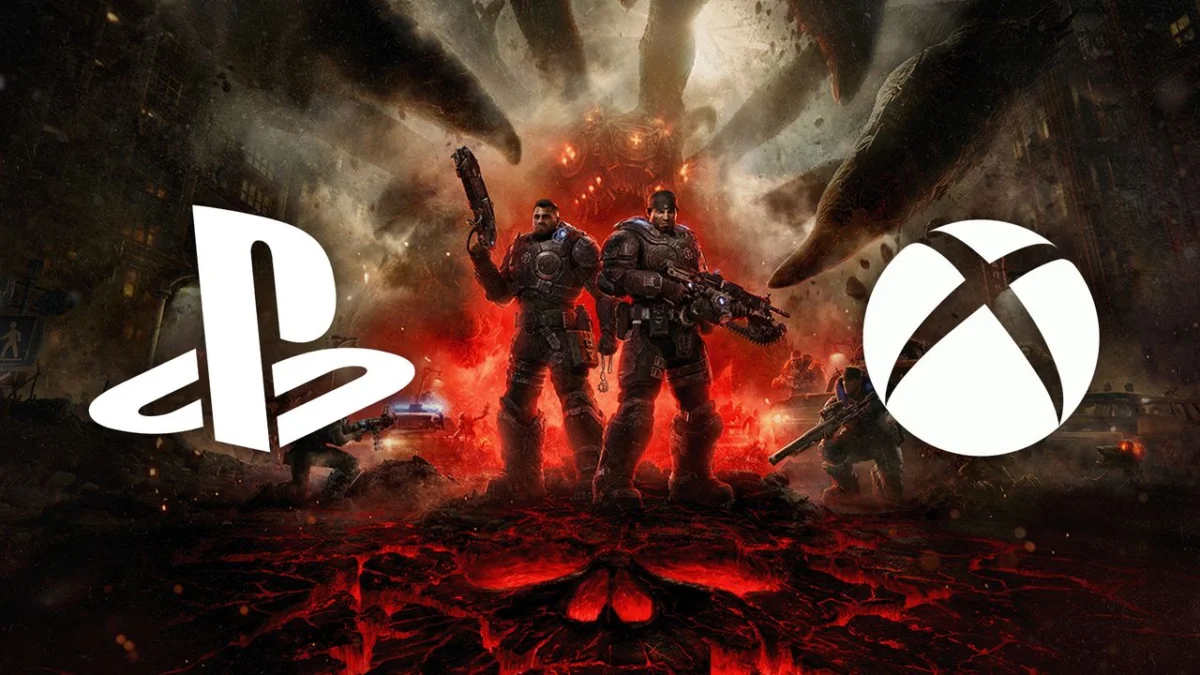
Redmond, WA – In an industry fiercely defined by brand loyalty and exclusive content, a recent series of marketing missteps by Xbox has ignited a fervent debate among gamers and industry observers alike. What began as fan consternation over the inclusion of PlayStation 5 logos in advertisements for cross-platform titles during Xbox’s annual showcase escalated into a bizarre and embarrassing gaffe involving a flagship Xbox-exclusive game, Gears of War: E-Day. The incident has not only prompted swift admissions of error from Xbox leadership but has also cast a spotlight on the delicate balance between platform transparency and brand identity in the ongoing "console wars."
The controversy underscores the emotional investment of dedicated fanbases and the stringent scrutiny under which major gaming companies operate. While Xbox leadership has attempted to quell the uproar, the peculiar appearance of a rival console’s branding on its own exclusive content has sparked theories, humor, and a renewed focus on the perceived inconsistencies in industry marketing practices.
The Genesis of the Controversy: Xbox’s Annual Showcase Sparks Outcry
The initial tremors of discontent emerged following the highly anticipated Xbox Games Showcase, a pivotal event where Microsoft unveils its upcoming lineup of titles. As game trailers and announcements rolled out, eagle-eyed Xbox enthusiasts began to notice a recurring element on the title cards promoting multi-platform releases: the distinct PlayStation 5 logo alongside Xbox branding. Games like the much-anticipated Fable were shown with both logos, signaling their availability on both platforms.
For many Xbox fans, this inclusion was not a gesture of cross-platform goodwill but rather a perceived slight. The core of their argument stemmed from a widely observed industry practice: Sony, Xbox’s primary competitor, rarely, if ever, extends the same courtesy in its own marketing presentations. When Sony promotes a multi-platform game during a PlayStation showcase, the focus is almost exclusively on the PlayStation versions, often omitting any mention or visual representation of its availability on Xbox or other systems. This perceived lack of reciprocity fueled a sense of frustration and even betrayal among segments of the Xbox fanbase, who felt their platform was being undermined by its own corporate parent.
Social media platforms quickly became a battleground for this new front in the console wars. Threads on Reddit, X (formerly Twitter), and various gaming forums buzzed with discussions ranging from genuine confusion to outright anger. Fans argued that displaying the PS5 logo during an Xbox-centric event diluted the brand message, diminished the perceived value of their chosen console, and inadvertently promoted a competitor. The sentiment was clear: if Sony wouldn’t promote Xbox, why should Xbox promote Sony?
Official Acknowledgment and the "Miss"
In the immediate aftermath of the showcase, the backlash did not go unnoticed by Xbox leadership. Asha Sharma, the newly appointed Head of Xbox, quickly addressed the burgeoning controversy. In a candid statement, Sharma admitted, "It was a miss, and I own it." This direct acknowledgement was an attempt to defuse the situation, signaling that Xbox understood the fan sentiment and recognized the error in judgment.
Sharma’s admission, while appreciated by some for its transparency, also left many questions unanswered. Was it a deliberate policy to be more open about cross-platform availability, which then backfired? Or was it indeed a genuine oversight, a failure in internal communication or asset management? The ambiguity surrounding the "miss" allowed for continued speculation, highlighting the delicate tightrope major platform holders must walk between fostering an inclusive gaming ecosystem and vigorously promoting their own hardware and services. The incident underscored the fact that in the highly competitive console market, even seemingly minor graphical elements on a title card can carry significant weight and spark considerable debate.
The Gears of War: E-Day Enigma: An Exclusive with a Rival’s Mark
Just as the initial furor over multi-platform game branding began to subside, a new, more confounding chapter unfolded. Microsoft released a promotional video for Gears of War: E-Day, a title that had been explicitly announced as an Xbox exclusive. This particular game holds immense significance for the Xbox brand, being a prequel to one of its most iconic and beloved franchises. It is, unequivocally, a tentpole exclusive designed to drive Xbox console sales and Game Pass subscriptions.
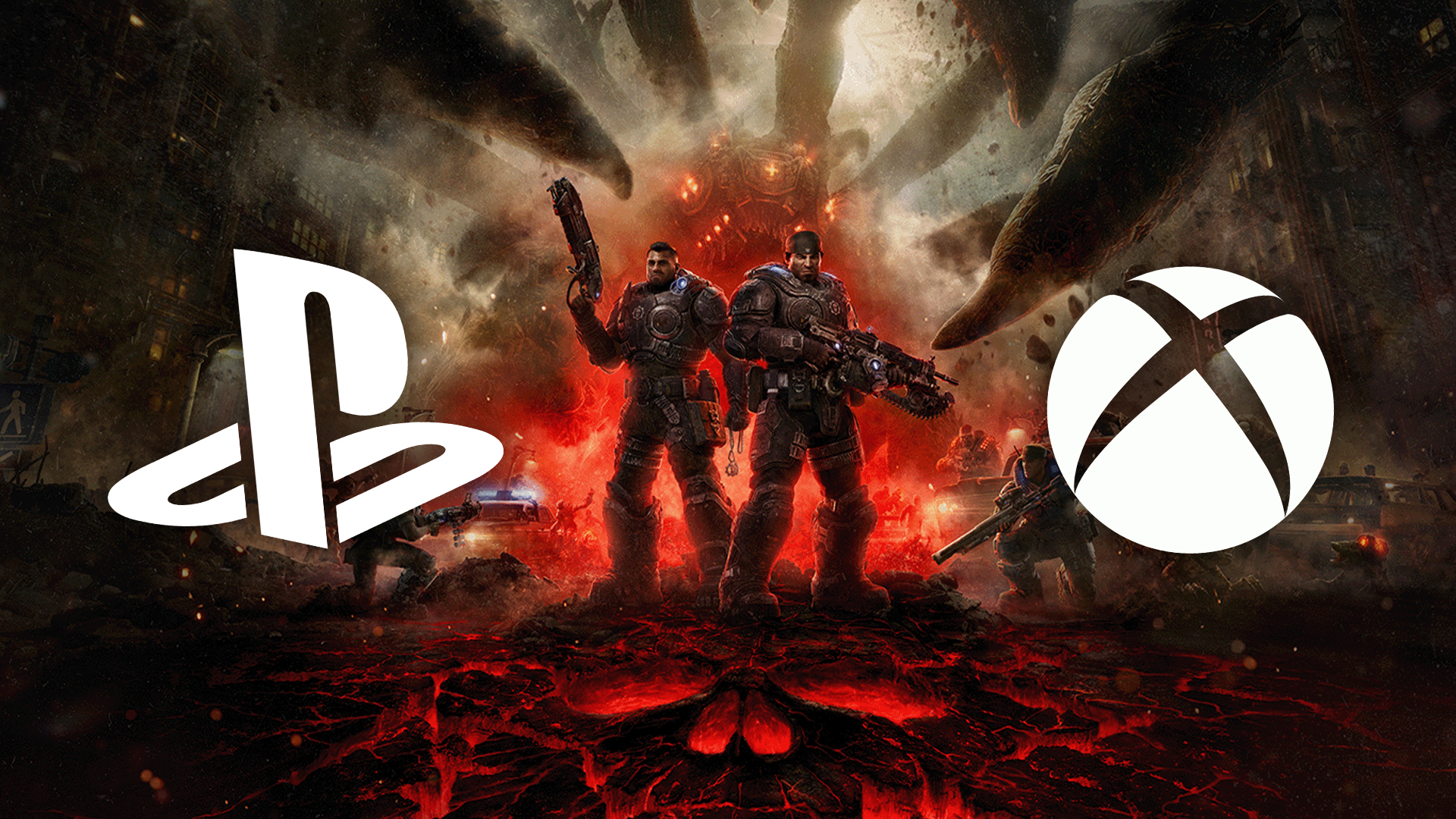
However, in a move that baffled and amused the internet in equal measure, the promotional video for Gears of War: E-Day also prominently featured a PlayStation 5 logo on its title card. This was not a multi-platform title; it was an Xbox exclusive. The error immediately reignited the controversy, but with an added layer of intrigue and embarrassment for Microsoft.
The presence of the PS5 logo on an Xbox-exclusive game’s marketing material led to a torrent of speculation. The most prominent theory posited that the decision to make Gears of War: E-Day an Xbox exclusive must have been a very last-minute one. Proponents of this theory argued that such a significant branding error could only occur if the game was initially planned for a multi-platform release, and the assets, including the PS5 logo, were already created before the exclusivity decision was finalized. They suggested that the marketing team simply failed to update the assets before publishing. This theory gained traction because it offered a plausible explanation for an otherwise inexplicable blunder involving one of Xbox’s crown jewels.
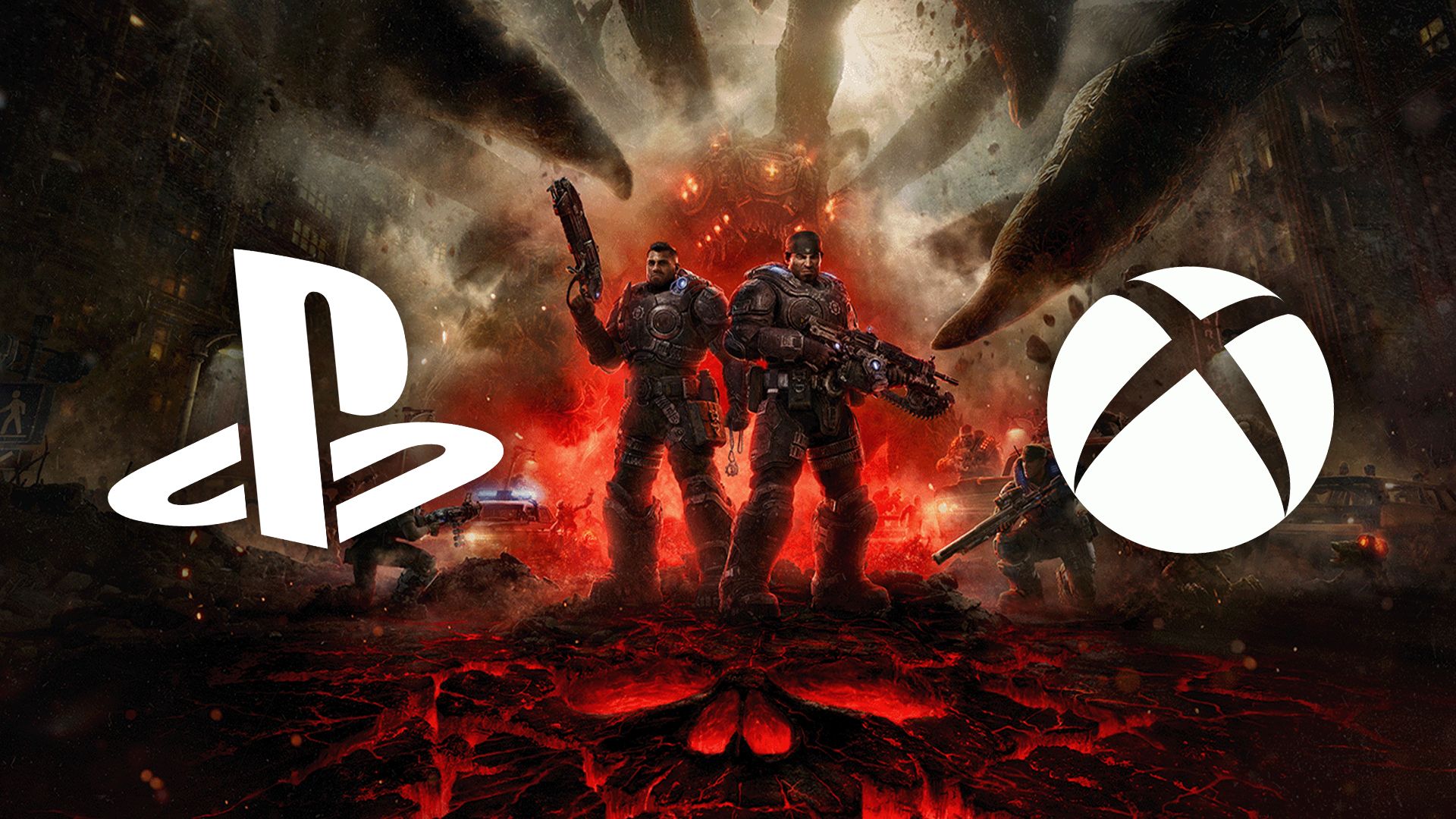
The official Xbox YouTube account, where the video was initially posted, quickly moved to delete the content once the error was widely publicized across social media. This swift removal further fueled the speculation, as it suggested an urgent need to rectify a significant mistake, lending credence to the idea that something sensitive had been revealed.
Xbox’s Defense: Aaron Greenberg’s Denial
Amidst the swirling rumors and online conjecture, Aaron Greenberg, Xbox’s Vice President of Games Marketing, stepped forward to directly address the "last-minute exclusivity" theory regarding Gears of War: E-Day. In a public statement, Greenberg unequivocally denied the speculation, asserting, "I can confirm this is not true. We just limited the knowledge of this news to a very small internal group. Intention was to share this news first with our players and everyone watching showcase."
Greenberg’s explanation aimed to clarify that the decision for Gears of War: E-Day to be an Xbox exclusive was not a sudden pivot but rather a closely guarded secret. While this addresses the "last-minute" aspect of the exclusivity, it does not fully explain the presence of the PS5 logo on an asset for a game known only to a "very small internal group" to be exclusive. If knowledge was so limited, it raises questions about the workflow for creating and reviewing marketing materials. How could an asset with a rival platform’s logo for an exclusive game escape the scrutiny of even that small, informed group?
The denial, while firm, inadvertently highlighted potential issues within Microsoft’s internal communication and asset management protocols. It suggested a disconnect between the team handling the high-level strategic decisions about exclusivity and the teams responsible for creating and deploying marketing materials. For fans, the official responses, while attempting to be transparent, sometimes felt like they raised more questions than they answered, leaving room for continued skepticism and online jesting.
The Unspoken Rules of the Console Wars: A Broader Context
The Gears of War: E-Day incident, and the broader PS5 logo controversy, cannot be fully understood without acknowledging the intense, often tribal, nature of the "console wars." For decades, video game consoles have been defined by their exclusive titles – games only playable on one specific platform. These exclusives are powerful differentiators, driving hardware sales and fostering deep brand loyalty.
Exclusivity as a Weapon: From Nintendo’s Mario and Zelda to PlayStation’s God of War and The Last of Us, and Xbox’s Halo and Gears of War, these franchises are more than just games; they are pillars of brand identity. The fierce competition for exclusive content has shaped the industry, creating fervent fanbases deeply invested in the success and distinctiveness of their chosen console.
Marketing Reciprocity (or Lack Thereof): A key point of contention for Xbox fans was the perceived asymmetry in marketing practices. Sony, traditionally, has been very platform-centric in its promotional efforts. During PlayStation showcases, multi-platform titles are presented with a clear emphasis on the PlayStation versions, often without any visual acknowledgment of their availability on other platforms. This approach reinforces PlayStation’s brand identity and encourages consumers to associate the games primarily with their console.
Xbox, under Phil Spencer’s leadership, has increasingly adopted a more open and inclusive strategy, particularly with the growth of Game Pass and recent decisions to bring some first-party titles to rival platforms. While this approach has been lauded by many for its consumer-friendliness, the PS5 logo controversy highlights the branding challenges it presents. When an Xbox-led event promotes a game as available on PlayStation, and PlayStation does not reciprocate, it can feel to some fans like a one-sided concession, undermining the perceived strength of the Xbox brand.
Fan Loyalty and Brand Identity: For many gamers, their console choice is an integral part of their identity. They invest not just money, but time and passion into their chosen ecosystem. Seeing a rival’s logo on their platform’s showcase, especially on an exclusive title, can be interpreted as a slight, a dilution of their brand’s uniqueness, or even a sign of weakness. This emotional connection explains why a seemingly minor branding error can provoke such a strong and widespread reaction, giving rise to crude but prevalent jokes about "Xbox fans getting cucked" – a sentiment born from feeling undervalued or undermined by their own preferred brand.
The Shifting Sands of Xbox’s Strategy
The logo controversy also serves as a poignant illustration of the strategic complexities facing Xbox in the current gaming landscape. Under Satya Nadella’s Microsoft, and specifically Phil Spencer’s leadership of Xbox, the brand has been charting a course distinct from its traditional rivals.
The Game Pass Imperative: Xbox’s primary strategic differentiator is Game Pass, a subscription service that offers a vast library of games, including all first-party titles on day one. This service model de-emphasizes individual game sales and console exclusivity in favor of ecosystem growth. The goal is to get Game Pass into as many hands as possible, regardless of the device. This strategy inherently encourages a more multi-platform mindset.
Embracing Multi-platform Future: More recently, Xbox has taken concrete steps towards a more multi-platform future, releasing several first-party titles – including Hi-Fi Rush and Sea of Thieves – on PlayStation and Nintendo Switch. This move, while controversial among some traditionalists, signals a potential long-term vision where Xbox software and services are accessible across a wider array of hardware, moving beyond strict console exclusivity.
The PS5 logo incident, therefore, can be viewed through multiple lenses within this evolving strategy. Was it an clumsy attempt to project an image of openness and multi-platform compatibility, consistent with Xbox’s broader strategic direction, but poorly executed? Or was it simply a series of embarrassing operational blunders that revealed cracks in internal processes at a critical juncture? Regardless, it highlights the immense challenge of maintaining a distinct brand identity and fostering strong platform loyalty when actively pursuing a more expansive, multi-device ecosystem. The incident forces Xbox to reconsider how it visually communicates its brand and product availability without alienating its core fanbase or inadvertently bolstering its competitors.
Impact and Implications
The "PS5 logo on Xbox exclusive" saga, while seemingly trivial at first glance, carries significant implications for Xbox, the wider gaming industry, and corporate marketing in the digital age.
For Xbox:
- Reputation Management: The immediate impact is on Xbox’s reputation among its most ardent fans. While some may see it as an honest mistake, others perceive it as a lack of attention to detail or even a sign of deference to a competitor. Rebuilding trust and reinforcing brand pride will require careful communication and flawless execution in future showcases.
- Internal Processes: The incident undeniably points to potential flaws in Microsoft’s internal communication, asset creation, and review workflows. The idea that a PS5 logo could appear on an exclusive title’s promotional material, especially one known only to a "very small internal group," suggests a need for stricter protocols and better cross-departmental alignment.
- Marketing Strategy Refinement: Xbox will likely re-evaluate its approach to displaying platform availability in its marketing. The balance between being transparent about multi-platform releases and aggressively promoting its own ecosystem is a delicate one that clearly needs recalibration. Future presentations may see a more nuanced approach, perhaps with platform logos appearing in less prominent positions or only when strictly necessary.
For the Gaming Industry:
- The Evolving Landscape of Exclusivity: The controversy underscores the ongoing tension between traditional console exclusivity and the industry’s gradual shift towards more cross-platform play and service-based models. As companies explore new ways to reach audiences, the definition and marketing of "exclusive" content become increasingly complex.
- Scrutiny in the Digital Age: The incident serves as a stark reminder of the intense scrutiny major brands face in the age of social media. Every pixel, every word, every decision is analyzed, debated, and amplified instantly. Companies must be prepared for rapid responses and transparent explanations when errors occur.
- Lessons in Branding: The saga offers valuable lessons in the power of branding and the emotional connection consumers have with their chosen platforms. Logos are not just symbols; they are shorthand for identity, loyalty, and perceived value. Misusing or misplacing them can have disproportionate effects.
Broader Lessons:
This entire episode highlights the inherent challenges faced by large, multi-faceted technology companies operating in highly competitive markets. Balancing innovation with tradition, global reach with niche fan loyalty, and transparency with strategic marketing objectives is a constant tightrope walk. The Xbox logo gaffe serves as a vivid case study in how quickly a minor oversight can escalate into a major public relations challenge, demanding swift action and careful communication from leadership.
Conclusion
The curious case of the PS5 logo appearing on Xbox’s promotional materials, culminating in its unexpected presence on a Gears of War: E-Day exclusive asset, represents a series of marketing missteps that quickly spiraled into a global gaming discussion. While Xbox leadership has taken responsibility and denied theories of last-minute exclusivity shifts, the incident has undoubtedly left an impression on its dedicated fanbase and the wider industry.
It lays bare the persistent tensions within the "console wars" and the evolving strategies of major platform holders like Xbox. As the industry moves towards a more interconnected future, companies must navigate the complex waters of multi-platform branding while simultaneously nurturing the fierce loyalty that defines their core communities. The saga serves as a compelling reminder that in the highly scrutinized world of modern gaming, every detail, no matter how small, contributes to the overarching narrative of a brand. Xbox’s challenge now is to learn from these "misses" and ensure that its future marketing efforts clearly and unequivocally champion its own distinct identity, without further confusing or alienating its most passionate players.
 Lina Hope
  Layla Zulfa
  Lina Irawan