
 By Layla Zulfa
In the digital retail landscape, the calendar is often treated as a battlefield. As major shopping events like Black Friday, Cyber Monday, and the winter holiday season approach, the average consumer’s inbox transforms into a chaotic, noisy warzone. Brands across every sector scramble to dominate the screen, resulting in a barrage of subject lines screaming "50% OFF EVERYTHING!" or "LAST CHANCE TO SAVE!"
For the consumer, the reaction is almost universal: a rapid-fire session of "delete, delete, delete."
However, seasoned marketers and successful founders know that seasonal email campaigns do not have to feel like a desperate, bottom-of-the-barrel pitch. When executed with precision and psychological nuance, these communications can strengthen brand loyalty, drive consistent revenue, and foster genuine excitement. The secret to winning the inbox is not about selling less; it is about selling smarter.
The Chronology of a Successful Seasonal Campaign
The most common failure in email marketing is reactive planning. Founders who wait until February 13th to draft a Valentine’s Day promotion have already forfeited the opportunity to build anticipation. A truly effective seasonal strategy is built on a foundation of long-term planning, typically initiated weeks or even months in advance.
Phase 1: Strategic Mapping (The Pre-Season)
Success begins with a robust content calendar that identifies key seasonal moments—not just the obvious ones like Black Friday, but those that align specifically with the brand’s niche. The goal is to move away from "National Sock Day" trivialities and toward moments that resonate with your specific audience’s lifestyle.
Phase 2: The "Give-and-Take" Ratio
During the planning phase, businesses must adopt a balanced content architecture. A reliable rule of thumb is the "two-to-one" approach: for every promotional email sent, there should be at least two pieces of content that educate, entertain, or inspire. By providing value upfront without asking for a transaction, you build a reserve of social capital. When the sales-driven email finally arrives, the subscriber is already primed to engage, having grown accustomed to receiving high-value communication from your brand.
Phase 3: The Engagement Window (The Peak Season)
Once the season hits, the execution phase focuses on storytelling. Instead of leading with a discount, the most successful brands lead with a narrative. By positioning a product as the solution to a seasonal need—or as a piece of a larger brand story—the discount becomes the "cherry on top" rather than the sole reason for the email’s existence.
Supporting Data: Why Storytelling Beats Statistics
In an era of data-driven marketing, it is easy to become obsessed with conversion metrics and discount percentages. However, the psychological reality of consumer behavior suggests that human beings are wired for stories, not spreadsheets.
According to marketing research, individuals retain approximately 63% of the information contained within a story, compared to a mere 5% retention rate for standalone statistics. This discrepancy is crucial for e-commerce founders. When a brand leads with "30% off our summer collection," they are competing solely on price. When a brand leads with, "We designed this piece for those long, slow weekends where you want to look effortless," they are competing on identity and emotional resonance.
By providing context, personality, and a reason for a product to exist beyond inventory clearance, brands move the interaction from a transactional exchange to an emotional one.
Audience Segmentation: The Death of the "Valued Customer"
One of the most persistent, damaging habits in email marketing is the "blast" approach—sending the same generic message to every subscriber. Much like one would not send the same holiday gift to a boss, a grandmother, and a best friend, a brand should not treat every customer segment with identical messaging.
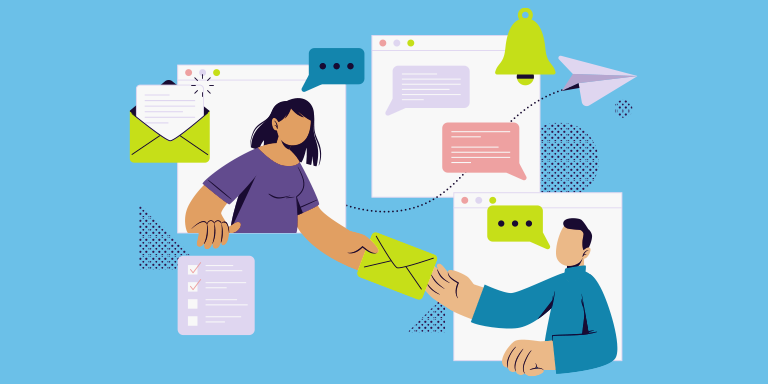
Segmentation is the antidote to the "salesy" stigma. At a minimum, businesses should distinguish between:
- New Subscribers: These individuals require brand storytelling and value-based introductions.
- Returning Customers: These users deserve loyalty-based rewards, early access, and "thank you" offers that acknowledge their history with the brand.
Advanced segmentation based on browsing behavior, purchase history, and engagement levels further refines this process. Modern tools, such as Omnisend, allow even solo founders to apply these filters without requiring the expertise of a data scientist. By tailoring the message to the specific stage of the customer journey, the email transforms from a "Dear Valued Customer" blast into a personalized conversation.
Creating Authentic Urgency
Urgency is a powerful psychological trigger, but there is a profound difference between creating anticipation and manufacturing anxiety. The "used car salesman" approach—characterized by aggressive caps-lock subject lines and threats of missing out—is increasingly transparent to modern consumers.
The Power of Exclusivity
True urgency is rooted in scarcity and exclusivity. Providing early access to an email list before a product hits the general market is a superior strategy. It rewards the subscriber for their loyalty, creating a sense of being an "insider."
The "Drop" Model
A successful case study of this is Lily, founder of Luu Lounge. By building anticipation through a coordinated email and SMS strategy, she ensured that her customers were waiting at their devices the moment a drop went live. Because the demand was generated through genuine excitement and storytelling, she did not need to resort to "LAST CHANCE" subject lines. Her audience was already primed to purchase.
Implications for Modern Founders
The shift toward "smarter" email marketing has significant implications for how businesses operate. First, it requires a move away from the "transactional" mindset. Founders must view their email list as a community rather than a revenue stream.
Second, the reliance on automation is no longer an optional luxury—it is a necessity. To maintain a consistent, value-driven communication flow without doubling their workload, founders must leverage automation tools that handle the heavy lifting. By automating the segmentation and the delivery of educational content, the founder is freed to focus on high-level strategy and product innovation.
The Competitive Advantage
The brands that win in the long term are those that prioritize the human element. In a market where every brand has access to the same technology and the same advertising platforms, the competitive advantage lies in the relationship established within the inbox. When a subscriber feels that a brand understands their needs and respects their time, they become a long-term customer rather than a one-time buyer.
Building the Future
For those looking to refine their approach, the strategy is clear:
- Plan early to avoid last-minute desperation.
- Lead with stories to build emotional connections.
- Segment your audience to ensure relevance.
- Cultivate authentic urgency through exclusivity.
- Automate the process to maintain consistency.
As seasonal shopping cycles become more competitive, the brands that can successfully navigate the inbox without contributing to the noise will be the ones that sustain growth. By treating subscribers as people rather than statistics, you ensure that when you finally do make an offer, it is received as a welcome opportunity rather than an unwelcome intrusion.
In the final analysis, the most profitable seasonal moments are not those won through the loudest shouting, but those earned through the most meaningful connections. Start building those relationships today, and the revenue will follow as a natural byproduct of your brand’s integrity.
 Dwi Wanna
  rifanmuazin
  Asep Darmawan