
 By Dwi Wanna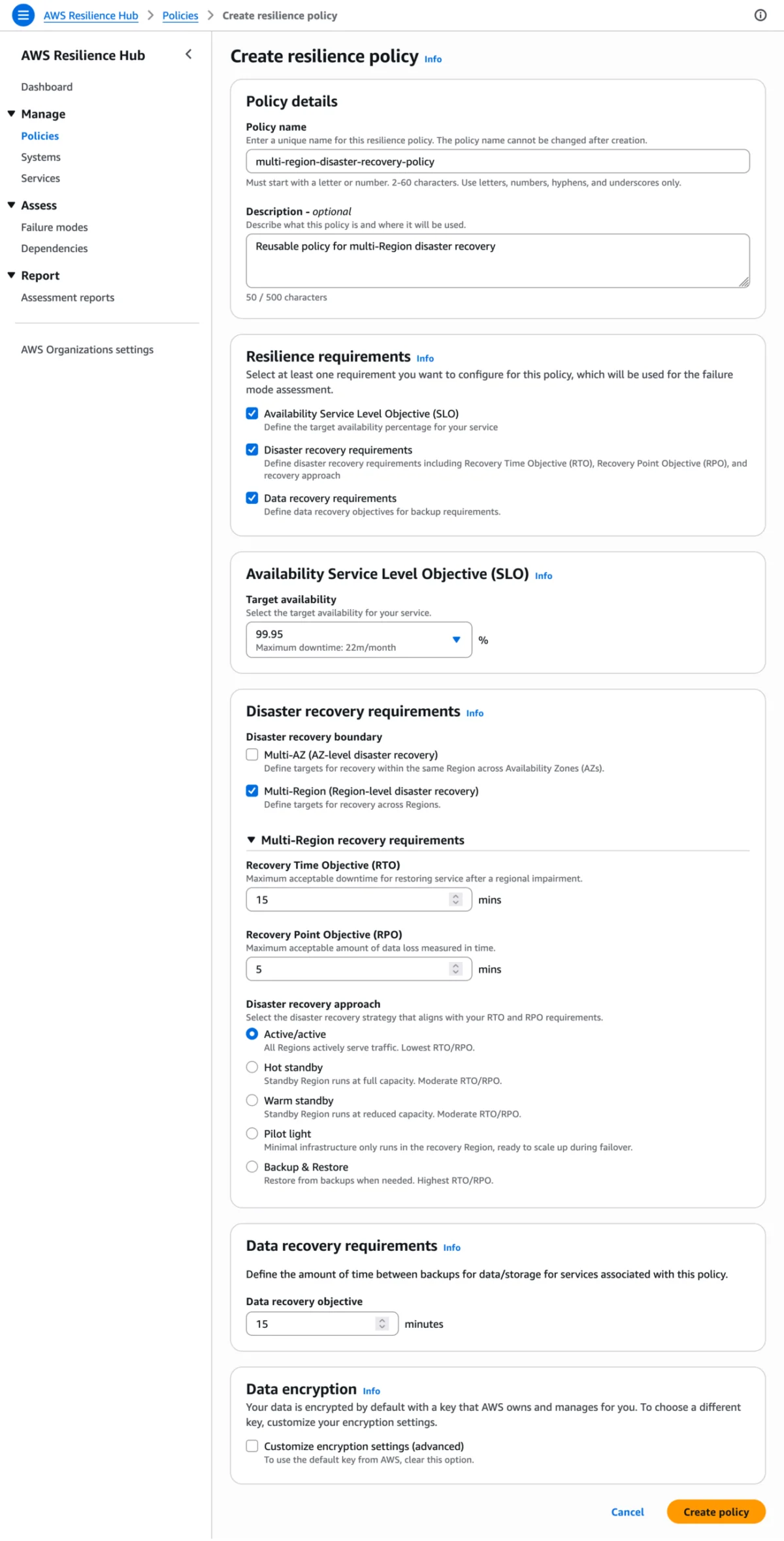
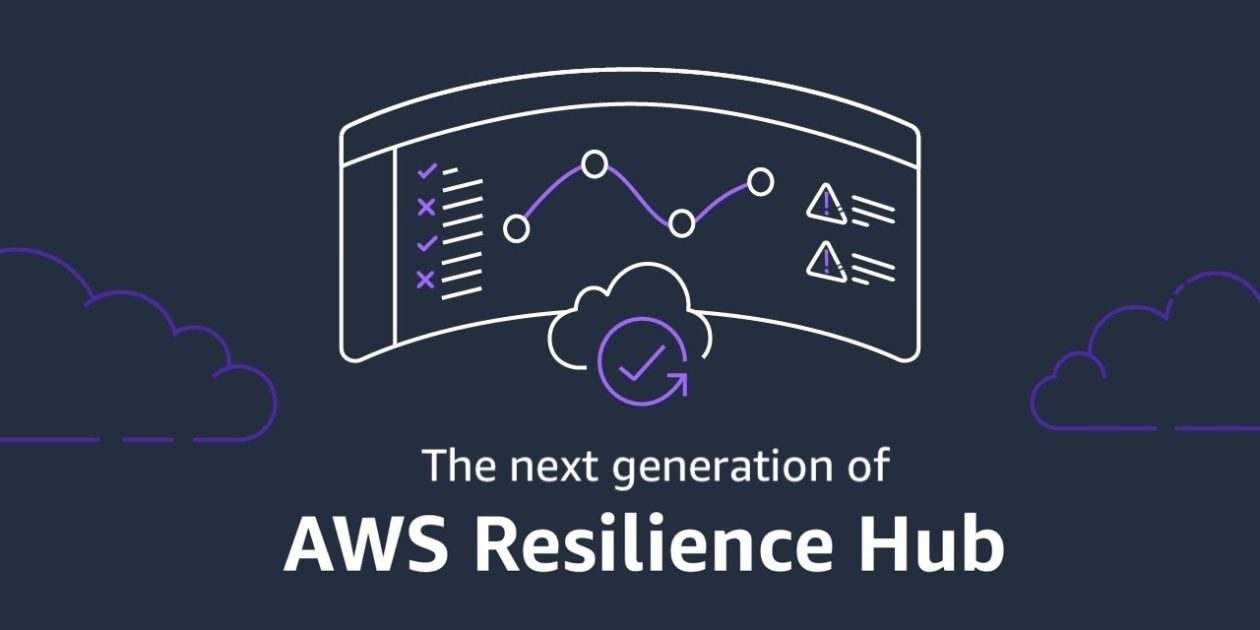
In an era where digital downtime can translate into millions of dollars in lost revenue and irreparable brand damage, Amazon Web Services (AWS) has unveiled a significant transformation of its flagship continuity tool: the next generation of AWS Resilience Hub.
This major update represents more than just a feature release; it is a fundamental shift in how large-scale enterprises approach the complex, often chaotic, landscape of cloud application availability. By integrating generative AI, granular dependency discovery, and a centralized organizational architecture, AWS is attempting to solve the "resilience silos" that have plagued engineering teams for years.
The Core Challenge: Why Modern Resilience Matters
For organizations operating hundreds—or thousands—of microservices and distributed applications, the primary barrier to reliability is not a lack of tools, but a lack of consistency. When different teams define "uptime" differently, use disparate monitoring stacks, and maintain varying standards for recovery, the result is a fragmented security posture.
Until now, proving compliance for disaster recovery (DR) across an entire portfolio was a manual, error-prone exercise. Site Reliability Engineers (SREs) frequently struggled to reconcile architectural reality with business-level Service Level Objectives (SLOs). The next generation of AWS Resilience Hub addresses this by creating a unified "source of truth" for resilience, allowing organizations to set, measure, and verify recovery standards across the entire enterprise.
A Chronology of the Transformation
The evolution of AWS Resilience Hub mirrors the maturation of the cloud itself.
- Phase 1: The Foundation. Initial versions of Resilience Hub focused on basic assessment and recommendations, providing a baseline for individual applications to check against "best practice" configurations.
- Phase 2: The Integration Era. Over the past 18 months, AWS focused on deeper integrations with CI/CD pipelines and infrastructure-as-code (IaC) tools like Terraform and CloudFormation, allowing resilience to be "shifted left" into the development cycle.
- Phase 3: The Current Leap (2026). The latest iteration introduces a holistic organizational model. By integrating with AWS Organizations, the service has moved from an application-centric tool to an enterprise-wide management platform. It now treats the entire application portfolio as a cohesive ecosystem, rather than a collection of isolated, independent workloads.
Technical Deep-Dive: How the New Architecture Functions
The next generation of AWS Resilience Hub is built upon a modular, highly scalable framework. The workflow has been redesigned to be more intuitive, moving from policy creation to automated, AI-driven failure analysis.

1. Unified Resilience Policies
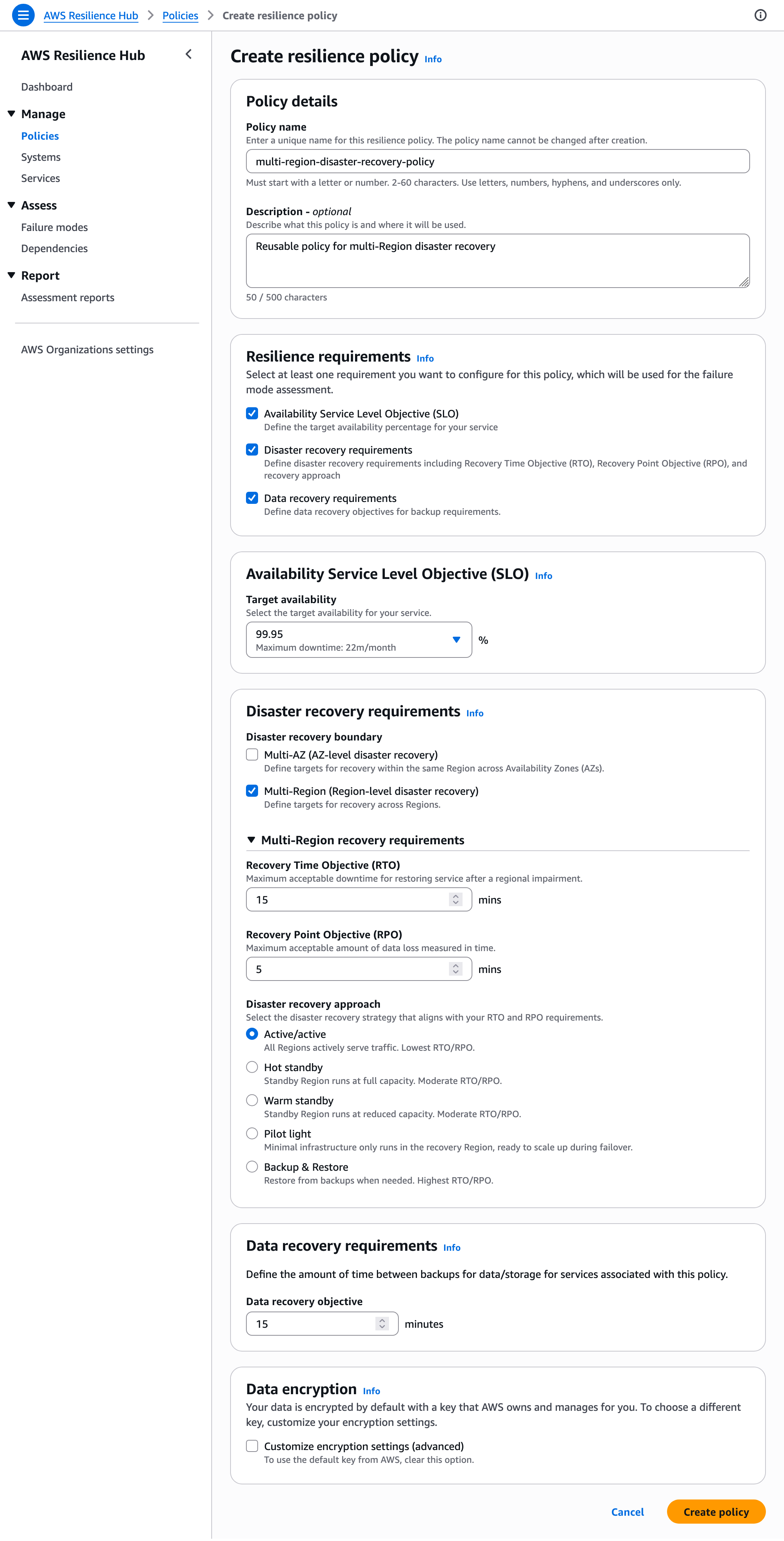
The new policy engine allows SREs to define reusable, modular standards. For example, a financial services firm can define a "High-Compliance Policy" that mandates specific RTO (Recovery Time Objective) and RPO (Recovery Point Objective) targets. These policies can then be applied across thousands of microservices, ensuring that every deployment adheres to the same institutional standard.
2. Generative AI-Powered Failure Mode Analysis
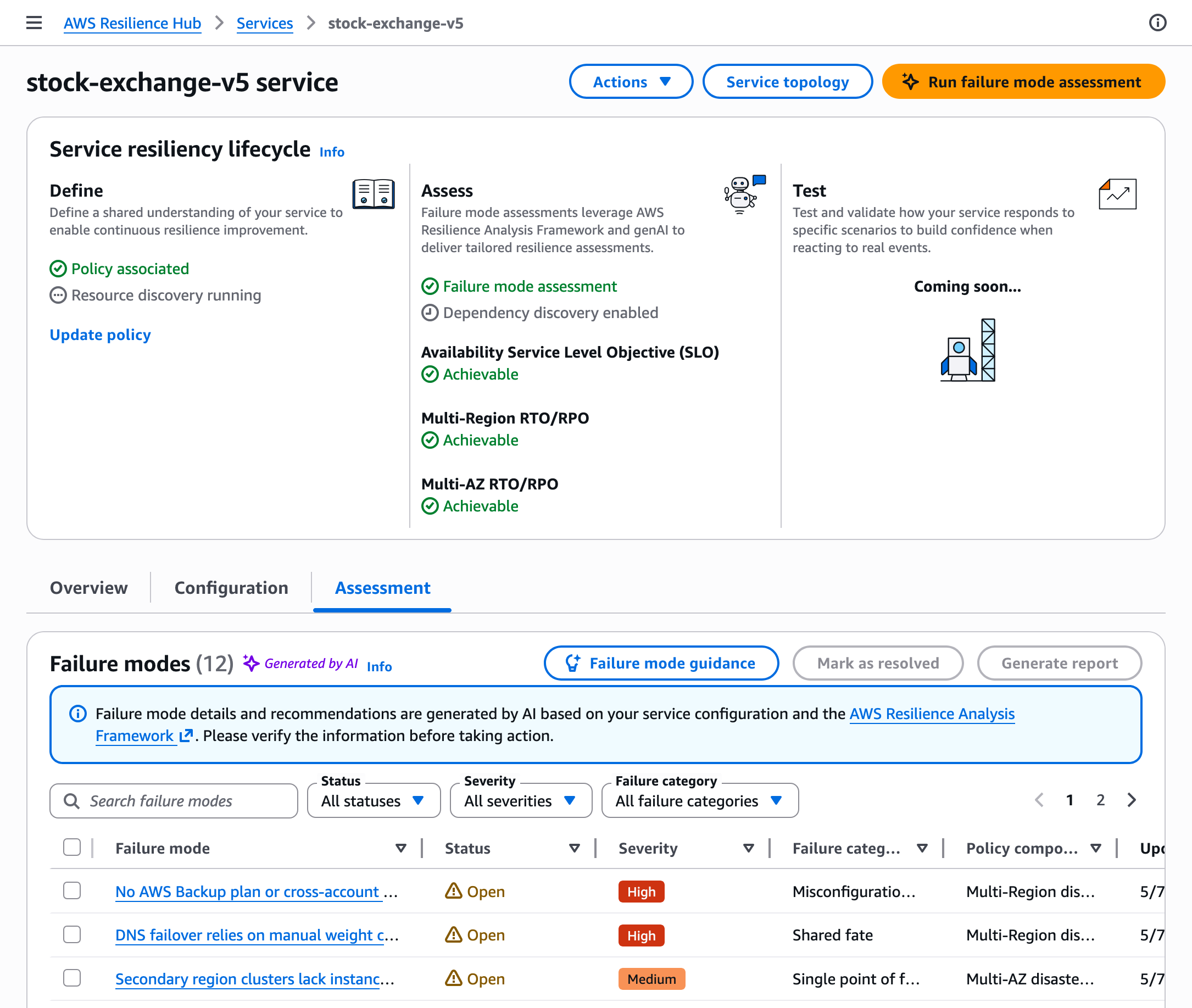
Perhaps the most ambitious addition is the use of generative AI to analyze failure modes. By parsing architectural topologies, the system doesn’t just identify potential points of failure; it provides human-readable context. It explains why a specific component is a risk and, more importantly, how to remediate it. This reduces the burden on junior SREs and provides a consistent expert-level recommendation for complex architectural issues.
3. Automated Dependency Discovery
Understanding the "blast radius" of a failure requires mapping complex interdependencies. The new hub automatically scans VPC flow logs and maps connections between resources. By visualizing the data flow—from the load balancer down to the database tier—the tool identifies hidden dependencies that might cause a cascading failure during an outage.
Supporting Data and Operational Metrics
The platform is designed to provide quantifiable metrics that can be reported to stakeholders, including C-suite executives who may not have deep technical backgrounds.
- Policy Compliance Rates: Dashboards now offer a birds-eye view of how many services are meeting their assigned RTO/RPO targets.
- Resolution Velocity: By tracking the time taken to address identified "failure modes," teams can measure their improvement in resilience posture over time.
- Operational Coverage: The integration with AWS Organizations allows administrators to view the entire surface area of their cloud estate, ensuring that no orphaned or unmonitored accounts are introducing hidden risks to the broader system.
Official Perspective and Implementation
AWS has emphasized that the migration path for existing customers is designed to be low-friction. Through a set of new migration APIs, companies can convert their legacy assessments into the new, more robust model.
The Implementation Workflow
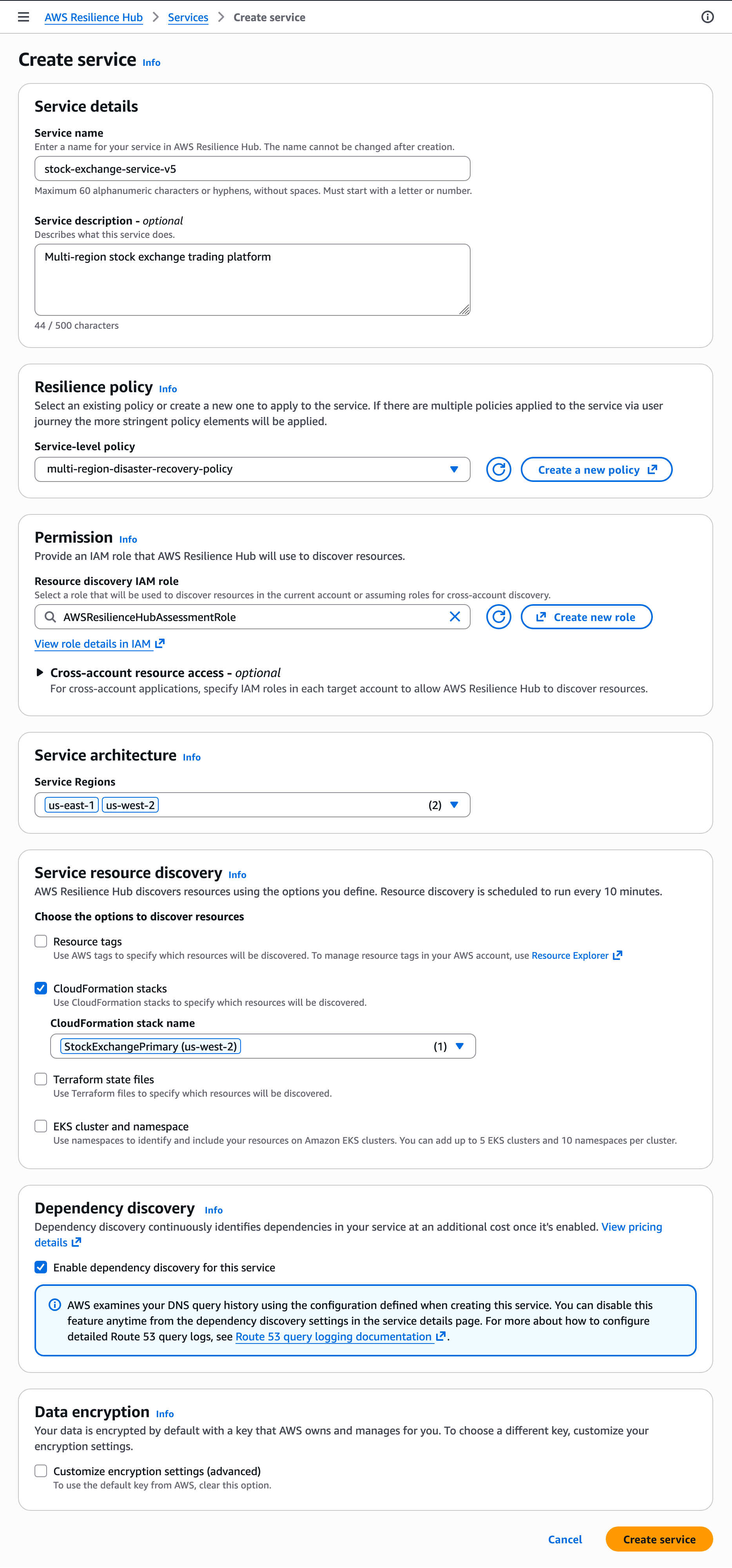
For engineers tasked with adopting the new system, the process is streamlined into four distinct phases:
- Policy Configuration: Establishing the baseline requirements (e.g., 99.95% availability).
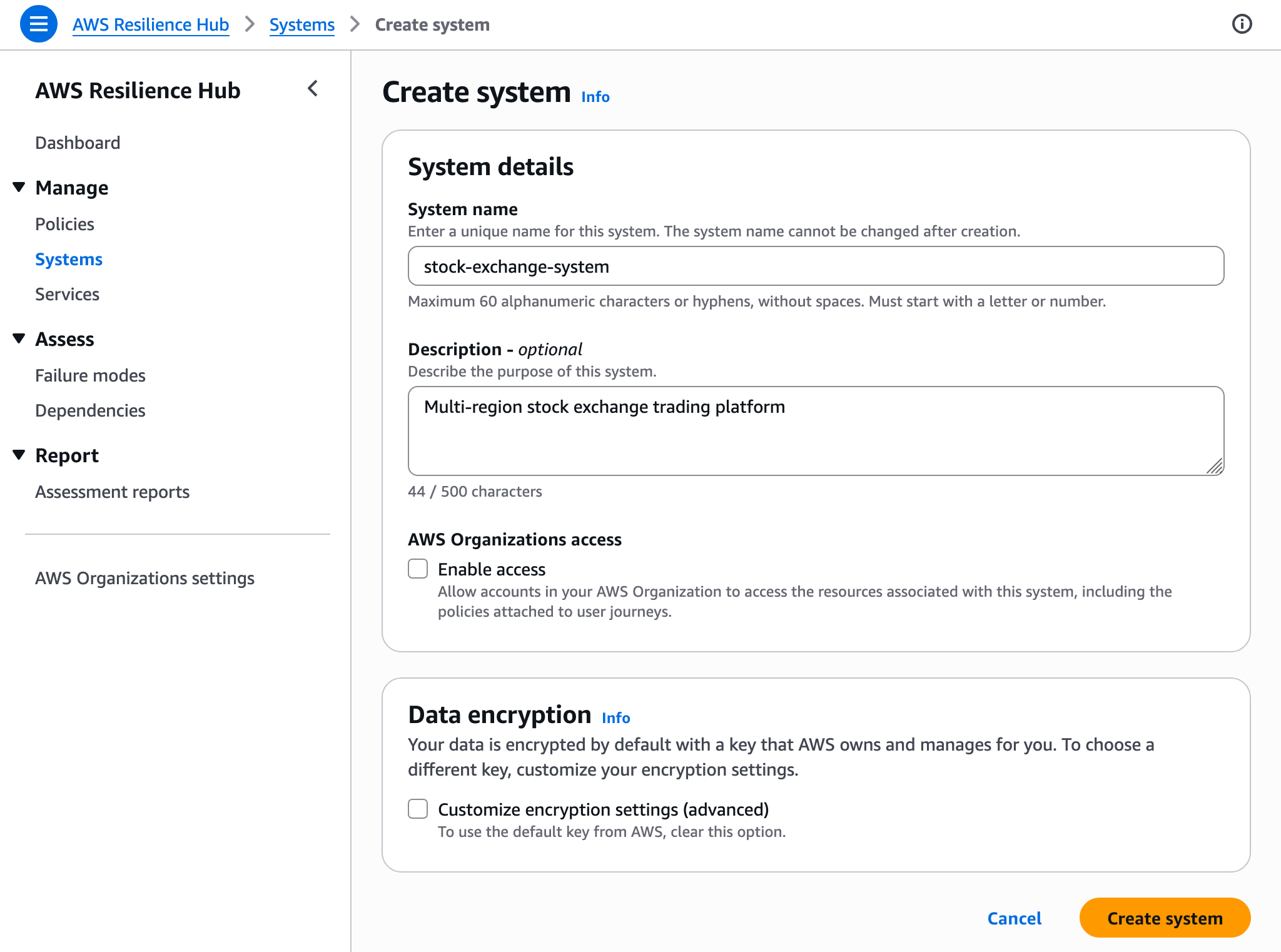
- System/Service Definition: Mapping the application topology, including EKS clusters, databases, and third-party dependencies.
- Automated Assessment: Running the "Failure Mode Assessment," which uses the aforementioned AI to query resource relationships.
- Remediation: Utilizing the "Assessment" tab to prioritize tasks. Each recommendation is linked directly to a policy, providing clear justification for the work required.
Implications for the Industry
The release of this platform signals a shift in the responsibility of cloud management. Resilience is no longer a reactive "disaster" task; it is now an integrated, continuous, and automated component of the software development lifecycle.
For SREs and DevOps Teams
The burden of "manual auditing" is significantly reduced. By delegating the discovery of failure modes to an AI-augmented engine, engineers can focus on the implementation of fixes rather than the discovery of risks. This shift encourages a culture of proactive resilience, where the architecture is hardened before a single line of production code is shipped.
For Enterprise Governance
For CIOs and CTOs, the new organizational reporting features are the most critical. When a regulatory body asks for proof of disaster recovery capability, the organization no longer needs to scramble for documentation from dozens of disparate teams. The Resilience Hub provides a centralized, audit-ready report that validates the state of the entire organization’s infrastructure.
The Competitive Landscape
This launch places AWS significantly ahead of many third-party observability and resilience tools that offer partial views of the stack. By owning the underlying cloud infrastructure data, AWS provides a level of fidelity that external agents simply cannot match. The ability to see deep into the network topology, IAM permissions, and resource configuration simultaneously gives AWS users a unique advantage in maintaining high-availability environments.
Conclusion
The next generation of AWS Resilience Hub marks a milestone in cloud reliability engineering. By bridging the gap between high-level business policy and low-level architectural reality, AWS has provided a blueprint for the modern, high-availability enterprise.
As businesses continue to migrate mission-critical workloads to the cloud, the tolerance for downtime will only continue to shrink. With this release, AWS has signaled that the era of "hoping for the best" is over, replaced by an era of "architecting for resilience." Organizations that adopt these tools early will find themselves better equipped to handle the inevitable failures of distributed systems, turning potential catastrophes into manageable, routine operational events.
For those ready to begin, the new console is already live, and the provided documentation offers a clear path forward for teams of all sizes to start their journey toward a more resilient future.
 Neng Nana
  Suro Senen
  Lina Hope