
 By Azzam Bilal Chamdy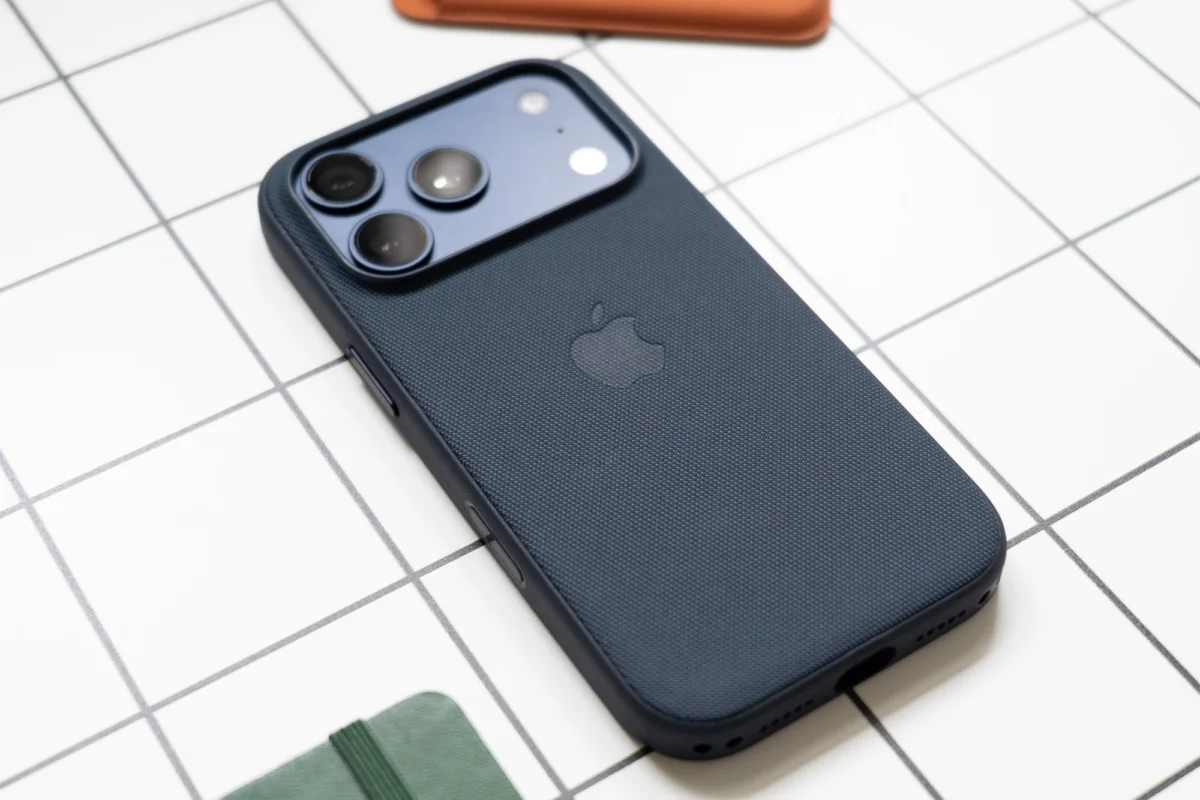
By Emma Roth
June 17, 2026
For years, Apple has prided itself on its ability to navigate complex supply chain disruptions, often leveraging its immense scale to keep consumer prices stable even when the broader electronics industry faced turbulence. However, a new, unrelenting reality has emerged in the global hardware market. In a candid admission that has sent ripples through the tech sector, Apple CEO Tim Cook has signaled that the era of price stability for the company’s flagship products—including the iPhone, iPad, and Mac—is coming to an end.
As the demand for high-performance memory components skyrockets, fueled by an insatiable global appetite for artificial intelligence, Apple is finding that it can no longer shield its customers from the rising tide of production costs.
The Breaking Point: A Shift in Strategy
The primary culprit behind these impending price hikes is a severe and persistent global shortage of memory components, specifically high-bandwidth memory (HBM) and advanced NAND flash storage. In an exclusive interview with The Wall Street Journal, Tim Cook acknowledged that the company has reached a critical juncture.
"We’re doing our best to mitigate the huge increases that are being passed to us, and we’ve been trying to shield our customers from the increases, but the situation has become unsustainable," Cook stated.
This admission marks a significant departure from Apple’s previous narrative of resilience. While the company has historically absorbed minor fluctuations in commodity pricing to protect its margins and maintain market share, the current memory crisis is systemic. The sheer volume of RAM and storage required to power modern generative AI models in massive data centers has created a bottleneck that is forcing suppliers to prioritize enterprise-grade contracts over consumer-grade hardware.
A Chronology of Rising Costs
The shift in Apple’s pricing strategy did not happen overnight; it has been a gradual, calculated adjustment to the tightening market.
- Early 2026: Supply chain whispers began to intensify regarding the rising cost of DRAM. Analysts noted that major memory manufacturers were shifting production capacity toward AI-focused chips, leading to a tighter supply for consumer electronics.
- March 2026: The first clear sign of change occurred when Apple quietly removed the 512GB RAM configuration option for the Mac Studio. This move effectively forced power users into more expensive, higher-tier configurations, signaling that low-margin, high-memory builds were becoming liabilities.
- Late Spring 2026: Apple adjusted the Mac Mini lineup, dropping the entry-level $599 model entirely. The new base configuration, starting at $799, represented a 33% price hike for the entry point of the desktop ecosystem.
- Current Outlook: As of mid-June 2026, speculation has turned toward the flagship iPhone 18 series. Industry reports suggest that the base model of the iPhone 18 Pro may see a significant price increase, moving from the $1,099 price point established by its predecessor to a staggering $1,299.
The Data Behind the Shortage
The electronics industry is currently trapped in a "perfect storm" of demand. While consumer electronics have traditionally driven memory sales, the explosion of AI startups and cloud-computing infrastructure providers has fundamentally altered the supply-demand curve.
Data centers are currently consuming a disproportionate share of the global memory output. These facilities require massive amounts of high-speed memory to train and run Large Language Models (LLMs). Because these enterprise clients are willing to pay a premium to secure supply, manufacturers like Samsung, SK Hynix, and Micron have redirected their production lines.
For Apple, this translates to higher procurement costs. When the cost of a single component—like a high-density memory module—jumps by 20% or 30%, the cumulative effect on a device’s Bill of Materials (BOM) is substantial. To maintain its target profit margins, Apple is left with two choices: reduce the quality of its components or pass the costs to the consumer. Based on recent shifts, the company appears to be choosing the latter.

Official Responses and Industry Context
Tim Cook’s comments to the WSJ emphasize that this is not an issue limited to Apple, but a broader market failure. "There’s less supply at a time when consumers want devices and the memory guys are passing along huge price increases," Cook explained. "We definitely need memory pricing and supply to return to reasonable levels for consumer products."
The impact is already visible across the industry. Sony has faced pressure to hike prices for its PlayStation 5, and Microsoft has seen similar cost-related adjustments for its Surface laptop line. Even smaller players, such as the Raspberry Pi Foundation, have been forced to increase prices to keep up with the cost of memory.
The consensus among analysts is that Apple is in a "wait and see" pattern regarding its upcoming hardware releases. While the company would prefer not to alienate its core demographic with higher entry prices, the macroeconomic realities of 2026 make it nearly impossible to avoid.
The Implications for the Consumer
What does this mean for the average Apple user? For one, the "entry-level" experience is becoming more expensive. The removal of lower-cost storage tiers and the increase in baseline pricing suggest that consumers will have to spend more to get the same level of performance they were accustomed to just two years ago.
1. The Rise of the $1,300 Smartphone
The potential $1,299 price tag for the iPhone 18 Pro is a psychological barrier that could test brand loyalty. As smartphone innovation hits a plateau, consumers are holding onto their devices for longer. A price hike of $200 may push many users toward older models or the secondary market, potentially slowing Apple’s upgrade cycle.
2. Changes in Product Lineups
We are likely to see a further culling of entry-level configurations. By eliminating the "cheapest" versions of the Mac Mini or the base-model MacBook Neo, Apple is effectively raising its "floor" price. This strategy ensures that every unit sold carries a healthier profit margin, compensating for the higher cost of internal components.
3. Increased Focus on Subscription Services
As hardware prices rise, Apple may double down on its services division (iCloud, Apple Music, Apple TV+, etc.) to provide value that doesn’t rely on expensive silicon. If the hardware becomes a larger investment, the company may try to sweeten the deal with bundled services or more attractive trade-in programs to offset the initial sticker shock.
4. A New Competitive Landscape
High prices provide an opening for competitors who may have more flexible supply chains or who are willing to accept lower margins. However, if the memory shortage is truly global and persistent, even these competitors will eventually be forced to raise their prices, leading to a new, higher baseline for the entire consumer electronics industry.
Conclusion: A New Normal
The tech industry is at a crossroads. The transition toward an AI-integrated future requires hardware that is significantly more memory-intensive than the devices of the early 2020s. Until memory manufacturing capacity expands—a process that involves building multi-billion-dollar fabrication plants that take years to come online—shortages will remain the status quo.
For Apple, the challenge is to maintain its premium status while navigating a world where the fundamental building blocks of its devices are becoming luxury items. While consumers may hope for a return to the price stability of the past, the message from Cupertino is clear: the cost of innovation is rising, and for now, the consumer is expected to help foot the bill.
 Suro Senen