
 By Nana Muazin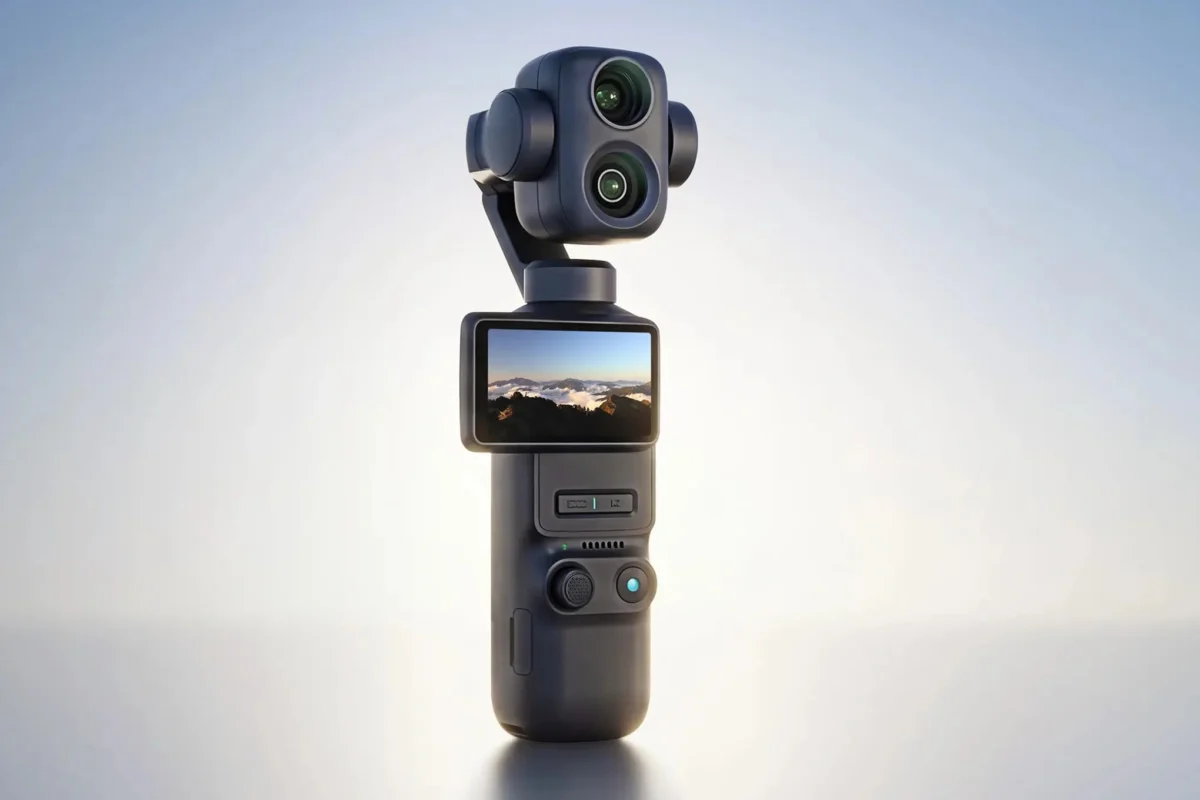
The consumer electronics landscape is currently gripped by a high-stakes game of regulatory cat-and-mouse. Xtra Technology, a company that garnered attention for selling products widely considered to be rebranded DJI hardware, has abruptly halted preorders for its highly anticipated "Muse 2 Pro"—a device mirroring the specifications and design of the unreleased DJI Osmo Pocket 4 Pro.
This pivot, characterized by the removal of the device from its primary landing page and the initiation of automatic refunds for $20 deposits, marks a significant retreat for the brand. The move follows an aggressive regulatory push by the Federal Communications Commission (FCC) to identify and penalize companies suspected of acting as "fronts" for DJI technology in the United States.
The Chronology of a Failed Launch
The trajectory of the Xtra Muse 2 Pro serves as a microcosm of the current geopolitical and regulatory tensions surrounding Chinese drone and camera manufacturers.
- June 17: The Xtra Muse 2 Pro receives FCC equipment authorization, a critical hurdle for any radio-frequency-emitting device intended for the U.S. market.
- Early July: Xtra hosts a high-profile launch event in Los Angeles, signaling an imminent release of the dual-lens stabilizer.
- July 10: The FCC formalizes its pressure, proposing a $25,000 fine against Xtra and its affiliate suppliers for failing to provide transparency regarding their manufacturing origins and supply chain ties to DJI.
- July 17: The FCC moves to expand its crackdown, proposing a retroactive ban on existing products linked to these entities.
- Present Day: Xtra issues a statement effectively shelving the product, citing an inability to confirm a "reliable launch timeline," and begins the process of refunding early-access deposits.
Regulatory Scrutiny and the "Front Company" Allegation
At the heart of this disruption is the U.S. government’s opaque stance on DJI. While the U.S. has placed various restrictions on DJI-branded products citing "national security concerns," it has yet to release a definitive, public report detailing specific evidence of espionage or malicious activity in consumer-grade pocket cameras.
However, the FCC has shifted its focus from the brand names to the underlying hardware. By mandating that companies disclose the true origin of their technology, the FCC is effectively attempting to close a loophole where DJI technology is repackaged under subsidiary or partner brand names to bypass trade restrictions.
The investigation has been sweeping. Companies like Xtra and Skyrover have found themselves in the crosshairs. The FCC’s insistence that these entities prove their independence from DJI has led to a digital erasure of sorts; technical documentation for devices like the Muse 2 Pro—once publicly available—has vanished from the official FCC ID database. While third-party bots managed to scrape these documents before their removal, the disappearance of official filings suggests an agency moving toward a total revocation of authorization.
Supporting Data: The Case of the Missing Identity
The suspicion surrounding Xtra is not merely conjecture. A comparative analysis of the Xtra Muse (the predecessor to the 2 Pro) and the DJI Osmo Pocket 3 reveals that the devices are, for all practical purposes, identical. From internal component placement to firmware architecture, the hardware bears the hallmarks of DJI’s engineering.
For the consumer, this presents a paradox. The Muse 2 Pro promised the advanced dual-lens capabilities of the anticipated Osmo Pocket 4 Pro, packaged in a chassis that avoided the "DJI" brand stigma. However, the reliance on the same supply chain that the FCC is currently investigating has rendered the product a liability.
The $20 deposit holders, who were promised early access to the technology, are now being offered a 10% "courtesy discount" as an apology. This discount, valid only for 30 days and restricted to Xtra’s online store, is a thin olive branch for customers who have been caught in the middle of an international trade dispute.
Official Responses and Corporate Silence
The corporate response from both Xtra and DJI has been characterized by strategic ambiguity. When approached for comment, Xtra provided only the boilerplate language found on their FAQ page: "XTRA has not made a final announcement regarding future product availability… Further information will be shared separately once the relevant plans are confirmed."

DJI, for its part, has maintained a wall of silence. Despite numerous inquiries regarding its relationship with Xtra, Skyrover, and other distributors, the company has declined to address the allegations of "front company" operations. This lack of transparency has only fueled the FCC’s resolve. The proposed $25,000 fines are likely just the beginning of a broader effort to extract information through financial pressure, rather than relying on voluntary disclosure.
The Broader Implications for the Tech Market
The implications of this saga extend far beyond a single pocket camera.
1. The Death of "Gray Market" Tech
The era of rebranding high-end Chinese consumer electronics to bypass domestic regulations may be drawing to a close. If the FCC succeeds in its retroactive ban, retailers like Amazon and Best Buy, which have previously hosted these brands, may face immense pressure to pull all inventory associated with the affected supply chains.
2. The Erosion of Consumer Trust
The "un-launching" of the Muse 2 Pro highlights the instability of the modern gadget market. Consumers who purchase gear from emerging, niche brands now face the risk of "bricked" ecosystems, where software updates, repairs, and warranty support disappear overnight due to government intervention.
3. A Precedent for Future Bans
By targeting the technology rather than the trademark, the FCC is setting a dangerous precedent for international trade. If the government can successfully block a company like Xtra for "suspected" links to a larger entity without a public trial or clear evidence, it creates a "guilty until proven innocent" environment that could stifle the entry of any new hardware startup that utilizes common Chinese manufacturing hubs.
4. The National Security Argument
Critics of the FCC’s actions point to the lack of a "smoking gun." Without a clear, public explanation as to why a pocket camera—a device designed for vlogging and travel—constitutes a national security threat, the policy remains rooted in speculation. This lack of clarity complicates the position of companies attempting to navigate the legal landscape. If Xtra cannot understand exactly what it did wrong, it cannot remediate the issue, leading to the indefinite "pause" that has left so many customers in the lurch.
Conclusion: A Future of Uncertainty
As the FCC continues its crackdown, the market for DJI-adjacent hardware is likely to contract significantly. For Xtra Technology, the "pause" on the Muse 2 Pro may well be a permanent cessation of operations for that specific product line.
For the average creator, the lesson is clear: when a product seems too good to be true—and arrives under a brand name that mirrors the performance of a banned industry leader—the risk of government intervention is no longer a distant theoretical threat. It is a present-day reality that can render your hardware obsolete before it even hits your doorstep.
As of this writing, Xtra continues to sell its older inventory, but the future of its partnership with the technology that powered its rise remains as murky as ever. Whether the company chooses to pivot to a new supply chain or fades into the background alongside its peers depends entirely on the upcoming findings of the FCC’s investigation. Until then, the Muse 2 Pro will remain a phantom device—a victim of the growing divide between global trade and national security.
 Raul Delapena Setiawan
  Siti Muinah
  Asro
Asro 