
 By Nila Kartika Wati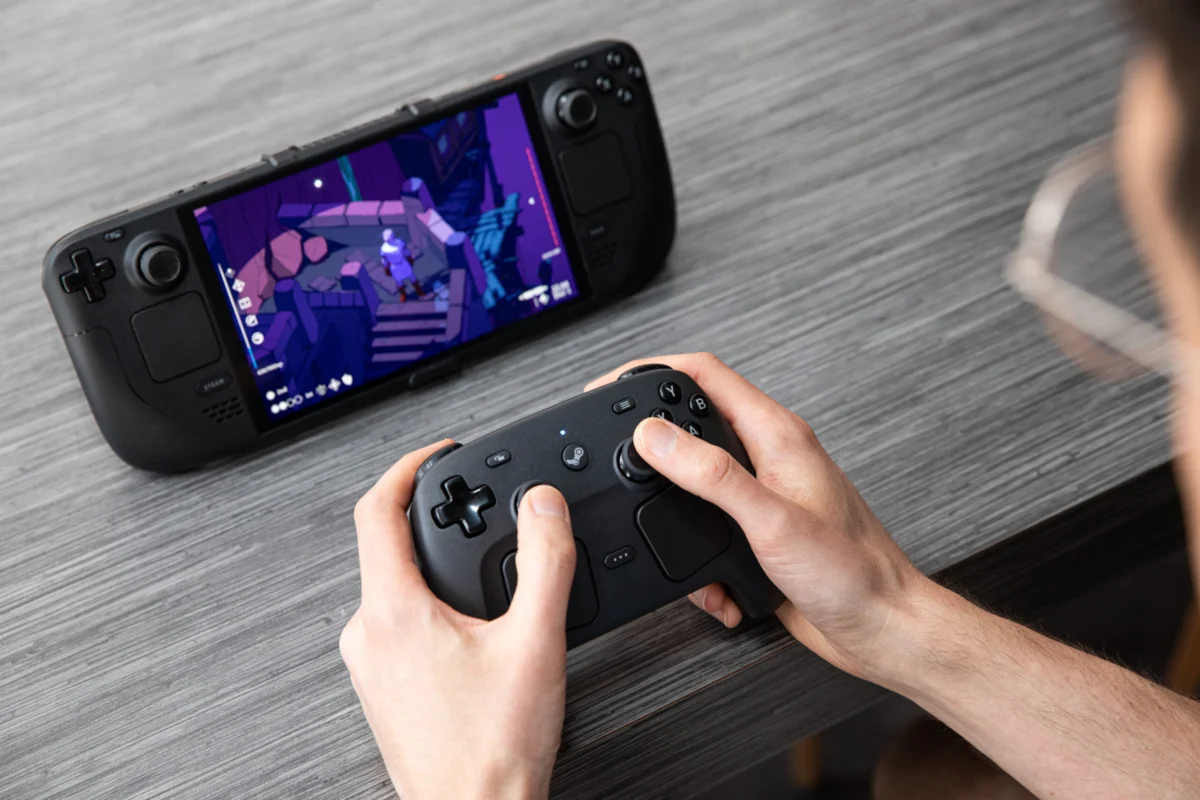
Main Facts: A New Reality for Steam Hardware Enthusiasts
Valve has officially updated its fulfillment strategy for the newly launched Steam Controller, providing prospective buyers with a more granular—if somewhat sobering—look at the production timeline. For fans hoping to get their hands on the gamepad, the company is now categorizing reservations into three distinct shipping windows: September 2026, December 2026, or sometime in 2027.
The most critical takeaway for those joining the queue today is that new reservations are effectively slated for 2027. This update serves as a reality check for the gaming community, acknowledging that despite the device’s critical success, the manufacturing capacity at Valve remains unable to keep pace with the sheer volume of global interest. While Valve maintains that it has no intention of discontinuing the product, the company is prioritizing transparency to manage customer expectations during a period of sustained supply chain pressure.
Chronology: From Launch Frenzy to Managed Queues
The current state of the Steam Controller is the culmination of a tumultuous rollout that began earlier this year.
- Early May 2026: The Steam Controller officially went on sale. The launch was met with immediate, overwhelming demand, causing the company’s digital storefront to buckle under the traffic. Many potential customers were met with site crashes and checkout errors, leading to widespread frustration as the initial inventory evaporated in minutes.
- Mid-May 2026: Recognizing the logistical nightmare and the rise of predatory scalpers utilizing bots to scrape inventory, Valve pivoted. They announced the implementation of a formal reservation queue system. This move was designed to normalize the purchasing process, requiring users to join a waitlist rather than compete in a "first-come, first-served" sprint.
- The 72-Hour Rule: Under the new system, once a customer’s spot in the queue is reached, they receive a notification. They are then granted a 72-hour window to complete their purchase. Failure to act within that timeframe results in the spot being forfeited to the next person in line.
- Late 2026 Update: Valve has now refined this system further, providing the specific 2026/2027 shipping estimates that currently define the customer experience.
Supporting Data: The Anatomy of a Supply Crisis
The struggle to deliver the Steam Controller is not an isolated event; it is a symptom of a broader hardware landscape that has been defined by a protracted global component crisis.
When Valve initially teased its major hardware lineup—the Steam Controller, the Steam Machine, and the Steam Frame VR headset—all three were slated for an early 2026 release. However, the realities of the semiconductor market and specialized parts shortages forced the company to delay its broader roadmap.
Data from recent import records shows that Valve has been aggressively increasing its shipping volume into the United States. In recent months, shipping manifests have revealed a steady uptick in hardware imports, suggesting that while production is active, the sheer demand for the Steam ecosystem—bolstered by the release of the SteamOS 3.8 update—is scaling faster than assembly lines can accommodate. The SteamOS 3.8 update, which specifically includes native support for the Steam Machine, signals that Valve is moving closer to a wider hardware launch, even if the timeline remains opaque.
Official Responses: Managing Expectations
Valve has been remarkably candid about the friction surrounding its hardware rollouts. In a statement addressing the current backlog, the company acknowledged the gap between supply and demand:
"When we launched the Steam Controller last month, we quickly saw that initial demand exceeded our expectations," the company noted in a recent update. "Switching to a reservation queue has, hopefully, cut down on the headaches on the customer side. For us, it has been helpful as we plan ahead and try to get as many units out as quickly as we are able."
Regarding the concern that the company might throttle production or abandon the project, Valve was emphatic: "We have no plans to stop making the Steam Controller. But as we look at the current demand compared to how many we know we can make by the end of the year, we want to manage expectations as much as we can with regards to when folks can expect to receive their order."

This sentiment underscores a shift in corporate philosophy for Valve, which has historically preferred to remain silent until products are ready. The move toward explicit, date-based estimations represents a maturation of their logistics wing as they attempt to balance their reputation as a premium hardware manufacturer with the realities of modern supply chain volatility.
Implications: What This Means for the Valve Ecosystem
The delay and the reservation queue system have significant implications for the future of Valve’s "Steam Hardware" strategy.
The Impact on the Steam Machine and VR
The most notable implication is the uncertainty surrounding the Steam Machine and the Steam Frame VR headset. Despite the launch of SteamOS 3.8, which is optimized for these platforms, neither product has received a firm retail release date. The fact that the Steam Controller—a peripheral—is currently consuming such a significant portion of Valve’s manufacturing bandwidth suggests that the company is taking a staggered approach to its hardware rollout. By perfecting the supply chain for the controller first, Valve may be attempting to avoid a repeat of the "component crisis" bottlenecks that could plague a larger, more expensive console or VR system.
Combating the Scalper Economy
The reservation system is, above all, a weapon against scalpers. By requiring a verified account and a 72-hour purchase window, Valve has effectively neutralized the ability for automated bots to bulk-buy inventory for resale on secondary markets. While this does not make the wait shorter for the average consumer, it ensures that the units reaching the market are going to genuine fans rather than opportunistic resellers.
Customer Trust and Brand Loyalty
There is a potential long-term risk for Valve. As the wait times stretch into 2027, the company risks alienating a demographic that has become accustomed to the "on-demand" nature of modern e-commerce. However, because the Steam Controller has received such glowing critical reviews for its performance and build quality, the "hype" has largely been replaced by a "cult of patience." Fans appear willing to wait, provided they are given clear, honest updates.
The Path Forward
As we look toward the remainder of 2026, the industry will be watching Valve’s ability to scale. If the company can successfully transition from the current reservation queue to a standard retail model by 2027, it will mark a significant milestone in their evolution from a software-first entity to a full-stack hardware powerhouse.
The integration of SteamOS 3.8 is the first major step in the software side of this puzzle. With the operating system now capable of supporting the full Steam hardware suite, the missing piece is purely physical manufacturing capacity. For now, the millions of Steam users waiting for their notifications will have to rely on the transparency of the reservation system, hoping that the 2027 estimate is a "worst-case scenario" rather than a fixed reality.
Valve’s transition from a digital storefront giant to a hardware manufacturer has been defined by ambition, but the lesson of this year is one of humility. In the face of a complex global economy, even the most influential companies in gaming must yield to the realities of the assembly line. The Steam Controller remains, for now, a trophy of technical excellence—one that is currently as hard to find as it is desirable to own.
 Azzam Bilal Chamdy
  Suro Senen
  Nana Wu