
 By Jia Lissa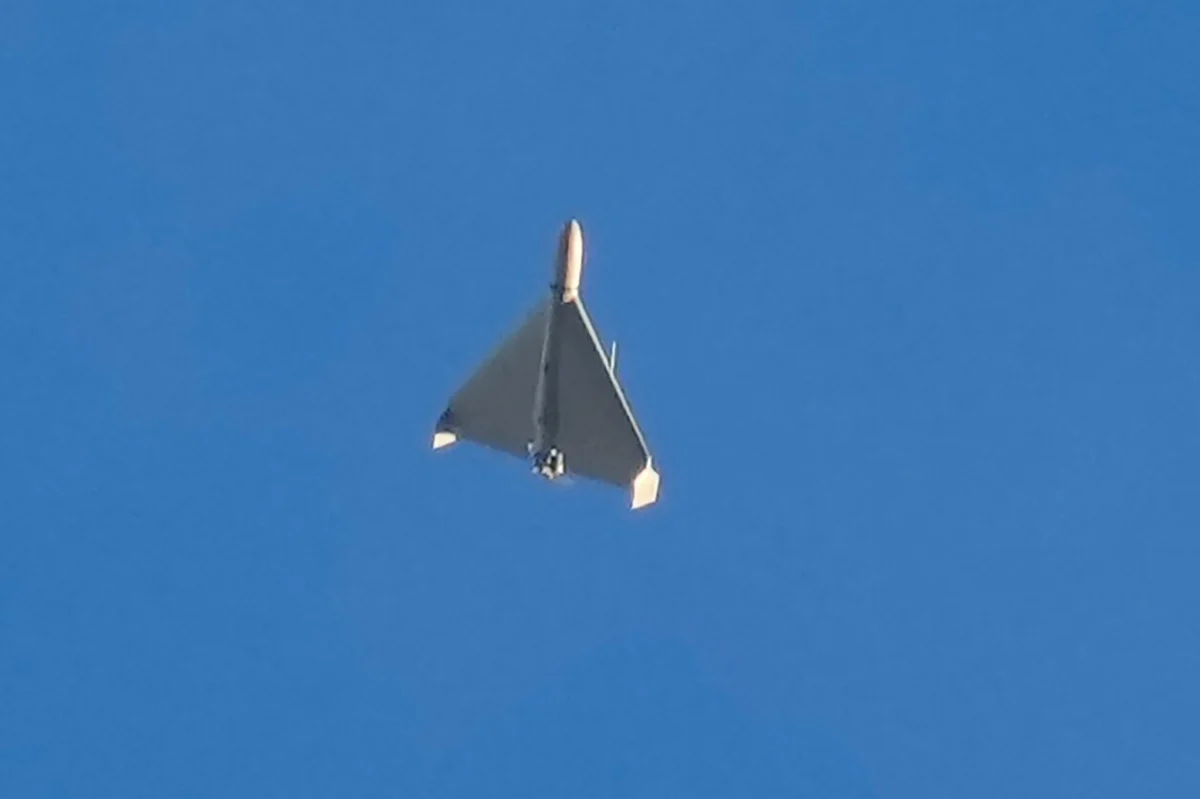
In an era where low-cost, long-range loitering munitions have fundamentally altered the landscape of modern warfare, a bold initiative is turning the ubiquity of consumer technology into a strategic defense asset. The "Drone Radar" (Dronuradaras.lt) project, a collaborative effort between tech startup Mainline and a coalition of civic activists, has officially launched an open-source acoustic detection network. By repurposing thousands of dormant smartphones into a sophisticated, decentralized sensor grid, the initiative aims to provide an unprecedented layer of situational awareness across the Baltic region and beyond.
Main Facts: Converting Consumer Tech into Defense Infrastructure
The core premise of the Drone Radar initiative is deceptively simple: the conversion of unused Android smartphones into passive, localized acoustic sensors. By placing a device near a window and connecting it to a continuous power supply, volunteers contribute to a real-time, cloud-based analytical engine.
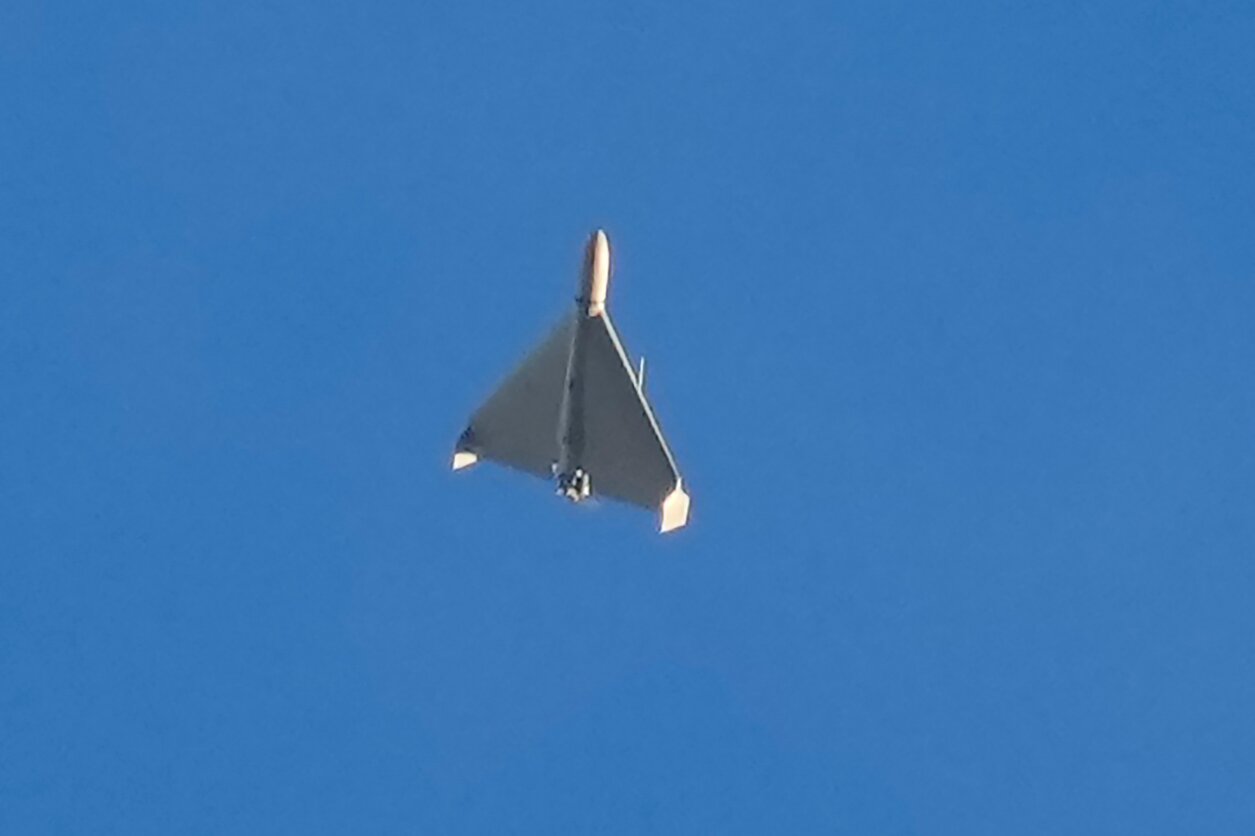
The software, running in the background, is specifically calibrated to ignore the cacophony of urban life—traffic, sirens, and wind—to isolate the distinct, low-frequency acoustic signature of "Shahed-type" drones. These Iranian-designed munitions, characterized by their "lawnmower-like" engine buzz, are notoriously difficult for traditional radar to track due to their low altitude and slow flight speed.
When the application detects a suspicious acoustic pattern, it does not merely alert the user; it transmits the signature to an embedded algorithm that cross-references the data with other nearby devices. If multiple sensors in the same vicinity register the same signature, the system triangulates the object’s trajectory, generating a real-time visualization on a public-facing, interactive monitoring map. This shift from centralized, expensive radar stations to a decentralized, crowdsourced model represents a paradigm shift in civil-military cooperation.
Chronology: From Concept to Regional Scalability
The development of the Drone Radar project did not happen in a vacuum. It is the culmination of months of rigorous engineering and civic mobilization.
Phase I: The Prototype and Proof of Concept
The project originated within the labs of Mainline, led by founder Audrius Zujus. Recognizing the vulnerability of regional infrastructure to low-altitude aerial threats, the team began by analyzing the audio profiles of common threat vectors. Initial testing focused on signal filtering—ensuring that the AI could distinguish between a drone and common environmental noise with a high degree of confidence.
Phase II: The Coalition Building
Recognizing that a project of this scale required both technical expertise and public trust, the team expanded to include a core group of 20 specialists. Strategic partnerships were formed with the Lithuanian Artificial Intelligence Association and the Baltic Institute of Technology. Perhaps most significantly, the inclusion of the Lithuanian Riflemen’s Union—a paramilitary organization with deep ties to civil defense—provided the operational legitimacy necessary to recruit volunteers on a national scale.
Phase III: The Public Launch
The official launch of the Dronuradaras.lt platform marked the transition from a closed experimental phase to an open-source public utility. The current focus is on a rapid recruitment drive, with a clear target of 10,000 active participants.
Phase IV: Future Integration
Looking toward the end of 2024 and beyond, the roadmap includes the integration of existing surveillance camera audio feeds and high-level negotiations with major telecommunications operators to mount sensors directly onto cellular towers, further hardening the network against signal interference.
Supporting Data: The Power of Density
The effectiveness of an acoustic sensor network is governed by the law of large numbers. A single sensor may suffer from high false-positive rates; however, a network of 10,000 sensors creates a "density advantage" that is mathematically difficult to spoof.
- The Triangulation Model: By utilizing time-of-arrival differences between multiple smartphones, the algorithm can estimate the altitude and vector of a drone with increasing precision as the density of the network increases.
- The Participant Target: The goal of 10,000 users is not arbitrary. Experts within the Baltic Institute of Technology suggest that this number of participants, distributed strategically across urban and rural corridors, creates a "blind-spot-free" grid capable of tracking low-altitude incursions that standard military-grade radar often misses.
- Data Minimization: To ensure user privacy, the system is architected to perform local feature extraction. The phone does not record continuous audio or upload raw sound files to a server. Instead, it analyzes the audio locally and transmits only the processed metadata (the "signature") when an event is triggered, ensuring that personal conversations remain entirely private.
Official Responses and Strategic Vision
The project has garnered significant interest from regional security analysts who see this as a model for "Total Defense."
Audrius Zujus, the visionary behind the initiative, emphasizes that this is not merely a technical project, but a social one. "Today we are surrounded by devices that see, hear, and record their environment. Our goal is to connect these sensors into a common network that would provide an additional layer of security for society and strengthen the country’s resilience," Zujus stated during the launch press conference.
Tech industry observers have noted the efficiency of the startup’s approach. By leveraging existing hardware—specifically older Android devices that would otherwise be relegated to landfills—the project bypasses the supply chain constraints that often plague traditional military procurement.
Security experts from the Lithuanian Riflemen’s Union have lauded the initiative’s focus on the "human sensor." By involving the public, the initiative fosters a sense of collective ownership over national security, effectively turning every window into a potential defensive outpost.
Implications: A New Frontier in Civil Defense
The implications of the Drone Radar network extend far beyond the borders of Lithuania. If successful, this framework could serve as a blueprint for other nations facing similar asymmetric threats.
1. Lowering the Barrier to Entry for National Security
Traditionally, aerial defense required multi-million dollar radar arrays. The Drone Radar project demonstrates that modern AI and widespread smartphone penetration can bridge this capability gap at a fraction of the cost. This "democratization of defense" allows smaller nations to project a high level of situational awareness without needing to match the defense budgets of larger powers.
2. The Privacy-Security Paradox
The initiative faces a delicate balancing act. While the developers have implemented strict data-minimization protocols, the use of citizen-owned microphones for public surveillance is bound to invite scrutiny. The developers argue that the severity of the threat justifies the methodology, provided that the data remains anonymized and the software remains open-source, allowing for independent security audits.
3. Strengthening the Baltic "Shield"
The ambition to expand operations into Poland and the broader Baltic states suggests a regional integration of security protocols. If the Drone Radar network becomes interoperable across borders, it could create a contiguous acoustic fence along the eastern flank of NATO, providing early warning alerts for authorities and the civilian population alike.
4. Technological Evolution
As the project scales, it is likely to evolve. The potential integration of smartphone-based sensors with existing surveillance cameras creates a "multi-modal" detection system. If the AI can eventually correlate visual motion detection with acoustic signatures, the probability of detecting a drone with near-100% accuracy increases significantly.
Conclusion: A Collaborative Future
The Drone Radar initiative is a testament to the power of bottom-up innovation. In a world where the lines between civilian and military spheres are increasingly blurred, projects like this serve as a vital link between technological capability and public safety.
By mobilizing the populace and repurposing dormant technology, the organizers of Dronuradaras.lt are not just building a radar system; they are constructing a digital architecture of resilience. As the network grows toward its goal of 10,000 sensors, it will provide a living, breathing map of the skies—a map built by the people, for the people, and aimed squarely at ensuring that the buzz of a drone is heard, tracked, and neutralized before it can cause harm. The future of national security may well be found not in the halls of government, but in the palm of a volunteer’s hand.
 rifanmuazin
  Layla Zulfa
  Evan Lee Salim