
 By Raul Delapena Setiawan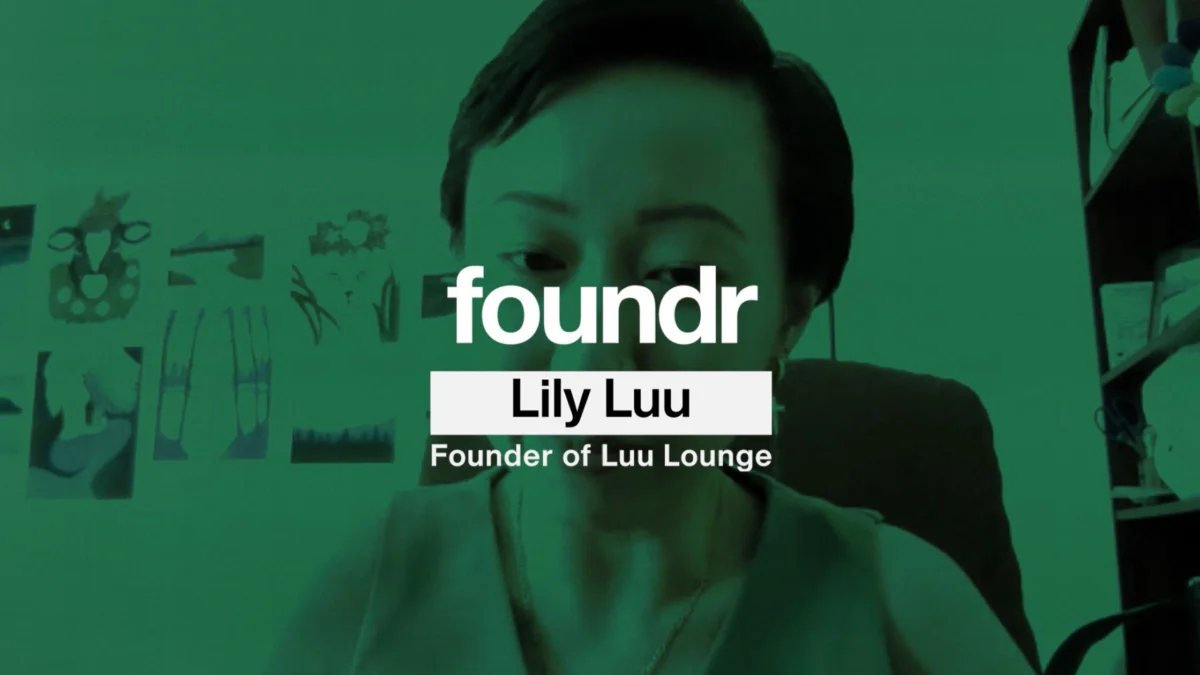
In the modern landscape of entrepreneurship, the "side hustle" has evolved from a hobbyist’s pastime into a sophisticated vehicle for high-growth business. Yet, the challenge remains: how does a full-time professional navigate the grueling demands of product development, supply chain logistics, and digital marketing without burning out?
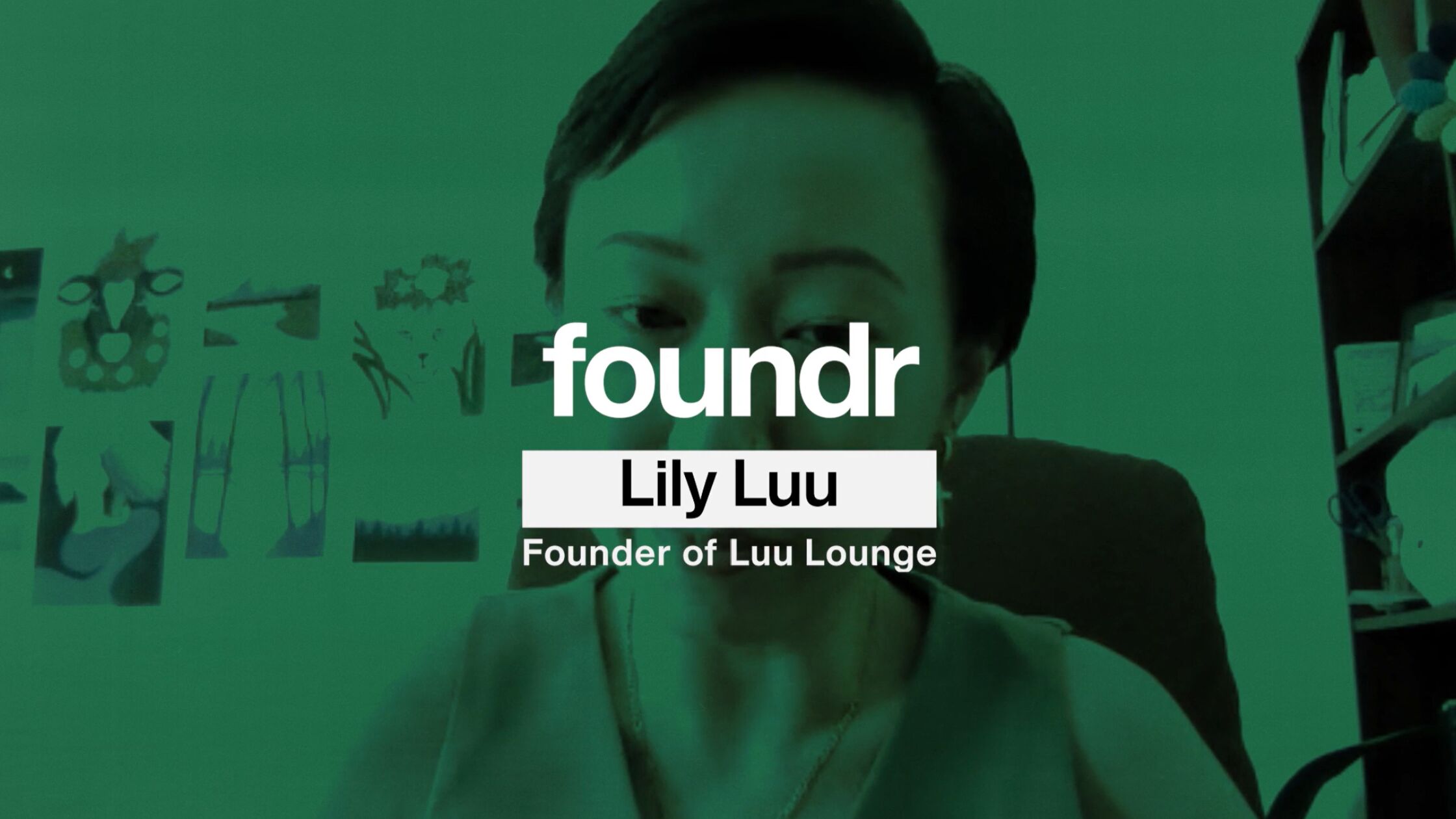
For Lily, an engineer in the electric vehicle (EV) infrastructure sector, the answer wasn’t found in a textbook, but in the persistent, inescapable annoyance of pet hair. Her journey from a frustrated dog owner to the founder of a high-demand custom clothing brand offers a masterclass in operational efficiency, the power of building in public, and the necessity of choosing the right tech stack to automate success.
The Genesis: Solving a Personal Problem
Lily’s foray into the apparel industry was never driven by a desire to influence fashion trends. Instead, it was born from a utilitarian necessity. Balancing a demanding Monday-through-Friday career with the care of three dogs, Lily found herself in a perpetual state of grooming maintenance.
"I work in electric vehicle infrastructure. It’s a nice eight-to-five, Monday through Friday. I have three dogs, and I was always just covered in fur all the time," she recalls.
Most would reach for a lint roller; Lily decided to engineer a solution. She began to wonder if it was possible to manufacture clothing from textiles that were inherently resistant to pet hair or, at the very least, allowed for easy removal. This "simple, persistent, and personal" problem became the bedrock of her brand.
However, moving from a concept to a product was not instantaneous. Lily spent over a year researching manufacturers and developing a custom fabric that met her specific standards. In an era where many entrepreneurs favor dropshipping or white-labeling to get to market quickly, Lily’s commitment to proprietary product development set a high barrier for entry—one that demanded significant time and patience.
Chronology of a Viral Launch
Building a brand while maintaining a full-time career requires a rigorous approach to time management. Lily’s strategy was to "build in public," a methodology that has gained immense traction in the startup ecosystem. By documenting her journey on platforms like TikTok, she transformed her R&D process into a content strategy.
Phase 1: The R&D Marathon (Months 1–12)
During her first year, Lily focused on the technical aspects of her business. While she was performing her duties in the EV sector, her evenings were spent vetting manufacturers. The "build in public" approach served as a form of market validation. As she shared the struggles of fabric testing and prototype iterations, her audience began to grow organically. She wasn’t just selling a shirt; she was selling the story of solving a universal problem.
Phase 2: The Audience Surge (Month 13)
As her TikTok presence grew, the viral nature of her content proved that her frustration was shared by millions. She entered the pre-launch phase with an audience that was not only interested but invested in her success. By the time she was ready for her first official drop, she had cultivated a list of 3,000 potential customers—a vital asset for any startup.
Phase 3: The Launch and Scaling (Month 14)
When the "Buy" button finally went live, the result was immediate. Her initial stock sold out in a matter of hours. This success, while exhilarating, presented a new set of challenges: managing high-volume demand, fulfillment, and customer communication, all while still holding down her corporate position.
The Tech Stack: Scaling Without Burnout
As Lily transitioned from the development phase to active sales, she encountered the "founder’s bottleneck"—the point at which the administrative burden of running a business begins to eclipse the time available to the entrepreneur.
The Email Marketing Hurdle
Lily recognized that if she wanted to scale, she needed an effective email and SMS marketing strategy. Initially, she turned to industry giants like Klaviyo. However, she quickly found that the platform’s complexity created a steep learning curve that conflicted with her limited schedule.
"I was kind of going in circles with it, and things weren’t looking how I wanted them to look," she noted. The frustration of trying to manage complex workflows while working a full-time job made her feel "punished for growing."
Pivoting to Omnisend
The turning point for the brand’s operational efficiency was the switch to Omnisend. For a founder with limited bandwidth, the platform’s intuitive, user-friendly interface allowed her to build sophisticated automations without the technical overhead.
Lily’s approach to using the platform is a testament to the "set it and forget it" philosophy. She utilizes Omnisend to:
- Coordinate Launch Drops: By creating automated sequences that notify subscribers of upcoming releases, she maintains high engagement levels without constant manual intervention.
- Manage Access: She uses SMS and email to provide early-access links, creating a sense of exclusivity and urgency that drives sales velocity.
- Automate Customer Communication: By setting up welcome flows and abandoned cart sequences, she ensures that her brand remains top-of-mind even when she is physically present at her 9-to-5 job.
Data-Driven Growth: The Impact of Automation
The results of this strategic pivot were tangible. By the time of her launch, the 3,000-person list she had curated was primed and ready. The power of these tools allowed her to move from a "reactive" business model—where she was scrambling to respond to customers—to a "proactive" one, where the systems did the heavy lifting.
The data supports this transition:
- Conversion Efficiency: By using targeted email and SMS, she was able to achieve a high sell-through rate during her first drop.
- Audience Retention: The use of automated SMS alerts ensured that her audience remained attentive, reducing the "churn" often associated with new, unproven brands.
- Operational Bandwidth: By delegating communication to Omnisend’s automation, Lily reclaimed valuable hours each week, which she redirected into product refinement and fulfillment logistics.
Implications for the Modern Entrepreneur
Lily’s story provides a blueprint for the "intrapreneurial" founder—someone who bridges the gap between traditional corporate employment and startup ownership. The implications are clear:
1. The Death of the "Do It All" Mentality
Many founders fall into the trap of thinking they must personally manage every email, tweet, and fulfillment label. Lily’s experience demonstrates that the most successful founders are those who leverage automation early. If a tool requires you to work "in" the business rather than "on" it, it is a liability.
2. Community as a Competitive Advantage
By building in public, Lily created a community of early adopters who felt they were part of the brand’s journey. This community acted as a buffer during the initial launch, providing the social proof necessary to drive sales the moment the store opened.
3. Simplicity Over Feature-Bloat
For a solo founder, a platform’s utility is not measured by the number of features it offers, but by the speed at which it allows the user to achieve a desired result. Her shift from a complex platform to a more intuitive one was not a "step down"; it was a strategic choice to prioritize speed and usability.
Conclusion: Lessons from the Field
The intersection of technology and entrepreneurship has never been more accessible, yet the primary constraint remains the same: time. Lily’s successful launch serves as a powerful reminder that while the idea for a business might come from a personal frustration, the longevity of that business is built on the systems you put in place to manage your own capacity.
For those looking to replicate her success, the path is clear:
- Solve a real problem: Don’t just build a brand; build a solution.
- Document the process: Use your journey to build an audience before you have a product to sell.
- Invest in intuitive systems: Choose tools that scale with your growth rather than creating new friction.
As Lily continues to grow her brand, she stands as a beacon for professionals everywhere who are looking to turn their "side hustles" into sustainable, high-growth ventures. By prioritizing efficiency, she has proven that with the right tools and a clear vision, the 9-to-5 job doesn’t have to be a barrier—it can be the very foundation upon which a dream is built.
For readers inspired by Lily’s journey, Foundr is currently offering a special incentive to streamline your own marketing operations. You can get 50% off your first three months of Omnisend by using the code FOUNDR50 at checkout. It is a practical step toward building a brand that works for you, rather than you working for it.
 Dwi Wanna
  rifanmuazin
  Asep Darmawan