
 By Nana Muazin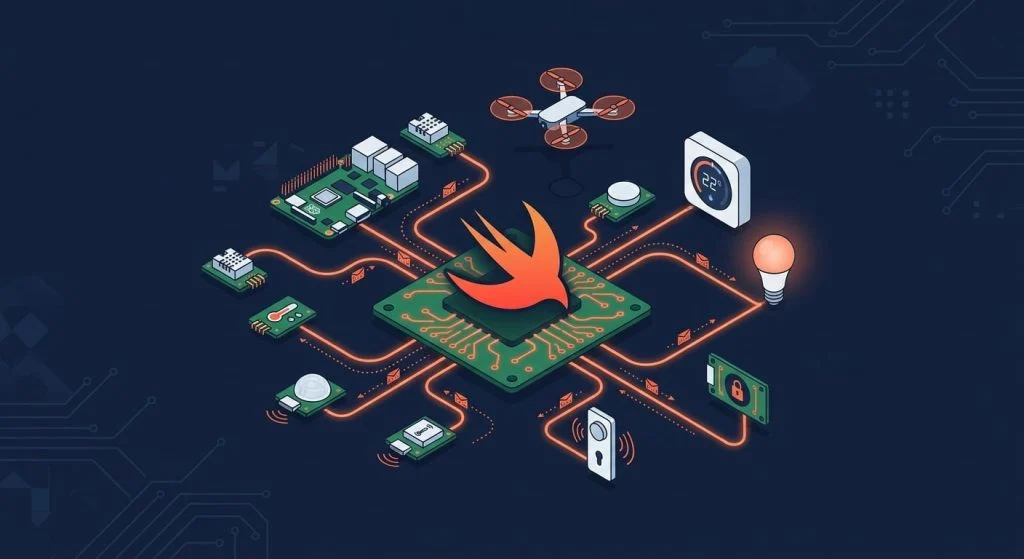
The rapid evolution of cloud computing shows no signs of slowing down. This week, Amazon Web Services (AWS) has rolled out a series of significant updates that bridge the gap between high-performance edge computing, enterprise-grade database flexibility, and the frontier of generative artificial intelligence. From the newfound availability of the AWS IoT Device SDK for Swift to the integration of OpenAI’s latest models into the Bedrock ecosystem, the landscape for developers and enterprise architects is shifting toward greater interoperability and resilience.
The Rise of Swift at the Edge: A New Paradigm for IoT
The most notable development for the developer community this week is the general availability of the AWS IoT Device SDK for Swift. For years, Swift has been synonymous with iOS and macOS development. However, its transition into the server-side environment—and now, into the Internet of Things (IoT)—marks a transformative chapter for the language.
Bridging the Gap
As a member of the Swift Server Workgroup (SSWG), the AWS team has prioritized production-readiness in this release. The new SDK provides native support for MQTT 5, Device Shadow, Jobs, and fleet provisioning. By enabling Swift developers to deploy code directly to macOS, iOS, tvOS, and Linux-based IoT devices, AWS is effectively reducing the friction between application-layer logic and edge-device hardware.
The Broader Trend: WendyOS and Beyond
This release is not an isolated event but rather a reflection of a broader industry trend toward "Swift at the Edge." Projects like WendyOS—an open-source operating system specifically engineered for physical AI—exemplify this shift. By offering first-class Swift support for hardware platforms such as the NVIDIA Jetson and Raspberry Pi, the ecosystem is enabling developers to utilize a type-safe, performance-oriented language for complex edge computing tasks. This evolution is enabling developers to move away from legacy C/C++ workflows in favor of a modern, memory-safe alternative that doesn’t compromise on efficiency.
Enterprise Infrastructure: RDS and Cognito Enhancements
While edge computing is capturing the imagination of developers, AWS continues to bolster its core infrastructure to meet the rigorous demands of enterprise IT.
RDS for SQL Server: Bring Your Own Media (BYOM)
For organizations migrating from on-premises data centers to the cloud, licensing complexity is often the primary bottleneck. With the launch of Bring Your Own Media (BYOM) for Amazon RDS for SQL Server, customers can now leverage their existing Microsoft SQL Server licenses—including those with active Software Assurance—within the AWS environment.
This integration, managed via the AWS License Manager, allows for automated tracking of license usage and compliance. By removing the need to procure new licenses upon migration, AWS is significantly lowering the Total Cost of Ownership (TCO) for enterprises looking to modernize their database estate without abandoning their long-term software investments.
Amazon Cognito: Multi-Region Resilience
Resilience is the cornerstone of modern cloud architecture. The introduction of multi-Region replication for Amazon Cognito addresses the critical need for business continuity in the event of a regional failure.
- Near Real-Time Synchronization: User identity data, configurations, and federation setups can now be replicated to a secondary, standby Region.
- Seamless Failover: In the event of a primary Region outage, users can maintain access to their applications without the need for re-authentication.
- Operational Scope: Available as an add-on in the Essentials and Plus tiers, this feature spans 16 AWS Regions, ensuring that even globally distributed applications can maintain high availability with minimal latency impact.
The AI Frontier: OpenAI Models and Codex on Bedrock
Perhaps the most anticipated news of the week is the general availability of GPT-5.5, GPT-5.4, and OpenAI Codex on Amazon Bedrock. This integration marks a critical step in democratizing access to the world’s most advanced Large Language Models (LLMs) while maintaining the security and governance standards expected by enterprise users.
The Power of GPT-5.5
GPT-5.5, the flagship model in this release, is positioned as the most capable model from OpenAI to date. Its architecture is specifically optimized for:
- Agentic Coding: The ability to execute autonomous, multi-step software development tasks.
- Deep Data Analysis: Processing complex, multi-modal datasets with high reasoning accuracy.
- Autonomous Workflows: Handling multi-step processes that previously required human intervention.
Codex and the Developer Workflow
The inclusion of Codex—available through the Codex App, CLI, and deep IDE integrations with Visual Studio Code, JetBrains, and Xcode—transforms the developer experience. By enabling AI-powered code generation directly within the developer’s native environment, AWS is accelerating the "time to commit." Furthermore, because these models are consumed via Amazon Bedrock, organizations benefit from unified billing and security controls, with usage costs counting toward existing AWS committed spend.
Implications for the Industry
The combination of these releases points to a future where the distinction between "edge," "server," and "AI-driven application" continues to blur.

- Reduced Fragmentation: By providing a unified language (Swift) across edge devices and cloud backends, AWS is helping organizations simplify their technology stacks.
- Governance in the Age of AI: The move to put GPT-5.5 behind the "walled garden" of Bedrock provides the compliance-focused guardrails that C-suite executives require before deploying generative AI in production.
- The "Migration-First" Era: The BYOM license program for SQL Server signals that AWS is doubling down on capturing legacy enterprise workloads, effectively stripping away the financial barriers to cloud migration.
Looking Ahead: Building the Future
As we look toward the remainder of the quarter, the emphasis remains on connectivity and community. AWS continues to push the envelope through its various events, including AWS Summits and Community Days.
For those looking to get hands-on, the AWS Builder Center has become an essential resource for connecting with industry peers and accessing architectural guidance. Whether you are experimenting with Swift on a Raspberry Pi or scaling a global authentication system with Cognito, the tools provided this week offer a robust foundation for the next generation of cloud-native applications.
Summary of Key Launches
| Service | Announcement | Key Benefit |
|---|---|---|
| AWS IoT | Swift SDK GA | Native, high-performance IoT development |
| Amazon RDS | BYOM for SQL Server | Cost-efficient license migration |
| Amazon Cognito | Multi-Region Replication | Near real-time disaster recovery |
| Amazon Bedrock | GPT-5.5 & Codex | Enterprise-grade access to top-tier AI |
As always, the pace of innovation at AWS remains blistering. For a comprehensive list of all updates, including granular technical documentation, developers are encouraged to monitor the AWS What’s New page.
The convergence of AI, edge-native languages, and resilient database infrastructure is not just changing how we build; it is changing what is possible. Stay tuned to next week’s roundup as we continue to track these developments in real-time.
 Neng Nana
  Suro Senen
  Lina Hope