
 By Lina Irawan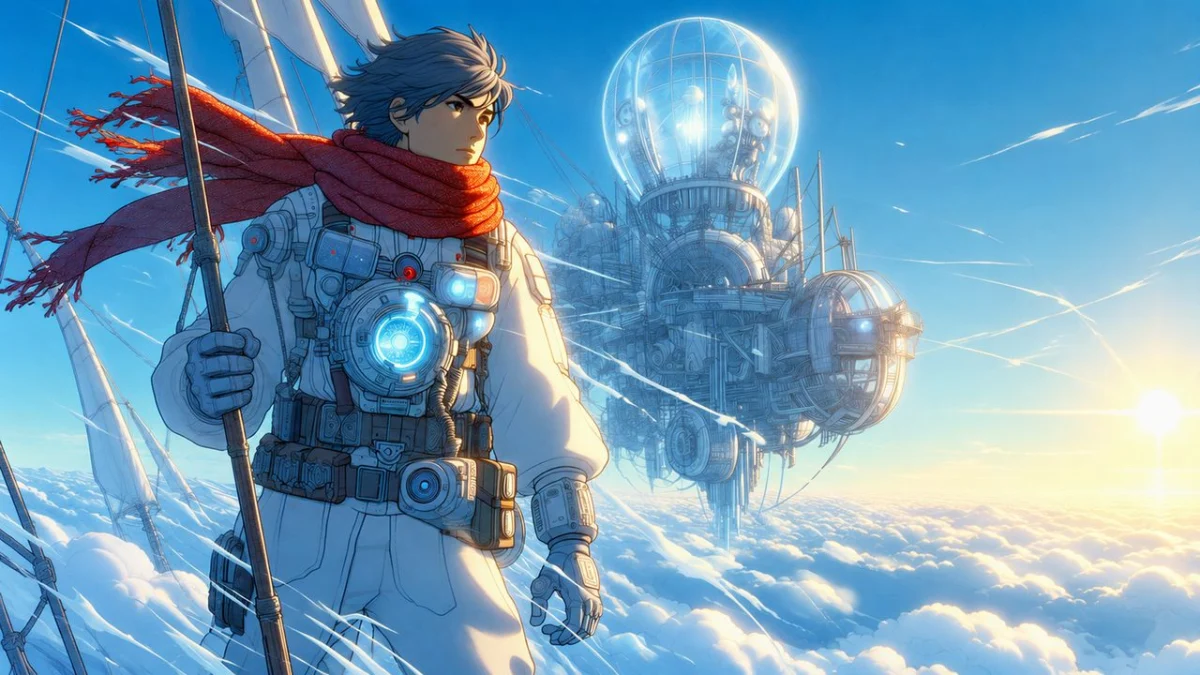
The debate surrounding Artificial Intelligence in creative fields is undergoing a profound evolution. No longer fixated on the fundamental question of whether AI should be used, the conversation has matured to explore the nuanced intricacies of how, when, and why generative AI can be deployed to redefine artistic and narrative boundaries. While much of this discourse often centers on image generation and productivity enhancements, a new vanguard of creators is harnessing AI to tackle ambitions far grander: the construction of intricate, expansive fictional worlds. Leading this charge is Gerard Bisbal with his groundbreaking project, NUVAGAIA.
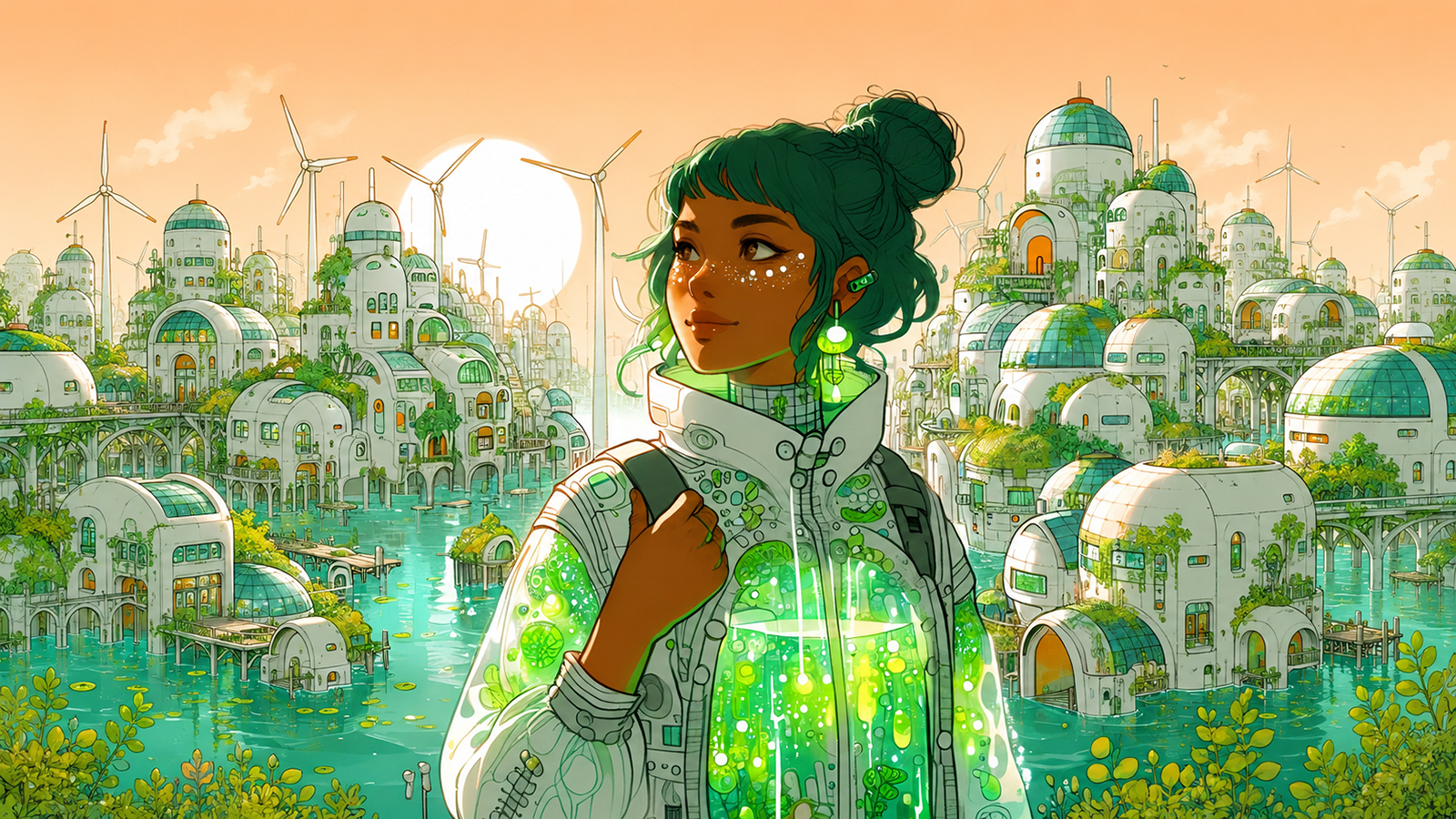
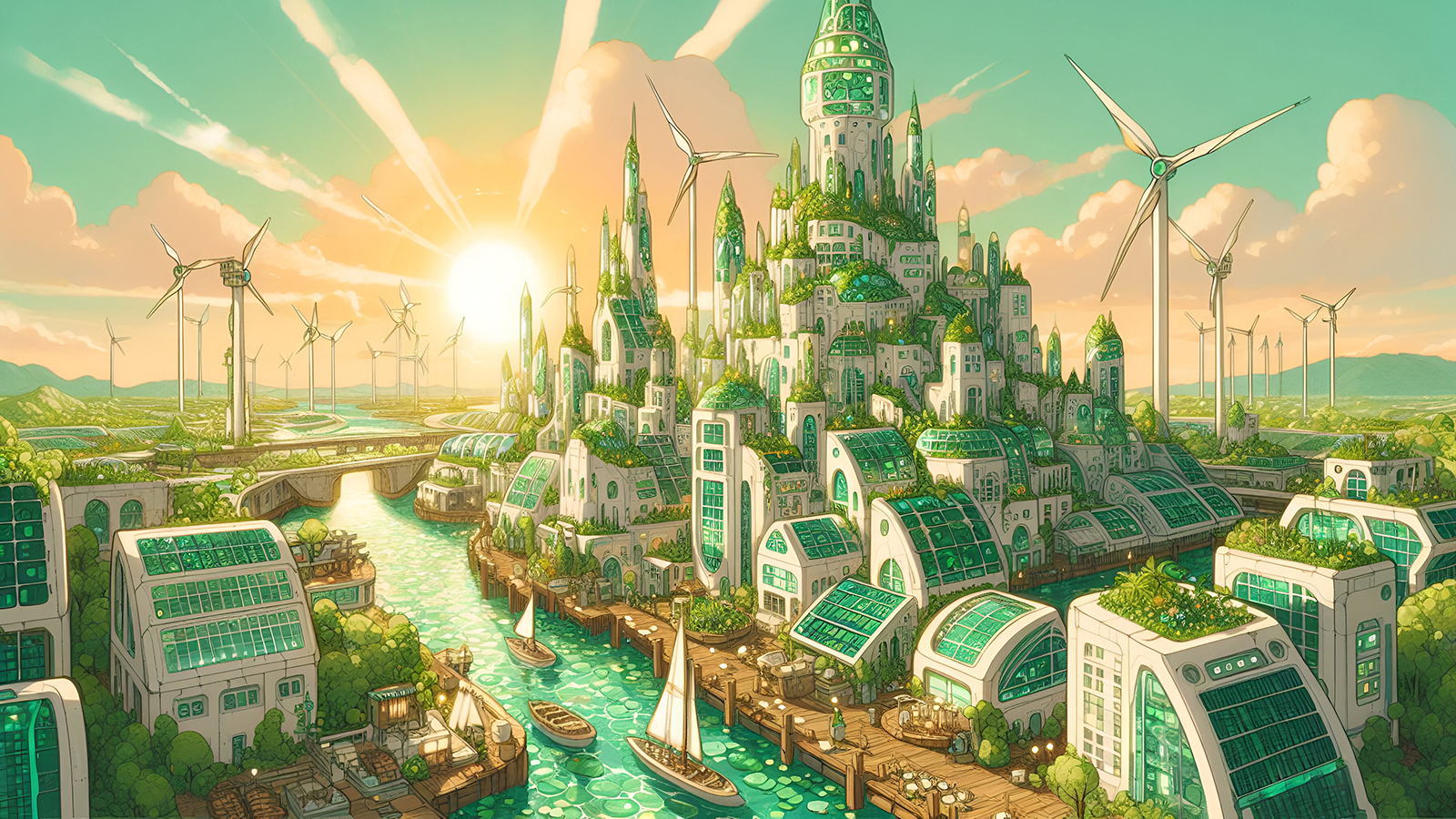
NUVAGAIA stands as a testament to this burgeoning paradigm, an ambitious science fiction universe that masterfully intertwines the optimistic, sustainable ethos of solarpunk with the chilling, existential dread of cosmic horror. Spanning a diverse array of media – from immersive podcasts and compelling short stories to striking artwork, dynamic videos, an ever-expanding public wiki, and even interactive fiction – NUVAGAIA embodies the very essence of transmedia storytelling. In an era predating advanced AI, such an expansive undertaking would have been the exclusive domain of large studios, demanding vast teams of writers, artists, producers, and millions of dollars in investment. Projects of this scale, like Reflector Entertainment’s Unknown 9: Awakening, often grapple with the immense logistical and creative complexities inherent in their multi-platform ambitions. Yet, Gerard Bisbal is building NUVAGAIA largely by himself, leveraging a sophisticated array of AI tools to bring his singular vision to life.
What makes NUVAGAIA particularly compelling isn’t merely the deployment of advanced technology, but Bisbal’s discerning direction, meticulous editing, and insightful shaping of AI-generated content into a cohesive, believable, and deeply engaging narrative experience. His work offers a powerful blueprint for how emerging AI tools are democratizing large-scale content creation, enabling solo artists to conceptualize and execute projects on a scope previously unimaginable.
The Dawn of a New Creative Paradigm: AI as the Ultimate Enabler
Historically, the creation of an expansive, multi-platform fictional universe was an enterprise reserved for well-funded entertainment conglomerates. The sheer volume of content required across different formats—from narrative scripts and visual designs to soundscapes and interactive elements—demanded vast resources, extensive talent pools, and often years of development. The logistical overhead, the intricate coordination between disparate teams, and the inevitable creative wrangling often proved to be as challenging as the artistic endeavor itself. These traditional barriers effectively gatekept ambitious world-building projects, rendering them largely inaccessible to independent or solo creators.
Gerard Bisbal’s journey with NUVAGAIA began not with a technological solution, but with an idea so grand it immediately confronted these conventional limitations. "AI became central because NUVAGAIA began as an idea that was too large for me to develop alone through traditional means," Bisbal explains. His initial aspiration was simply to forge his own unique sci-fi world. However, he quickly recognized that a meticulously crafted world, no matter how rich, remains inert without accessible entry points for an audience. This realization naturally led him to the transmedia approach: podcasts for auditory immersion, stories for character depth, images for visual identity, videos for dynamic storytelling, a website and wiki for canonical lore, and interactive fiction for audience engagement.
Crucially, AI wasn’t an afterthought or an opportunistic addition; it was integral to the project’s feasibility from its very inception. Bisbal highlights that there was "no phase ‘before AI’ that was completely separate." AI served as a powerful accelerator, enabling him to bridge the chasm between a grand vision and its practical execution. It allowed him to explore, prototype, and publish across diverse formats at a pace and scale that would have been "unfeasible" for a single individual using conventional methods.
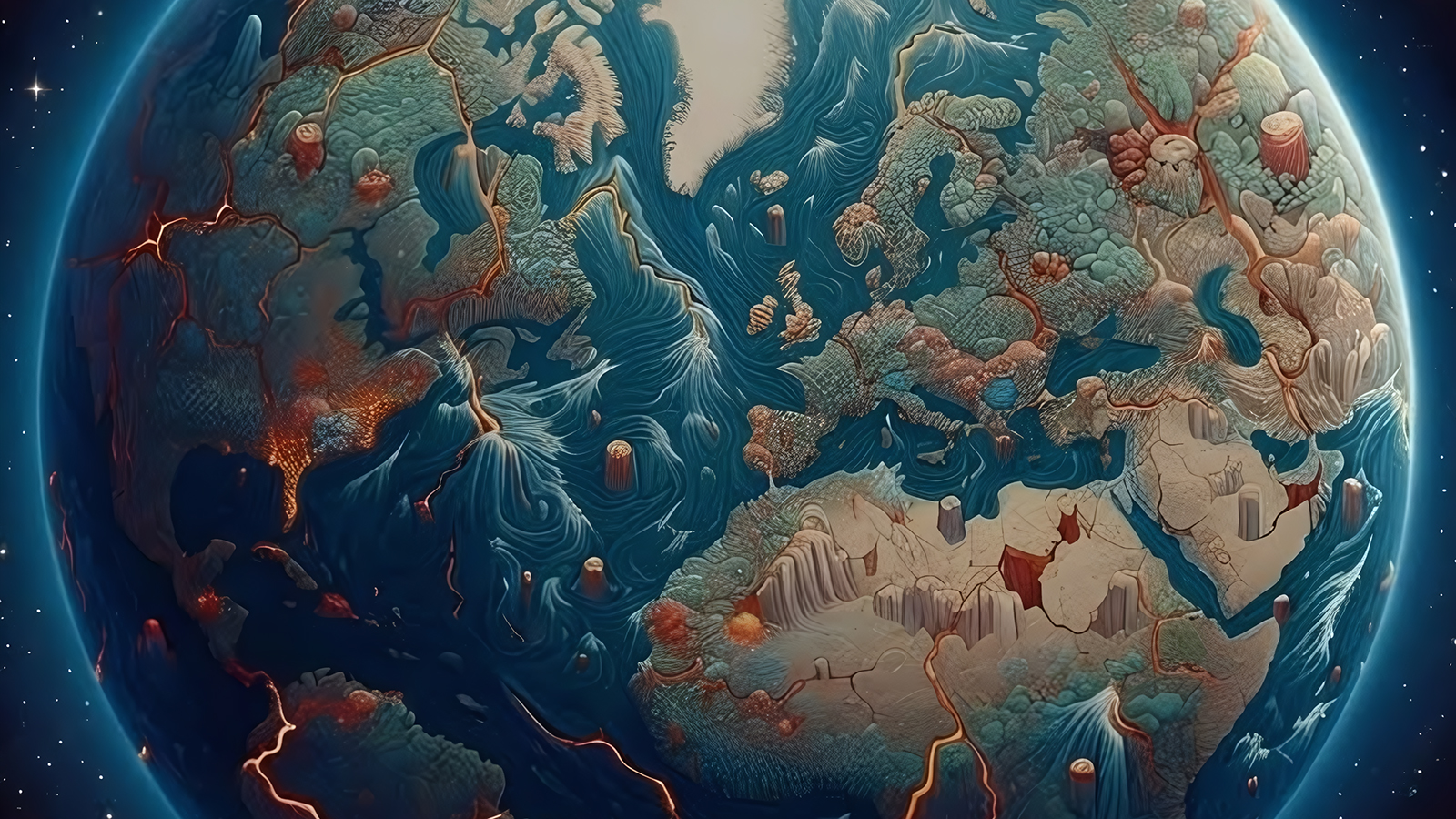
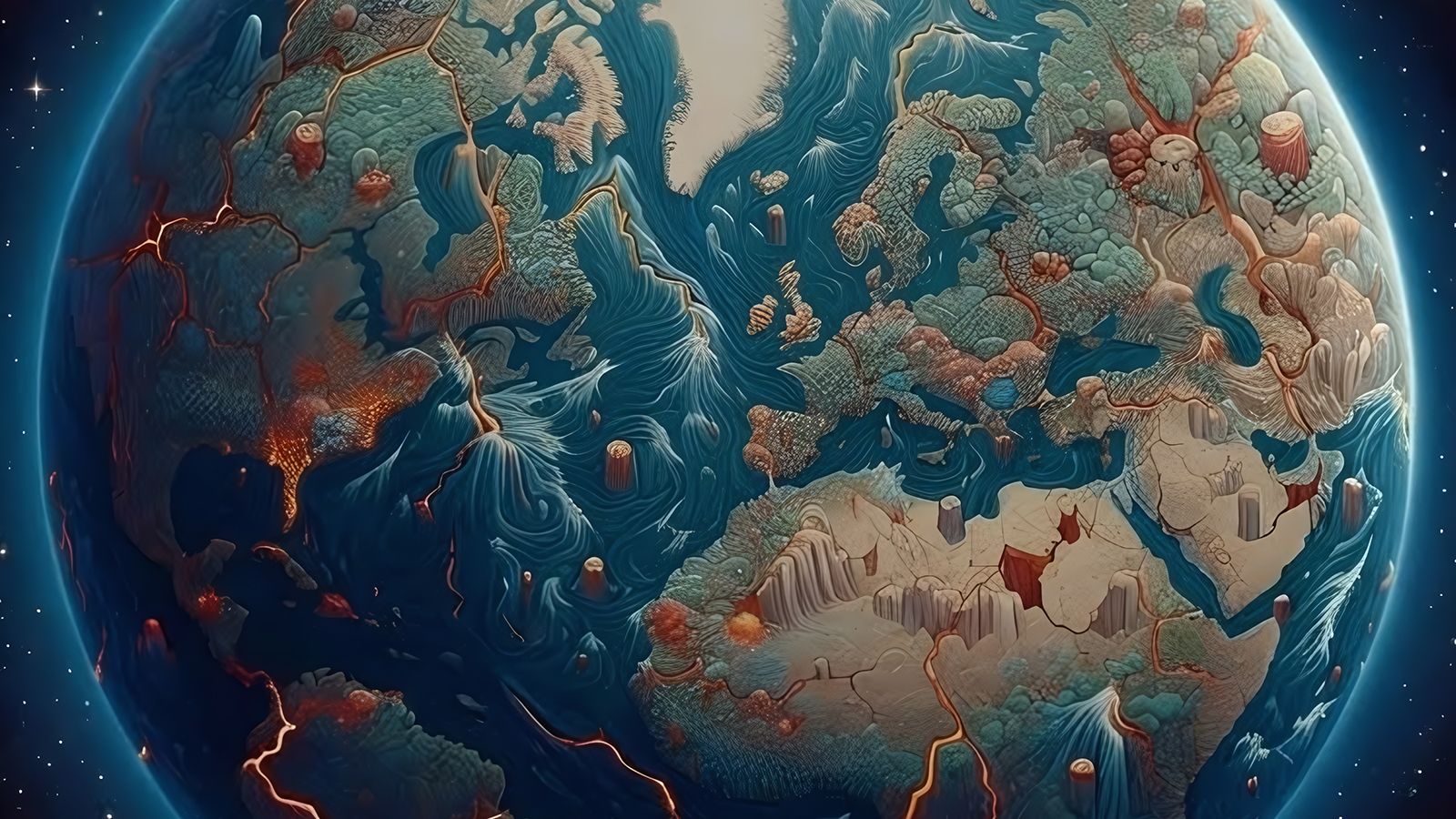
The conceptual genesis of NUVAGAIA itself was strategically assisted by AI. Bisbal utilized these tools for rapid research and conceptual exploration, seeking underdeveloped territories within the science fiction landscape. This exploration led him to solarpunk, a genre he recognized as having immense potential. From this foundation, he established the core premise of NUVAGAIA: "solarpunk in contrast with cosmic horror." This inherent tension provided a fertile ground for narrative and thematic development. AI then aided in structuring these initial intuitions, helping him create foundational documents, refine visual ideas, establish internal rules, and flesh out civilizations, characters, and conflicts with unprecedented speed and efficiency. This early integration of AI transformed scattered ideas into a clearer, more coherent world structure, laying a solid groundwork for the expansive universe that was to follow.
NUVAGAIA’s Multiverse: A Deep Dive into AI Integration
Bisbal’s application of AI transcends simple text or image generation; it’s a sophisticated, directed deployment across every facet of NUVAGAIA’s development. He emphasizes its role as a "directed tool," always subservient to his overarching creative vision.
Visuals: Crafting an Aesthetic Identity
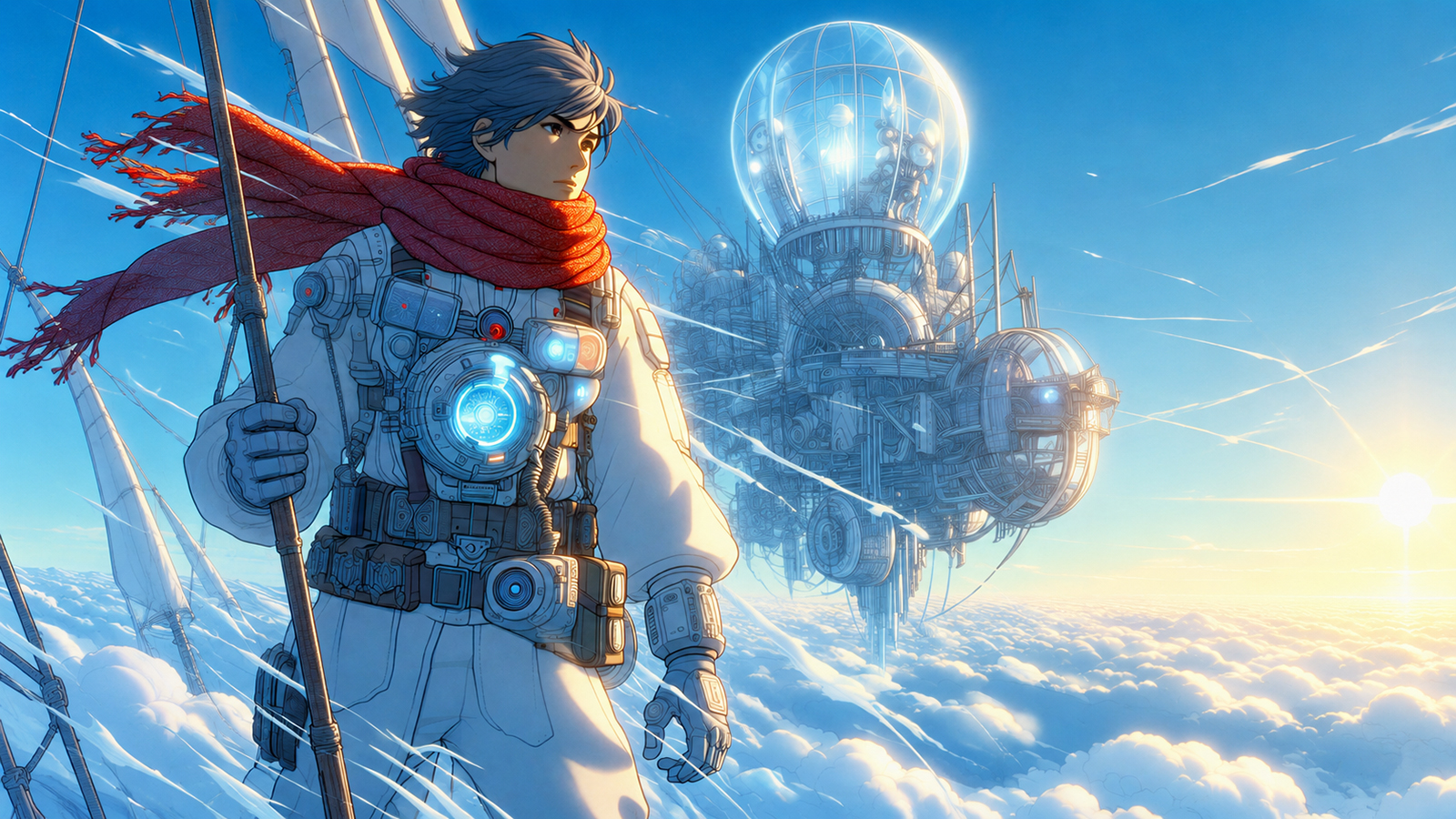
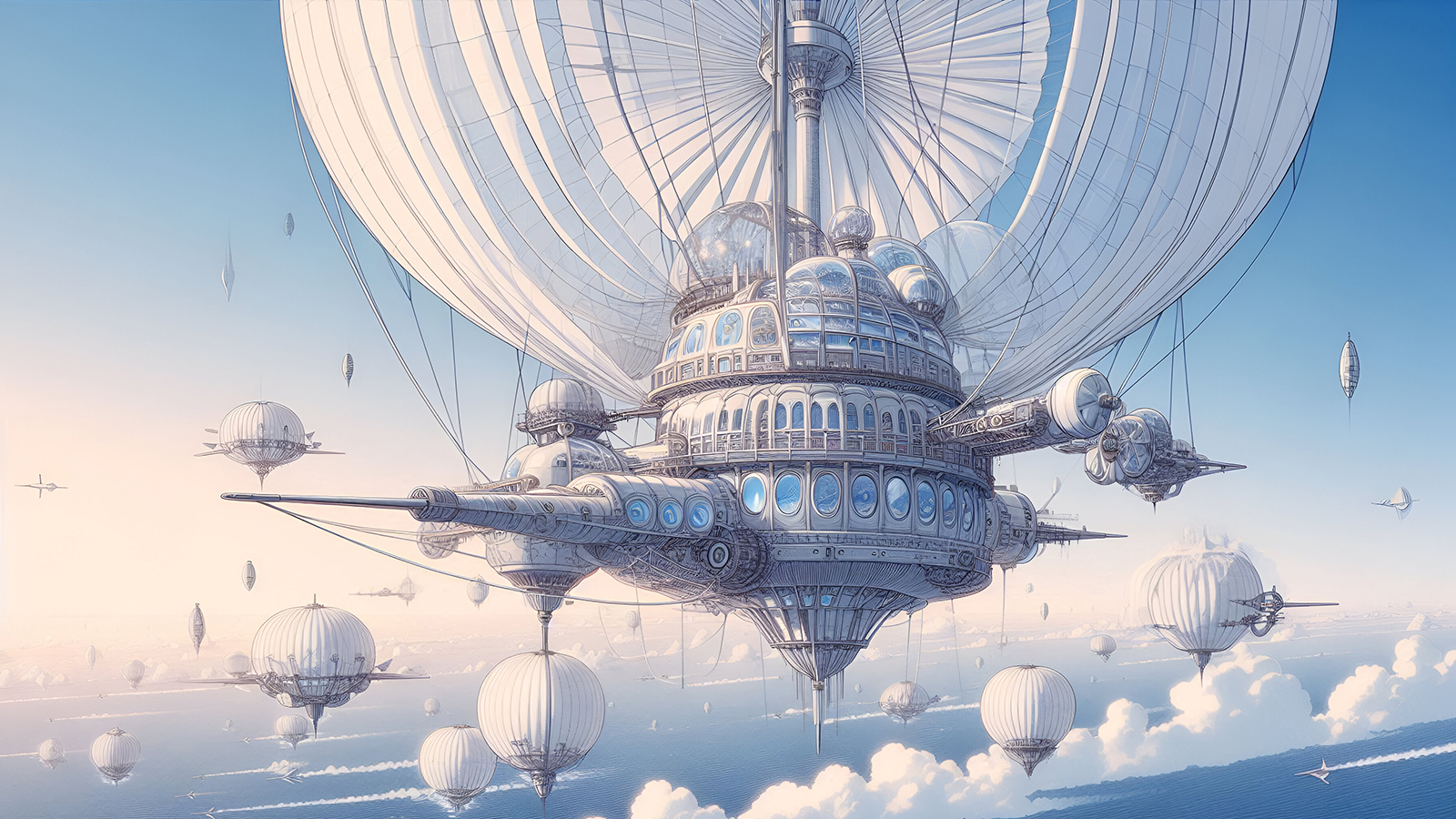
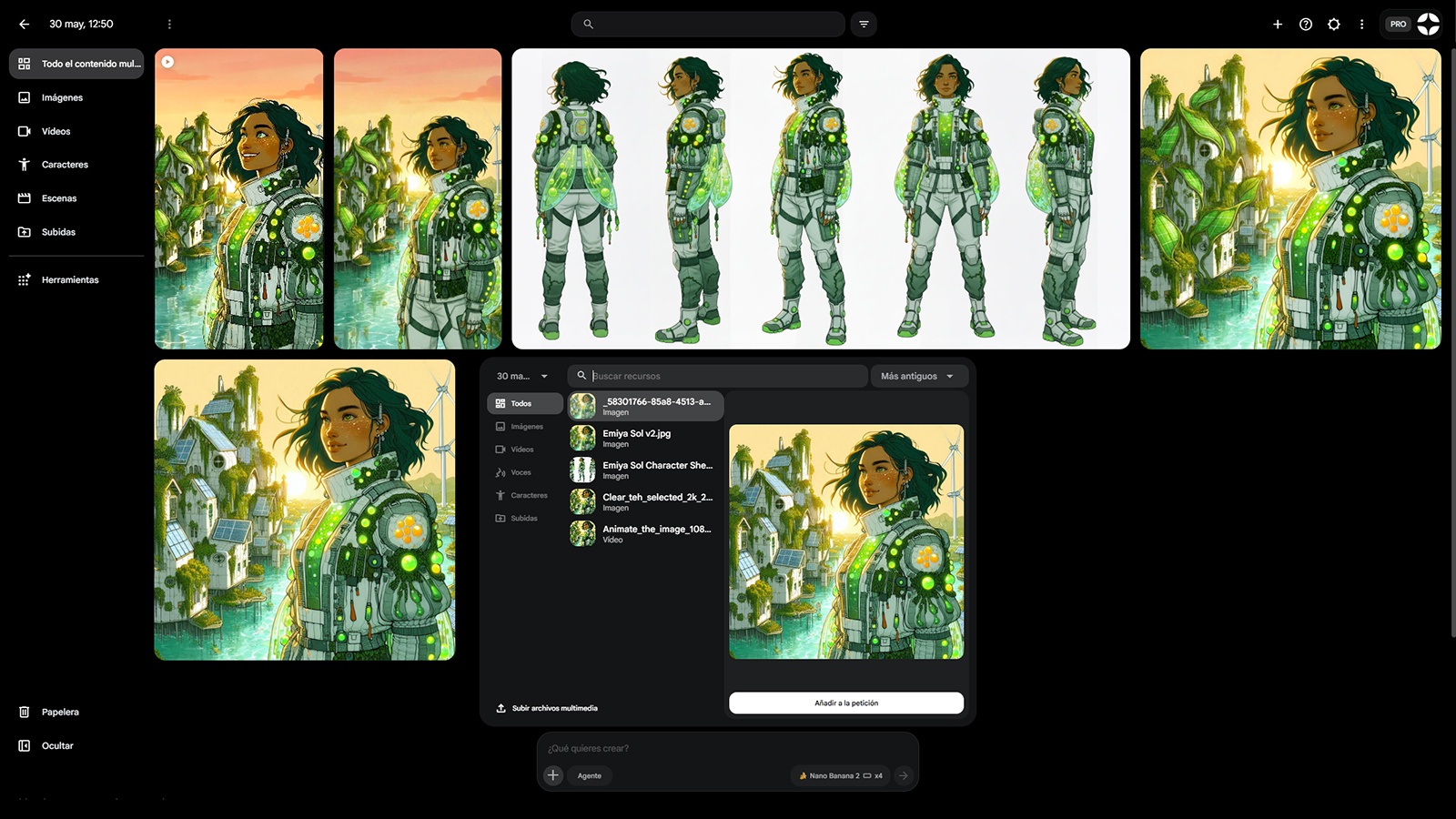
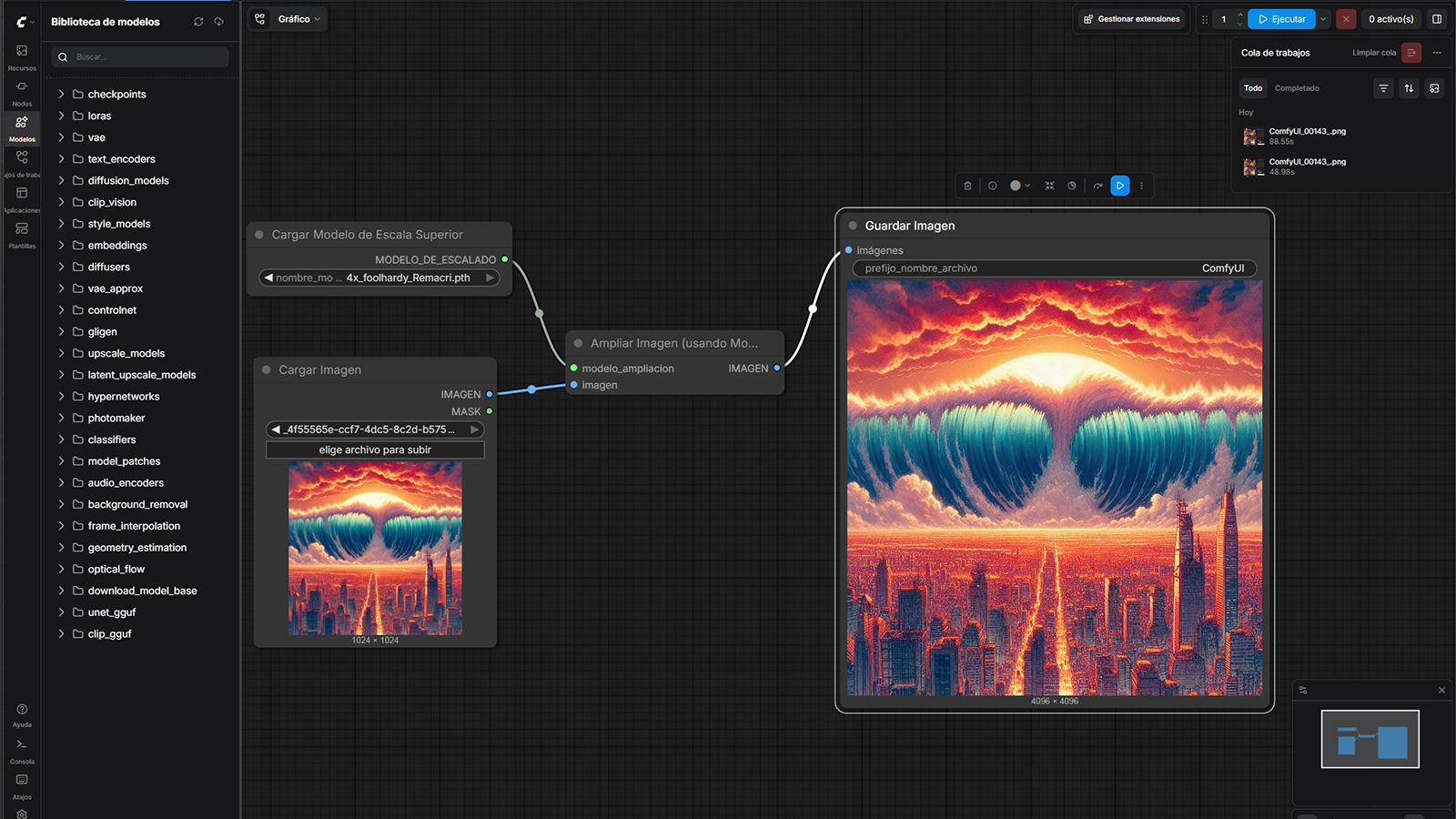
For the visual components of NUVAGAIA, AI is not a magic button but a powerful iterative engine. Bisbal begins with "structured prompts," which are then subjected to rigorous testing and variation. The process involves generating numerous outputs, meticulously discarding those that don’t align, and continuously iterating until an image perfectly encapsulates NUVAGAIA’s unique visual tone. His preference for DALL·E 3, despite the emergence of newer models, is telling: it provides the "hand-drawn finish" crucial to the project’s distinct aesthetic identity. Beyond initial generation, Bisbal employs a suite of other tools like ComfyUI, GPT Image 2, Nano Banana Pro, and Veo in Google Flow for detailed retouching, editing, and video production, ensuring that AI-generated elements are polished and integrated seamlessly.
Audio: Immersive Soundscapes and Voices
The podcast component of NUVAGAIA is a prime example of AI’s role in audio production. After Bisbal meticulously crafts the script, he leverages text-to-speech (TTS) tools to generate the character voices. Specifically, he uses Gemini TTS within a customized Google Colab environment, which grants him precise control over "tone, speed, and intention." This granular control is vital in preventing the robotic, monotonous quality often associated with early AI voices. Following generation, Bisbal takes over for the crucial manual tasks: assembly, editing, music selection, sound effects, and pacing. This hybrid approach ensures that while AI handles the labor-intensive voice synthesis, the final auditory experience retains a human touch and emotional resonance.
Lore and Continuity: The Backbone of a Universe
Maintaining coherence and consistency across a transmedia universe is arguably the greatest challenge, especially for a solo creator. This is where AI, particularly large language models, proves indispensable for Bisbal. ChatGPT serves as his primary "assistant for worldbuilding, organisation, creative strategy, and coherence review." It functions as an extended working memory and a powerful consultation tool, helping him manage the vast amounts of lore, test new ideas, and ensure narrative continuity. The AI assists in organizing references, exploring possibilities, and transforming disparate intuitions into a well-structured world. This systematic approach allows Bisbal to maintain a global view of the project, ensuring that every new piece of content fits within the established canon.
Website and Communication: The Public Face
Even the project’s public-facing elements benefit from AI. Bisbal uses it for "vibe-coding" the website, ensuring its aesthetic and functionality align with NUVAGAIA’s identity. It also aids in translation, a critical function for a global audience, and in preparing various communication materials, streamlining the outreach process.
The Human Element: Steering the AI Ship
Despite the extensive use of AI, Bisbal unequivocally asserts that human judgment and vision remain paramount. "Coherence does not appear simply because you use AI; it appears because you have clear criteria," he states. NUVAGAIA is built upon a bedrock of internal rules, defined names, distinct civilizations, a precise chronology, a consistent aesthetic, and a logical framework for its conflicts. AI serves to expand these elements, but it does not dictate what belongs or what doesn’t. Bisbal’s discerning eye is the ultimate arbiter: "If an image is spectacular but does not feel like NUVAGAIA, it is not useful. If a text explains too much or contradicts the tone, it gets rewritten."
Each format is assigned a specific function within the ecosystem: the podcast delivers immersive narratives, short stories deepen character backstories and cultural nuances, the wiki serves as a progressively unlocked public archive of canon, and images make the abstract world visible. AI accelerates the production process, but the ultimate coherence and artistic integrity derive directly from Bisbal’s unwavering vision and critical judgment.
Evolving Narratives: Interactive Storytelling and Future Horizons
NUVAGAIA is not envisioned as a static, closed narrative but as a dynamic, evolving universe designed for layered growth. Bisbal is already pushing the boundaries of interactive storytelling within the project. The "Thresholds" series, for instance, offers readers pivotal choices that not only shape the immediate story but also become integrated into the official canon, recorded and preserved within the NUVAGAIA wiki. This innovative approach blurs the lines between creator and audience, allowing the community to actively participate in the universe’s unfolding history.
Looking ahead, Bisbal sees NUVAGAIA’s potential to expand into even broader formats. Tabletop or card games could offer new avenues for strategic engagement, while a more deeply interactive experience, such as a video game, or even a full-fledged series or film adaptation, remains a long-term aspiration. However, he wisely prioritizes a strong foundation: "Before reaching that point, the important thing is to build a solid foundation: world, tone, characters, rules, and community." This reflects a strategic understanding that technological prowess must always serve a robust creative core.
Maintaining continuity across these diverse and potentially interactive formats is a complex task. Bisbal achieves this by building NUVAGAIA "from the inside out." He maintains extensive internal documentation—character sheets, civilization guides, naming conventions, chronologies, rules for key factions like the Star Weavers, and a detailed visual tone guide—much of which remains unseen by the public but underpins every published piece. This internal scaffolding, combined with the wiki as a public archive, ensures that the universe remains consistent and coherent, no matter how many layers or formats are added. Here, AI acts as a crucial "working memory and consultation tool," but "continuity depends, above all, on structure, revision, and human editorial decisions."
The AI Toolkit: Specific Models and Methodologies
Bisbal’s approach to AI tool selection is pragmatic and purpose-driven, choosing specific models based on their efficacy for particular tasks.
- ChatGPT: This serves as his central generative AI assistant for the expansive task of worldbuilding, organizing complex information, formulating creative strategies, and ensuring overall narrative coherence. Its ability to maintain a global view of the project is invaluable for managing NUVAGAIA’s intricate lore.
- Gemini: For the iterative development of podcast scripts, Bisbal finds Gemini to be particularly effective, citing its performance after testing various alternatives.
- Gemini TTS (within Google Colab): This customized text-to-speech environment allows for precise manipulation of vocal tone, speed, and emotional intention, critical for creating believable AI-generated voices for the podcast.
- DALL·E 3: This image generation model is chosen specifically for its capacity to produce the "hand-drawn finish" that defines NUVAGAIA’s unique visual identity, showcasing that sometimes an earlier model’s specific aesthetic output can be more valuable than a newer model’s raw power.
- ComfyUI, GPT Image 2, Nano Banana Pro, and Veo in Google Flow: These tools are deployed for post-generation tasks such as retouching, detailed editing, and video production, demonstrating a multi-faceted approach to refining AI outputs.
A significant challenge in using AI-generated content is preventing it from feeling repetitive or "soulless." Bisbal directly confronts this, stating, "You should not accept the first output as the final answer. AI can produce correct things very quickly, but the correct does not always have soul." His strategy involves imposing "clear limits" on the AI: defining which civilization is speaking, their tone, the underlying conflict, and the piece’s function within the world. Many AI outputs are discarded, and others are heavily transformed through human intervention. For visuals, he actively seeks "expressive imperfection and coherence, not just spectacularity." In texts, he ensures there’s always a fundamental "human question underneath: loss, identity, hope, guilt, community." He openly acknowledges the ongoing difficulty with AI voices, noting that despite advancements, they "can still break immersion," leading him to treat the current podcast as an "evolving proof of concept."
Bisbal’s inspirational approach to AI-powered world-building stems from a prior personal AI-assisted project, which illuminated the technology’s potential for grand creative endeavors. His primary interest was always the world itself—its cultures, aesthetics, tensions, and possibilities. The intersection of solarpunk and cosmic horror provided the creative spark, a "hopeful future confronted with something it cannot fully understand." He further enriched this by developing distinct civilizations like the Hydrovelan and Nanocodax, evolutions of steampunk and cyberpunk imaginaries. AI merely provided the means to explore these complex ideas at an incredible pace, transforming a concept that might have languished in a drawer into a vibrant, living universe.
Authorship in the Age of AI: A Philosophical Inquiry
The rise of generative AI inevitably sparks critical questions about authorship, intellectual property, and the very nature of creative work. Gerard Bisbal’s experiences offer a pragmatic and insightful perspective on these evolving concepts. He sees AI primarily as a "tool for production and exploration," one that undeniably opens "new ways of telling transmedia stories." It enables him to translate a single idea into a multitude of expressions: a story, an image, a podcast episode, a video, a website, a wiki entry, or an interactive piece. This capability fundamentally alters how one approaches world development, shifting it from a purely textual endeavor to a "system of connected formats."
However, Bisbal is resolute in his stance on authorship. He firmly believes that "AI is not an author by itself. For me, authorship lies in vision, judgment, selection, and direction." He likens AI to "a new palette of brushes," acknowledging that it expands the scope of what a creator can attempt, but it "does not decide what deserves to exist." This perspective places the human creator firmly at the helm, utilizing AI as a powerful extension of their creative will, rather than an autonomous creative entity.
Bisbal is also keenly aware of the legitimate ethical concerns surrounding AI: questions of rights, the potential displacement of human labor, and the perceived loss of artistic value. He stresses that "those concerns should not be ignored." However, his personal experience suggests that "using AI does not eliminate human creativity; it amplifies it." He argues that the more powerful the tools become, "the more you need taste, direction, editing, and responsibility." His philosophy boils down to a clear directive: it’s "not about letting AI create for you, but about learning how to direct it." This framing emphasizes skill, discernment, and ethical stewardship as crucial components of AI-augmented creativity.
Democratizing Creation: The Unprecedented Scale for Solo Artists
The ultimate question posed to Bisbal—could NUVAGAIA exist without AI—elicits a definitive response that encapsulates the transformative power of these tools for independent creators. "NUVAGAIA as an idea, perhaps yes. NUVAGAIA as a real, published and transmedia project, not in this way," he asserts. Without AI, the project would likely have remained "a folder of notes, a few concepts, and maybe a short story."
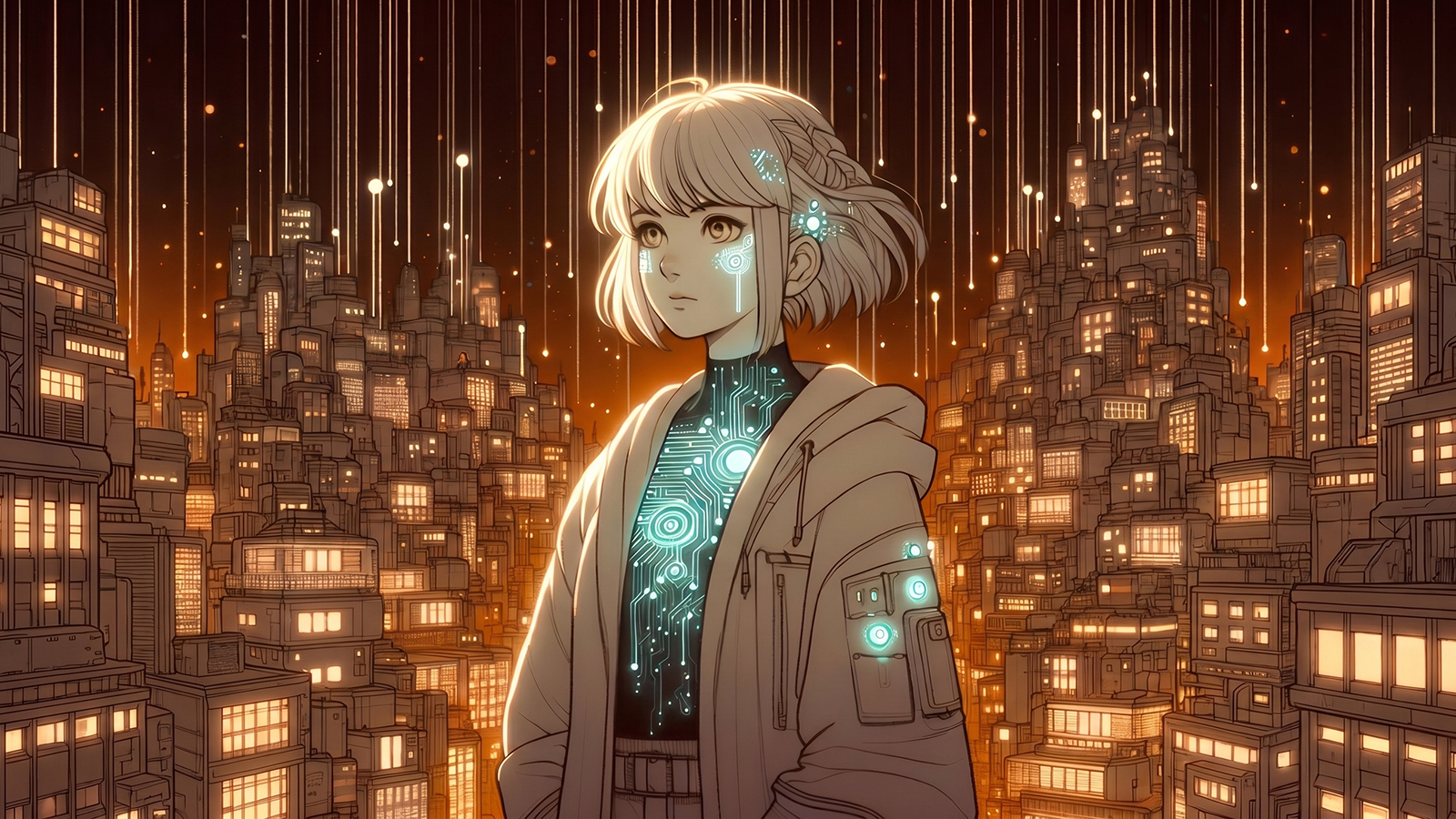
AI drastically "reduced the distance between imagining the world and being able to materialise it." What would have taken months or even years to establish in terms of foundational world-building was accomplished in a mere week. Beyond the initial conceptualization, AI facilitated the rapid development of images, scripts, stories, videos, and the entire website. While Bisbal acknowledges that "everything is not created by pressing a button," and that significant human direction, editing, and manual work are involved, the undeniable truth is that AI has empowered a single individual to build "a modest project that previously would have required an entire team."
This democratization of large-scale content creation has profound implications for the creative industries. It lowers the barrier to entry for ambitious projects, allowing unique voices and visions to bypass the traditional gatekeepers of funding and large-scale production. It fosters a new generation of "super-creators" who, armed with AI tools, can manifest complex intellectual properties and transmedia narratives that were once the exclusive domain of major studios.
Conclusion
Gerard Bisbal’s NUVAGAIA stands as a compelling real-world example of AI’s burgeoning capacity to revolutionize creative endeavors. It is a testament to the idea that artificial intelligence, when directed by a clear human vision and a discerning eye, can unlock unprecedented possibilities for individual creators. By blending the optimistic futurism of solarpunk with the unsettling depths of cosmic horror, and then weaving this narrative across podcasts, stories, art, and interactive experiences, Bisbal has not only built a captivating universe but also forged a blueprint for the future of independent transmedia storytelling.
His approach underscores a critical lesson: AI is not a replacement for human ingenuity, but rather a powerful amplifier. It accelerates production, manages complexity, and broadens the scope of what a single artist can achieve. Yet, the soul, coherence, and ultimate artistic value of a project like NUVAGAIA stem directly from the human creator’s judgment, aesthetic sensibility, and unwavering creative direction. As the tools continue to evolve, the distinction between a mere AI-generated output and a truly authored work will increasingly lie in the hands of those who master the art of directing these powerful digital brushes. NUVAGAIA is more than just a sci-fi universe; it’s a pioneering exploration of human-AI collaboration, heralding a future where the boundaries of individual creativity are dramatically expanded.
 Evan Lee Salim
  Nana
Nana  Ammar Sabilarrohman