
 By Asep Darmawan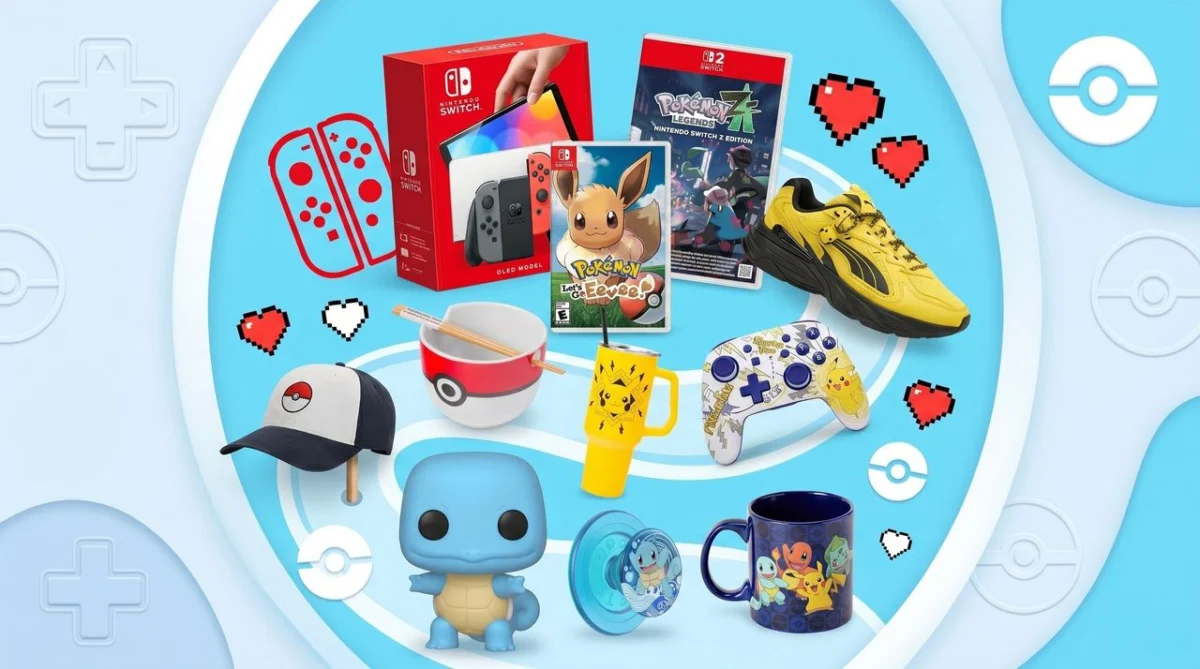
Main Facts
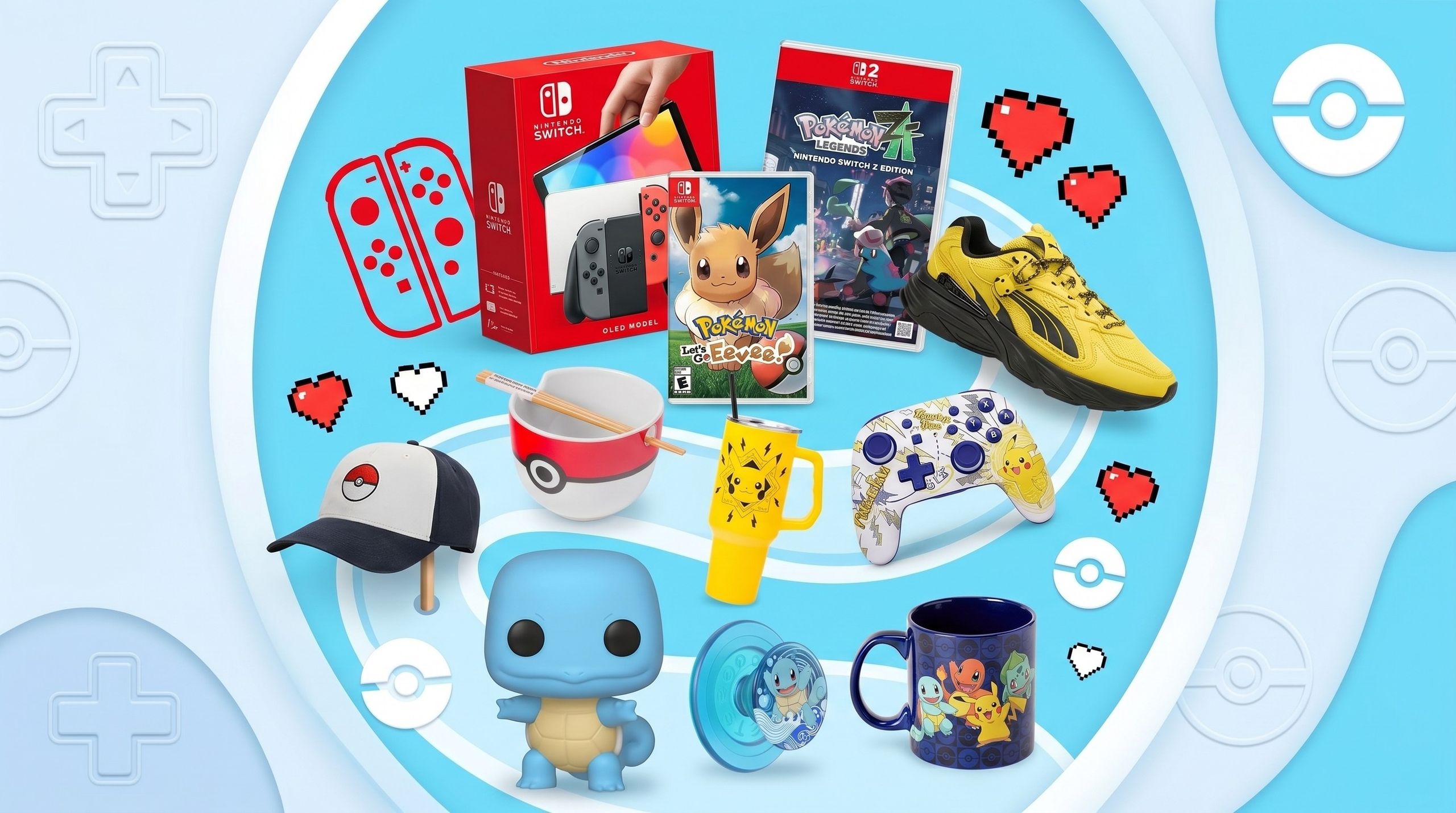
Amazon Prime Day, the annual retail extravaganza, has once again descended upon consumers, bringing with it a torrent of deals across virtually every product category imaginable. For the legions of Pokémon enthusiasts worldwide, this year’s event has proven to be particularly electrifying. From seasoned trainers who first embarked on their journey through the pixelated landscapes of Kanto on the original Game Boy to the contemporary "Pokopia-obsessed" Switch gamers exploring the vibrant regions of Paldea, the digital aisles of Amazon are brimming with "juicy steals" on an expansive range of Pokémon merchandise. Discounts of up to 60% off are reportedly available on top-tier Pokémon products, catering to all generations of gamers and collectors alike.
This significant reduction in price spans a diverse spectrum of the Pokémon universe. Shoppers can anticipate finding enticing bundles for the Nintendo Switch console, often paired with popular Pokémon titles, making it an ideal entry point for newcomers or an upgrade opportunity for existing fans. The highly sought-after Pokémon Trading Card Game (TCG) also features prominently, with discounts on booster packs, elite trainer boxes, and perhaps even rarer collector’s items. Beyond the core gaming and collecting experiences, a vast array of general Pokémon merchandise, from plush toys and apparel to figures and accessories, is also included in the sale, offering fans myriad ways to subtly or overtly express their devotion to the beloved franchise.
The sheer breadth and depth of these discounts underscore Pokémon’s enduring appeal and its strategic positioning within major retail events. For many, Prime Day represents a prime opportunity (pun intended) to acquire items that might otherwise be considered a splurge, whether it’s completing a game collection, expanding a TCG binder, or simply adding a cherished Pokémon plush to their collection. The curated selection aims to alleviate the often-overwhelming experience of navigating thousands of deals, with dedicated efforts to track down "absolute best Pokémon bargains" for every type of fan, from those seeking understated fandom representation to those ready to "go all out with a flashy new fit." Beyond the specific Pokémon offerings, Amazon’s broader Prime Day event also encompasses a comprehensive array of gaming-focused deals, including a dedicated Nintendo Switch hub for discounts on consoles, games, and accessories, further solidifying its position as a go-to destination for entertainment enthusiasts.
Chronology: A Journey Through Pokémon’s Enduring Legacy and Prime Day’s Rise
To truly appreciate the significance of these Prime Day Pokémon deals, it’s essential to trace the parallel evolutions of both the Pokémon franchise and Amazon’s colossal annual sales event.
The Genesis of a Global Phenomenon: Pokémon’s Enduring Reign
The Pokémon franchise, a creation of Satoshi Tajiri and Ken Sugimori, first burst onto the scene in Japan in 1996 with the release of Pokémon Red and Green for the Game Boy. What began as a humble role-playing game about catching, training, and battling fantastical creatures quickly transcended its medium. Its core loop – "Gotta Catch ‘Em All!" – proved universally addictive, fostering a sense of adventure, strategy, and companionship. The franchise rapidly expanded into an anime series, a highly successful Trading Card Game (TCG), movies, manga, and an unparalleled merchandise empire.
Over nearly three decades, Pokémon has continuously reinvented itself while retaining its core charm. Each new generation of games introduced new creatures, regions, and gameplay mechanics, keeping the experience fresh for long-time fans while attracting new ones. The transition from handheld consoles like the Game Boy, Game Boy Color, Game Boy Advance, and Nintendo DS/3DS to the hybrid Nintendo Switch marked a significant leap, allowing for more immersive, visually rich, and expansive worlds. The TCG, too, has experienced waves of popularity, with certain cards becoming highly valuable collector’s items, fostering a vibrant secondary market. The anime continues to captivate audiences, and its extensive merchandise line ensures that Pokémon characters are ubiquitous in popular culture, adorning everything from clothing and toys to household items. This multi-platform, multi-generational approach has cemented Pokémon’s status as the highest-grossing media franchise of all time, demonstrating an extraordinary capacity for adaptation and cultural penetration.
The Rise of a Retail Behemoth: Amazon Prime Day’s Impact
Amazon Prime Day, on the other hand, is a much newer phenomenon, inaugurated in 2015 to celebrate Amazon’s 20th anniversary. Conceived as a one-day sales event for Prime subscribers, it quickly evolved into a multi-day global shopping festival designed to drive Prime memberships and generate massive sales. What began as an experiment has now become one of the most anticipated retail events of the year, rivaling Black Friday and Cyber Monday in its scope and impact.
Prime Day’s success lies in its strategic timing (mid-year, often when other retail events are sparse), its exclusivity to Prime members (encouraging subscriptions), and its aggressive discounting across a vast product catalog. Over the years, Amazon has refined its approach, incorporating flash sales, "Lightning Deals," and personalized recommendations, creating a dynamic and often frenetic shopping experience. The event has also expanded globally, drawing in millions of shoppers from diverse markets, and has pushed other retailers to launch their own competing sales, creating a broader "Prime Week" or "Deal Days" phenomenon.
The Confluence: Pokémon Meets Prime Day
The intersection of these two powerhouses was inevitable. As Prime Day grew, Amazon naturally sought to partner with the most popular and commercially viable brands to attract a wider audience. Pokémon, with its unparalleled brand recognition and multi-generational appeal, became a natural fit. Initially, Pokémon deals on Prime Day might have been more sporadic, perhaps focusing on a single game or a few popular toys. However, as the event matured and Pokémon continued its ascent, the offerings have become increasingly comprehensive.
In recent years, Prime Day has become a reliable period for significant Pokémon discounts, reflecting both the franchise’s consistent output of new games and products and Amazon’s sophisticated understanding of consumer demand. The inclusion of Switch bundles, TCG products, and a broad range of merchandise indicates a strategic effort to cater to the full spectrum of Pokémon fandom, from dedicated gamers to casual collectors and gift-givers. This synergistic relationship benefits both parties: Amazon leverages Pokémon’s immense popularity to drive traffic and sales, while The Pokémon Company and Nintendo gain an unparalleled platform to reach a massive global audience and clear inventory, ensuring the franchise remains top-of-mind for consumers. The evolution from simple discounts to "up to 60% off top Pokemerch for all generations of gamers" signifies a deliberate, well-orchestrated strategy to maximize engagement during one of the year’s most crucial retail periods.
Supporting Data: The Economic Power of Pokémon and Retail Events
While specific sales figures for individual Pokémon products during Prime Day are proprietary, the broader market context provides compelling "supporting data" for the significance of these deals. The Pokémon franchise is not just a beloved entertainment property; it is a colossal economic engine, and events like Prime Day act as powerful accelerators for its market presence.
The Unrivaled Economic Footprint of Pokémon
As of 2023, the Pokémon franchise holds the undisputed title of the highest-grossing media franchise globally, with an estimated total revenue exceeding $120 billion. This staggering figure is derived from diverse revenue streams:
- Video Games: The core of the franchise, selling hundreds of millions of copies across various Nintendo platforms. Each new mainline game launch is a major event, often breaking sales records.
- Trading Card Game (TCG): A multi-billion dollar industry in itself, with millions of active players and collectors. The TCG market has seen exponential growth in recent years, fueled by nostalgia, new card releases, and the rise of online content creators. Rare cards can fetch hundreds of thousands, even millions, of dollars.
- Merchandise: Plush toys, action figures, apparel, stationery, home goods, and countless other licensed products generate billions annually. Pokémon’s iconic characters are instantly recognizable and highly desirable.
- Anime and Movies: The long-running anime series and numerous animated films contribute significantly to brand awareness and cultural ubiquity.
- Mobile Games: Titles like Pokémon GO have introduced the franchise to an entirely new demographic and continue to generate substantial revenue through in-app purchases.
This immense financial power translates directly into its retail influence. When a franchise of Pokémon’s magnitude participates in a major sales event like Prime Day, it’s not just about moving units; it’s about leveraging a cultural phenomenon to drive broader economic activity.
The Catalytic Effect of Prime Day
Prime Day itself is a testament to the power of concentrated retail events. In recent years, Amazon has reported sales exceeding $10 billion globally during its Prime Day period, making it one of the largest shopping events worldwide. For popular brands like Pokémon, Prime Day serves several critical functions:
- Inventory Management: It allows retailers and publishers to efficiently move existing stock, making way for new releases and seasonal products.
- Customer Acquisition: Discounts on entry-level products (like console bundles or starter TCG sets) can attract new customers who might have been on the fence due to price.
- Brand Engagement: The excitement surrounding deals generates buzz and keeps the brand top-of-mind, encouraging existing fans to re-engage with the franchise.
- Market Share Capture: In a competitive retail landscape, Prime Day allows brands to capture a significant share of consumer spending during a concentrated period.
Product Category Insights:
- Nintendo Switch Bundles: The Nintendo Switch, as one of the best-selling consoles of all time, often sees a surge in sales during Prime Day. Bundling it with a popular Pokémon game makes it an irresistible offer, particularly for families or individuals looking for a complete gaming package. Titles like Pokémon Scarlet and Violet, Pokémon Legends: Arceus, and Pokémon Sword and Shield remain incredibly popular.
- Trading Card Game (TCG): The TCG market is robust. Deals on booster boxes, Elite Trainer Boxes (ETBs), and specific collector sets can lead to a significant uptick in sales. The allure of "pulling" a rare card, combined with a discounted price, creates a strong incentive for both casual players and serious collectors. Data suggests that the TCG market has seen double-digit growth in recent years, a trend that Prime Day capitalizes on.
- General Merchandise: Plush toys (Pikachu, Eevee, Charizard, etc.), apparel (t-shirts, hoodies), and figures are evergreen sellers. These items appeal to a broad demographic, from young children to adult fans who enjoy subtle nods to their favorite franchise. The "up to 60% off" on these items makes them highly attractive as gifts or personal treats.
The sustained multi-generational appeal of Pokémon is a crucial factor. It’s not just kids who are buying; it’s parents who grew up with Pokémon buying for their children, and adults in their 20s, 30s, and 40s buying for themselves, fueled by nostalgia and continued engagement with new releases. This broad demographic ensures a consistently large addressable market for Prime Day deals, making Pokémon a consistently high-performing category during such events.
Official Responses: Strategic Alignment and Brand Management
When it comes to major retail events like Amazon Prime Day, "official responses" aren’t always explicit press releases detailing every discount. Instead, they are often reflected in the strategic decisions made by the involved companies: Amazon, Nintendo, and The Pokémon Company International (TPCi). These decisions speak volumes about their objectives and collaborative efforts.
Amazon’s Strategic Imperative:
From Amazon’s perspective, Prime Day is fundamentally about driving Prime memberships and maximizing sales volume. To achieve this, they need to offer compelling deals on products that resonate deeply with their vast customer base. Pokémon, being the world’s highest-grossing media franchise, is a natural and indispensable partner.
- Partnership Focus: Amazon actively seeks out partnerships with major publishers and intellectual property (IP) holders like Nintendo and TPCi. Offering "up to 60% off" on Pokémon products is a clear indicator of a strong, mutually beneficial marketing and sales agreement. These aren’t random discounts; they are typically negotiated in advance to ensure adequate stock and promotional visibility.
- Customer Engagement: By prominently featuring Pokémon deals, Amazon taps into a passionate and loyal fanbase, drawing them to the platform. The promise of "juicy steals" serves as a powerful magnet, increasing site traffic and conversion rates, not just for Pokémon products but for other items in their cart as well.
- Brand Value Proposition: Prime Day enhances Amazon’s reputation as a go-to destination for gaming and entertainment, signaling to consumers that they can expect competitive pricing on popular titles and merchandise.
Nintendo and The Pokémon Company International (TPCi)’s Approach:
For Nintendo (as the console manufacturer and publisher of many Pokémon games) and TPCi (the brand owner), participating in Prime Day with substantial discounts is a multi-faceted strategic move:
- Expanding Market Reach: Sales events provide an opportunity to convert potential customers into actual buyers. A discounted Switch bundle might encourage someone who was considering the console to finally make the purchase, bringing them into Nintendo’s ecosystem. Similarly, TCG deals can attract new collectors or players.
- Driving Software Sales: Discounted consoles often lead to increased sales of games. Even if the console bundle itself is heavily discounted, the long-term revenue comes from subsequent game purchases. For existing console owners, game discounts encourage them to expand their library.
- Brand Refresh and Re-engagement: Even for a franchise as popular as Pokémon, maintaining momentum requires continuous engagement. Prime Day deals generate buzz, reminding lapsed fans of new releases or encouraging current fans to delve deeper into the franchise’s offerings. It can also be a way to clear inventory of older game titles or TCG sets before new ones are released, without devaluing the brand.
- Strategic Pricing: While maintaining the premium value of the Pokémon brand is paramount, strategic discounting during high-visibility events is a recognized tactic. It allows them to participate in the broader retail conversation without resorting to constant, deep price cuts that could erode brand perception. The discounts are often carefully chosen – perhaps on bundles, older titles, or specific merchandise lines – to balance sales goals with brand integrity.
- Combating the Grey Market: By offering legitimate, attractive discounts, Nintendo and TPCi can also indirectly counter the appeal of unofficial resellers or counterfeit products, especially in the highly valuable TCG market.
Industry Analyst Perspectives:
While direct quotes from executives regarding specific Prime Day deals are rare, industry analysts frequently comment on the strategic importance of such partnerships. They often highlight how major IP holders leverage these events to:
- Boost Quarterly Earnings: Significant sales spikes during Prime Day can positively impact quarterly revenue reports.
- Gauge Consumer Interest: The performance of different product categories during these sales can offer valuable insights into consumer preferences and demand for future product development.
- Strengthen Ecosystems: For Nintendo, every Switch console sold is an entry point into its digital storefront and a potential customer for future game releases, subscriptions, and accessories.
In essence, the "official response" to Prime Day for brands like Pokémon is a resounding "yes." It’s a strategic embrace of a powerful retail platform to achieve sales targets, expand customer bases, and reinforce brand loyalty within the highly competitive entertainment and gaming industries. The generous discounts are not concessions but calculated investments in the franchise’s continued dominance.
Implications: Reshaping Fandom, Market Dynamics, and Future Trends
The substantial Pokémon deals during Amazon Prime Day carry implications that stretch far beyond immediate sales figures, impacting consumer behavior, market dynamics, and setting precedents for future retail strategies.
Implications for Consumers: Accessibility and Enhanced Fandom
For the individual consumer, these Prime Day deals represent a golden opportunity.
- Enhanced Accessibility: The "up to 60% off" makes high-value items, such as Nintendo Switch bundles or premium TCG sets, significantly more accessible. This lowers the barrier to entry for new players or collectors who might have found the full price prohibitive. It also makes existing products more affordable for those looking to expand their collections without breaking the bank.
- Nostalgia and Engagement: For veteran trainers, these deals offer a chance to revisit older games on new platforms, complete their TCG sets, or acquire merchandise that evokes cherished memories. For younger fans, it’s an opportunity to acquire the latest games or popular plush toys, deepening their connection to the franchise.
- Gift-Giving Opportunities: Prime Day, often occurring mid-year, serves as an unofficial precursor to holiday shopping. These deals provide an excellent chance for consumers to purchase gifts for birthdays, special occasions, or even get a head start on year-end festivities, easing financial strain.
- Informed Purchasing: The curated lists of "best bargains" reduce consumer friction, helping shoppers navigate the vastness of Prime Day to find genuine value, potentially leading to higher satisfaction.
Implications for the Market: Driving Sales and Competitive Pressure
The impact on the broader gaming and collectibles market is multifaceted:
- Sales Volume Boost: Prime Day unequivocally drives massive sales volume for Pokémon products. This surge benefits not only Amazon but also Nintendo and TPCi, contributing significantly to their revenue streams and market share.
- Stimulating the Secondary Market: Particularly for the Pokémon TCG, an influx of discounted booster packs and boxes can stimulate the secondary market. More product in circulation means more cards being pulled, potentially increasing the availability of highly sought-after singles, though it could also temporarily depress prices for less rare cards. The excitement generated also brings more attention to the TCG hobby as a whole.
- Competitive Landscape: Amazon’s aggressive Prime Day deals on Pokémon products put pressure on other retailers (both online and brick-and-mortar) to offer competitive pricing. This creates a beneficial environment for consumers year-round, as retailers vie for their business.
- Data and Analytics: The sales data gathered during Prime Day is invaluable. It provides insights into which Pokémon products are most in demand, which price points are most effective, and how different demographic segments respond to various offers. This data informs future product development, marketing strategies, and pricing decisions for the franchise.
Implications for Brand Loyalty and Ecosystem Growth:
- Reinforcing Brand Loyalty: Offering significant value during a major sales event strengthens the bond between the Pokémon brand and its fanbase. It signals that the brand appreciates its consumers and makes an effort to make its products accessible, fostering goodwill and encouraging continued engagement.
- Ecosystem Expansion: For Nintendo, every discounted Switch bundle sold during Prime Day brings a new user into its ecosystem. This user is then a potential customer for digital games, Nintendo Switch Online subscriptions, and future hardware or accessory purchases, creating a long-term revenue stream beyond the initial sale. Similarly, TCG deals expand the player base, which supports the ongoing release of new sets and organized play.
- Cross-Promotional Opportunities: The prominence of Pokémon on Prime Day can lead to increased visibility for related products or media. Someone buying a game might then explore the anime, or a TCG collector might consider picking up a plushie, demonstrating the synergistic nature of the franchise.
Implications for Future Retail Trends:
- The Power of Digital Events: Prime Day underscores the growing dominance and strategic importance of large-scale digital retail events. These events are no longer just about clearing inventory; they are sophisticated marketing platforms that shape consumer expectations and drive significant economic activity.
- Strategic Brand Partnerships: The success of the Pokémon x Prime Day collaboration highlights the importance of strong brand partnerships in the digital age. Retailers benefit from popular IPs, and IP holders benefit from the retailer’s massive reach and logistical capabilities.
- Personalized Marketing: As data analytics become more sophisticated, future Prime Day events will likely see even more personalized Pokémon deals, tailored to individual browsing history and preferences, further enhancing conversion rates and customer satisfaction.
- Sustainability and Consumerism: While the focus is on deals, the sheer volume of consumption during events like Prime Day also brings into focus broader discussions around sustainable consumerism and the environmental impact of large-scale shipping, an area where major retailers are increasingly facing scrutiny and developing mitigation strategies.
In conclusion, the Pokémon deals on Amazon Prime Day are more than just temporary price reductions. They are a powerful demonstration of the enduring appeal of a global phenomenon, the strategic acumen of major corporations, and the evolving landscape of digital retail. They empower fans, stimulate markets, and set the stage for how beloved franchises will continue to engage with their audience in an increasingly interconnected and deal-driven world. For trainers old and new, Prime Day offers a rare chance to truly "catch ’em all" without necessarily catching a huge dent in their wallet.
 Evan Lee Salim
  Nana
Nana  Ammar Sabilarrohman