
 By Raul Delapena Setiawan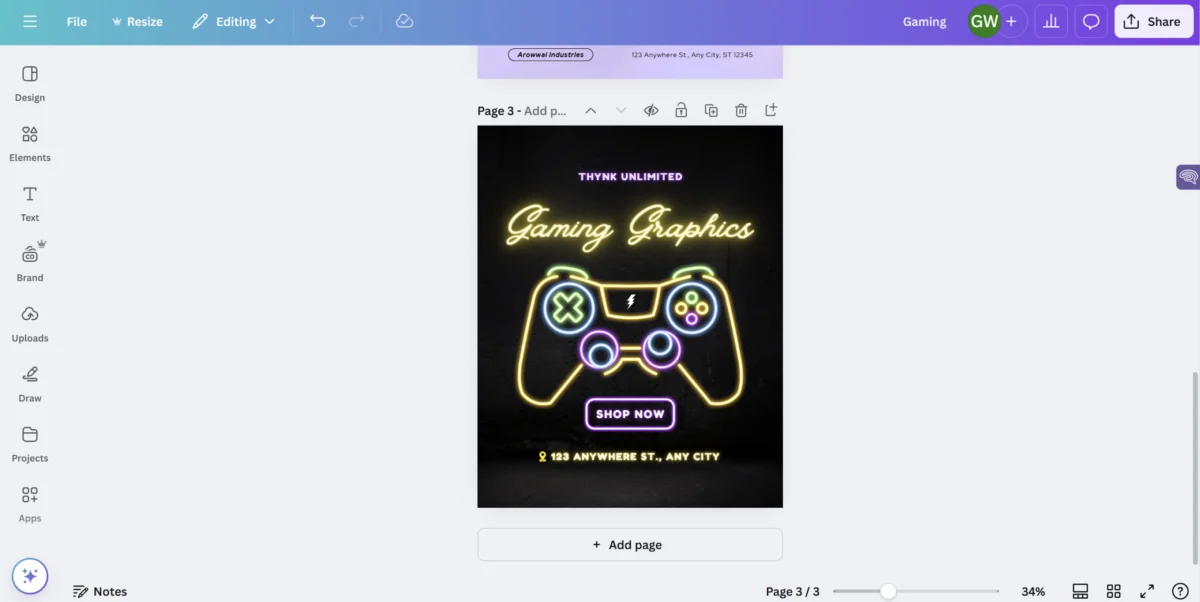
In the modern digital landscape, the axiom "image is everything" has never been more accurate. For small business owners, startups, and established enterprises alike, the quality of marketing collateral serves as the silent ambassador for their brand. If your website, social media presence, or lead magnets appear amateurish, potential customers will instinctively question the caliber of your services or products.
However, the reality of running a business is that time is a finite resource. Most entrepreneurs cannot afford the luxury of enrolling in intensive graphic design courses or mastering the complex, steep learning curves associated with industry-standard software like Adobe Photoshop or Illustrator.
Enter Canva. In 2025, Canva has solidified its position not just as a design tool, but as a critical infrastructure component for businesses aiming to scale their marketing efforts efficiently.

The Core Concept: What is Canva?
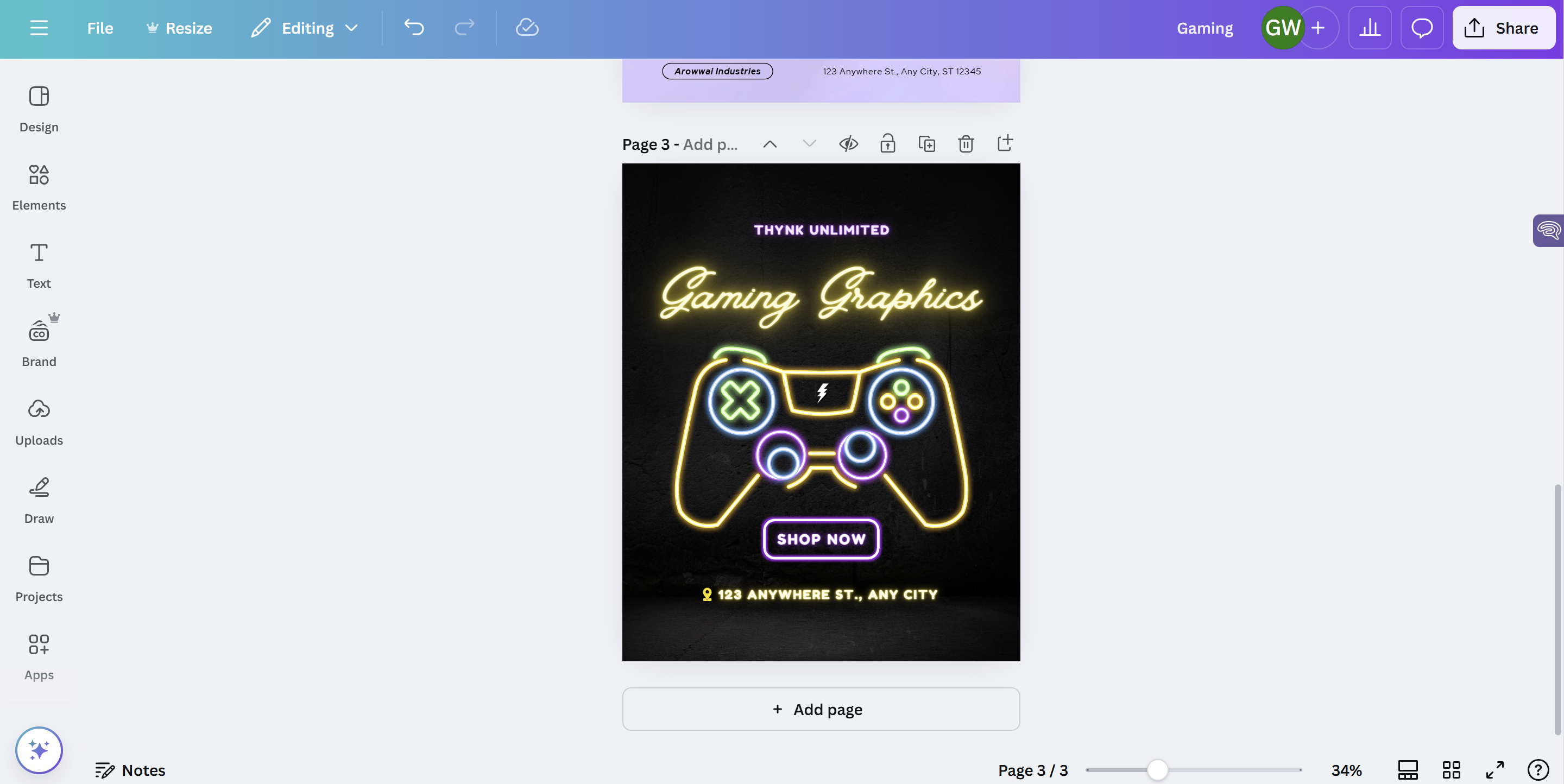
At its simplest, Canva is a web-based graphic design platform that democratizes visual creativity. By utilizing an intuitive drag-and-drop interface, the tool removes the technical barriers that once kept professional-grade design behind a wall of expensive software and specialized training.
Key Facts and Features
- Accessibility: Unlike professional suites that require powerful hardware, Canva runs entirely in the cloud, making it accessible from any browser.
- The Freemium Model: "Canva Free" provides a robust suite of tools that allows businesses to create high-quality assets without immediate financial investment.
- Template Ecosystem: With hundreds of thousands of pre-designed templates, users can generate professional visuals in minutes rather than hours.
- Scalability: From the solopreneur to large-scale organizations, Canva offers tiered subscriptions—including Canva Pro, Canva Teams, and Canva Enterprise—that allow for centralized brand management.
A Brief Chronology: From Startup to Global Design Powerhouse
Canva’s journey is a masterclass in product-market fit. Founded in 2013 by Melanie Perkins, Cliff Obrecht, and Cameron Adams, the platform was born out of a frustration with the difficulty of existing design software.
- 2013: Canva launches with a focus on simplicity, aiming to make design accessible to non-designers.
- 2014-2017: The platform expands its library of images and templates, gaining massive traction among small business owners and social media managers.
- 2018-2020: Canva begins integrating advanced features like video editing, animation, and collaboration tools, positioning itself as a direct competitor to traditional software companies.
- 2021-2023: The introduction of "Visual Worksuite" and AI-driven features (Magic Studio) propels the platform into the enterprise space.
- 2024-2025: Canva cements its role as an AI-augmented design partner, integrating generative AI to help businesses iterate on concepts at lightning speed.
Supporting Data: The Impact on Modern Marketing
The shift toward "design-it-yourself" platforms is backed by significant industry trends. According to recent market analysis, visual communication is now the primary driver of engagement on social platforms.
- Speed to Market: Data suggests that businesses using Canva-style tools reduce their design production time by approximately 70% compared to traditional workflows.
- Engagement Metrics: Marketing collateral designed with consistent, professional templates—a core strength of Canva—tends to see a 20–30% increase in user interaction rates on platforms like LinkedIn and Instagram.
- Cost Efficiency: For a small business, hiring a dedicated graphic designer for every social post or blog header is often cost-prohibitive. Canva allows teams to reallocate those funds toward paid advertising or customer acquisition, providing a higher return on investment (ROI).
Implications for Your 2025 Business Strategy
As we move deeper into 2025, the competitive advantage belongs to those who can iterate quickly. Here is how you should be utilizing Canva to maintain an edge:
1. Unified Brand Assets
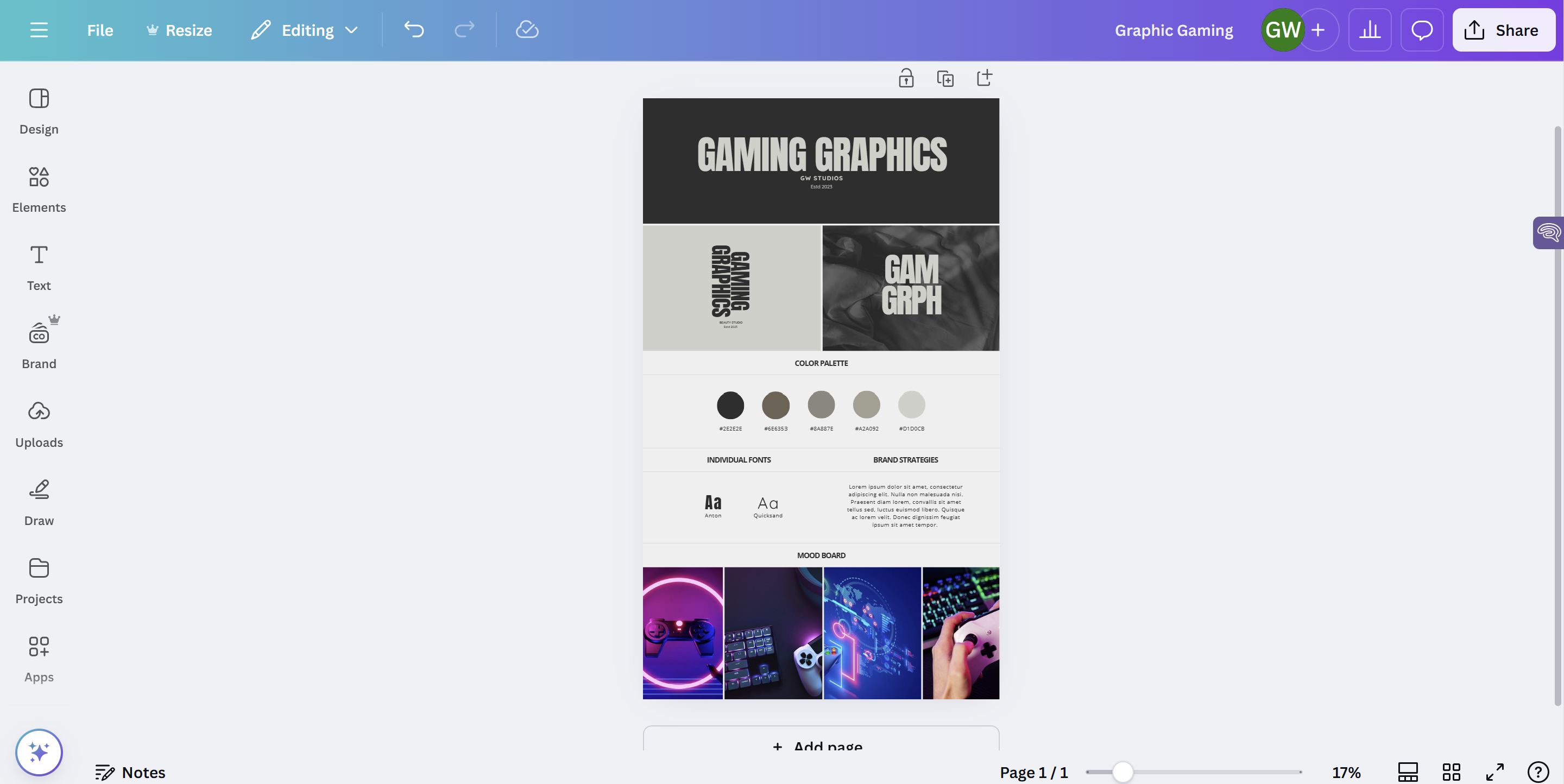
Consistency is the bedrock of trust. By utilizing Canva’s "Brand Kit" feature, businesses can store their logos, custom color palettes, and typography in a single location. This ensures that every team member produces content that feels like it belongs to the same parent company, preventing the "fragmented brand" syndrome that plagues many growing startups.
2. Social Media Dominance
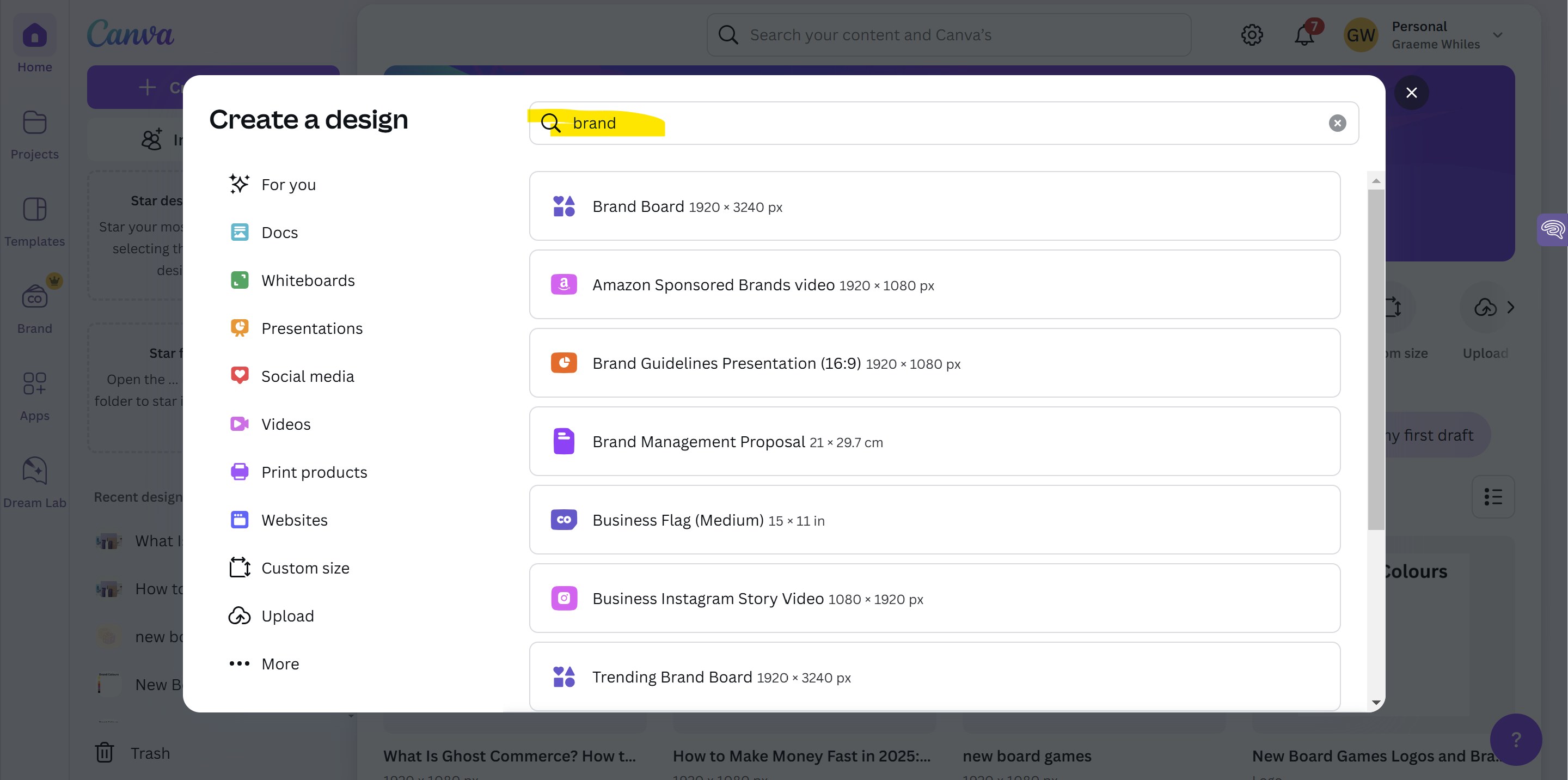
The era of static, uninspired social content is over. Canva provides dynamic templates for TikTok, Reels, and Instagram Stories. By using their pre-built animations, businesses can create short-form video content that catches the eye in a crowded feed, turning passive scrollers into active followers.
3. SEO-Driven Visuals
Google’s algorithm increasingly prioritizes high-quality, engaging content. Blog headers, infographics, and custom data charts created in Canva are not just "filler"—they are essential SEO signals. High-quality visuals increase "time on page," a metric that search engines use to determine the value of your content.
4. High-Conversion Lead Magnets
Your lead magnet is the first point of serious contact for a potential lead. Whether it is an eBook, a white paper, or a checklist, the design must reflect the quality of the information inside. Canva’s eBook templates allow you to produce professional PDFs that feel authoritative and trustworthy, directly influencing your conversion rates.
Official Perspective: Is Canva Replacing Designers?
A common question is whether tools like Canva replace the need for professional graphic designers. The consensus from industry experts is "no." Instead, Canva has shifted the role of the designer.
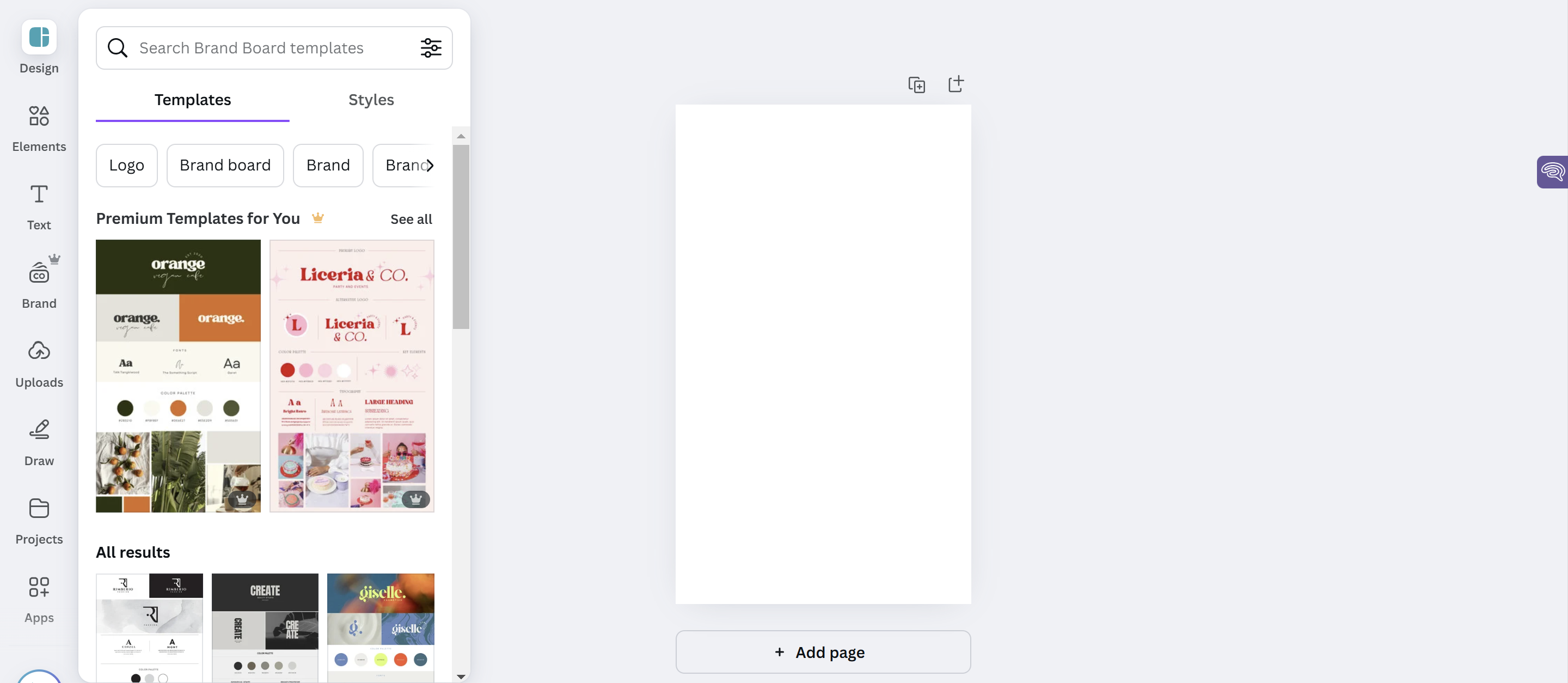
Rather than spending hours manually adjusting alignment or cropping images, professional designers are now using Canva to build complex templates for their clients, who then use those templates to maintain their daily social media needs. It is a symbiotic relationship: Canva handles the "heavy lifting" of routine asset creation, while human designers focus on high-level brand strategy and complex custom projects.
Elevating Your Business Potential
While Canva is a powerful tool, it is only one piece of the puzzle. To truly build a business that thrives in the competitive climate of 2025, you need a holistic understanding of branding, marketing, and operational excellence.
Tools provide the means to create, but education provides the strategy to succeed. Many entrepreneurs find that while they can now design a beautiful social media post, they still struggle with the underlying questions: Who is my target audience? How do I structure my marketing funnel? How do I optimize my customer acquisition cost?
Take the Next Step
The landscape of entrepreneurship is constantly evolving. Staying ahead requires access to the right frameworks and the right mentors.
For those ready to move beyond just designing and into true business scaling, Foundr+ offers a comprehensive solution. By gaining access to a library of over 30 expert-led courses and 1,000+ lessons, you can synthesize the ease of tools like Canva with the rigor of professional business strategy.
For just $1, you can begin the process of unlocking your entrepreneurial potential. Whether you are looking to master digital marketing, optimize your e-commerce store, or build a world-class brand, the resources are at your fingertips.
Ready to elevate your business in 2025? Unlock your entrepreneurial potential with Foundr+ today.
Final Thoughts: The Path Forward
In 2025, there is no longer a valid excuse for poor branding. With platforms like Canva, the barrier to entry has effectively vanished. The businesses that will win this year are those that combine efficiency with creativity—using smart tools to produce high-value content at a scale that was previously impossible.
Start by organizing your brand assets, commit to a consistent posting schedule, and never stop refining your visual strategy. Your business has a story to tell; with the right tools, you can ensure that it looks as professional as it truly is.
 Dwi Wanna
  rifanmuazin
  Asep Darmawan