
 By Lina Hope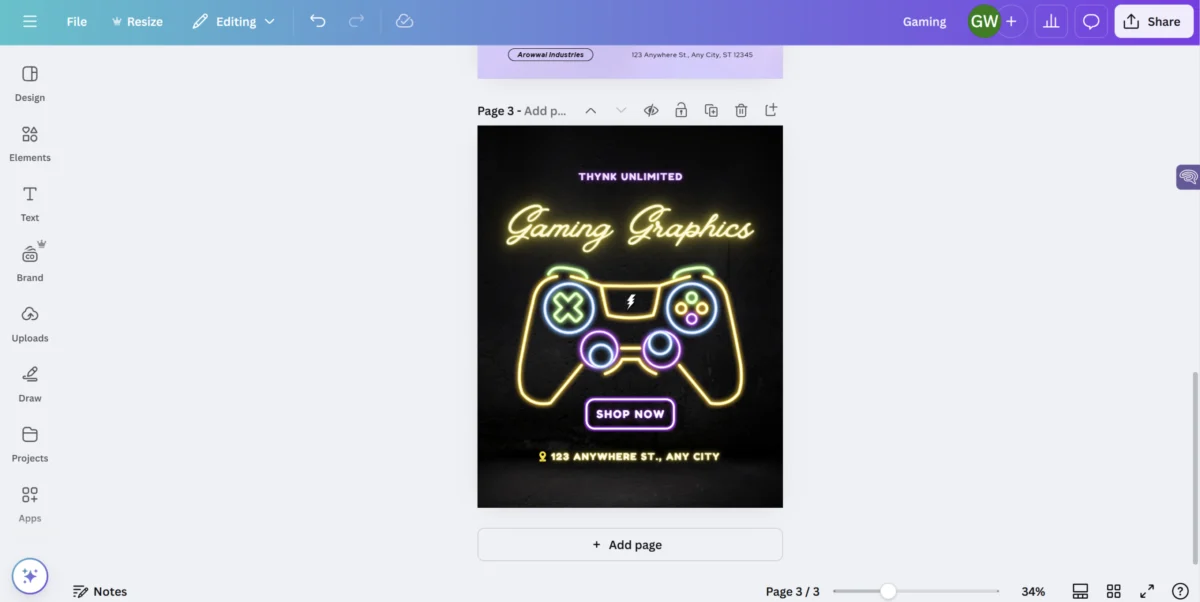
In the hyper-competitive digital landscape of 2025, the visual identity of a business is no longer a luxury—it is the baseline requirement for survival. As consumers become increasingly visually literate, the quality of a company’s marketing collateral acts as a proxy for the quality of its services. Yet, for the modern entrepreneur, time is the most finite resource. The prospect of mastering industry-standard software like Adobe Photoshop or Illustrator is often incompatible with the frantic pace of scaling a business.
Enter Canva. Over the past decade, this Australian-founded powerhouse has transformed from a simple graphic design tool into an all-encompassing visual communication suite. For businesses aiming to maintain professional standards without hiring a dedicated design team, Canva has become the definitive bridge between ambition and execution.
The Evolution of Visual Communication: A Chronology
To understand why Canva is dominating the 2025 market, one must look at its trajectory.
- 2013: The Foundation: Launched by Melanie Perkins, Cliff Obrecht, and Cameron Adams, the platform was built on a simple premise: democratizing design. It challenged the hegemony of complex, expensive software by moving design into the browser.
- 2018–2020: Scaling and Integration: Canva began integrating features beyond static images, moving into video editing and presentation software. This period saw the platform transition from a "social media image generator" to a full brand management system.
- 2022–2024: The AI Revolution: With the rollout of "Magic Studio," Canva integrated generative AI, allowing users to write prompts to generate images, expand designs, and translate text, cementing its role as a high-efficiency tool.
- 2025: The Enterprise Standard: Today, Canva is no longer just for freelancers. With the maturation of Canva Teams and Enterprise, it has become a collaborative hub where brand consistency is managed at scale for global organizations.
The Technical Edge: Why Drag-and-Drop Wins
The core value proposition of Canva lies in its user experience (UX) architecture. Unlike professional-grade software that requires a steep learning curve to navigate layers, masks, and vector paths, Canva utilizes a modular, drag-and-drop interface.
The Power of "Canva Free" vs. "Canva Pro"
For the bootstrapping startup, "Canva Free" remains a marvel of the modern SaaS (Software as a Service) model. It offers access to a staggering library of fonts, stock photos, and templates that would cost thousands of dollars if sourced individually.
However, the "Pro" tier introduces features that are essential for serious business operations:
- Brand Kits: Storing logos, color palettes, and fonts so that every piece of collateral, from an invoice to a LinkedIn post, is instantly "on-brand."
- Magic Resize: A feature that allows a user to turn a horizontal Facebook banner into a vertical Instagram Story with one click, saving hours of manual labor.
- Background Remover: A high-precision AI tool that allows users to isolate products or people for cleaner, more professional compositions.
Practical Applications for Your Business
How should a business owner deploy this tool to maximize ROI in 2025? Here are the four pillars of a successful Canva-based marketing strategy.
1. Establishing a Visual Brand Identity
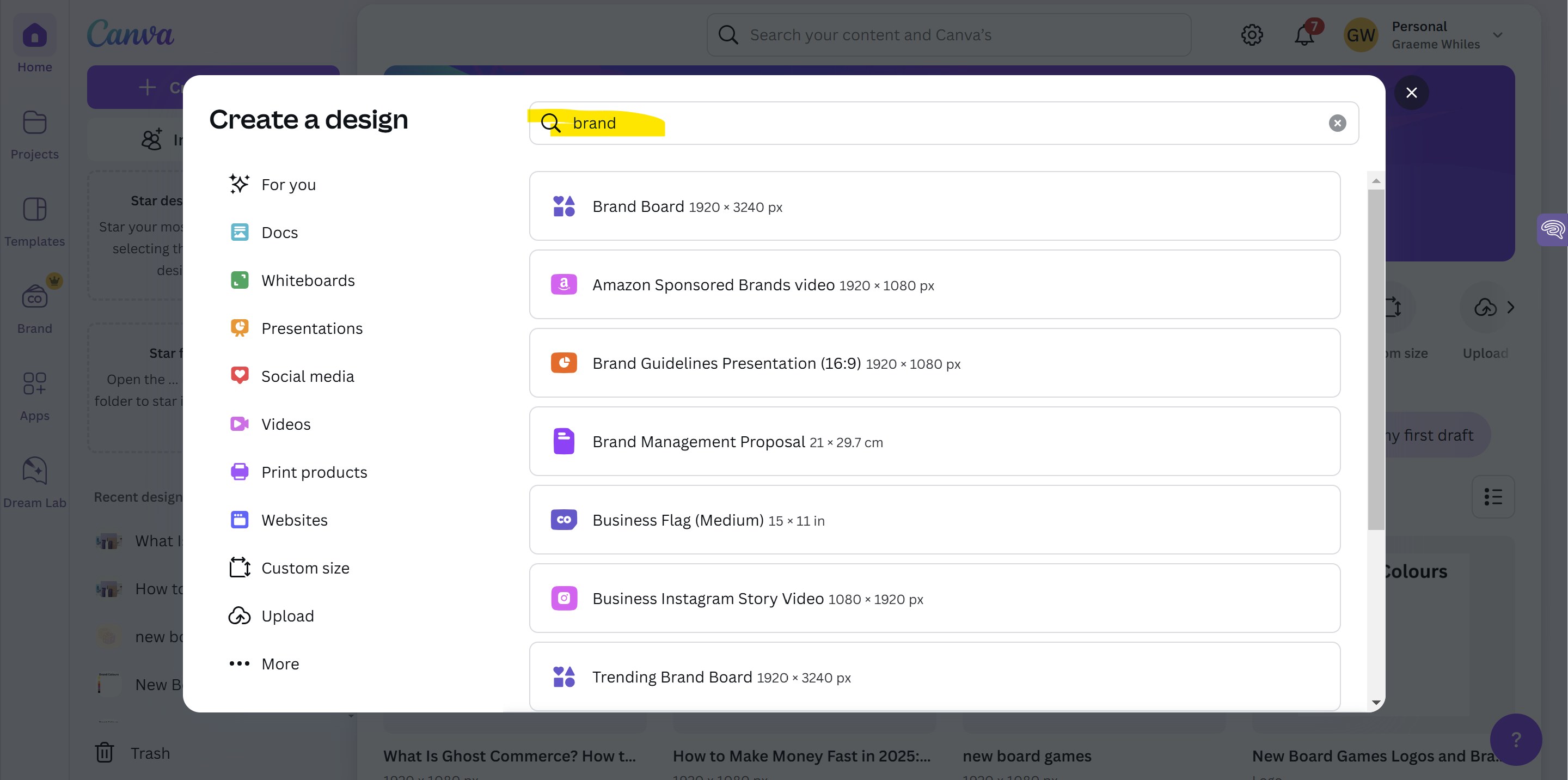
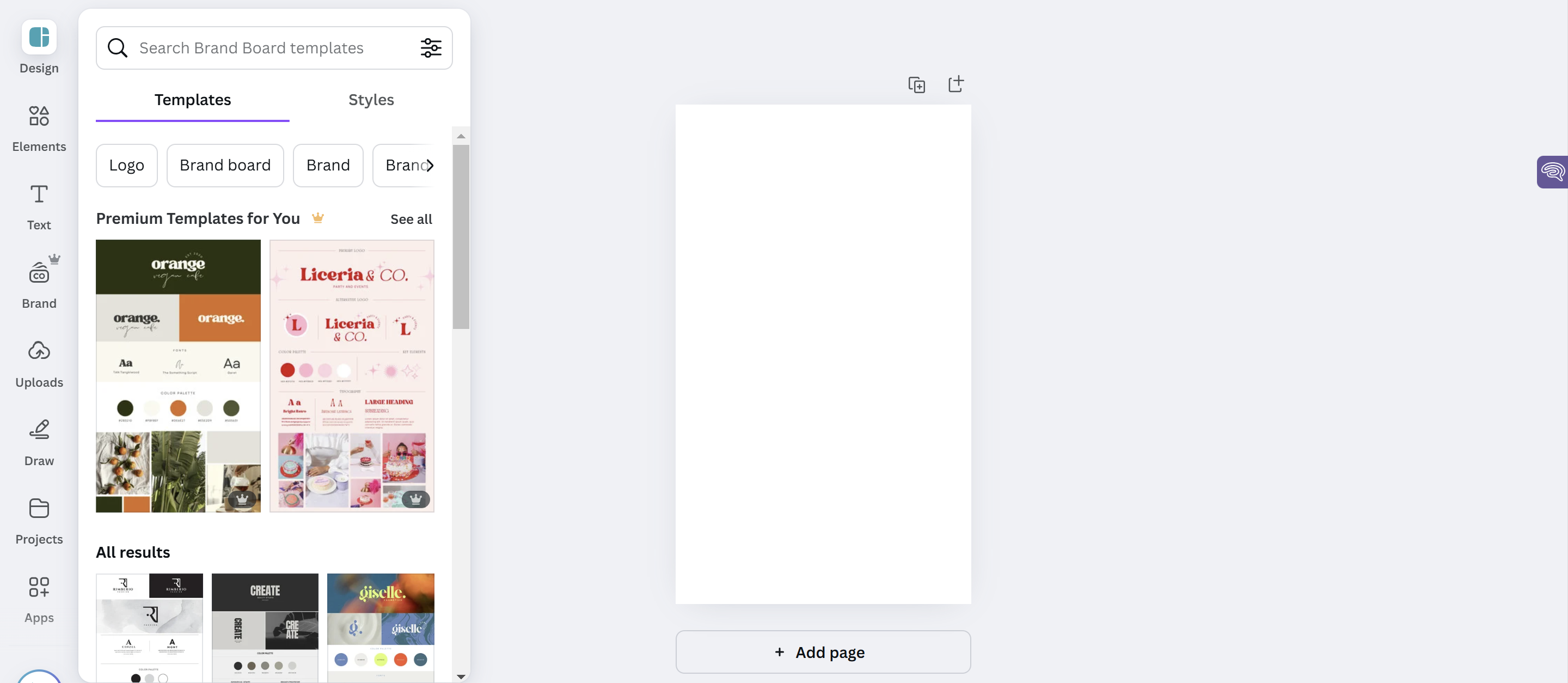
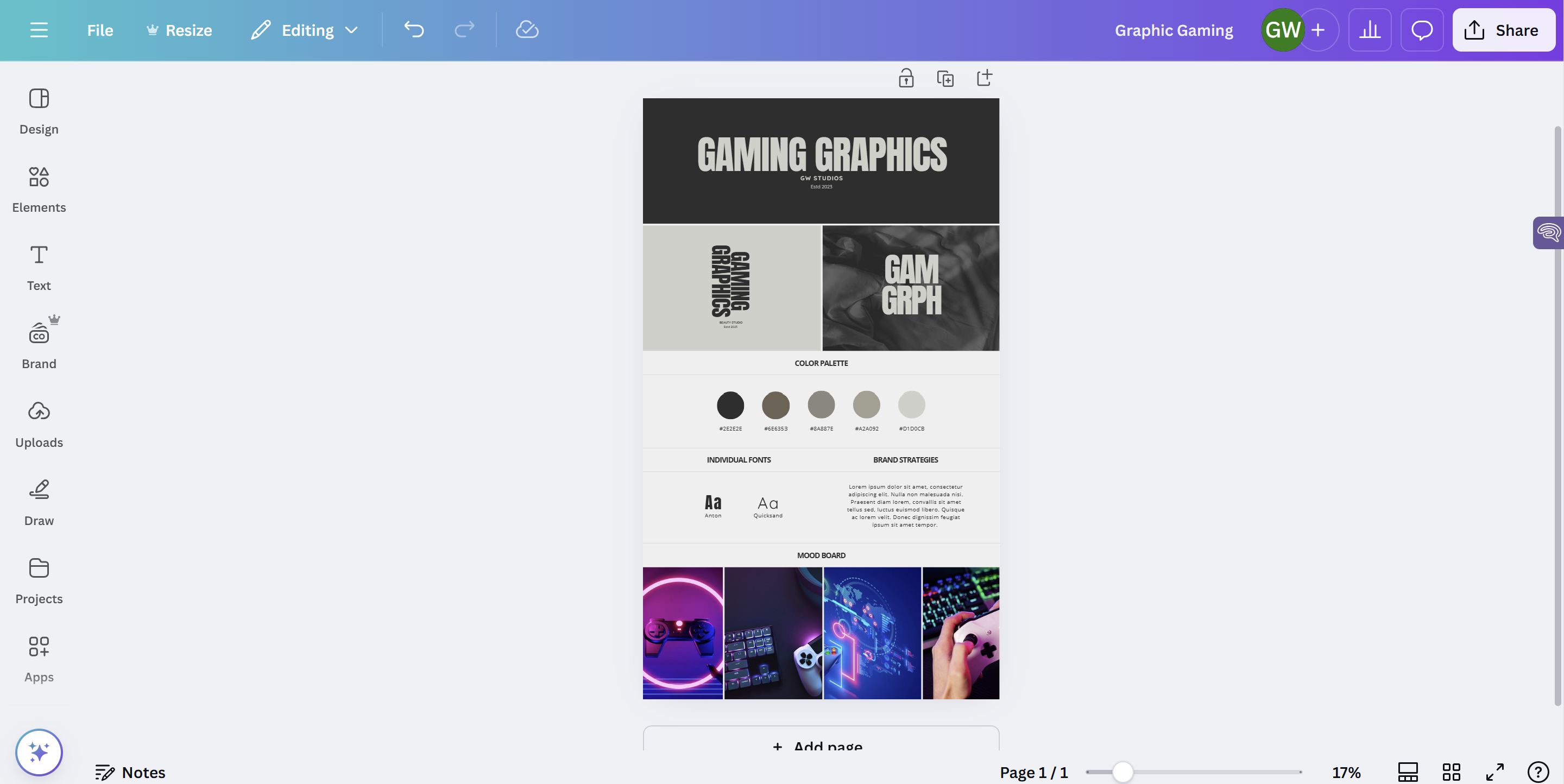
The first step for any new business is defining its "look." Using Canva, entrepreneurs can search for "Brand Boards" to establish a cohesive aesthetic. By selecting a consistent color palette and typography, a business ensures that it is recognizable across all touchpoints. When a potential customer visits your website after seeing your Instagram post, the visual continuity reinforces trust—a key psychological trigger in sales.
2. Social Media Velocity
Social media algorithms favor consistency and quality. Canva’s vast library of templates for TikTok, Instagram Reels, and Pinterest allows businesses to stay relevant without needing to film and edit from scratch. By using templates, you can batch-create an entire week’s worth of content in less than an hour, freeing up your time for high-level strategic growth.
3. SEO-Driven Visuals
Visuals are now a core component of Search Engine Optimization (SEO). Google’s algorithms increasingly favor pages that provide a rich user experience, including infographics, diagrams, and custom blog headers. Canva allows non-designers to create data-rich infographics that break down complex topics. These visual assets often become "link magnets," drawing in backlinks from other sites, which is the gold standard for improving search rankings.
4. High-Conversion Lead Magnets
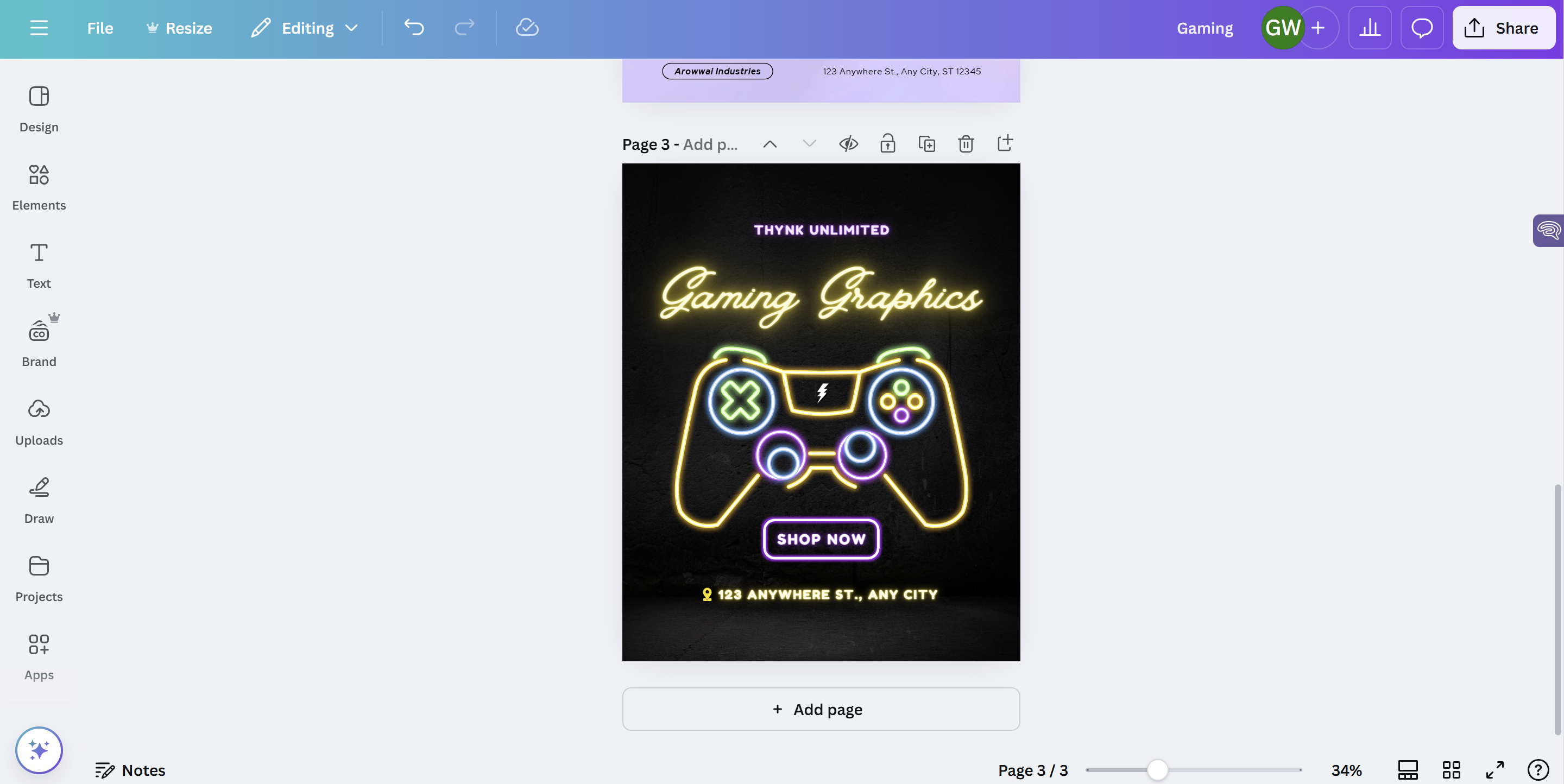
A professional eBook or whitepaper is the hallmark of an authority-led business. Canva provides the editorial tools to turn a standard Word document into a high-converting lead magnet. With features that allow for interactive PDFs—complete with clickable buttons and embedded video—Canva elevates standard marketing materials into interactive experiences that drive lead generation.
Data and Implications: The Shift in the Creative Industry
The rise of Canva reflects a broader macroeconomic shift. Data suggests that companies utilizing consistent visual branding see an average revenue increase of 23%. Conversely, businesses that fail to maintain visual quality suffer from higher bounce rates and lower brand recall.
The implication for the modern business owner is clear: you are now your own creative agency. The barrier to entry has been lowered, but the standard of expectation from the consumer has been raised. If your business looks "amateur," your audience will assume your product is, too. Canva mitigates this risk by providing the tools for "good enough" to become "professional."
Official Perspectives: The Future of Collaboration
Industry analysts have noted that Canva’s move into the enterprise space is a direct challenge to legacy software giants. By focusing on collaboration—allowing designers, marketers, and stakeholders to edit a single file in real-time—Canva has solved the "version control" nightmare that plagues large organizations.
"The goal," notes the design team at Canva, "is to eliminate the friction between an idea and its visual manifestation." For a business, this means the ability to pivot campaigns, launch new products, or respond to market trends in minutes, rather than days.
Integrating Design into Your Business Strategy
If you are currently struggling to keep up with the demands of digital marketing, the solution is not necessarily to hire a designer—at least not yet. The first step is to master the tools that amplify your own capability.
To truly harness the power of platforms like Canva, you must move beyond the basics. Understanding the principles of white space, hierarchy, and color theory—even at a surface level—will elevate your designs from "template-looking" to "brand-defining."
Unlock Your Potential with Foundr+
While Canva provides the tools, the strategic vision for your business must come from you. Knowing how to design a beautiful flyer is only half the battle; knowing how to convert that flyer into a sale is the other.
For entrepreneurs looking to bridge the gap between creative execution and business strategy, Foundr+ offers an unparalleled ecosystem. For just $1, you gain access to a curated library of over 30 expert-led courses and 1,000+ lessons covering everything from e-commerce logistics to high-performance marketing.
Whether you are a solopreneur starting your first venture or a growing team looking to streamline your operations, Foundr+ provides the frameworks, the inspiration, and the actionable blueprints required to succeed in 2025.
Don’t let your lack of design expertise hold your business back. Master the tools, refine your strategy, and build a brand that commands attention. Click here to join Foundr+ and begin your journey toward business mastery today.
 Dwi Wanna
  rifanmuazin
  Asep Darmawan