
 By Reynand Wu
In the fast-paced world of modern e-commerce, the traditional barrier to entry—holding physical inventory—has historically stifled thousands of aspiring founders. The capital required to manufacture, warehouse, and manage logistics often serves as a "dead end" for creative entrepreneurs. However, the rise of print-on-demand (POD) technology has fundamentally shifted this landscape. At the heart of this shift is Printful, a platform that has become a cornerstone for creators, influencers, and small business owners looking to monetize their brand without the risks of traditional retail.
Main Facts: What is Printful?
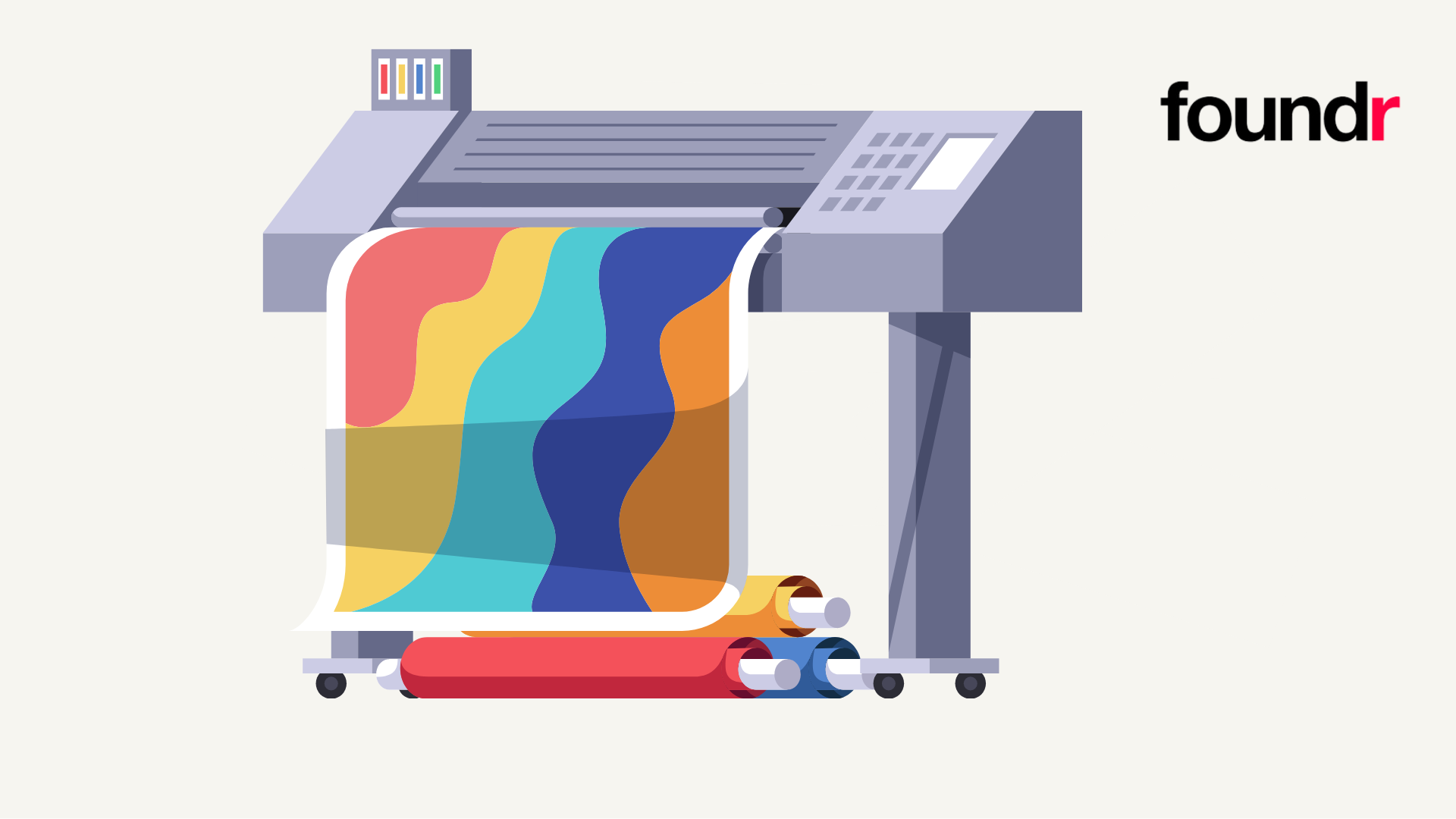
At its core, Printful is a comprehensive print-on-demand fulfillment service. Unlike traditional manufacturing, where a business must purchase hundreds of units upfront to secure a reasonable price point, Printful operates on a "just-in-time" model. When a customer places an order on your website—whether it is hosted on Shopify, Etsy, WooCommerce, or Amazon—the order data is automatically routed to Printful. They then print, pack, and ship the product directly to your customer under your brand’s identity.
This service model effectively turns your online store into a storefront that doesn’t "exist" until a sale is made. It offers a massive catalog of customizable merchandise, including apparel (t-shirts, hoodies, leggings), accessories (tote bags, phone cases), and home goods (posters, mugs, blankets). Beyond basic fulfillment, Printful distinguishes itself with an intuitive, built-in design tool and a mockup generator that allows users to visualize how their artwork will appear on finished products before they ever go live.
A Chronological Evolution of Print-on-Demand
To understand why Printful has gained such market dominance, one must look at the evolution of e-commerce logistics.
- Pre-2010s: E-commerce was largely dominated by the "Bulk Buy" model. Founders had to predict trends, invest thousands of dollars in inventory, and manage their own shipping or pay exorbitant fees to third-party logistics (3PL) companies.
- The Rise of POD (2013-2015): Printful was founded in 2013 as part of a larger effort to solve the "inventory gap." During this period, the technology behind direct-to-garment (DTG) printing matured, allowing for high-quality, full-color printing on individual units.
- The Integration Era (2016-2020): As platforms like Shopify gained massive popularity, Printful pivoted toward seamless API integrations. This removed the technical friction, allowing non-coders to sync their stores with production facilities in seconds.
- Global Scaling (2021-Present): Today, Printful has expanded its footprint globally, operating production centers across the U.S., Canada, Europe, and beyond. This allows for localized shipping, significantly reducing the "time-in-transit" frustration that previously plagued the industry.
Supporting Data: Why Founders Choose the POD Model
The reliance on Printful is backed by hard economic logic. For a startup, cash flow is the lifeblood of the business. By removing the need to invest in inventory, founders can redirect their capital toward customer acquisition, content creation, and brand building.
According to industry trends, print-on-demand services are seeing an annual growth rate driven by the "creator economy." Data consistently shows that:

- Risk Mitigation: Over 60% of small e-commerce businesses fail due to excess inventory that never sells. Printful reduces this risk to near zero.
- Testing Velocity: A founder can test ten different designs in a single week. If one design fails to attract interest, the business loses nothing but time. If it succeeds, the business can scale instantly without waiting for a new production run.
- Customer Reach: Because Printful handles global fulfillment, a creator in New York can sell to a customer in Berlin or Tokyo without needing to navigate international customs or local logistics, as Printful’s distributed network handles the regional fulfillment.
Official Perspectives and Operational Reality
While Printful is often marketed as the "holy grail" for startups, an objective analysis requires a look at the trade-offs. The official stance of the platform is that it provides a "professional-grade infrastructure" to anyone with a computer. However, the operational reality for a founder involves a delicate balance of profit margins and quality control.
The Profit Margin Dilemma
The most significant criticism of the POD model is the "unit cost." Because Printful is printing one item at a time, their base cost for a single t-shirt is significantly higher than the cost of a shirt printed in a bulk batch of 1,000. For founders, this means thinner profit margins. To compensate, successful brands using Printful typically focus on high-value branding, exclusive designs, or "limited edition" drops that allow for higher retail price points.
The Quality Control Challenge
When a company manages its own inventory, it can inspect every item before it goes into a box. With Printful, the fulfillment is outsourced. While the platform maintains rigorous quality standards, the founder is ultimately at the mercy of the machine. If a print is slightly off-center or a shipping delay occurs, the customer blames the brand, not the supplier. Smart founders mitigate this by ordering samples for every product they launch, ensuring they are intimately familiar with the quality their customers will receive.
Implications for the Future of Retail
The success of Printful signals a broader shift in how we conceive of "ownership." In the past, owning a brand meant owning the means of production. Today, it means owning the relationship with the customer.
1. The Death of the "Garage Startup" Warehouse
We are entering an era where the most successful retail brands may never touch their own products. By offloading logistics to entities like Printful, founders are free to act as creative directors rather than warehouse managers. This shift is democratizing entrepreneurship, allowing individuals in remote locations to compete on a global stage.
2. The Rise of "Micro-Niche" Brands
Because there is no minimum order quantity (MOQ), brands can cater to hyper-specific subcultures. Whether it’s a clothing line for a niche hobby or a specialized line of home decor for a specific community, Printful makes these micro-markets economically viable.
3. Sustainability and Waste Reduction
Traditional fashion is notorious for the "overproduction" crisis, where millions of tons of unsold clothing end up in landfills annually. Printful’s on-demand model is inherently more sustainable. By only producing what is actually sold, the industry moves toward a circular, low-waste future.
Conclusion: Is Printful the Right Strategic Move?
For the aspiring entrepreneur, the decision to use Printful should be viewed as a strategic stepping stone. It is not necessarily the final destination for a multi-million dollar global apparel brand, but it is the perfect vehicle for the "incubation phase."
By using Printful for the first 18 to 24 months, you can validate your designs, build a loyal email list, and understand your customers’ buying habits. Once you have a proven track record and predictable sales volume, you might consider transitioning to a hybrid model—using POD for new product testing while moving high-volume best-sellers to a wholesale manufacturer to maximize your margins.
The tools are ready. The barrier to entry has been dismantled. Whether you are launching a side hustle or building the next big lifestyle brand, the only remaining variable is your creativity. In the digital age, the ability to turn an idea into a physical product in under 24 hours isn’t just a convenience—it’s a competitive advantage that can define the trajectory of your business.
Ready to dive deeper into the mechanics of scaling your business? For those looking to master the art of the print-on-demand model, resources like Foundr+ provide the tactical frameworks necessary to turn these platforms into profitable, sustainable empires. Don’t just start a business—build one that lasts.
 Dwi Wanna
  rifanmuazin
  Asep Darmawan