
 By Raul Delapena Setiawan
In the modern digital landscape, the traditional image of the entrepreneur—tethered to a brick-and-mortar storefront, buried under piles of physical inventory, and stressed by the logistical nightmares of shipping—is rapidly fading. Replacing it is a lean, agile, and virtually invisible business model: Ghost Commerce.
Ghost commerce describes a form of online entrepreneurship where the merchant operates a digital storefront without ever touching, storing, or managing the physical products they sell. It is a model built on strategic partnerships with third-party manufacturers and suppliers, allowing the entrepreneur to focus entirely on the "front end"—branding, marketing, and customer acquisition.
The Evolution of the Digital Marketplace
To understand ghost commerce, one must look at the chronology of online retail. In the early 2000s, e-commerce was synonymous with massive overhead. Businesses had to procure inventory, secure warehouse space, and build complex logistics networks.
The mid-2010s saw the rise of "dropshipping," a precursor to ghost commerce that democratized retail by allowing individuals to sell products via third-party fulfillment. However, ghost commerce takes this a step further by prioritizing brand identity and niche community building over the mere act of selling "goods."
In the current era, where consumer attention is the scarcest commodity, ghost commerce has emerged as the ultimate solution for creators who want to monetize their influence without the baggage of traditional supply chain management.

Supporting Data: Why the Shift is Happening
The numbers underscore why this model is gaining traction:
- Capital Efficiency: Traditional retail startups often require thousands, sometimes tens of thousands, in initial capital just to stock inventory. Ghost commerce businesses can be launched for a fraction of that, with costs primarily allocated to website hosting, domain registration, and initial marketing campaigns.
- Agility Index: In a traditional retail model, changing a product line takes months of liquidating old stock and procuring new items. In ghost commerce, a business owner can swap a product offering in hours, responding instantly to viral social media trends.
- The "Passive" Myth: While no business is truly passive, the automation of ghost commerce—utilizing API integrations that automatically relay orders to manufacturers—reduces daily operational tasks by an estimated 60–70% compared to inventory-heavy models.
The Core Advantages: Why Entrepreneurs are Choosing "Ghost"
The allure of ghost commerce is not just about the lack of physical inventory; it is about the freedom of operation.
Low Barrier to Entry
The "haunting" quality of ghost commerce—its lack of physical presence—is its greatest asset. By eliminating the need for a warehouse, you remove the most significant financial risk: dead stock. If a product fails to sell, you aren’t stuck with a garage full of unsold units.
Unparalleled Flexibility
As a ghost entrepreneur, you act as a curator rather than a manufacturer. This allows for "seasonal agility." You can pivot from fitness gear in the spring to home office equipment in the autumn without ever worrying about storage logistics.
Scalability Through Automation
Because you aren’t packing boxes, you are free to focus on the only metric that matters: traffic. When you aren’t managing the supply chain, you can scale your marketing efforts infinitely, provided your suppliers have the production capacity to meet demand.
The Inherent Risks and Drawbacks
Despite the clear benefits, the ghost commerce model is not without its perils.
Lack of Quality Control
When you don’t touch the product, you don’t inspect the product. This creates a "trust gap." If a manufacturer’s quality slips, your brand is the one that faces the brunt of the customer’s frustration. You are entirely dependent on the competence and ethics of your suppliers.
Compressing Profit Margins
Because you are effectively acting as a middleman or a brand-curator, your profit margins are typically thinner than those of a manufacturer. To be profitable, you must achieve higher volume, which requires a mastery of digital advertising and conversion rate optimization.
Intense Competitive Landscape
Because the barrier to entry is low, the barrier to success is high. Thousands of others are attempting the same model. To survive, you cannot be a generalist; you must be a niche authority.
Strategic Framework: Building a Profitable Ghost Brand
If you are determined to build a ghost commerce empire, you must approach the business with the discipline of a traditional enterprise.
1. Niche Selection: The Depth Principle
Do not attempt to sell "everything." The most successful ghost commerce stores are hyper-niche. By focusing on a specific sub-culture—for example, "ergonomic equipment for remote developers" rather than "office supplies"—you can speak the language of your customer. This builds trust, which is the currency of the ghost entrepreneur.
2. The SEO Optimization Layer
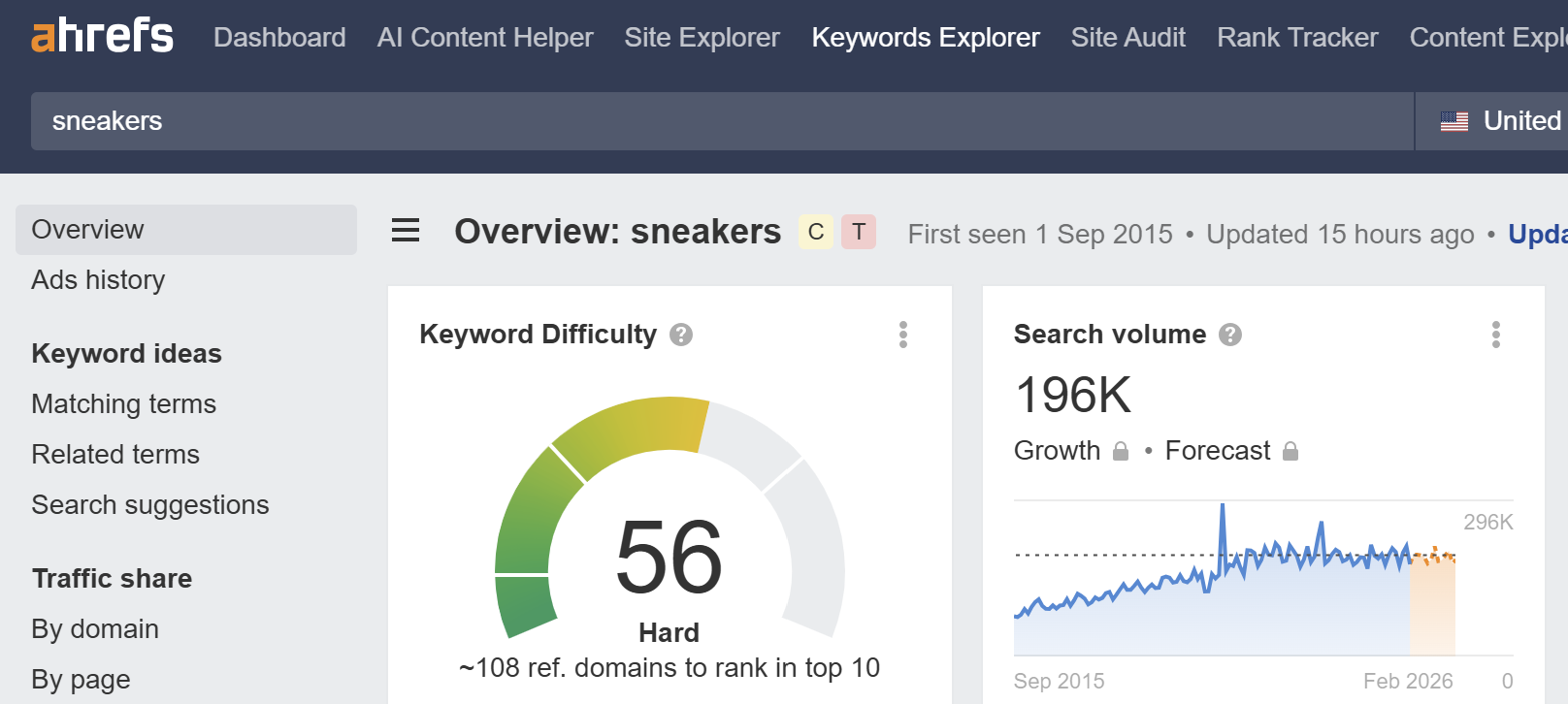
Many newcomers skip the foundational SEO work. Do not make this mistake. Every product description, meta-tag, and image alt-text must be optimized for search intent. As a new player, you cannot compete for high-volume keywords like "sneakers." You must compete for long-tail, high-intent keywords like "breathable sneakers for long-distance trail running."
3. Vetting the "Ghost" Partners
Your supplier is your most important business partner. When vetting, prioritize transparency. Ask:
- What is their average shipping time?
- Do they offer white-labeling or blind-shipping (to ensure the packaging looks like it came from your brand, not the factory)?
- What is their return policy for defective goods?
4. Tailored Marketing: The "Community First" Approach
Don’t just run ads; build a community. Use social media to provide value, tips, and insights related to your niche. If you are selling yoga gear, your content shouldn’t just be "buy this mat." It should be "three poses to fix your posture." When you provide value, the sale becomes a natural byproduct of the relationship.
Implications for the Future of Retail
The rise of ghost commerce is a signal that the power in the retail world is shifting from the manufacturer to the creator. We are entering an age where the ability to build an audience is more valuable than the ability to build a product.
However, this brings a warning: as the digital space becomes more crowded, the "ghost" must become more authentic. The brands that win will be those that curate products with genuine care, vet their suppliers with extreme rigor, and provide a customer experience that feels personal, even when the person behind the screen is invisible.
Frequently Asked Questions
Is ghost commerce the same as dropshipping?
While they share similarities, ghost commerce is often characterized by a stronger focus on branding and niche authority. Dropshipping is often associated with "churn and burn" product testing, whereas ghost commerce emphasizes building a long-term, sustainable brand identity.
How do I handle customer service in a ghost business?
Since you don’t control the shipping, you must be the "customer advocate." You act as the bridge between the customer and the supplier. This requires excellent communication skills and a proactive approach to tracking and resolving shipping delays.
Can I build a full-time income with this model?
Yes, but it requires scale. Because your margins are thinner than those of a traditional manufacturer, you need to drive significant traffic to your store. The most successful ghost commerce entrepreneurs treat their store as a media company, utilizing content to drive organic traffic while supplementing with paid ads.
Ready to start? The transition from idea to execution is often the hardest part. If you are looking for a structured path to launch your own store, platforms like Foundr+ provide the foundational knowledge necessary to navigate supplier sourcing, digital marketing, and brand architecture. Building a ghost commerce brand is a test of patience, creativity, and digital strategy—but for the persistent entrepreneur, it remains one of the most accessible paths to financial independence in the modern age.
 Dwi Wanna
  rifanmuazin
  Asep Darmawan