
 By Sagoh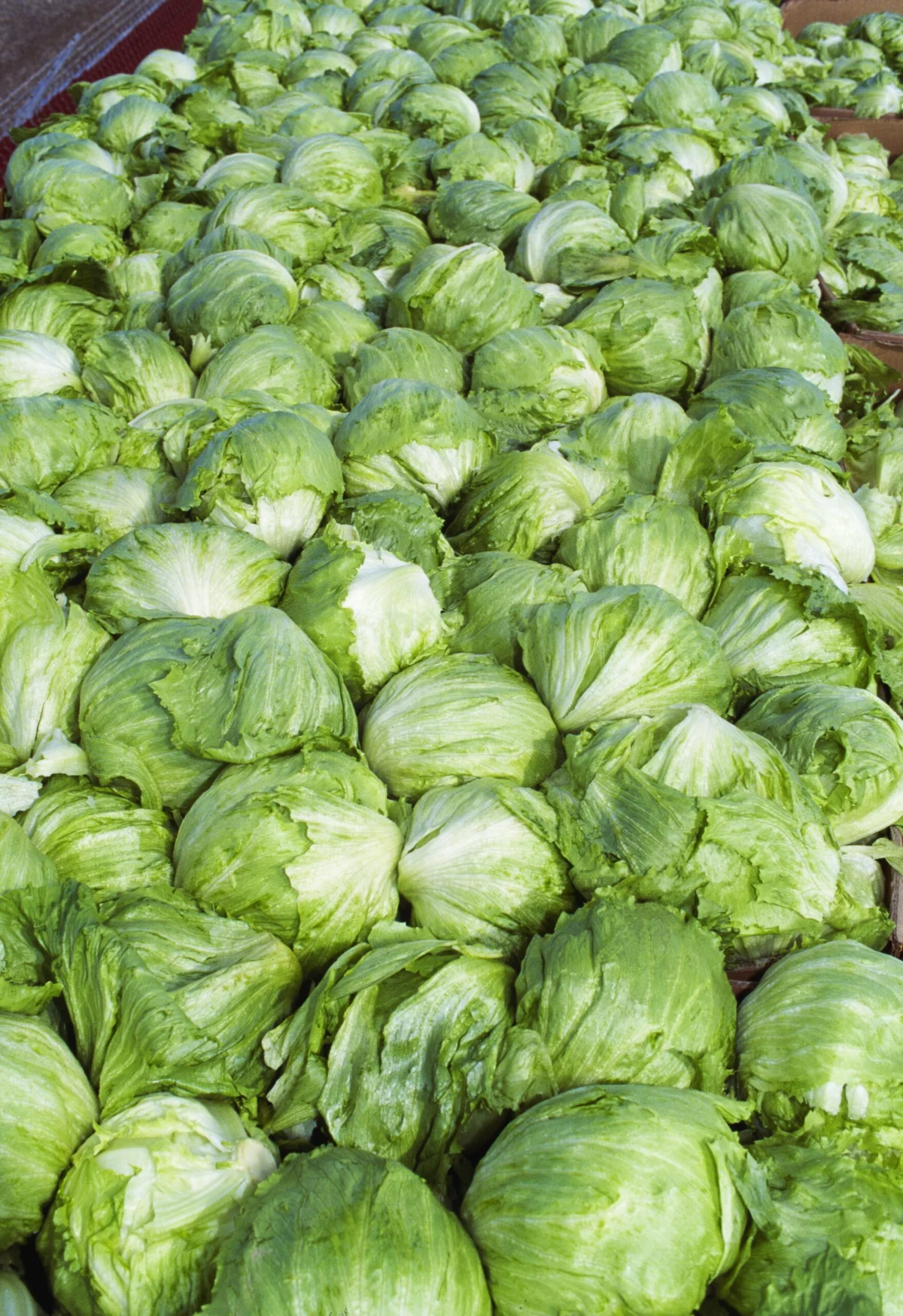
In a significant blow to the stability of the American food supply chain, major produce processor Taylor Farms has initiated a voluntary, indefinite recall of all iceberg lettuce sourced from central Mexico. The decision comes in the wake of a burgeoning public health crisis involving Cyclospora, a microscopic parasite that has triggered a widespread outbreak of severe gastrointestinal illness across the United States.
As federal health agencies scramble to contain the spread, the incident has laid bare systemic vulnerabilities in food safety infrastructure, ranging from federal staffing shortages to delayed traceability mandates. With thousands of illnesses reported—particularly in the Midwest—the recall marks one of the most significant food safety disruptions in recent memory.
The Scope of the Contamination
The current outbreak, characterized by the Centers for Disease Control and Prevention (CDC) as a "rapidly evolving" public health event, has been definitively linked to shredded iceberg lettuce supplied to Taco Bell restaurants across Indiana, Kentucky, Michigan, Ohio, and West Virginia.
The parasite at the center of the crisis, Cyclospora cayetanensis, is a single-celled organism that infects the small intestine. It is notoriously difficult to manage because of its long incubation period—often one to two weeks—and its tendency to cause relapsing symptoms. Patients typically experience explosive, watery diarrhea, frequent bowel movements, vomiting, body aches, severe headaches, and low-grade fevers. These symptoms can subside and reappear multiple times, leaving victims in a prolonged state of illness.
In Michigan alone, the numbers are staggering: public health officials have confirmed over 5,000 reported cases of cyclosporiasis, with 102 individuals requiring hospitalization. The sheer volume of cases has strained regional healthcare systems and prompted an urgent response from both state and federal authorities.
Chronology of a Public Health Crisis
The timeline of the current outbreak reveals a frantic effort by industry leaders and regulators to play catch-up:
- Mid-July 2026: Reports of gastrointestinal illness surge across five Midwestern states, with a common denominator identified: recent consumption of items containing shredded lettuce at Taco Bell locations.
- July 16, 2026: Public health agencies and Taco Bell begin coordinating as epidemiological data points to a specific supply chain failure.
- July 17, 2026: Taco Bell issues a public statement confirming that the affected ingredient is being indefinitely removed from its supply chain nationwide. The company pledges that replacement ingredients will be sourced and distributed to all affected states within 24 hours.
- July 17, 2026: Reports from Reuters confirm that Taylor Farms—a dominant force in the produce industry—issued an internal mandate to major distributors, including Sysco, to pull 5-pound bags of shredded lettuce produced at a facility in Guanajuato, Mexico.
- July 18, 2026: Taylor Farms releases a formal statement acknowledging the voluntary removal of all iceberg lettuce sourced from the central Mexico region.
- Present: The FDA and state partners continue an active, fluid investigation. Officials warn that the scope of the recall could expand as the investigation into secondary distribution channels and other retailers continues.
The Giant in the Shadows: Understanding Taylor Farms
While many consumers are unfamiliar with the name Taylor Farms, its footprint on the American diet is gargantuan. As a massive player in the produce sector, the company generates more than $7 billion in annual revenue and is responsible for producing approximately 40% of all salad kits sold in grocery stores across the United States.
Despite this ubiquity, the "Taylor Farms" label is rarely found on the consumer-facing packaging of the products it manufactures for third-party brands and fast-food chains. This anonymity often shields the supplier from public scrutiny until a massive, multi-state recall occurs. The company’s influence is such that its logistical decisions ripple through every corner of the food industry, making its current inability to pinpoint the contamination source beyond a "specific independent farm" a source of significant concern for food safety advocates.
The Regulatory Gap: Why Tracing Matters
A critical component of this crisis is the debate surrounding food traceability. The FDA has been working to implement the Requirements for Additional Traceability Records for Certain Foods—a key mandate under the Food Safety Modernization Act (FSMA). This rule is designed to require standardized record-keeping for high-risk foods, ensuring that if a pathogen is detected, authorities can trace it back to the precise farm or processing plant in hours rather than weeks.
However, the compliance deadline for this rule was recently pushed back by the FDA from January 2026 to July 2028. Critics argue that had these rigorous, standardized digital record-keeping requirements been fully implemented, the identification of the "specific independent farm" responsible for the Cyclospora outbreak would have been instantaneous, potentially preventing thousands of infections.
Implications: A Hollowed-Out Infrastructure
The investigation into the Cyclospora outbreak is being conducted under increasingly difficult circumstances. Investigative reports from ProPublica have highlighted a significant erosion of the federal government’s food safety surveillance capacity.
Following budget cuts to federal health agencies, more than 240 consumer safety specialists have departed their roles. Furthermore, the CDC has scaled back its Foodborne Diseases Active Surveillance Network (FoodNet), a critical partnership that previously integrated ten states into a real-time data-sharing network for foodborne illness outbreaks.
Without these specialized human resources and the robust data-sharing networks they managed, the FDA and CDC are forced to operate with a diminished "early warning system." This creates a dangerous lag time between the first reports of illness and the issuance of a public recall. When the mechanism for tracking a pathogen is compromised, the public bears the cost in both health and financial terms.
Official Responses and Public Safety
The FDA’s current stance is one of extreme caution. In its latest communication, the agency stated: "Because the investigation remains ongoing, additional implicated brands, restaurants, retailers, or distribution channels may be identified as the investigation continues."
For its part, Taylor Farms has sought to reassure the public by framing the removal as a proactive measure. In its statement, the company noted that while the FDA traceback identified an independent farm representing less than 1% of the U.S. iceberg lettuce supply as the potential source, it chose to eliminate all iceberg lettuce from that entire region indefinitely to ensure safety.
However, for the victims in the Midwest, the corporate and regulatory responses come after the damage has been done. The Cyclospora parasite’s ability to "go away and come back" means that for thousands of people, the impact of this outbreak will be felt for weeks or even months to come.
Conclusion: A Lesson in Vulnerability
The 2026 Cyclospora outbreak serves as a stark reminder of the fragile balance between industrial-scale agriculture and public health. When a single processing facility or a cluster of farms in one region can disrupt the food supply for millions, the lack of ironclad traceability and a weakened federal oversight apparatus become intolerable liabilities.
As the investigation moves forward, the focus will undoubtedly shift toward how the industry can harden its supply chains against such pathogens. Until then, the public is left to contend with a volatile food safety landscape, where the source of a meal is often obscured, and the ability to detect and stop an outbreak is hindered by systemic neglect. Consumers are urged to remain vigilant, follow the guidance of local health departments, and monitor official FDA communications for further updates regarding implicated products.
 Raul Delapena Setiawan
  Siti Muinah
  Asro
Asro 