
 By Layla Zulfa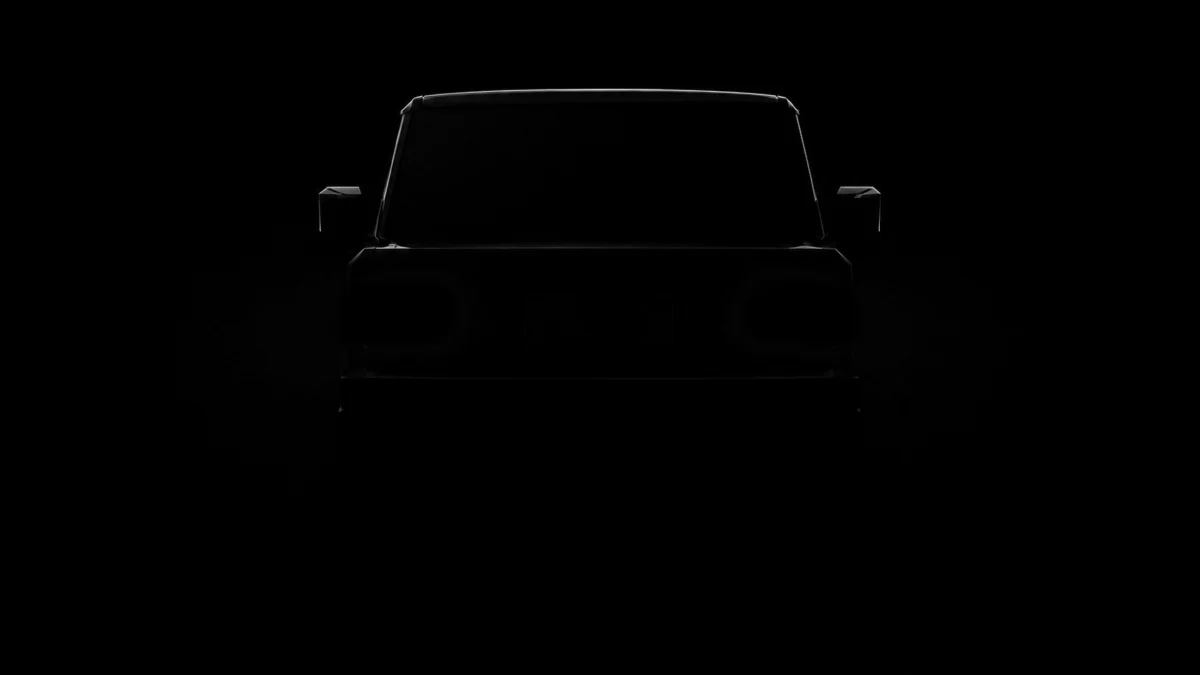
In an automotive landscape dominated by bloated SUVs, six-figure price tags, and subscription-based software locks, a quiet revolution is brewing in the heart of Texas. REO Motors, a revived brand with a century-old lineage, has officially opened reservations for its debut vehicle: the Runabout T4X. Promising a return to the fundamentals of mechanical reliability and affordability, REO is positioning itself as the antithesis to the modern, tech-heavy consumer vehicle. With a starting price of just $21,500, the company is aiming to fill a vacuum that legacy automakers have long ignored: the desire for a simple, rugged, and truly serviceable truck.
Main Facts: A Return to Mechanical Fundamentals
The REO Runabout T4X is not attempting to compete in the race for the largest touchscreen or the most intrusive autonomous driving suite. Instead, the company has doubled down on old-school engineering principles. The vehicle is built on a robust body-on-frame architecture, featuring a naturally aspirated gas engine paired with a choice of a six-speed manual or automatic transmission.
Perhaps the most ambitious claim made by REO is the powertrain’s projected lifespan: 500,000 miles. By prioritizing proven internal combustion technology over complex, early-stage EV drivetrains, REO believes it can offer a vehicle that remains in service for decades rather than years.
"The buyers didn’t leave. The products did," the company stated in a recent manifesto. REO’s philosophy is built on the premise that 90% of the market still relies on gasoline, and by opting for proven, efficient internal combustion, they can provide a vehicle that offers a 600-mile range and a five-minute refueling time—metrics that many modern electric alternatives still struggle to match in practical, heavy-duty applications.
Chronology: From Heritage to Revival
The REO brand carries the weight of over 120 years of history. Originally founded by Ransom E. Olds in 1905, the brand was a pillar of early American industrial ingenuity. After decades of silence, the revival of REO represents a calculated attempt to marry this historical reputation for durability with modern manufacturing efficiency.
While the company has not yet released a definitive, day-by-day production timeline, they have opened a $25, refundable reservation portal to gauge public interest and secure production slots. The "Roadmap" phase of their development is currently focused on final validation, with the company emphasizing that their timeline is subject to change as they move from the prototype phase to full-scale production in their Texas facility.
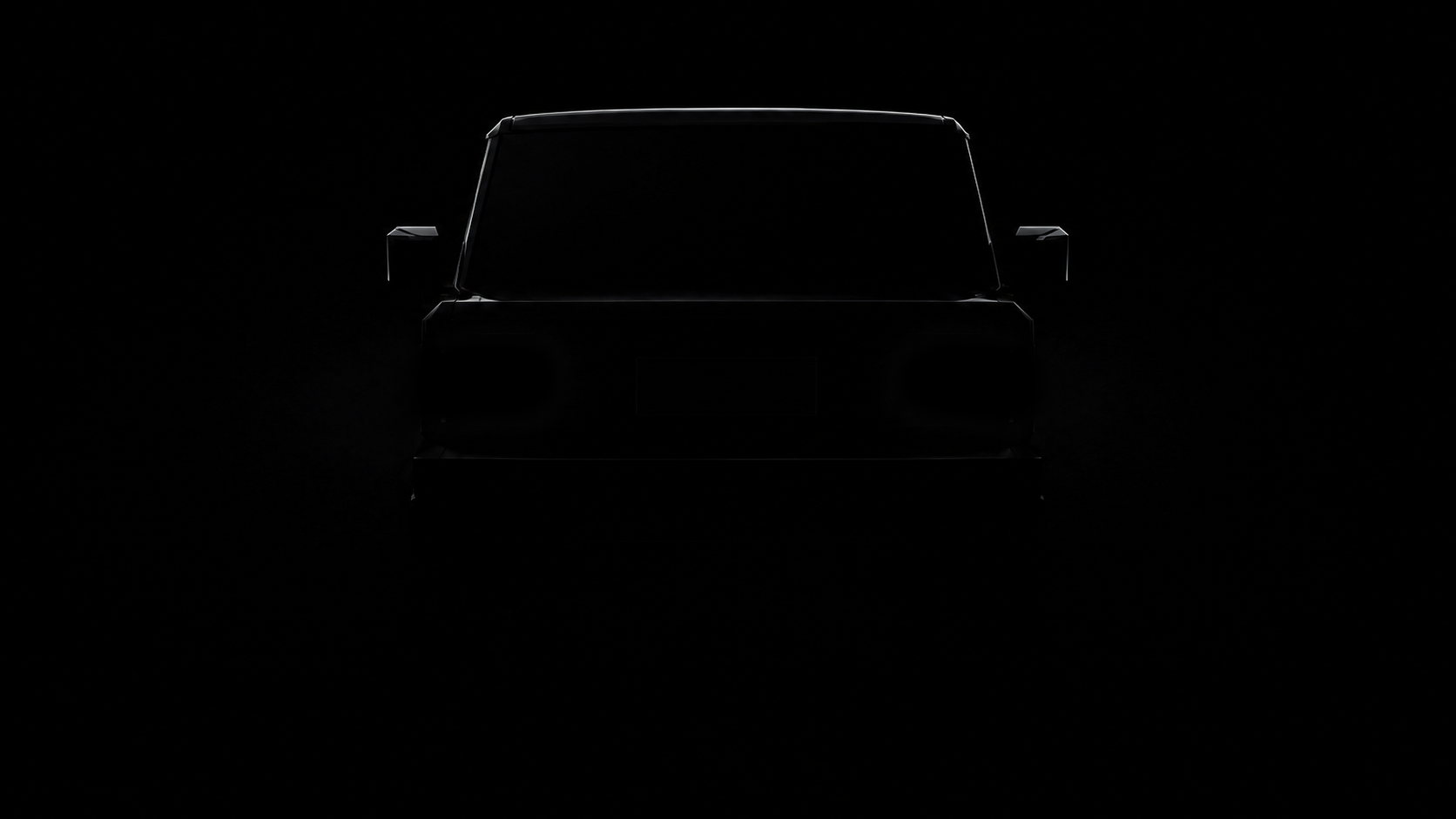
The strategy is transparent: design, certify, and assemble in America. By keeping the supply chain within domestic borders, REO aims to mitigate the global logistical vulnerabilities that have plagued the automotive industry for the last four years.
Supporting Data: The "Right to Repair" Manifesto
REO’s approach to ownership is perhaps its most disruptive feature. In an era where manufacturers are increasingly locking down vehicle software, preventing independent repair shops from diagnosing issues, REO is leaning into radical transparency.
The Five Pillars of REO Ownership:
- Physical Controls: The cabin features levers, rockers, and analog gauges. A single, modest screen is provided solely for diagnostics and Apple CarPlay integration.
- Serviceability: The company claims that every body panel can be removed in under five minutes using common hand tools.
- Diagnostic Freedom: Instead of proprietary dealer-only software, REO utilizes plain-English diagnostics compatible with a standard $30 scanner.
- No Parts-Pairing: REO has committed, in writing, to eschew the common industry practice of "parts-pairing," where the vehicle’s computer refuses to recognize a replacement part unless it is coded by a dealer.
- Direct Sales: By cutting out the dealership middleman, REO eliminates markups, dealer-installed accessory fees, and the high-pressure sales environment. The vehicle is sold direct-to-consumer.
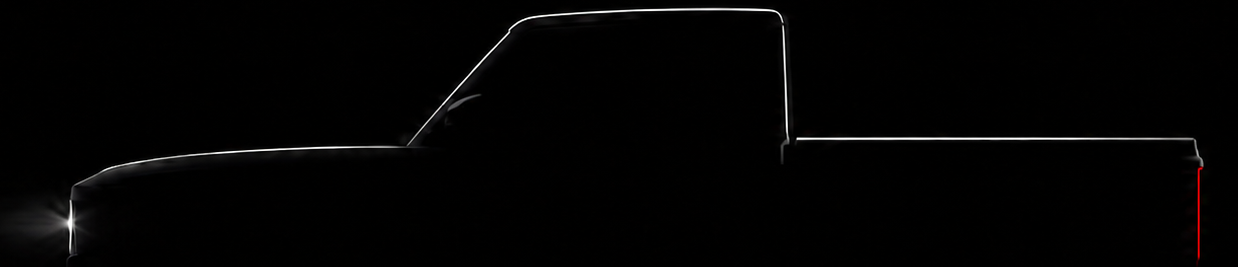
The technical specifications for the T4X variants—the T4X, T4C, and S4C—underscore a focus on utility. The signature steel drop-side flatbed option signals that this vehicle is intended for work, not just as a lifestyle accessory.
Official Responses and Corporate Philosophy
REO Motors has framed its entry into the market as a social contract between the manufacturer and the driver. In their "Direct Parts + OEM-Sponsored Community" initiative, they suggest that the relationship between an automaker and a customer should be collaborative rather than predatory.
"No automaker has ever done this—and that’s exactly the problem," the company notes. REO is promising a 20-year public parts catalog, ensuring that owners of a T4X today can still find components in 2045. By hosting their own owners’ club and maintaining an open line of communication, the leadership at REO is attempting to position the brand as an ally to the enthusiast and the professional alike.
When asked about the lack of modern "luxury" features, the company’s stance is firm: "Reliability by design." By removing features that are prone to failure—such as complex infotainment systems, adaptive air suspensions, or unnecessary electronic sensors—they are reducing the total cost of ownership. The goal is to provide a truck that allows a buyer to skip the standard seven-year financing cycle, favoring a vehicle that can be paid off quickly and maintained affordably.

Implications for the Automotive Industry
The arrival of the REO Runabout represents a significant challenge to the status quo of the automotive industry. If REO succeeds, it could force legacy manufacturers to reckon with the growing demand for "analog" vehicles. Currently, the market is bifurcated between ultra-expensive, tech-heavy luxury trucks and aging, high-mileage used vehicles. REO is attempting to create a middle ground: a brand-new vehicle that feels like an heirloom.
The Market Gap
- Affordability: At $21,500, the T4X sits well below the average transaction price of a new vehicle in the United States, which currently hovers near $48,000.
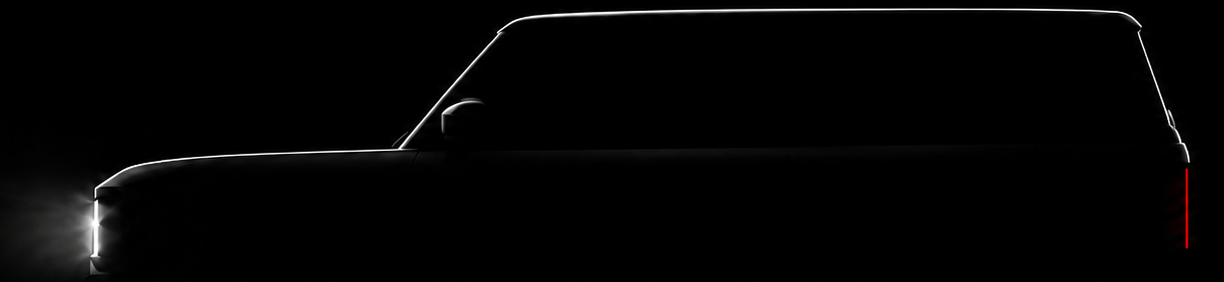
- The "Garage" Factor: Modern trucks have become so large that they often exceed the capacity of standard residential garages. REO is specifically targeting a form factor that fits the American home and the American workspace.
- Anti-Subscription: By explicitly stating "No subscriptions. No feature locks. Ever," REO is tapping into a growing consumer resentment toward "software-as-a-service" models being applied to hardware.
However, the road ahead for REO is not without peril. Scaling a manufacturing operation from zero is an immense challenge that has seen many well-funded startups fail. Achieving federal certification, managing supply chains, and ensuring consistent quality control on a new assembly line requires deep capital and precise execution.
Furthermore, the shift toward electric vehicles is being pushed aggressively by government mandates and environmental regulations. By choosing a gasoline-powered internal combustion engine, REO is betting that the transition to full electrification will be slower than the industry’s marketing departments suggest, and that a large segment of the population will continue to demand the range and simplicity of fossil-fuel propulsion for the foreseeable future.
Conclusion
The REO Runabout T4X is more than a vehicle; it is a protest. It is a manifestation of the frustration felt by millions of drivers who have been priced out of the new car market or forced into purchasing vehicles they cannot repair, modify, or maintain on their own terms.
Whether REO can actually deliver a mass-produced, 500,000-mile-capable truck at a sub-$25,000 price point remains to be seen. But by challenging the industry’s reliance on planned obsolescence, proprietary software, and dealership-driven profit margins, REO has already succeeded in starting a necessary conversation about the future of the American vehicle. For the mechanic, the rancher, and the driver who simply wants a truck that works, the revival of REO offers a glimmer of hope that the era of the "simple, reliable machine" is not yet over.
 rifanmuazin
  Evan Lee Salim