
 By Nana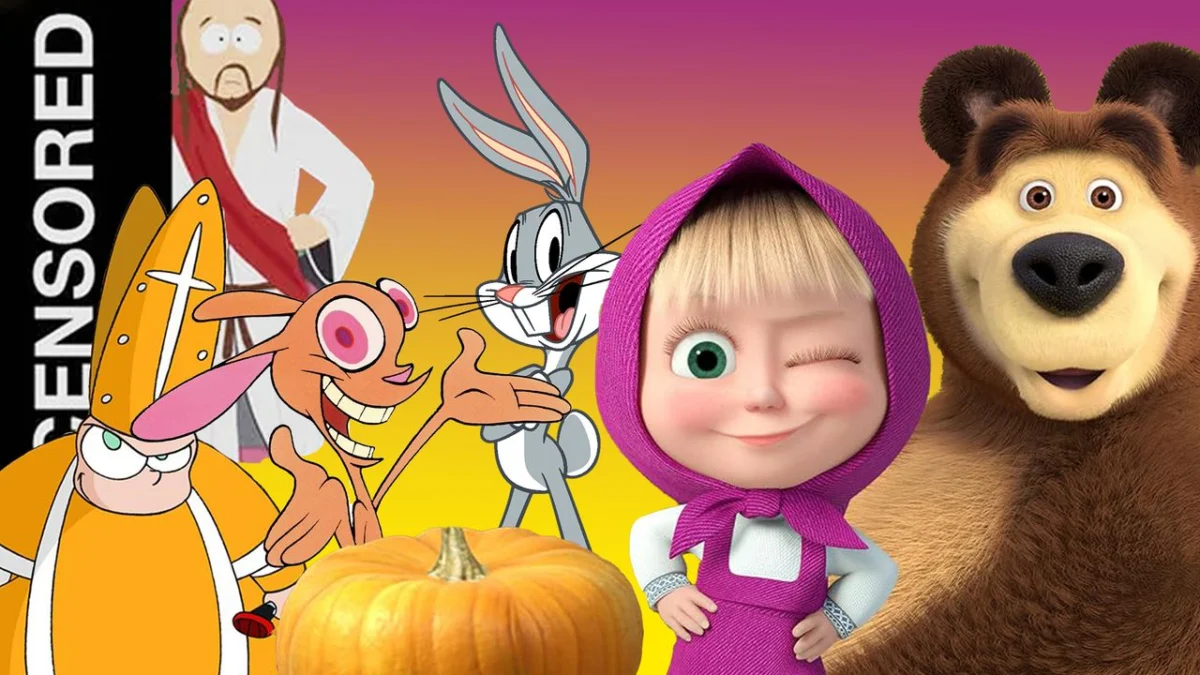
LONDON, UK – The recent calls to ban the popular children’s series Masha and the Bear in the UK, amidst claims of it being a tool of Russian soft power, might strike many as surprising. Yet, this is far from an isolated incident. The vibrant, often boundary-pushing world of animation has a long and storied history of sparking public outcry, challenging societal norms, and becoming a lightning rod for debate. From overt propaganda during wartime to subtle cultural indoctrination, and from adult-oriented satire to accidental health scares, cartoons have consistently found themselves at the heart of controversies that reflect broader societal anxieties and evolving ethical standards.
Animation, a medium capable of incredible narrative depth and visual expression, holds a unique power. It can distill complex ideas into accessible forms, entertain across generations, and subtly influence perceptions. This inherent accessibility and perceived innocence, particularly in children’s programming, make it a potent vehicle for both art and, inadvertently or intentionally, controversy. Creators have often leveraged this power to provoke, pushing the boundaries of taste, politics, and social norms, leading to instances of censorship, boycotts, and widespread public debate. Other times, content created without controversial intent has become problematic due to shifting cultural sensitivities or unforeseen impacts.
This article delves into some of the most significant controversies in animation history, exploring the main facts, their chronological context, supporting data, official responses, and the lasting implications for the medium and its audience.
A Chronology of Controversy: From Propaganda to Modern Debates
The evolution of animation has been punctuated by moments where its content collided with public expectations, governmental scrutiny, or moral outrage.
Death Note: The Dangerous Influence of Dark Fantasy
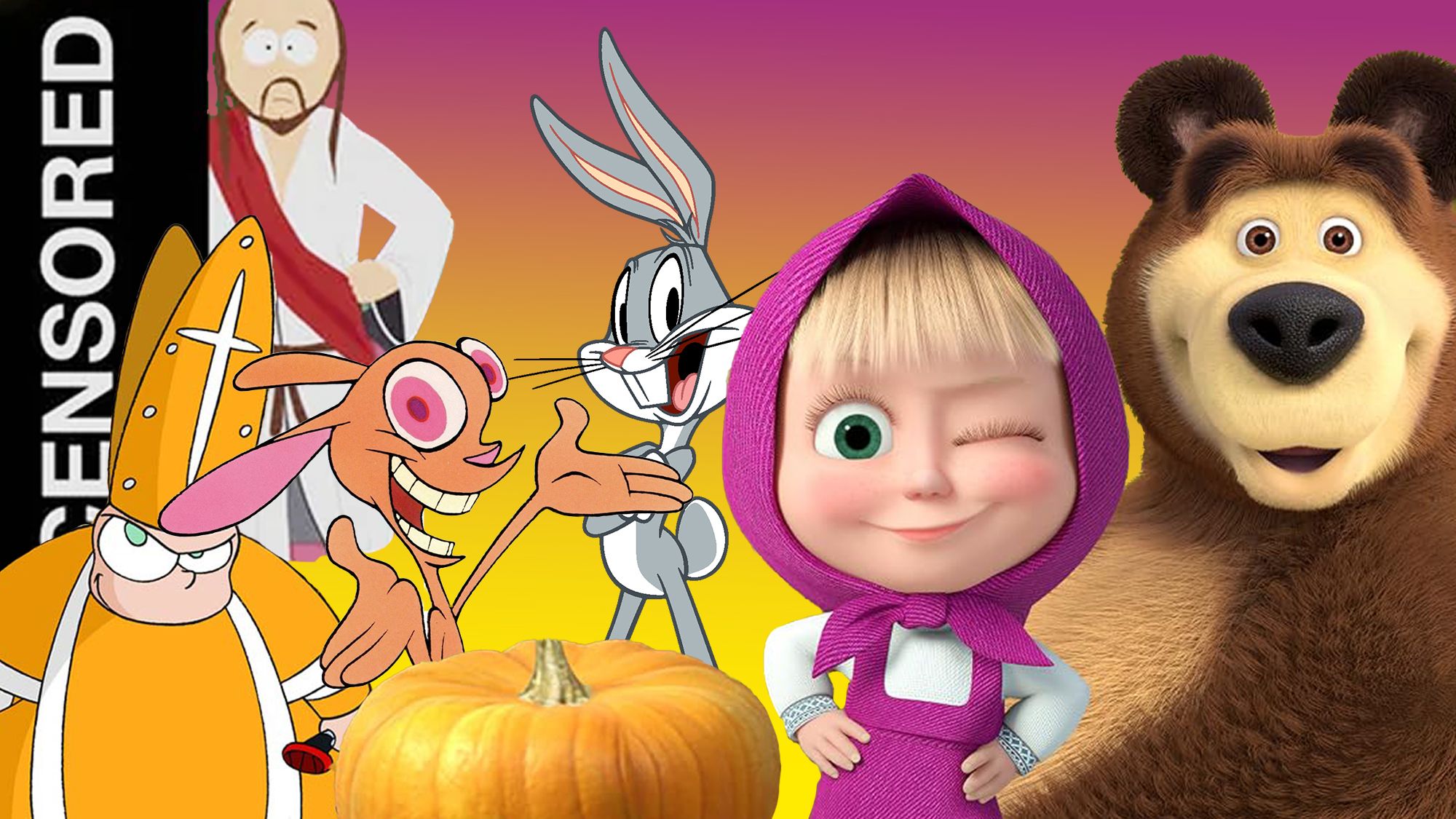
One of the most potent recent examples of a cartoon sparking a "safety panic" is the Japanese anime series Death Note. Airing from 2006 to 2007, this series, based on the manga by Tsugumi Ohba and Takeshi Obata, presented a dark, morally complex narrative. Its protagonist, high school student Light Yagami, discovers a supernatural notebook – the Death Note – that grants him the power to kill anyone simply by writing their name in it. Light embarks on a mission to rid the world of evil, becoming a vigilante figure known as "Kira."
The series’ global popularity was undeniable, but so was the intense international controversy it generated. The central premise, coupled with its exploration of justice, morality, and the corrupting nature of power, led to real-world incidents, particularly among impressionable young viewers. Schools in China reported students creating their own "death notes," inscribing the names of classmates and teachers. This led to a swift and decisive official response: China banned the series in 2007. More than a decade later, in 2021, a Russian court followed suit, ruling that the animation promoted cruelty and violence, citing its potentially damaging effect on the psyches of young viewers. The Death Note controversy highlighted the tangible impact fictional narratives can have, particularly when they involve themes of life and death, and the ongoing debate about media’s responsibility to its audience. It also underlined the difficulty authorities face in controlling content in an increasingly interconnected global media landscape.
The Flintstones: When Stone Age Met Big Tobacco
While Death Note grappled with moral complexity, The Flintstones presents a controversy rooted in the stark contrast between historical advertising practices and modern ethical standards. William Hanna and Joseph Barbera’s creation, which premiered in 1960, is primarily remembered today as a beloved children’s cartoon. However, its original intent was far different. Conceived as a prime-time animated sitcom for adults, often described as "The Honeymooners with dinosaurs," it occupied an evening slot alongside live-action shows.
During its initial seasons, The Flintstones was notably sponsored by R.J. Reynolds Tobacco Company’s Winston cigarettes. This commercial tie-in wasn’t subtle; episodes featured lead characters Fred Flintstone and Barney Rubble not only smoking but also directly promoting Winston cigarettes in animated commercials integrated into the show itself. While tobacco advertising was commonplace and less regulated in the early 1960s, the visual evidence of cartoon characters promoting cigarettes to an audience that increasingly included children is deeply unsettling by today’s standards. Winston eventually withdrew its sponsorship in 1962, as it became undeniably clear that despite its adult-oriented origins, the series had garnered a massive family audience. This episode serves as a powerful reminder of how cultural standards and ethical considerations, particularly concerning advertising to children, have dramatically evolved over time, rendering once-acceptable practices shocking in retrospect.
The Ren & Stimpy Show: Pushing Boundaries, Breaking Rules
The early 1990s saw a revolution in television animation, largely spearheaded by The Ren & Stimpy Show. Premiering on Nickelodeon in 1991, John Kricfalusi’s creation was celebrated for its edgy, often gross-out humour, bizarre visual style, and subversive take on classic cartoon tropes. It quickly garnered a cult following and influenced a generation of animators.
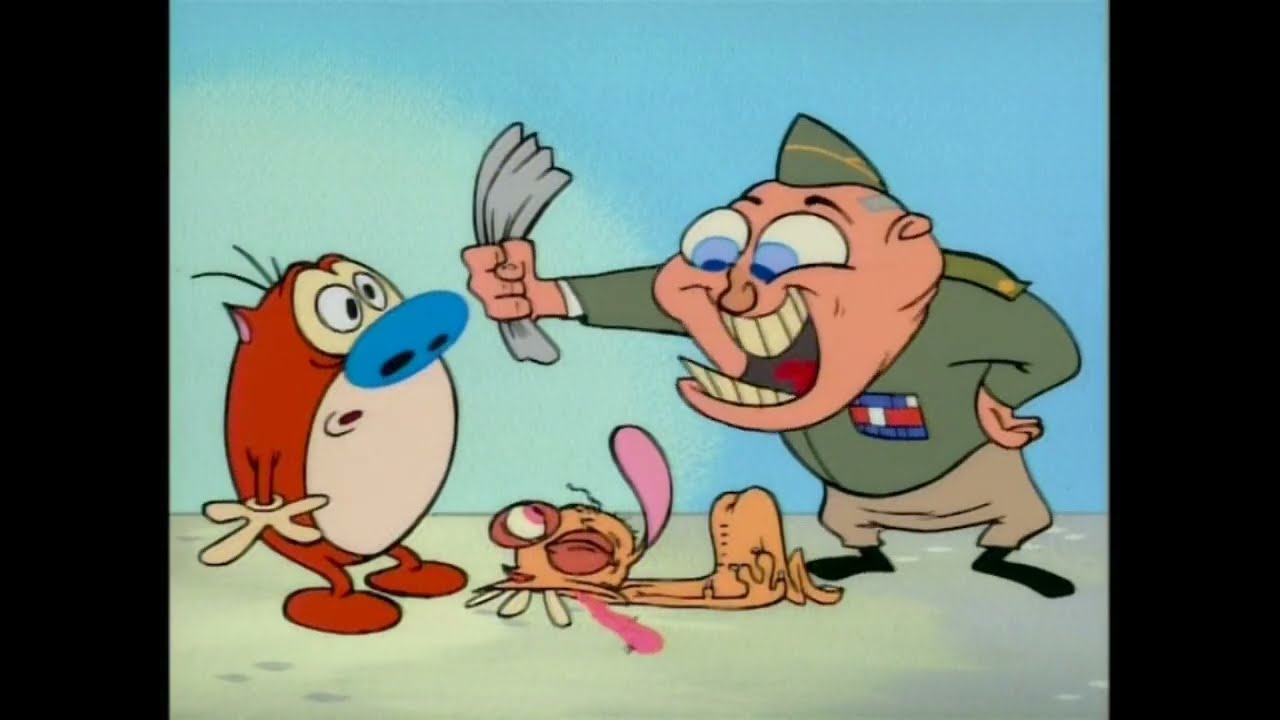
However, the show was a constant source of tension for Nickelodeon executives. Beyond its unconventional humour, the production was plagued by missed deadlines and creative clashes over the show’s violence, suggestive themes, and references to drugs and alcohol. Despite these internal struggles, the show’s strong ratings and massive merchandise sales made it difficult for the network to intervene decisively. The breaking point arrived with the second-season episode "Man’s Best Friend" in 1992. This episode, featuring a scene where Ren brutally beats a character named George Liquor with a wooden oar, was deemed too violent and was ultimately shelved by Nickelodeon. The controversy surrounding this specific episode, combined with ongoing production issues, led to Kricfalusi’s firing shortly thereafter. "Man’s Best Friend" eventually aired years later on Spike TV, a network aimed at an older audience, highlighting the perceived inappropriateness for Nickelodeon’s original demographic. The Ren & Stimpy saga underscores the friction that can arise when a creator’s artistic vision clashes with network standards and audience expectations, especially when pushing the boundaries of what is considered acceptable for a mainstream platform.
Popetown: Blasphemy or Brilliant Satire?
Religious satire has always been fertile ground for controversy, and the 2005 British cartoon Popetown proved no exception. An unlikely commission for the BBC, this 10-part animated series, produced by Channel X and Moi J’Aime La Television, was pitched as a blend of "Father Ted meets South Park." Its premise revolved around a fictional Vatican, populated by an infantile Pope (voiced by Ruby Wax), corrupt cardinals, a fame-obsessed nun, and a sexually deviant priest.
Unsurprisingly, the series immediately provoked a significant backlash from Catholic groups and other religious organisations. Critics condemned it as blasphemous and deeply offensive, arguing that it trivialised sacred figures and institutions. Faced with mounting public pressure and criticism, the BBC ultimately decided to drop the series before its planned broadcast. Stuart Murphy, then controller of BBC Three, articulated the broadcaster’s position, stating that there was a "fine judgment line in comedy between the scurrilously funny and the offensive." This decision, while praised by its detractors, sparked a debate about artistic freedom, censorship, and the role of public broadcasters in commissioning controversial content. Italy’s Jimmy Channel subsequently acquired the show but also chose not to air it, this time following the death of Pope John Paul II, citing sensitivity. Popetown eventually found audiences in other countries, including Germany and New Zealand, illustrating the varied cultural tolerances for religious satire across different regions.
South Park: Master of Offense, Magnet for Threats
Few animated series have so deliberately embraced controversy as a core tenet of their identity as Matt Stone and Trey Parker’s South Park. Since its debut in 1997, the show has made it its mission to offend "absolutely everyone," employing foul-mouthed 10-year-olds to deliver incisive, often complex, political and social commentary. Its rapid production cycle allows it to respond to current affairs with unparalleled speed, ensuring its satire remains cutting-edge.
Over its decades-long run, South Park has lampooned virtually every politician, celebrity, religion, and social issue imaginable. While many episodes have sparked debate, none generated the level of alarm and real-world danger as Episodes 200 and 201, aired in 2010. These episodes featured a plotline involving Tom Cruise and others attempting to harness the "goo" of the Islamic prophet Muhammad to gain immunity from satire. This storyline directly followed the global protests sparked by Danish newspaper Jyllands-Posten’s depictions of Muhammad just a few years prior, a highly sensitive issue. The episodes led to explicit death threats against Parker and Stone from a radical Muslim website, which warned that they could suffer the same fate as Theo van Gogh, a Dutch filmmaker murdered by an Islamic extremist in 2004.
In response to these threats, Comedy Central, the network broadcasting South Park, opted for extensive censorship. Images of Muhammad were covered with a black rectangle, and his name, along with an entire closing speech about fear and intimidation, was bleeped out. This act of self-censorship, driven by genuine security concerns, reignited debates about freedom of speech, the limits of satire, and the chilling effect of violent threats on artistic expression. The South Park controversy remains a stark example of how animated content can transcend entertainment, becoming entangled in global geopolitical and religious tensions.
Masha and the Bear: A Children’s Tale or a Tool of Soft Power?
Bringing us to the present, Netflix’s Masha and the Bear has become the latest addition to the pantheon of controversial cartoons. On the surface, it appears to be an innocuous, albeit sometimes irritating, preschool comedy set in an idyllic woodland, following the adventures of a mischievous girl, Masha, and her gentle, retired circus bear friend. However, the series has drawn significant political scrutiny, with politicians and analysts in several countries deeming it a tool of Russian soft power and propaganda. The animation company, Animaccord, has vehemently denied these claims.
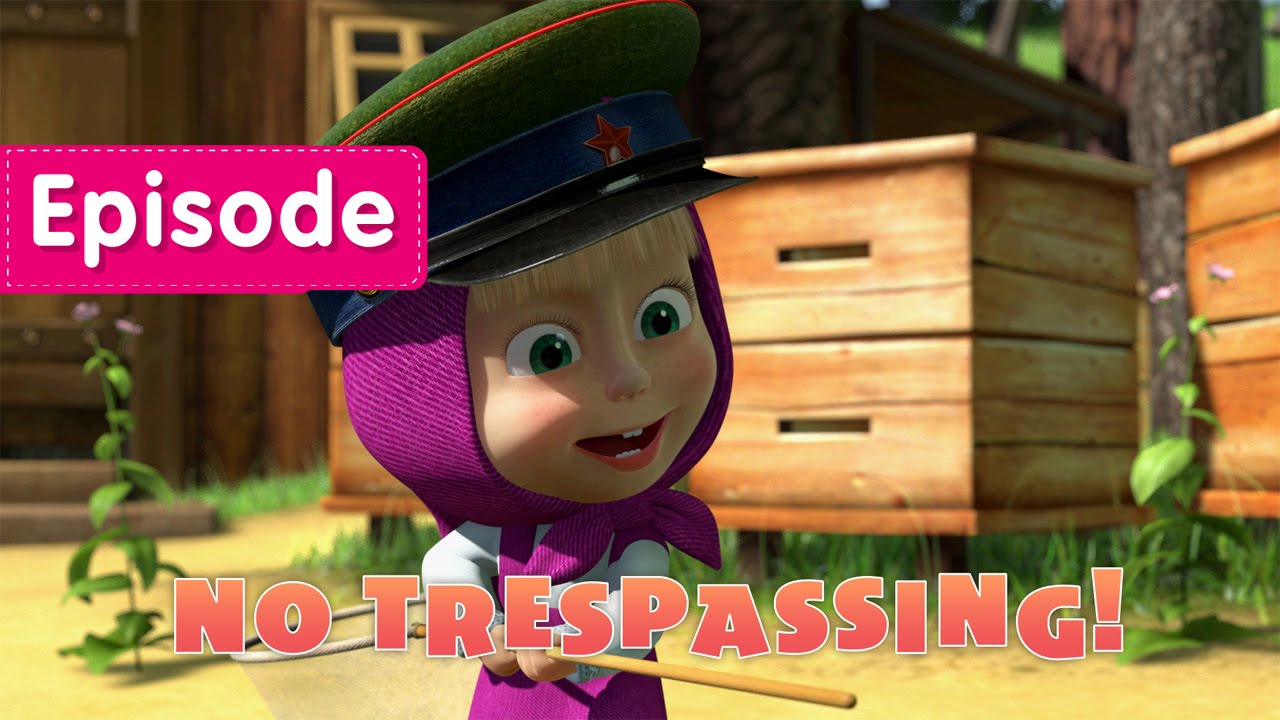
Critics argue that the series, based on a traditional Russian folk tale, employs themes, symbolism, and geopolitical timing intended to present a sanitised, positive image of Russia and to normalise aspects of its military iconography. The Bear, a historical symbol of Russia, is depicted as kind, intelligent, and protective, embodying benevolent strength. Furthermore, several episodes show Masha wearing what appears to resemble Soviet military costume, and the series’ overall aesthetic is deeply rooted in Russian cultural motifs, from balalaikas to traditional folklore.
Ukraine’s Center for Countering Disinformation (CCD) has explicitly warned that Masha and the Bear acts as a "gateway for cultural indoctrination," saturating young viewers with Russian cultural messaging. In the United Kingdom, the concerns escalated to a parliamentary level, with 50 MPs calling for the show to be banned. Liberal Democrat Tom Gordon specifically described the series as promoting the "militarisation of children." While the political critique focused on geopolitical influence, the show also evokes simpler parental frustrations; one editor, for instance, reportedly banned it in her household not for political reasons, but because its perceived chaotic nature put her daughter in a "terrible mood," highlighting the diverse layers of audience response. This controversy illustrates how, in an era of heightened geopolitical tensions, even seemingly innocent children’s entertainment can be scrutinised for underlying political messages and cultural influence.
The Shadow of History: Racism and Propaganda in Classic Cartoons
Looking further back into animation’s past reveals a darker chapter, where overt racism and xenophobic propaganda were disturbingly commonplace. The Golden Age of American animation, while producing many beloved characters, also created content that is profoundly offensive by modern standards.
During World War II, major US animation studios like Disney and Warner Bros. actively produced politicised cartoons as part of the war effort. Disney’s contributions included the Oscar-winning Der Fuehrer’s Face, featuring Donald Duck having a nightmare about living in Nazi Germany. Warner Bros. released shorts like The Ducktators and Daffy – The Commando. However, the line into overt racism was unequivocally crossed with cartoons such as Bugs Bunny Nips the Nips from 1944. This short featured xenophobic caricatures of Japanese people, depicting them with exaggerated features and Bugs Bunny using racial slurs against them. After the war, the studio wisely withdrew this cartoon from public viewing, acknowledging its problematic content.
Bugs Bunny Nips the Nips was not an isolated incident for Warner Bros. The studio had a pre-existing "form" when it came to racial stereotypes. In 1968, United Artists, which owned the distribution rights to pre-1948 Warner Bros. work, made the crucial decision to pull a series of 11 Looney Tunes and Merrie Melodies shorts from syndication due to their deeply offensive portrayals of African Americans. These cartoons became infamously known as the "Censored Eleven." Produced between 1931 and 1944, titles like Coal Black and de Sebben Dwarfs and Goldilocks and the Jivin’ Bears showcased pervasive and harmful stereotypes. Uncle Tom’s Bungalow (1937), a parody of Uncle Tom’s Cabin, featured exaggerated racial portrayals, while Jungle Jitters (1938) depicted a white traveling salesman captured by a tribe of African cannibals who spoke in jazz slang, relying on deeply problematic and dehumanising tropes.
These historical cartoons serve as a stark reminder of the widespread racism embedded in popular culture during that era. While they are often preserved today in archives for historical study, their continued exclusion from mainstream broadcast reflects an official recognition of their harmful nature and the industry’s evolving commitment to combating racial prejudice. The existence of such content also lends a disturbing credibility to theories about the origins of certain character design choices, such as why early Disney characters often wore white gloves – a theory that suggests a way to visually distinguish characters in an era rife with blackface minstrelsy.
Official Responses and Lingering Questions
The controversies surrounding these animated works have consistently elicited a range of official responses, from outright bans and censorship to public apologies and internal policy changes. These reactions highlight the ongoing tension between artistic freedom, commercial interests, and social responsibility.
- Censorship and Bans: The most definitive responses have been outright bans, as seen with Death Note in China and Russia, and the withdrawal of the "Censored Eleven" and Bugs Bunny Nips the Nips from public circulation. This represents a clear societal judgment that certain content is harmful or inappropriate.
- Self-Censorship: Comedy Central’s decision to bleep out names and black-box images in South Park demonstrates the power of external threats to influence content. This raises questions about whether creative integrity is compromised under duress.
- Network Intervention: Nickelodeon’s struggle with Ren & Stimpy and its eventual firing of John Kricfalusi illustrates how networks, despite commercial success, may draw a line when content or production issues become too disruptive or controversial for their brand image and target audience.
- Broadcaster Responsibility: The BBC’s decision regarding Popetown reflects the unique pressures on public broadcasters to balance satire with public sensitivity, especially concerning religious themes. Stuart Murphy’s quote about the "fine judgment line" encapsulates this delicate balancing act.
- Denials and Defenses: Animaccord’s denial of Masha and the Bear being Russian propaganda exemplifies how creators and producers often defend their work against political interpretations, asserting artistic intent over perceived messaging.
Balancing Artistic Freedom and Social Responsibility
The recurring nature of these controversies underscores the persistent challenge of balancing artistic freedom with social responsibility. Animation, like any art form, thrives on creative expression and the ability to comment on the world. However, when that expression intersects with vulnerable audiences (children), sensitive cultural or religious topics, or political narratives, the debate intensifies. The implications are far-reaching:
- Evolving Cultural Standards: What was acceptable in the 1940s (Bugs Bunny Nips the Nips) or even the 1960s (The Flintstones tobacco ads) is unequivocally condemned today. This demonstrates a progressive shift in societal values and a heightened awareness of media’s impact.
- Impact on Youth: The Death Note and Masha and the Bear controversies highlight concerns about the psychological and cultural impact of animated content on children. This fuels discussions around parental guidance, media literacy, and age-appropriate content ratings.
- The Power of Satire: South Park and Popetown showcase satire’s power to provoke thought, but also its capacity to offend deeply and, in extreme cases, incite threats. This forces a constant re-evaluation of the limits and responsibilities of comedic expression.
- Globalization and Interpretation: The global reach of animation means content created in one cultural context can be interpreted very differently elsewhere, as seen with Death Note and Masha and the Bear. This necessitates a greater awareness of diverse global sensitivities.
Conclusion: The Unfolding Narrative of Animated Provocation
The history of animation is a dynamic tapestry woven with threads of innovation, entertainment, and, inevitably, controversy. From the overt wartime propaganda and deeply entrenched racism of early Warner Bros. cartoons to the subtle geopolitical readings of Masha and the Bear, and the provocative satire of South Park, animated works have consistently reflected, challenged, and shaped societal dialogues.
These controversies are not merely historical footnotes; they are ongoing conversations about the power of visual storytelling, the responsibilities of creators and distributors, and the ever-shifting landscape of cultural acceptance. As new technologies emerge (like AI animation, which has itself sparked recent debates, such as Amazon’s Love, Diana Music Hunters mockbuster controversy) and global audiences become more interconnected, the potential for animated content to spark debate will only continue to grow. The enduring narrative of animated provocation serves as a vital reminder that cartoons are far more than just child’s play; they are powerful cultural artifacts that mirror our deepest values, fears, and evolving understanding of the world.
 Evan Lee Salim
  Ammar Sabilarrohman