
 By Iffa Jayyana
London, UK – For enthusiasts of high-fidelity sound, CanJam stands as a pilgrimage site, a sprawling exhibition where the cutting edge of personal audio technology converges. From the most accessible entry-level earphones to exotic, five-figure flagship headphones, the event offers a unique opportunity for audiophiles to immerse themselves in a world of sonic refinement. This past weekend marked a significant milestone for one such enthusiast, a journalist who, after a year-long delve into the intricate "rabbit hole" of audiophilia, experienced their inaugural CanJam. What began as an exciting exploration of revered gear quickly evolved into a series of profound and often disruptive revelations, destined to reshape their approach to reviewing and understanding the personal audio landscape.
The event, a global benchmark for personal audio trade shows, brings together manufacturers, innovators, and a passionate community. It is a place where theoretical discussions found online transform into tangible, audible experiences. For our journalist, the initial thrill of sampling devices previously only read about or dreamt of soon gave way to a deeper contemplation of the hobby’s underlying principles. The insights gleaned from this immersive experience — particularly regarding individual perception, the often-overlooked importance of comfort, the industry’s evolving tuning philosophies, and the complex relationship between price and performance — are poised to influence how future headphone and In-Ear Monitor (IEM) reviews are conceived and presented.
CanJam: A Mecca for Modern Audiophiles
Stepping into CanJam is akin to entering a vibrant, pulsating soundscape. The air thrums with the subtle leakage of countless headphones, the murmur of excited conversations, and the occasional burst of music from an open-back demo station. Booths, ranging from minimalist displays of boutique artisans to elaborate showcases from established giants, beckon attendees to sit, listen, and compare. The sheer variety is staggering: planar magnetic headphones with intricate designs, electrostatic marvels demanding dedicated amplification, and a kaleidoscopic array of IEMs, each promising a unique sonic signature. For a relatively new audiophile, the initial sensation is one of overwhelming possibility and boundless excitement.
The journalist’s journey through CanJam was structured by anticipation. Weeks of research and community discussions had built a mental wishlist of "must-try" gear, from lauded budget "bangers" to the almost mythical, unattainable flagships like the $5,200 Subtonic Storm IEM. The opportunity to physically interact with, and more importantly, listen to, these devices in person was the primary draw. However, this hands-on engagement quickly stripped away some preconceived notions, replacing them with a more nuanced, grounded understanding of what truly constitutes a superior audio experience. The traditional metrics of sound quality, while still important, began to share the spotlight with less tangible but equally critical factors.
The Subjective Soundscape: Why Individual Hearing Matters
One of the most impactful sessions of the weekend was a seminar titled "Why Can’t We Just Agree What a Headphone Sounds Like?" presented by Griffin Silver (aka Listener) and Cameron Oatley (GoldenSound) from Headphones.com. Their YouTube channel is widely recognized for its unbiased, informed, and engaging discourse on personal audio science, and their live presentation at CanJam proved to be a pivotal moment for many attendees, including our journalist.
Insights from Headphones.com: Challenging Conventional Wisdom
The seminar systematically dismantled common assumptions within the audiophile community, revealing the profound subjectivity inherent in audio perception. Their core arguments, supported by cutting-edge research, centered on several key factors:
- Individual Anatomy: The most fundamental truth highlighted was that no two ears are identical. The unique geometry of each person’s ear canals, pinnae (outer ear), and even head and torso shape significantly influences how sound waves are processed before they reach the eardrum. This phenomenon is known as the Head-Related Transfer Function (HRTF). Different HRTFs mean that the same sound source will be perceived differently by different listeners, even when using identical equipment.
- Physical Interaction of Headphones/IEMs: Beyond individual anatomy, the physical fit of the audio device itself plays a crucial role. For headphones, factors like seal integrity, clamping pressure, and the material of the ear pads can alter the acoustic coupling between the driver and the ear, leading to variations in perceived frequency response. Similarly, for IEMs, the depth of insertion, the type of ear tip used, and the overall fit within the ear canal can dramatically affect the sound delivered to the eardrum, particularly in the bass region where a poor seal can lead to significant loss.
- Limitations of Frequency Response Graphs: While frequency response (FR) graphs are invaluable tools for objective measurement in audio reviewing, the seminar cautioned against interpreting them as a definitive representation of perceived sound. These graphs typically measure the sound pressure level across different frequencies in a standardized coupler or artificial head. However, they cannot fully account for individual HRTF variations, the dynamic interaction between the ear and the transducer, or the complex psychoacoustic processes that shape our listening experience. A headphone that graphs "flat" on a measurement rig might not sound "neutral" to every listener due to these physiological differences.
- Individual Tonal Preferences: Finally, the seminar acknowledged the undeniable role of personal taste. What one listener perceives as a "bright" treble, another might find "detailed" or "airy." A "warm" bass might be "muddy" to another. These preferences are shaped by a lifetime of listening experiences, musical genres, and even cultural background, making a universal "ideal" sound profile elusive.
These findings were, for many, unintuitive and potentially disruptive, prompting attendees to re-evaluate past purchases and future considerations. The notion that a highly acclaimed, expensive headphone might sound fundamentally different on one’s own head compared to a reviewer’s measurement rig was a powerful realization. However, the journalist’s main takeaway was profoundly positive and empowering: if everyone truly hears differently, then the often-intimidating hierarchy of the audiophile community begins to crumble. No longer does one need to doubt their own preferences or feel inferior when a louder, more experienced voice dismisses their favored gear. Each individual’s unique auditory experience is valid, fostering a more inclusive and welcoming environment for newcomers to the hobby.
Beyond Sonic Prowess: The Critical Role of Comfort in Audiophile Gear
While the technical nuances of sound reproduction are paramount in audiophilia, the CanJam experience underscored another, often overlooked, critical factor: comfort. The most exquisitely tuned, technologically advanced audio device becomes utterly useless if it cannot be worn for more than a few minutes without causing discomfort. This revelation served as a significant "levelling factor" for our journalist, illustrating that even the world’s best-sounding gear can be overshadowed by a more comfortable, albeit less sonically perfect, alternative.
A Tale of Two IEMs: The Subtonic Storm and the Final E4000
A primary goal for the journalist at CanJam was to audition the Subtonic Storm IEM, a $5,200 earphone widely lauded as potentially the "best IEM in the world" by respected reviewers such as Theo Lee, known as Precogvision. The anticipation was palpable, fueled by glowing online testimonials and the device’s formidable price tag.
Upon finally getting the Storm into their ears, the initial impression was indeed one of striking visual appeal and reassuring heft, befitting its premium status. The sonic performance, even in a brief listen, hinted at the promised excellence. However, the experience was severely marred by an overwhelming sense of physical discomfort. The "chonky", unvented design of the IEM created an immediate and persistent pressure build-up within the ear canals. Any movement of the jaw only exacerbated this sensation, making it impossible to relax and critically evaluate the sound. The sublime audio qualities, however present, were rendered irrelevant by the physical pain.
This stark contrast was brought into sharp relief when compared to a much more humble, yet highly enjoyable, experience with the $100 Final E4000 IEMs. These "bass cannons," while not aiming for the same ultra-high-fidelity as the Storm, offered what the journalist described as "elite comfort." The ability to wear them without physical distraction allowed for genuine engagement with the music, proving that an enjoyable listening experience is fundamentally dependent on the wearability of the device. The journalist succinctly summarized this point: "none of that magic sauce matters if you can’t bear to listen to them for more than 1 minute."
This realization has significant implications for both consumers and reviewers. For consumers, it’s a powerful reminder that specifications and price tags don’t always translate directly into personal enjoyment. An in-person audition, where comfort can be thoroughly assessed, is invaluable. For reviewers, it emphasizes the need to dedicate substantial attention to ergonomics and long-term wearability, recognizing that these factors are as crucial as, if not more so than, pure sonic performance in determining a product’s real-world value. Comfort, it seems, is the silent gatekeeper of high-fidelity enjoyment.
The Evolving Sonic Ideal: Embracing Neutrality in Audio Tuning
The audiophile world has long celebrated diverse sound signatures, from bass-heavy "fun" tunings to sparkling "treble-forward" presentations. Our journalist admitted to having personal favorites in both camps, citing the "big bad bass" of the FiiO FT1 headphones and the "treble forward" Binary EP321 IEMs. However, CanJam revealed a growing and increasingly significant trend towards genuine neutrality in audio tuning, a development that is widely seen as a positive evolution for the hobby.
From "Fun" Colorations to Scientific Accuracy
Traditionally, many headphones and IEMs have employed "colorizations" – artificial boosts or scoops in certain frequency ranges – to create a sense of detail, impact, or spaciousness. Treble boosts might give the impression of enhanced clarity, while lower-bass scoops could accentuate mid-bass punch. While these tunings can be engaging and "fun," they depart from an accurate reproduction of the original sound recording.
The recent push towards neutrality, however, aims for a more faithful and uncolored sound reproduction. A truly neutral tuning strives for a flat frequency response across the audible spectrum, ensuring that vocals and instruments sound as they would in the real world, without artificial emphasis or de-emphasis. This trend is considered healthy for the audiophile hobby because it provides a common reference point, allowing listeners to discern the true character of their music rather than the imposed signature of their playback device. It encourages a deeper appreciation for the recording itself and allows personal preferences (like a desire for more bass) to be applied consciously through equalization, rather than being dictated by the inherent tuning of the hardware.
The GoldenSound Pro X and the Science of Neutrality
A prime example of this scientific approach to neutrality was showcased with the release of the Status Pro X GoldenSound Edition wireless earphones. This product, which debuted just prior to CanJam, represents a significant leap forward in achieving a genuinely neutral sound profile, specifically tailored for the majority of listeners.
The development process, spearheaded by Cameron Oatley (GoldenSound) and his team at Headphones.com, involved a groundbreaking collaboration with Imperial College London. They undertook rigorous measurements of individual Head-Related Transfer Functions (HRTFs) from multiple listeners. This data was then compared against the acoustic profile of the Brüel & Kjær 5128, a highly respected and industry-standard measurement dummy head known for its accurate representation of human ear acoustics. By meticulously analyzing these profiles, Oatley and his team were able to derive a "true 5128-specific neutral target" – essentially, a scientifically validated baseline for what a neutral sound should ideally be, accounting for human auditory perception.
Cameron then meticulously tuned and equalized the Pro X on a 5128 simulator until its output precisely matched this derived baseline, resulting in a sound signature designed for a "genuine neutral response." The journalist, having used the GoldenSound Pro X non-stop since its release, reported a deeply satisfying listening experience. The tuning was described as "clean, clear, rich and beautifully balanced," with "zero awkward elevations," allowing vocals and instruments to sound remarkably natural and lifelike. Crucially, it also incorporates a "healthy wad of bass," acknowledging that while neutrality is the goal, a certain level of bass presence is widely appreciated by listeners.

Priced at $280, the Status Pro X GoldenSound Edition offers remarkable value for its technological sophistication and sonic accuracy. The only minor drawback noted was the inability to EQ the specific GoldenSound profile within the accompanying app, though users can still adjust the original Pro X tuning. This initiative by Headphones.com and Status Audio serves as a powerful "official response" from experts, demonstrating how scientific rigor can elevate audio product development, moving beyond subjective guesswork towards a more universal and accurate sonic ideal. It provides a benchmark that educates consumers on what true neutrality can sound like, thereby enriching the entire hobby.
The Pinnacle of Performance: Grappling with Flagship Pricing
No CanJam experience is complete without venturing into the realm of ultra-high-end audio, where price tags ascend to stratospheric levels. The journalist’s journey through the Noble Audio stall provided a microcosm of this segment, revealing both moments of sonic revelation and a profound philosophical question about the true value of extreme pricing in audio.
The Noble Kronos: A Moment of Sonic Revelation
The visit to Noble Audio began with a mixed experience. The new $325 Noble Vanguard IEM, despite its promise, suffered from an "upper mid peak" that proved distracting. A subsequent listen to the $699 Noble Iris, however, restored faith, delivering a "great" sound. But the ultimate target was the Noble Kronos, a flagship IEM commanding a formidable $4,500 price tag.
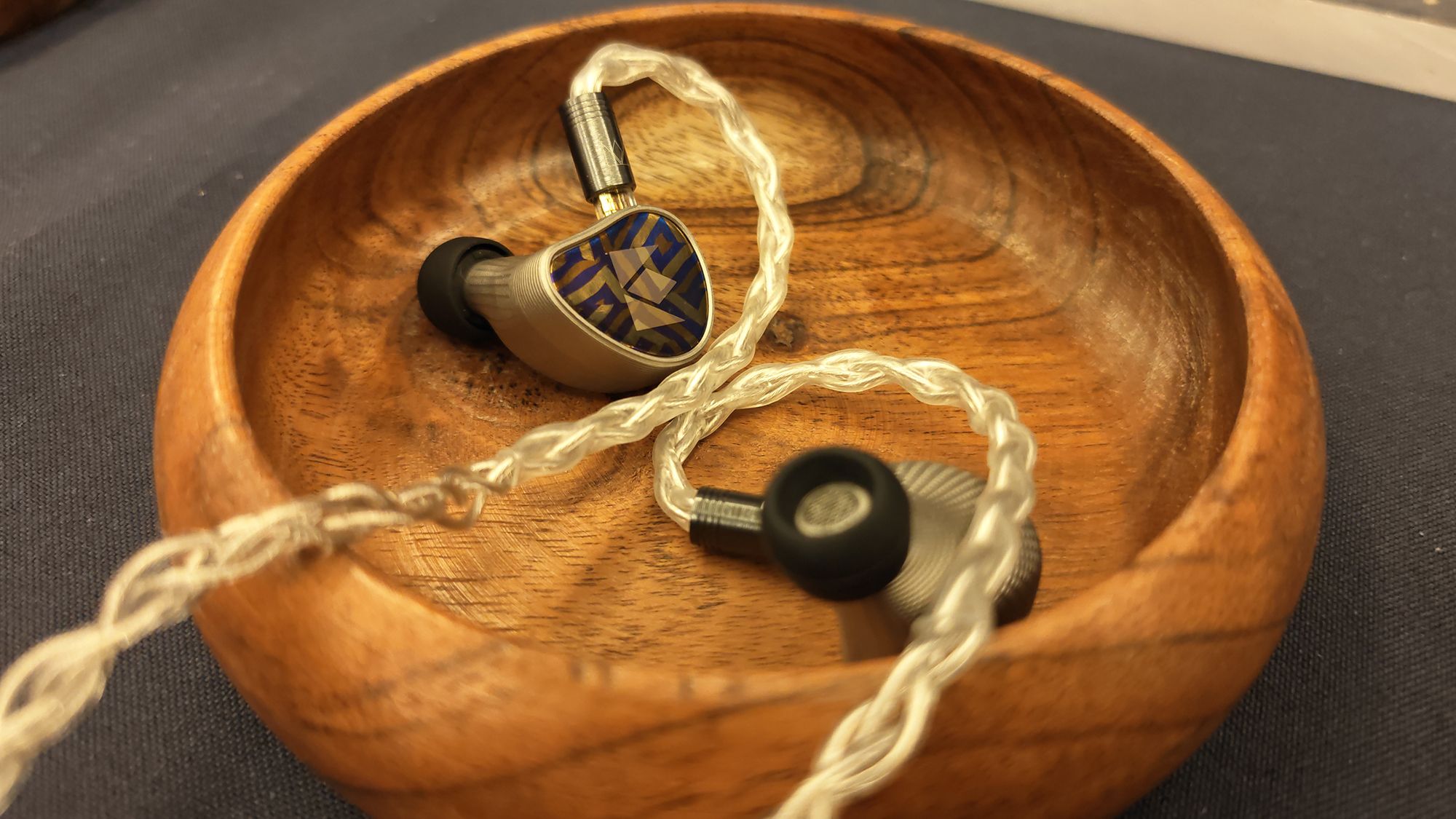
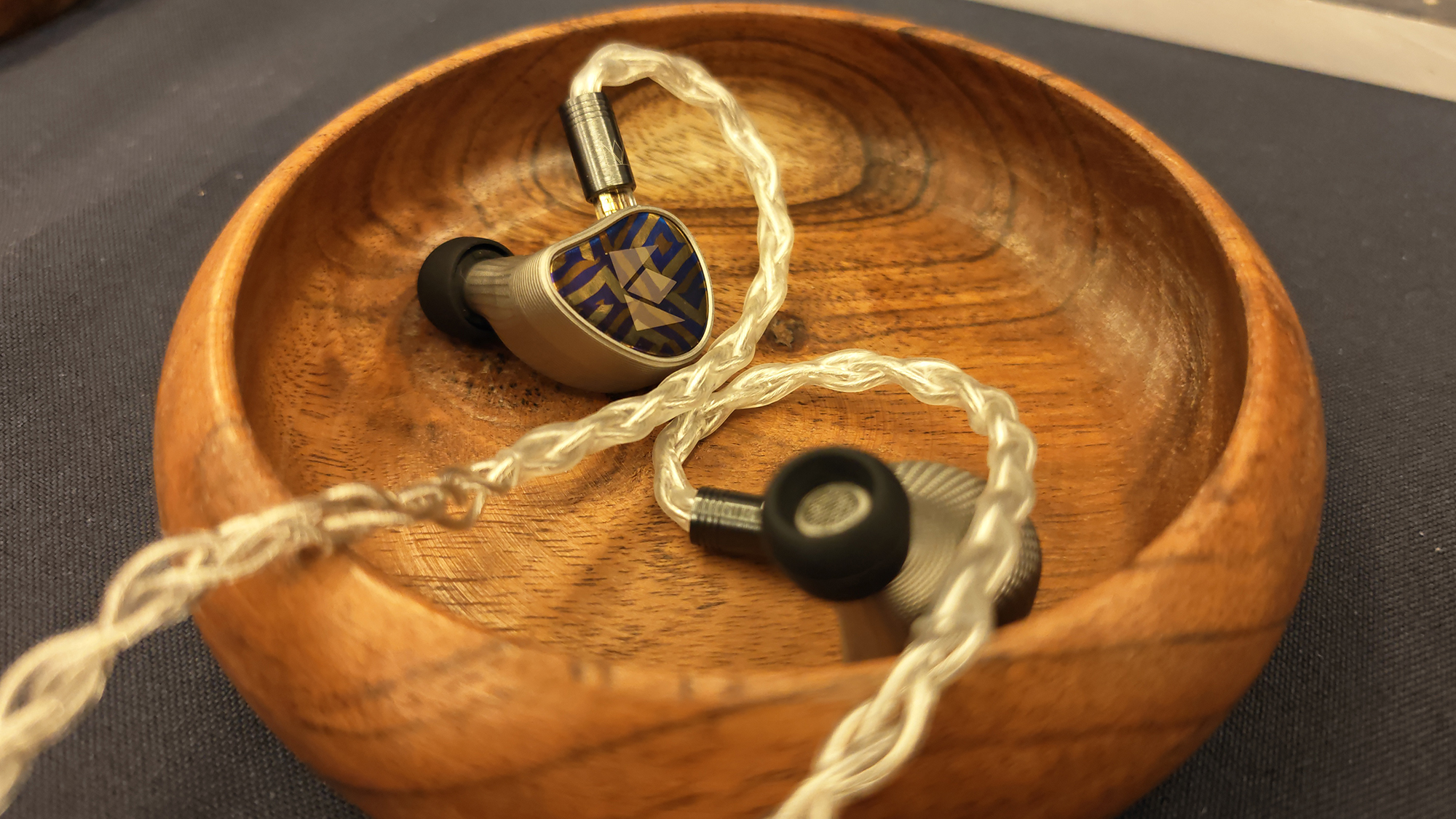
The Kronos, like many ultra-premium IEMs, is a "chonkfest," physically substantial and housing an impressive array of nine precision drivers. Upon auditioning them, the journalist reported a truly transformative experience. The sound profile, perhaps due to a "distinct lack of upper mid peak" or a perfectly balanced "lower frequency warmth and spot on midrange," was utterly captivating. The ability to discern "lesser known details" in familiar test tracks, coupled with an overall sense of musicality, brought an undeniable "smile to my face." This was, without a doubt, the most sonically impressive device the journalist encountered all weekend.
The Philosophical Question of Value
The encounter with the Noble Kronos, while exhilarating, immediately triggered a deeper reflection on the economics of high-end audio. "But can you really put a $4,500 price tag on a sound profile?" the journalist pondered. The answer, superficially, is "yes, clearly," given the product exists and is priced accordingly. However, the more profound question is whether such a price "makes sense" in the broader context of the audiophile hobby and individual enjoyment.
This observation delves into the heart of the audiophile dilemma: the law of diminishing returns. While the Kronos undoubtedly offered a superior sonic experience, the incremental improvement over, say, the $699 Iris or even much cheaper, well-tuned IEMs, is arguably not proportional to the exponential increase in price. For many, a significant portion of the cost in ultra-high-end gear goes towards exotic materials, intricate craftsmanship, limited production runs, and the perception of exclusivity.

The journalist concluded that while the Kronos represented the "best thing I heard all weekend," its extreme price point creates a barrier to entry that contradicts their belief that "personal audio is at its best when it’s open to all with its prices, encouraging people in, not warding them off." The bittersweet reality is that such a device, while providing a fleeting moment of sonic perfection, remains largely inaccessible to the majority of enthusiasts. It becomes a benchmark, a dream, rather than a tangible part of one’s everyday listening. The reliance on future CanJam events to re-experience such pinnacle products highlights the aspirational, yet often exclusionary, nature of this segment of the hobby.
Implications and the Future of Audiophile Reviewing
The inaugural CanJam experience proved to be a profoundly transformative one for our journalist. What began as a simple exploration of audio gear evolved into a comprehensive re-evaluation of the foundational tenets of audiophilia. The key takeaways – the undeniable subjectivity of individual hearing, the paramount importance of physical comfort, the growing significance of scientifically derived neutral tunings, and the complex calculus of value in ultra-premium products – will undoubtedly shape their future engagement with the hobby and, critically, their approach to audio reviewing.
Moving forward, reviews will likely place a greater emphasis on the subjective fit and comfort of a device, acknowledging that sonic excellence is moot without wearability. The analysis of sound signatures will be tempered by the understanding of individual hearing variations, perhaps encouraging more nuanced descriptions that allow for personal interpretation rather than prescriptive judgments. The scientific rigor behind products like the GoldenSound Pro X will be highlighted as a positive trend, promoting transparency and a more objective baseline for sound reproduction. Finally, discussions of high-end gear will be framed with a critical eye towards value proposition, encouraging readers to consider whether the incremental sonic gains truly justify the exponential cost, and advocating for a hobby that remains accessible and welcoming to all levels of enthusiasts.
CanJam, therefore, was not just a trade show; it was a classroom. It provided a vivid, hands-on education in the multifaceted world of personal audio, moving beyond specifications and hype to the core of what makes a truly enjoyable and meaningful listening experience. The insights gained will undoubtedly contribute to a more informed, empathetic, and ultimately richer discourse within the audiophile community, ensuring that the passion for perfect sound continues to resonate with a diverse and growing audience.
 Evan Lee Salim
  Nana
Nana  Ammar Sabilarrohman