
 By Pevita Pearce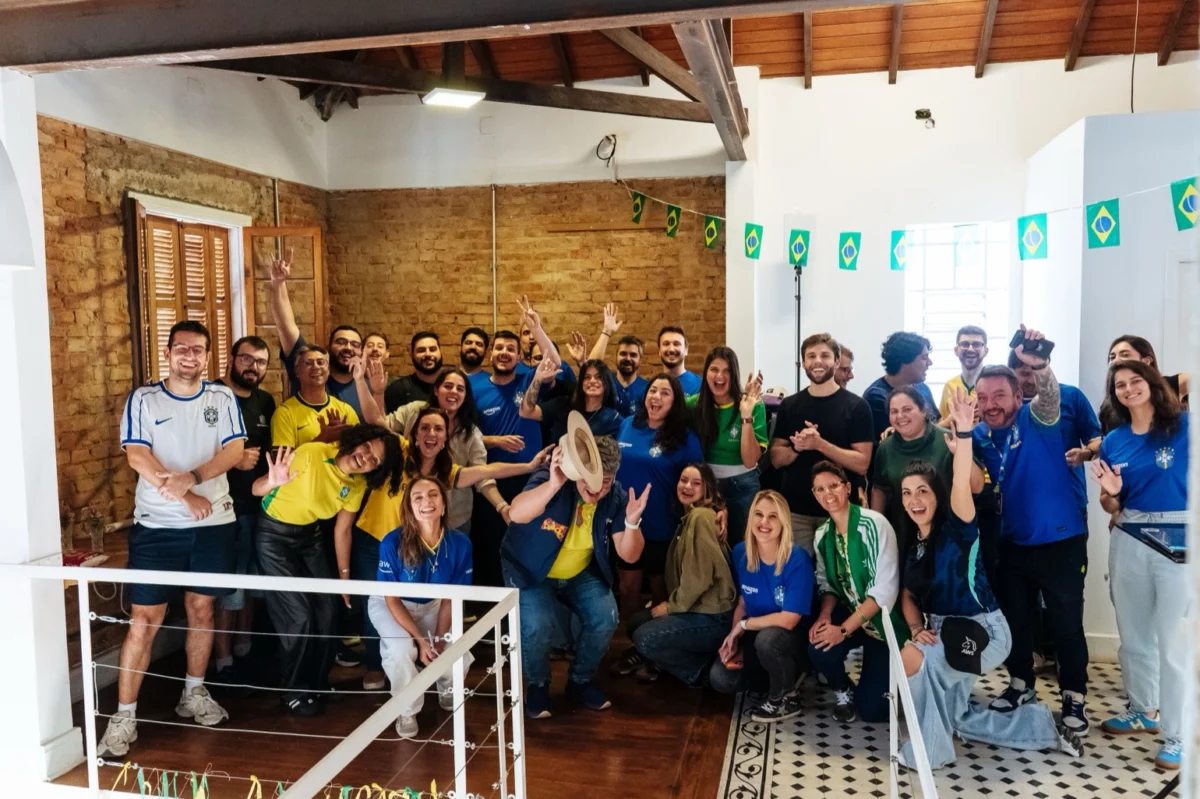
Introduction: The Pulse of Innovation
In the rapidly evolving landscape of global technology, the intersection of cloud infrastructure and social impact has never been more pronounced. Recently, the AWS ecosystem highlighted a profound example of this convergence through the work of Brazilian healthtech startup EyeCare Health. As the digital transformation of essential services accelerates, the role of scalable, accessible cloud solutions becomes not merely a business advantage, but a humanitarian necessity. This report explores the latest developments within the AWS ecosystem, the critical shift in service availability, and the broader implications for developers and enterprises navigating these changes.
The EyeCare Health Paradigm: Solving Real-World Problems
The true measure of a technology ecosystem is found in its ability to empower founders to solve "impossible" problems. During a recent collaborative session between the AWS Startups team and emerging founders, the story of Marco Negreiros, founder of EyeCare Health, stood out as a beacon of modern innovation.
The Problem: A Geographic Healthcare Desert
Negreiros presented a startling statistic: more than 70% of municipalities in Brazil lack a single resident ophthalmologist. This creates a systemic barrier to basic eye care, disproportionately affecting rural and underserved populations. The traditional model—requiring patients to travel long distances to urban clinics—is often logistically and financially unfeasible.
The Solution: Smartphone-First Diagnostics
EyeCare Health’s approach is defined by its simplicity and ubiquity. By engineering vision-screening tools capable of running on the smartphones already carried by the vast majority of the population, the company has effectively decentralized eye care. This shift from clinic-centric to patient-centric screening is a prime example of "frugal innovation"—achieving high-impact outcomes through low-barrier technology. For AWS, supporting startups like EyeCare Health is not just about providing server capacity; it is about providing the foundational building blocks that enable global accessibility.
Chronology of AWS Service Lifecycle Updates
As technology matures, the lifecycle of cloud services must necessarily evolve. AWS maintains a rigorous framework for product lifecycle management, ensuring that users have ample time to transition from legacy services to more modern, performant alternatives.
The June 2026 Strategic Realignment
On June 30, 2026, AWS issued a comprehensive set of updates regarding service availability. These updates are a critical component of maintaining a secure and efficient cloud environment.
- Maintenance Phase (Effective July 30, 2026): Services entering the maintenance phase will no longer be accessible to new customers. Existing users are encouraged to begin migration planning immediately.
- Sunset Phase: Services reaching the "Sunset" stage are approaching total retirement. During this window, support is focused on ensuring data integrity and facilitating the migration of workloads to current-generation services.
- End of Support: Services reaching this milestone have officially been retired. AWS no longer provides security patches, technical support, or performance updates for these specific legacy features.
Managing the Transition
AWS emphasizes that these changes are driven by the need to optimize infrastructure. As cloud-native technologies like serverless computing, advanced machine learning integration, and edge networking become standard, older, less efficient services are phased out to make room for innovation. Customers are urged to consult the AWS Product Lifecycle Changes documentation, which provides granular guidance on recommended migration paths.
Supporting Data: The Impact of Cloud-Native Development
The shift in AWS services is not arbitrary; it is a response to the shifting demands of the modern developer. Data from the 2026 Q2 cycle suggests that developers are increasingly prioritizing:
- Observability: The ability to monitor distributed systems in real-time.
- Security-as-Code: Automating security protocols within CI/CD pipelines.
- Cost-Optimization: Utilizing auto-scaling and managed services to reduce idle overhead.
When AWS sunsets a service, it is typically because a more advanced, cost-effective, or secure version has become the industry standard. For example, the move toward specialized instance types (such as those powered by AWS Graviton processors) often renders older, general-purpose instances obsolete, not just in terms of availability, but in terms of performance-per-watt and overall ROI.
Official Responses and Strategic Vision
AWS leadership, including figures such as Daniel Abib, consistently stress that the "Weekly Roundup" of news and updates is intended to keep the builder community synchronized with the pace of innovation.
Why Service Lifecycles Matter
From an official standpoint, the lifecycle management process is a transparency initiative. By providing a clear, defined timeline for service deprecation, AWS aims to:
- Minimize Operational Disruption: By offering 30-to-90-day warning periods, AWS provides enough lead time for DevOps teams to refactor code or migrate databases without downtime.
- Encourage Architectural Modernization: Many legacy services lack support for modern encryption standards or multi-region high availability. Retiring them forces a necessary security upgrade across the customer base.
- Consolidate Technical Debt: For the platform itself, managing fewer legacy services allows AWS engineers to focus on scaling and innovating within the core services that drive the most value.
Implications for Developers and Enterprises
The recent news cycle signals a period of "pruning" within the cloud landscape. For enterprises, this requires a robust strategy for technical debt management.
The Builder Center as a Resource
For developers feeling the pressure of these changes, the AWS Builder Center has become an essential hub. It serves as a repository for:
- Migration Guides: Step-by-step documentation for moving from deprecated APIs to modern counterparts.
- Community Forums: Peer-to-peer support for troubleshooting unique architectural challenges.
- Upcoming Events: Opportunities to interact directly with AWS engineers during in-person and virtual summits.
The Shift Toward Managed Services
The overarching trend is a move away from "managing" infrastructure toward "consuming" services. Whether it is an ophthalmology app like EyeCare Health or a high-frequency financial platform, the reliance on managed databases, serverless functions, and AI-augmented analytics is increasing. Developers who embrace these managed services are better positioned to weather the periodic retirement of individual features, as the platform itself handles the heavy lifting of backend upgrades.

Future Outlook: The Next Quarter
As we look toward the remainder of 2026, the focus for AWS will remain on AI-integration, sustainability, and global reach. The story of EyeCare Health serves as a reminder that the most significant technological breakthroughs are often those that bring essential services to the most neglected corners of the world.
As service availability continues to shift, builders must stay proactive. The "Weekly Roundup" is not just a digest of technical updates; it is a roadmap for the future of enterprise and startup development. By keeping a close watch on the What’s New with AWS page, organizations can ensure they are not only keeping pace with the technology but also leveraging it to create meaningful, lasting change in their respective industries.
Final Thoughts
Innovation is a marathon, not a sprint. The cycle of launching new features while sunsetting legacy ones is the heartbeat of a healthy, growing platform. As developers and business leaders, the goal is to view these lifecycle updates not as a burden, but as a gateway to more performant, secure, and sustainable ways of building the future.
Whether you are building a healthtech application in Brazil or a global enterprise solution, the cloud remains the ultimate equalizer. Stay curious, keep building, and watch for next week’s updates as the landscape continues to evolve.
Report prepared by the AWS News Blog analysis team.
Stay tuned for further updates on infrastructure changes and community events.
 Neng Nana
  Suro Senen
  Lina Hope