
 By Lina Irawan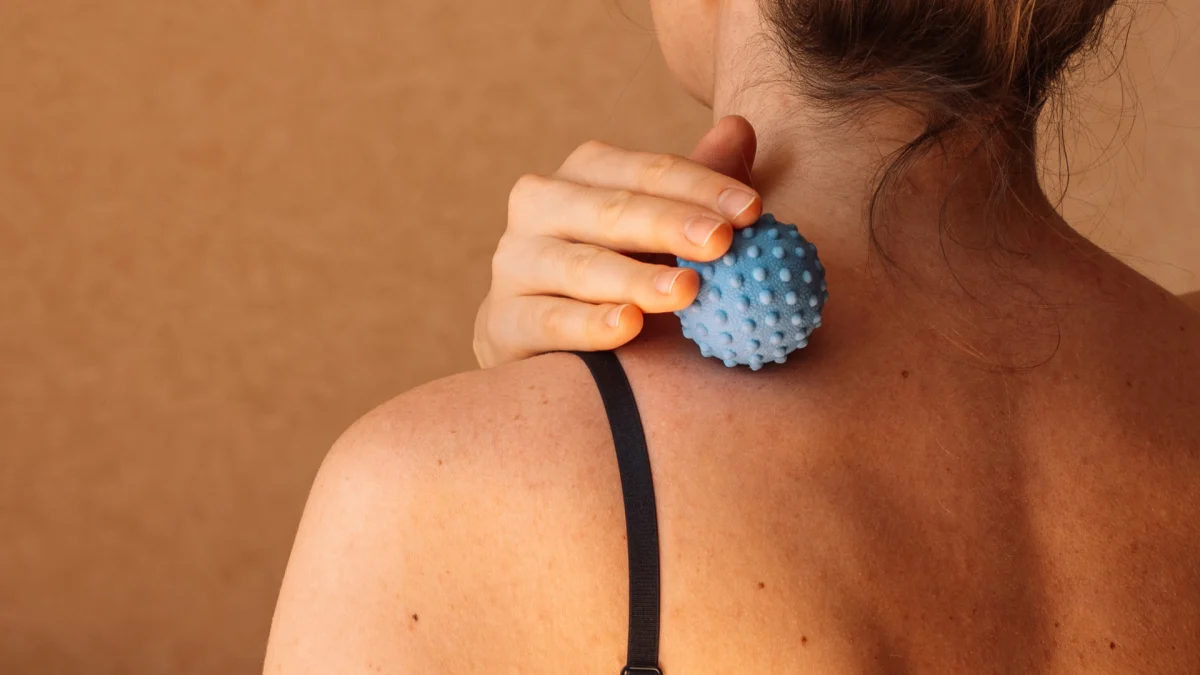
The journey toward physical fitness is rarely a linear path of progress; it is often punctuated by periods of significant physical discomfort. For many, the hardest hurdle in establishing a consistent exercise routine is the initial hurdle of beginning. However, the second-hardest hurdle—and the one that most frequently causes newcomers to abandon their goals—is figuring out how to navigate the inevitable soreness that follows a strenuous workout.
Delayed Onset Muscle Soreness (DOMS) is the body’s natural response to novel physical stress. While it can be debilitating in the immediate aftermath of a new regimen, understanding the physiological mechanisms behind it is the key to longevity in fitness. By learning how to distinguish between healthy adaptation and dangerous injury, and by implementing evidence-based recovery strategies, you can transition from a state of frustration to one of consistent improvement.
Understanding the Physiology of DOMS
Contrary to a persistent fitness myth, muscle soreness is not caused by a buildup of lactic acid. Lactic acid is a byproduct of anaerobic metabolism that is typically flushed from the bloodstream within an hour after exercise.
The soreness you feel 24 to 48 hours after a workout is actually Delayed Onset Muscle Soreness (DOMS). This phenomenon occurs when you subject your muscles to unaccustomed loads or movements, causing microscopic tears in the muscle fibers and connective tissues. This is not a sign of failure; rather, it is the fundamental process by which muscles repair themselves to become stronger, more resilient, and better adapted to future stress.
The "Repeated Bout Effect"
The body is highly adaptive. Exercise scientists refer to this as the "repeated bout effect." When you perform a specific exercise for the first time, your muscles are unprepared for the micro-trauma, leading to significant inflammation and pain. By repeating the stimulus, the body recruits more motor units and strengthens the connective tissue, significantly reducing the intensity of soreness in subsequent sessions. This is why consistency is not just a motivational goal—it is a physiological necessity for long-term comfort.
The Critical Distinction: Normal Soreness vs. Medical Emergency
While DOMS is a standard byproduct of physical exertion, it is vital to recognize when muscle pain crosses the threshold into pathology. If your soreness is accompanied by swelling, inability to move a limb, or localized pain that does not subside after several days, it is time to consult a medical professional.
The most dangerous condition to be aware of is rhabdomyolysis. This occurs when damaged muscle tissue breaks down so rapidly that it releases intracellular proteins, specifically myoglobin, into the bloodstream. This can overwhelm the kidneys and lead to acute renal failure.
- The Red Flag: If you observe urine that is dark-colored—often described as "tea-colored" or "cola-colored"—this is a medical emergency. Seek immediate care at an emergency department.
Chronology of Recovery: A Strategic Approach
Recovery should not be viewed as a passive state of doing nothing; it is an active phase of the training cycle.
Phase 1: Immediate Post-Workout (0–6 Hours)
The immediate aftermath of a workout is critical for hydration and nutrient replenishment. While there is no "magic window" that mandates immediate protein intake, providing your body with the building blocks of protein (amino acids) and complex carbohydrates ensures that the repair process has the fuel it requires.
Phase 2: The Next Day (12–24 Hours)
This is when the "stiffness" usually peaks. The temptation to remain sedentary is strong, but it is often counterproductive. "Active rest" is the most effective remedy. Gentle movement, such as walking, light swimming, or low-intensity cycling, increases blood flow to the affected areas, delivering oxygen and nutrients while aiding in the removal of metabolic waste.
Phase 3: Long-Term Adaptation (48+ Hours)
As the soreness begins to wane, the focus should shift to mobility and structural support. This is the time to re-introduce the exercise that caused the soreness. By gradually increasing intensity, you solidify the adaptations initiated during the previous bout.
Evidence-Based Recovery Modalities
While the fitness industry is saturated with recovery gadgets, the most effective methods are often the most accessible.
Thermal Therapy
Heat is a vasodilator; it increases blood flow to the skin and underlying muscle tissues, which can help soothe the perception of pain.
- Saunas: Regular sauna use has been associated with improved recovery and cardiovascular health.
- Heating Pads: An electric heating pad provides targeted relief for specific muscle groups.
- Epsom Salt Baths: While the magnesium in Epsom salts is not absorbed through the skin in significant enough quantities to affect muscle physiology, the warmth of the bath and the ritualistic aspect of self-care can provide significant psychological relief.
Mechanical Recovery: Massage and Myofascial Release
The application of pressure—whether through a professional massage, a foam roller, or a massage gun—can help down-regulate the nervous system and reduce the perception of muscle tightness. Foam rolling, or "self-myofascial release," serves as a tool to manually manipulate the fascia and muscle tissue, which may temporarily alleviate tension.
The Role of Lifestyle: Nutrition and Sleep
Your recovery is only as good as your lifestyle habits. Sleep is arguably the most potent recovery tool available. During deep sleep, the body releases growth hormone, which is essential for repairing the microscopic damage caused by exercise. A lack of sleep will almost certainly exacerbate the perception of soreness.
Regarding nutrition, prioritize a balanced intake of protein and carbohydrates. Protein provides the amino acids necessary for muscle protein synthesis, while carbohydrates replenish glycogen stores, which are depleted during intense exercise. Skipping meals while attempting to recover is a recipe for prolonged soreness and potential injury.
Implications: Why You Should Not Skip the Next Workout
The most counterintuitive but crucial advice for managing DOMS is to avoid skipping your next scheduled workout. When you stay home in an attempt to "let the soreness heal," you are inadvertently resetting your body’s adaptation clock.
Instead of cancelling your workout, modify it. If you are scheduled for a heavy lifting day, reduce the volume and the load. If you are scheduled for a run, replace it with a brisk walk or an easy jog. The goal is to keep the nervous system engaged and the blood flowing.
Implementation Strategy for the Sore Athlete
- Assess: Is the pain standard DOMS or sharp, localized, or abnormal?
- Move: Engage in 15–20 minutes of low-intensity movement to warm the tissues.
- Adjust: Reduce your planned intensity by 30–50%. Focus on form rather than output.
- Recover: Prioritize sleep and hydration for the following 24 hours.
Conclusion: The Long-Term Perspective
The experience of soreness is a testament to the fact that you have pushed your body beyond its current capacity. By viewing this discomfort not as a deterrent, but as a necessary phase of physical growth, you can maintain your consistency. The "repeated bout effect" is your greatest ally; with every session, you are building a more capable version of yourself.
Remember that fitness is a marathon, not a sprint. The discomfort you feel today is merely the byproduct of your body’s effort to build a stronger foundation for tomorrow. Stay the course, move with intention, and trust the process of adaptation. By integrating these strategies—active movement, proper nutrition, adequate sleep, and a commitment to consistency—you can navigate the highs and lows of training with confidence and resilience.
 Layla Zulfa
  Asro
Asro  Reynand Wu