
 By Nila Kartika Wati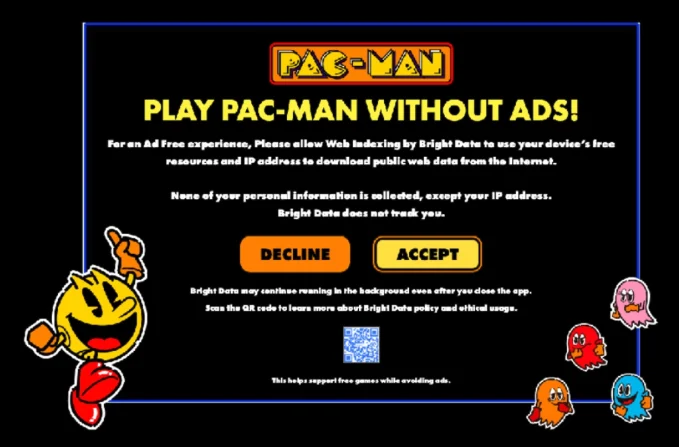
In a significant move toward tightening platform security, LG Electronics USA has announced a sweeping crackdown on smart TV applications that transform household televisions into silent residential proxy nodes. This policy shift follows a damning report by security researchers that exposed how millions of devices have been quietly co-opted to route third-party internet traffic, often without the user’s full awareness or understanding of the security risks involved.
The Discovery: Your Living Room as a Data Highway
The revelation, first brought to light by the security firm Spur, sent shockwaves through the consumer electronics industry earlier this July. Researchers analyzed the ecosystem of "webOS"—the operating system powering LG smart TVs—and found that more than 42 percent of available applications contained residential proxy software development kits (SDKs).
These SDKs essentially "rent out" the television’s internet connection to third-party services. While the user might be watching a streaming service or playing a casual game, their TV is simultaneously functioning as a gateway for unknown entities to mask their digital footprints, bypass geolocation restrictions, or perform large-scale web scraping.
The scope of the issue is not limited to one manufacturer. Spur’s analysis revealed that Samsung’s Tizen operating system also suffers from similar vulnerabilities, with approximately 25 percent of its app library harboring comparable proxy components. These apps range from seemingly innocuous utilities, such as file managers and screensavers, to popular casual games like Pac-Man, which utilize these SDKs as a "monetization" strategy.
Chronology of the Crisis
The timeline of this controversy reflects a growing tension between the drive for app monetization and the fundamental security of the Internet of Things (IoT).
- Early July 2026: Security firm Spur releases a comprehensive report detailing the prevalence of proxy SDKs in consumer smart TVs. The report highlights the lack of transparency regarding how these SDKs function and the potential risks they pose to home network integrity.
- Early July 2026: Independent research coincides with the FBI’s seizure of the NetNut proxy platform and the dismantling of the Popa botnet, bringing the issue of residential proxy abuse into the national security spotlight.
- Mid-July 2026: LG Electronics faces mounting public pressure as tech analysts and security experts call for immediate action.
- Late July 2026: LG Senior Vice President John Taylor issues a formal statement confirming that the company is actively reviewing its app store and mandating the removal of proxy SDKs, with the threat of app suspension for non-compliant developers.
- Concurrent Developments: While LG addresses the proxy issue, the company simultaneously faces scrutiny from the hardware enthusiast community, specifically regarding the unsolicited installation of McAfee antivirus software via Windows Update on its high-end monitors.
The Economics of Proxy Monetization
To understand why developers are embedding these kits, one must look at the business model of modern app stores. Many developers struggle to monetize free-to-play games or utility apps through traditional advertising. Proxy providers offer an alternative: they pay developers a fee to bundle their SDKs into the app.
In one notable example cited by Spur, a Pac-Man app offered users a "choice": watch advertisements to play the game or agree to allow their TV to serve as a residential proxy node. While this may seem like a transparent transaction, security experts argue that the average consumer—often a minor or a non-technical family member—does not possess the expertise to evaluate the long-term consequences of that choice.
"A one-time consent prompt buried in a TV app is not a substitute for meaningful transparency, ongoing control, and platform oversight," wrote Trevor Sutter of Spur. The inherent danger lies in the device’s "always-on" nature. Because smart TVs are rarely powered down completely and remain connected to local area networks (LANs), they provide an ideal, persistent infrastructure for residential proxy networks to operate indefinitely.
Official Responses and Corporate Responsibility
LG’s response has been swift, if not entirely proactive. John Taylor, representing LG Electronics, clarified the company’s stance: "A residential proxy network is not an intended use for LG smart TVs."
Taylor further emphasized that LG is in the midst of a rigorous review process. "As part of our ongoing efforts to enhance platform quality and the user experience, LG will continue to strengthen our evaluation process for developer-submitted apps, including those that incorporate residential proxy SDKs," he noted in an emailed statement. Developers who refuse to excise these components face total suspension from the webOS platform.
Conversely, the companies providing the proxy technology—most notably Bright Data, which Spur identified as the provider behind a majority of the observed SDKs—have largely remained silent or maintained a defensive posture. In past communications, such firms have asserted that they employ "rigorous know-your-customer" (KYC) processes to prevent abuse. They claim that their networks are used primarily for legitimate business purposes, such as competitive intelligence and web scraping, and that they implement technical safeguards to prevent proxy users from accessing the host’s local network.

However, researchers remain skeptical. The barrier between "legitimate" web scraping and malicious botnet activity is porous. By providing the infrastructure for such traffic, these proxy companies create a massive, decentralized attack surface that is nearly impossible for the average household to audit or secure.
Implications: The Fragile Security of IoT
The broader implication of this incident is a crisis of trust in the "Smart Home" ecosystem. Devices that were once "dumb"—relying on simple hardware logic—are now sophisticated computers, yet they lack the security oversight, patching frequency, and transparency of desktop or mobile operating systems.
1. Privacy and Data Exposure
When a TV acts as a proxy, the owner’s IP address becomes linked to the activities of unknown third parties. If a proxy user performs illegal activities or accesses illicit content through that node, the initial "log" of that traffic points directly to the household’s IP address. This exposes users to potential legal scrutiny and ISP warnings.
2. Network Integrity
While proxy providers claim to isolate the TV from the local network, the risk of "side-channel" attacks or unauthorized discovery of other devices on the same Wi-Fi network is significant. A compromised TV can act as a bridge, allowing an attacker to probe other devices—such as smart thermostats, home security cameras, or personal computers—that the owner assumed were protected by their router’s firewall.
3. The Need for Platform Governance
The situation highlights the need for stricter app store curation. For too long, manufacturers have focused on quantity, encouraging developers to flood platforms with content without adequate oversight of the underlying code. LG’s decision to cull these apps is a positive step, but it raises the question: Why were these SDKs permitted in the first place?
A Pattern of Questionable Software Practices
LG’s commitment to security is being tested on multiple fronts. The controversy surrounding residential proxies follows closely on the heels of another major PR misstep involving the company’s hardware division.
Just this week, the influential YouTube tech channel Gamers Nexus exposed that certain LG LCD monitors were automatically installing software designed to promote paid McAfee antivirus subscriptions. The installation was occurring via Windows Update without an explicit prompt, utilizing driver updates to inject promotional bloatware onto user machines.
This dual-front issue—proxy SDKs in smart TVs and unwanted software in monitors—paints a concerning picture of how LG prioritizes corporate partnerships and monetization at the expense of user privacy and system integrity. As consumers become more savvy, the demand for "clean" technology—devoid of hidden monetization schemes and unsolicited software—will likely grow.
Conclusion: What Consumers Should Do
While LG works to purge these apps from their store, users are encouraged to take proactive measures.
- Audit your Apps: Review the applications installed on your smart TV. If you do not recognize an app, or if it is a utility app that shouldn’t require internet access to function, uninstall it.
- Network Monitoring: For those with advanced networking knowledge, monitor outbound traffic from your TV via your router or a firewall. Unexpected, sustained traffic to unknown foreign IP addresses is a red flag.
- Segment your Network: If possible, place IoT devices, including smart TVs, on a separate "Guest" Wi-Fi network. This limits the ability of a compromised device to communicate with your primary computers and sensitive data stores.
As the industry moves forward, the pressure on manufacturers to act as "gatekeepers" will only increase. LG’s commitment to remove these proxy SDKs is a necessary start, but for the millions of users whose TVs have already been compromised, the damage to privacy has already been done. The future of the smart home depends on transparency, and the days of treating consumer devices as silent, monetizable assets must come to an end.
 Sagoh
Sagoh  Evan Lee Salim
  Ammar Sabilarrohman