
 By Evan Lee Salim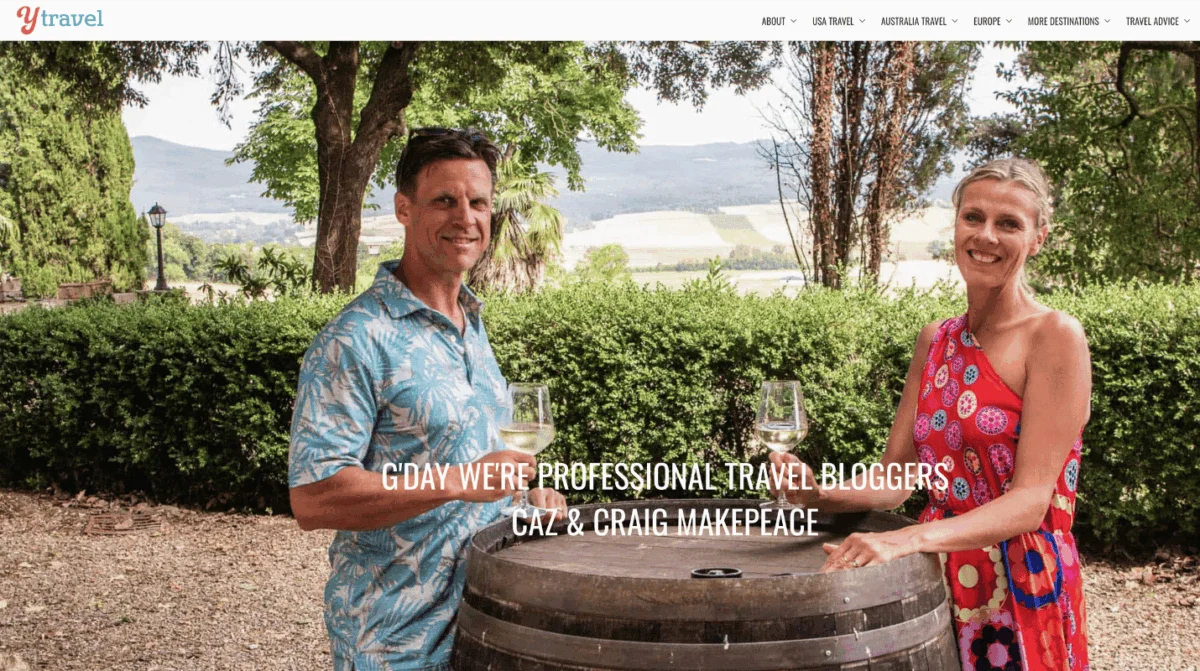
In the crowded digital landscape, thousands of bloggers execute the technical aspects of their craft with surgical precision. They craft perfectly structured posts, optimize every headline for search engines, and master the intricate mechanics of WordPress or Squarespace. Yet, despite these efforts, many find themselves shouting into a void, unable to cultivate a loyal, recurring audience.
The missing variable is rarely a lack of skill or a failure of marketing; it is a lack of personality. In an era where AI-generated content is becoming ubiquitous, the human element—the "something" that makes a blog feel like a conversation rather than a manual—is no longer a luxury. It is the primary differentiator between a site that is visited once and forgotten, and a platform that builds a community, earns trust, and creates lasting impact.
This analysis examines how ten top-tier bloggers have successfully infused their platforms with unique personality, exploring the strategies you can implement to ensure your blog resonates in a competitive market.
1. The Power of Visual Identity: YTravel
For many niches, such as travel, food, and fashion, visual storytelling is the foundation of engagement. Caz and Craig of YTravel understand that their audience isn’t just looking for itinerary advice; they are looking for a lifestyle they can aspire to.
By featuring authentic, high-quality photography—ranging from candid family snapshots during travel mishaps to polished, aspirational lifestyle shots—they bridge the gap between "information" and "inspiration."
The Lesson: If your niche is visual, your photography is your personality. Avoid generic stock photos. Use your imagery to document the "behind-the-scenes" reality of your journey, which builds an emotional bridge with your reader.

2. Unapologetic Authenticity: The Pat Flynn Approach
Pat Flynn’s Smart Passive Income is a masterclass in transparency. His branding doesn’t just list professional accolades; it highlights the human behind the business. By labeling himself as a "father, husband, and serial entrepreneur," and adding quirks like "protector of baby yoda," Flynn invites his audience into his life.
This approach serves a vital psychological purpose: it makes him relatable. When a reader feels they know the person behind the business, their trust in that person’s advice grows exponentially.
3. The Polarization Strategy: Embracing a Unique Tone
Not every blog needs to appeal to everyone. Shannon Kelly White’s platform demonstrates the power of a distinct, even polarizing, tone. By utilizing "salty" language and an unfiltered writing style, she creates a strong "in-group" feeling.

While this style will inevitably alienate some readers, it fosters deep, passionate loyalty among those who resonate with her voice. In a world of sanitized, corporate-sounding content, an authentic voice—no matter how bold—cuts through the noise.
4. Building an Icon: The Blog Tyrant’s Illustration Strategy
Ramsey at Blog Tyrant uses custom illustrations to anchor his brand. The "red-shirted blogging super-hero" avatar serves as a visual shorthand for his expertise.
When a brand uses a consistent character or illustration style, it creates a psychological anchor. Readers begin to associate that specific visual with the tone and quality of the content. This is particularly effective for personal brands that want to maintain a sense of mystery or "heroism" while keeping the focus on the content.

5. The "About" Page as a Conversion Engine
For many, the "About" page is an afterthought. However, for A Beautiful Mess, it is a cornerstone of their digital identity. Elsie and Emma treat their About page as a mission statement.
New readers who enjoy a single post almost always navigate to the About page to see who wrote it. If that page is a sterile biography, the connection is lost. If it is a bold, personality-driven introduction, the visitor is converted into a follower. Your About page should answer one question: Why should I trust this person to guide me?
6. Omni-Channel Consistency: The Chris Ducker Model
Consistency is the bedrock of authority. Chris Ducker maintains a unified visual brand across his blog, Twitter, Facebook, and LinkedIn. By using the same professional yet approachable headshots, he ensures that the "brand" is recognizable regardless of where the reader interacts with him.

This consistency creates a sense of stability and professional reliability. When a reader jumps from your blog to your social media, the transition should be seamless, reinforcing the brand identity at every touchpoint.
7. The Psychology of Color: Branding with Jadah Sellner
Jadah Sellner’s platform is an excellent example of how aesthetic cohesion contributes to personality. Her site uses a warm, earthy color palette that mirrors the tone of her writing and the style of her photography.
Color is not merely decorative; it is a psychological signal. A consistent color palette helps the reader "feel" the brand before they even read a word. When your visual identity matches your content’s emotional intent, you create a holistic user experience that feels professional and intentional.

8. Clarifying the Value Proposition: The SuperFastBusiness Model
James Schramko’s SuperFastBusiness succeeds by being ruthlessly clear. The first thing a visitor sees is a concise brand statement that defines exactly who he serves and what he provides.
In a world where attention spans are measured in seconds, clarity is a form of personality. It shows that you respect your reader’s time and know exactly what you bring to the table. A strong, clear brand statement acts as a filter, attracting your ideal client while clearly signaling to others that they are in the right place.
9. The Direct Call to Action (CTA)
Kelly Exeter demonstrates that personality is also about confidence. Her site uses direct, jargon-free calls to action. Instead of burying her offerings in complex funnels, she tells the reader exactly what to do next.

This directness conveys a sense of purpose. When you are clear about your goals and the value you provide, you empower the reader to take the next step. A personality-driven blog is one that leads the reader rather than waiting for them to guess the next move.
10. Defining the Reader: The "Puttylike" Strategy
Perhaps the most sophisticated way to infuse personality into a blog is to define the reader yourself. Emily at Puttylike popularized the term "Multipotentialite," giving her audience a word to describe themselves.
By creating a sense of identity for her community, she moved beyond being just a blogger—she became the leader of a movement. Using tools like quizzes to help readers identify their own traits is a brilliant way to turn a passive visitor into an active participant.

Implications and Future Trends
As we look toward the future of content creation, the trend is clear: Humanity is the new premium.
With the rise of AI, the technical barriers to entry have fallen. Anyone can produce a well-structured, SEO-optimized post. However, AI cannot replicate the lived experience, the unique scars, the specific sense of humor, or the authentic perspective of a human being.
Why Personality Matters Now More Than Ever:
- Trust-Based Marketing: Readers buy from people they feel connected to. Personality is the fastest way to build that connection.
- Community Resilience: A blog built on personality is harder to replicate than one built solely on SEO tactics.
- Engagement Metrics: High-personality content keeps readers on the page longer, lowers bounce rates, and increases the likelihood of social sharing.
The Path Forward
To personalize your blog, you must move away from the "generic expert" persona. Start by auditing your own site:

- Visuals: Do your images reflect you, or are they just generic stock fillers?
- Voice: Are you writing like a textbook, or like a person talking to a friend?
- Clarity: Does a new visitor know exactly who you are and why they should care within five seconds of landing on your page?
The most successful bloggers of the last decade have all reached the same conclusion: your blog is an extension of yourself. When you embrace your quirks, your specific photographic style, your unique tone, and your clear mission, you don’t just build a blog—you build a legacy.
In the end, people don’t follow blogs; they follow people. The more of yourself you are willing to bring to the screen, the more impact you will have on the world. What will you change on your site today to ensure your personality is front and center?
 Asep Darmawan
  Siti Muinah
  Azzam Bilal Chamdy