
 By Muslim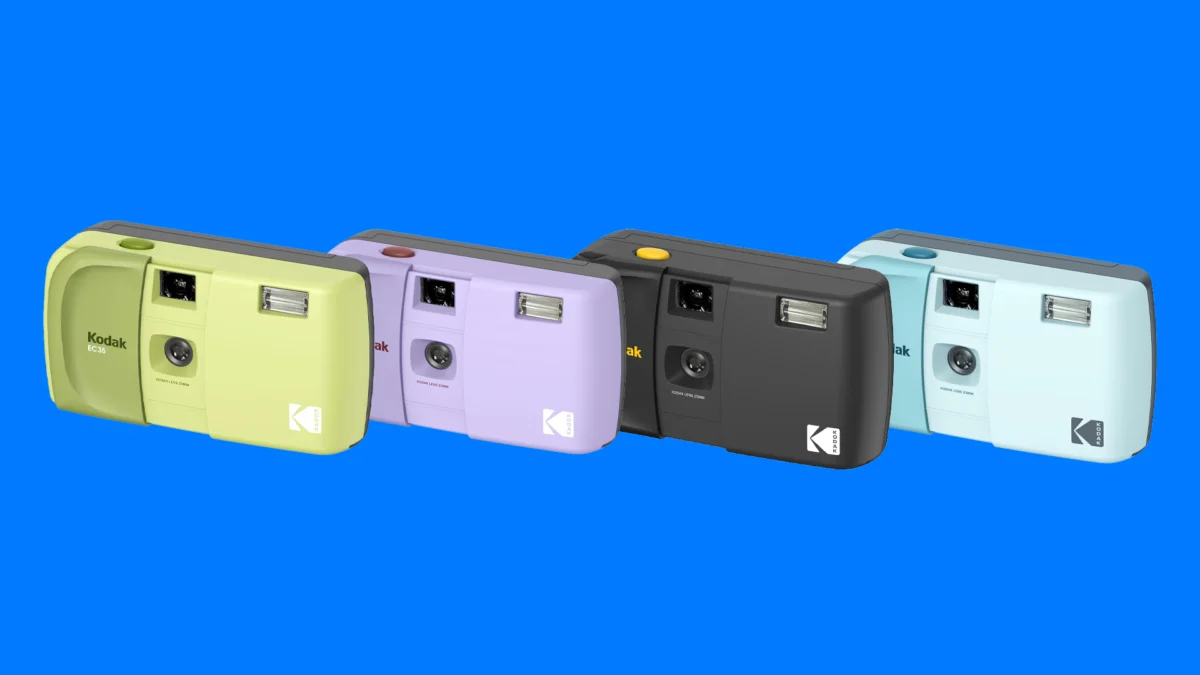
MAIN FACTS
In an era dominated by instantaneous digital capture and algorithmic perfection, the humble film camera has staged an improbable resurgence. This nostalgic wave, characterized by a yearning for the tactile and the unpredictable, finds a compelling new ambassador in the Kodak EC35. Breaking through the often-prohibitive cost of entry into analogue photography, the EC35 emerges as a refreshingly simple, reusable 35mm film camera, priced at an accessible $35 / £35. This strategic move by Kodak, a name synonymous with photographic history, aims to democratize the film experience, inviting a new generation to discover the distinct charm and deliberate pace of analogue imaging.
For decades, the prevailing narrative dictated that digital was the unequivocal future of photography. Its virtues — speed, sharpness, boundless storage, and instant gratification — were undeniable, seemingly rendering film obsolete. Yet, a counter-current has gathered strength, propelled by a desire for authenticity, a unique aesthetic, and a deliberate detachment from the constant demands of digital screens. The Kodak EC35 taps directly into this sentiment, offering a tangible antidote to the endless, often overwhelming, stream of digital images.
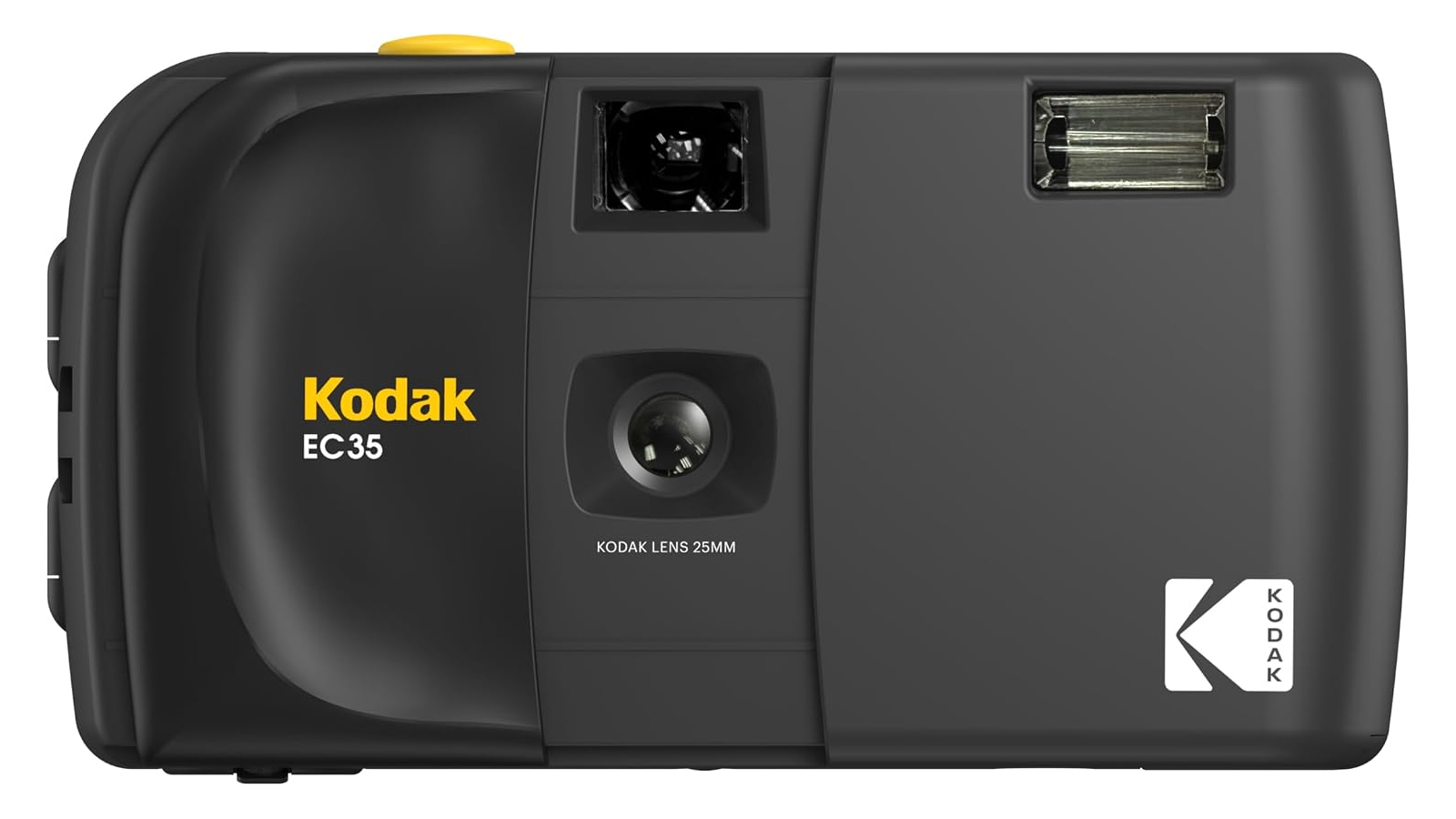
At its core, the EC35 embodies simplicity. Stripped of complex menus, myriad settings, and the need for post-processing RAW files, it harks back to a time when photography was a more intuitive, less analytical pursuit. Its specifications reflect this philosophy: a fixed 25mm f/10 lens ensures a wide, forgiving perspective; a fixed shutter speed simplifies exposure decisions; and a built-in flash, powered by a single AA battery, provides essential illumination in low-light conditions. This minimalist design removes the technical barriers that often intimidate beginners, allowing users to focus purely on composition and the moment.
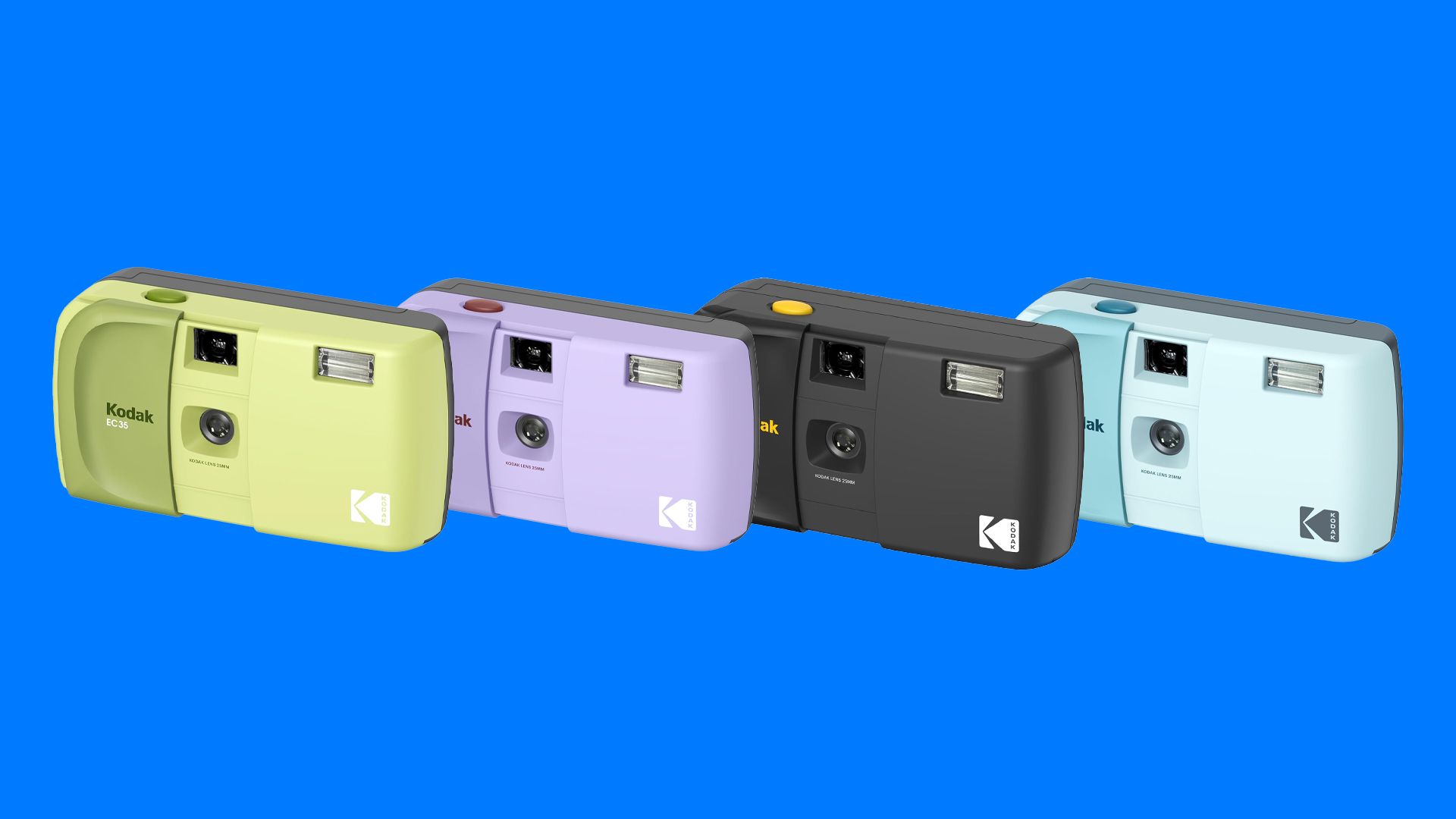
The camera’s aesthetic also plays a crucial role in its appeal. Available in a vibrant palette of colours including Butter Yellow, Lavender, Powder Blue, Blush Pink, Avocado Green, Vanilla White, and Midnight Black, the EC35 exudes a playful, retro charm. Its design evokes the compact cameras of the late 1990s, a period when point-and-shoot models were ubiquitous before the advent of smartphone cameras. This blend of nostalgic design and contemporary colour choices makes the EC35 not just a photographic tool, but a fashionable accessory, appealing to a demographic that values both vintage aesthetics and modern convenience.
Crucially, the Kodak EC35 distinguishes itself from the increasingly popular disposable cameras that have seen a recent trend at parties and weddings. Unlike its single-use counterparts, the EC35 is fully reusable. Once a roll of 35mm film is expended, it can be rewound, sent for development, and a fresh roll loaded, mirroring the photographic process of yesteryear. This reusability not only makes the EC35 a more environmentally conscious choice but also a significantly more economical one in the long run for anyone serious about exploring film photography beyond a fleeting novelty. It positions the EC35 as a genuine entry-level camera rather than a mere novelty item, bridging the gap between fleeting trends and a more sustained engagement with analogue art. By offering such an accessible and sustainable option, Kodak is not just selling a camera; it is selling an invitation to a different kind of photographic journey, one rooted in patience, anticipation, and the unique, warm character of film.
CHRONOLOGY
The narrative of film photography’s decline and subsequent resurgence is a compelling testament to both technological evolution and enduring human preferences. For much of the 20th century, Kodak stood as a titan in the photography world, its yellow and red logo synonymous with capturing life’s moments. From its groundbreaking Brownie camera that democratized photography in the early 1900s to its vast array of films and professional equipment, Kodak was at the forefront of innovation and market dominance. The very phrase "Kodak moment" entered the cultural lexicon, signifying a perfect, memorable instant worthy of being preserved on film.
However, the late 20th century brought a seismic shift with the advent of digital technology. The convenience of instant review, the elimination of development costs, and the ability to store thousands of images on a single memory card quickly overshadowed the traditional film process. Major camera manufacturers pivoted, investing heavily in digital SLR and compact camera development. Consumers, eager for the latest innovations, followed suit. Film sales plummeted, darkrooms closed, and even giants like Kodak, despite having invented the first digital camera in 1975, struggled to adapt their vast analogue infrastructure to the new digital paradigm. By the early 2010s, film photography was widely considered a niche pursuit, relegated to art photographers, purists, and those working in specific professional fields. Kodak itself filed for bankruptcy protection in 2012, a stark symbol of the digital revolution’s impact on legacy industries.
Yet, the story didn’t end there. By the mid-2010s, a subtle but significant shift began to occur. A new generation, raised entirely in the digital age, started to discover the allure of analogue. This initial resurgence was often driven by aesthetic trends, with the "lo-fi" look of disposable cameras gaining traction at social events and festivals. Brands like Lomography, which had preserved a cult following for experimental film cameras, also saw renewed interest. Young artists and influencers, seeking to differentiate their visual content from the ubiquitous, often sterile, perfection of smartphone cameras, gravitated towards the unique grain, colour rendition, and unpredictable outcomes of film. The tactile experience of loading film, winding the spool, and the delayed gratification of waiting for developed prints became a welcome counterpoint to the instant, often disposable, nature of digital images.
Against this backdrop, legacy brands like Kodak began to cautiously re-engage with their analogue heritage. Having emerged from bankruptcy with a more focused strategy, Kodak recognized the burgeoning interest in film. They continued to produce popular film stocks like Portra and Ektachrome, catering to a growing market of enthusiasts and professionals. The launch of the Kodak EC35 is a pivotal moment in this ongoing revival. It represents a deliberate effort to make film photography accessible to a broader audience, specifically those who might be curious but deterred by the cost and complexity of acquiring and maintaining vintage film equipment.
Unlike the initial wave of disposable camera trends, the EC35 signifies a commitment to reusable analogue photography at an entry-level price point. This distinction is crucial, as it elevates the experience from a one-off novelty to a sustainable hobby. By offering a new, readily available camera that is simple to operate and affordable, Kodak is actively nurturing the growth of the film photography community. It acknowledges that while digital offers unparalleled convenience, there is an enduring value in the slower, more deliberate, and ultimately more rewarding process of capturing images on film. The EC35, therefore, is not just a product; it is a statement about the enduring relevance and cultural appeal of analogue photography in the 21st century.
SUPPORTING DATA
The revival of film photography is more than just anecdotal; it is increasingly supported by market trends, demographic shifts, and a profound cultural re-evaluation of how we interact with images. While precise, publicly available sales figures for film cameras and stock can be elusive, several indicators point to a robust and growing market. Industry reports and market analyses have consistently noted an uptick in film sales, particularly 35mm film, over the past five to seven years. Major film manufacturers, including Kodak, Fuji, and Ilford, have reported increased demand, leading to occasional stock shortages and even the reintroduction of previously discontinued film types. This renewed demand extends beyond film itself to developing services, with independent photo labs experiencing a significant surge in business, often citing a younger clientele.
Demographically, the resurgence is particularly pronounced among younger generations – Gen Z and younger millennials – who paradoxously have never known a world without digital cameras or smartphones. For them, film photography is not a return to the past, but an entirely new discovery. They are drawn to its unique aesthetic, often described as "warm," "cinematic," or "gritty," which contrasts sharply with the often-clinical sharpness of digital images. The physical nature of film and prints also holds significant appeal in an increasingly digital world. The act of holding a developed photograph, rather than simply swiping through a screen, provides a tangible connection to the captured moment.
The "why" behind this trend is multi-faceted. One significant factor is nostalgia, even for those who didn’t experience film photography firsthand. The retro aesthetic, popularized across social media platforms, fuels a desire for authenticity and a curated, less "perfect" look. This ties into the concept of "slow photography" – a deliberate approach that values the process over instant gratification. In an age of endless selfies and constant digital archiving, the limited number of shots on a roll of film (typically 24 or 36 exposures) imposes a discipline that encourages more thoughtful composition and selection. This "built-in editor" forces photographers to be more intentional, fostering a deeper connection with each shot. The anticipation of waiting days, or even weeks, for developed prints, rather than instant review, transforms photography into an event, a delightful surprise.
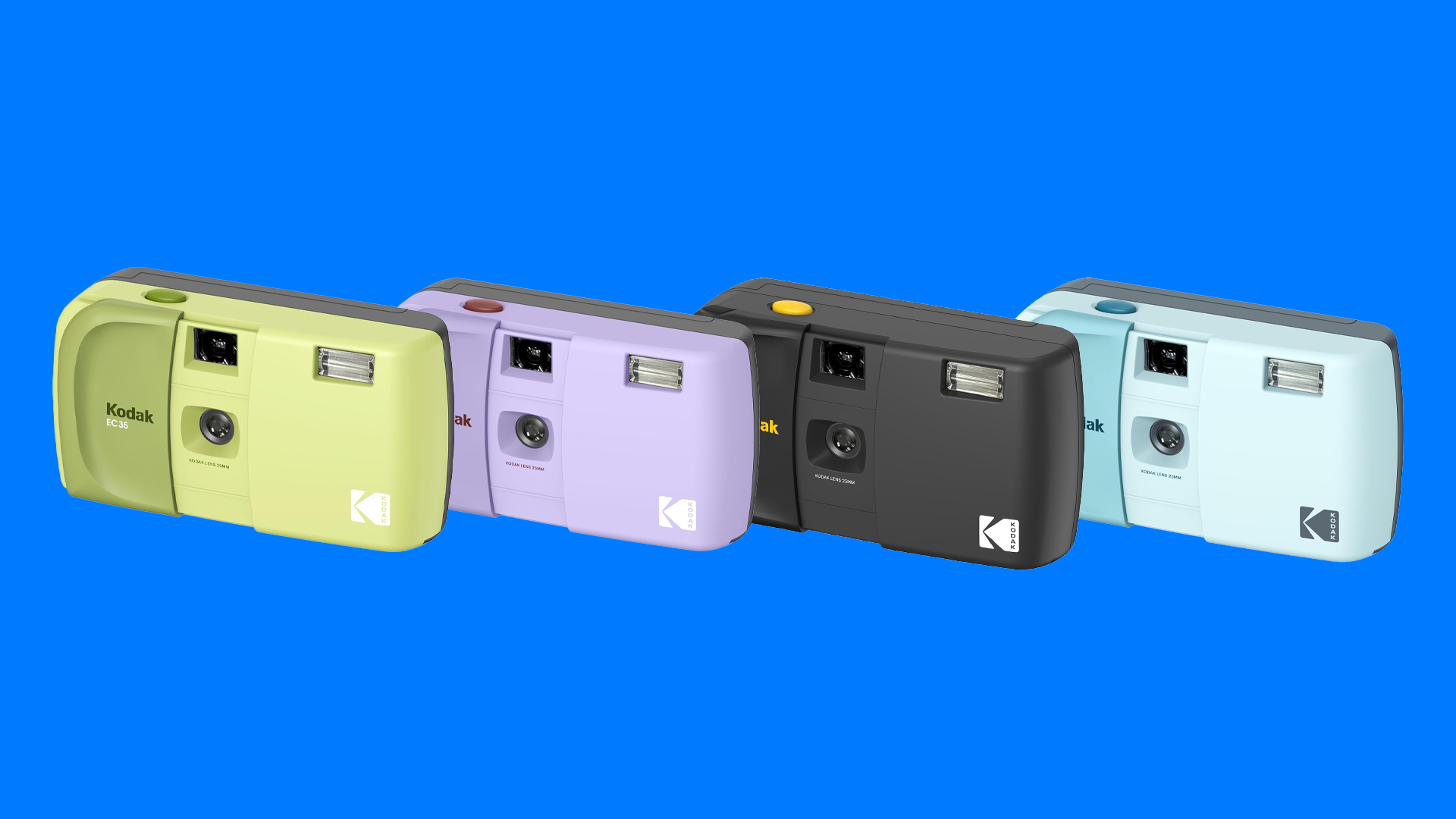
Financially, the Kodak EC35 significantly lowers the initial barrier to entry for film photography. While vintage film cameras can be found cheaply on platforms like eBay, their condition, reliability, and specific features can be a gamble for beginners. Higher-end vintage compacts or SLR systems, while offering superior image quality and manual controls, can command prices well into the hundreds, if not thousands, of dollars/pounds. The EC35’s price point of $35 / £35 makes it comparable to, or even cheaper than, a pack of disposable cameras. However, it’s crucial to understand the ongoing costs of film photography: each roll of 35mm film can cost anywhere from $10-20, and development services add another $10-20 per roll. Thus, while the camera itself is affordable, the overall cost of shooting film is higher than digital, requiring a commitment to the process. The EC35 makes this commitment more palatable by eliminating the initial hurdle of expensive equipment, allowing new enthusiasts to experiment without a significant upfront investment.
Compared to disposable cameras, the EC35’s reusability is a major selling point, aligning with growing environmental consciousness. Disposable cameras contribute to waste, whereas the EC35 offers a sustainable alternative for repeated use. While it may not offer the razor-sharp images or advanced manual controls of a professional film camera, its fixed focus and basic lens are precisely what make it approachable. It’s a tool designed for the experience of film photography, rather than the pursuit of technical perfection, making it a "step above" mere throwaway cameras and a legitimate gateway to the analogue world. This accessibility, combined with the broader cultural embrace of analogue aesthetics and mindful creation, firmly establishes the Kodak EC35 within a compelling market niche.
OFFICIAL RESPONSES
While specific, verbatim press statements from Kodak regarding the EC35’s philosophical underpinnings are not widely publicized, the product itself, along with Kodak’s broader market strategy, speaks volumes. The launch of the EC35 can be interpreted as a clear signal from Kodak that they are not only acknowledging the film photography revival but actively seeking to nurture and expand it. Their response to the market trend is one of strategic accessibility and brand reinforcement.
Kodak’s implicit message with the EC35 is one of democratizing film photography. By pricing the camera at an entry-level point and emphasizing its ease of use and reusability, they are positioning themselves as the welcoming gateway for newcomers. This aligns with their historical legacy of making photography accessible to the masses, a tradition that dates back to George Eastman’s vision for the original Kodak camera. In essence, Kodak is saying: "Film photography is alive, it’s fun, and it’s for everyone – not just seasoned enthusiasts or those with deep pockets." This move helps reaffirm Kodak’s enduring relevance in the photographic landscape, demonstrating their ability to innovate and adapt to changing consumer preferences, even within their legacy analogue business.
Industry reception to products like the EC35 has generally been positive, particularly from photography publications and online communities dedicated to film. Experts often praise such initiatives for making film more approachable and sustainable. There’s a consensus that for the film community to continue thriving, new users must be brought into the fold, and affordable, easy-to-use cameras are essential for this. The EC35 is seen as a crucial tool for converting curiosity into sustained interest, potentially leading users to explore more advanced film cameras and a wider variety of film stocks in the future. It generates buzz and keeps the conversation around analogue photography vibrant.
Anticipated consumer feedback for the EC35 largely revolves around its core value propositions: affordability and simplicity. Beginners are likely to appreciate the low financial risk involved in trying film photography. The straightforward point-and-shoot mechanism eliminates the intimidation factor associated with manual controls and complex settings, allowing for immediate enjoyment. The diverse range of vibrant colours also resonates with a younger, style-conscious demographic, making the camera an attractive lifestyle accessory. Many will likely laud the EC35 as a perfect "fun camera" for casual outings, travel, or simply experimenting with a different medium.
However, it is also important to acknowledge potential criticisms. Experienced film photographers or those accustomed to more advanced digital cameras might find the EC35’s fixed lens, fixed shutter speed, and lack of manual controls limiting. The image quality, while possessing the characteristic "film look," will not rival that of higher-end compacts or SLRs, and sharpness may be a trade-off for simplicity. These limitations are inherent to its design and price point, and Kodak is likely aware that the EC35 is not intended to replace professional-grade equipment. Instead, it serves a distinct purpose as an accessible entry point. The key for Kodak is managing expectations, clearly communicating that the EC35 is about the experience and the process of film photography, rather than absolute technical perfection. Its role is to spark interest and provide a low-stakes platform for creative exploration, and in that regard, both industry and consumers are likely to view it as a welcome addition to the market.
IMPLICATIONS
The introduction of the Kodak EC35 carries significant implications for the burgeoning film photography market, the future trajectory of analogue imaging, and Kodak’s own enduring legacy. Its most immediate impact is on market accessibility. By offering a reusable 35mm camera at such a competitive price, the EC35 effectively lowers the financial barrier that often deters curious individuals. Previously, aspiring film photographers faced a choice: invest in a potentially unreliable vintage camera, or opt for expensive new models or a string of disposable ones. The EC35 carves out a vital middle ground, making the leap from digital curiosity to analogue practice far less daunting. This could lead to a significant expansion of the film photography community, drawing in new demographics who might not otherwise have considered it.
For the film photography market, the EC35 acts as a powerful catalyst. An influx of new users will inevitably drive demand for 35mm film stock and development services, further bolstering an industry that has seen remarkable resilience. This increased demand could encourage other manufacturers to introduce similar entry-level reusable cameras, fostering innovation and competition within the analogue space. It also legitimizes the trend, signaling to retailers and service providers that film photography is a viable and growing segment, worthy of investment and support. The EC35 reinforces the notion that film is not just a niche for purists but a mainstream-accessible creative medium.
Looking to the future of analogue photography, the EC35 suggests a sustained revival rather than a fleeting fad. Products like this help embed film photography into contemporary culture, making it a viable and attractive alternative to digital. It contributes to the broader "slow movement" — an antidote to the fast-paced, instant-gratification culture prevalent today. In photography, this translates to a greater appreciation for the deliberate process: choosing your shots carefully, waiting for the film to be developed, and savouring the surprise of the final prints. This mindful approach to image-making offers a refreshing contrast to the endless scrolling and immediate deletion that often characterize digital photography. The EC35, with its inherent limitations and emphasis on process, perfectly embodies this philosophy.
Beyond the immediate market, the EC35 holds broader cultural implications. It champions a return to a more tangible, less ephemeral form of memory-making. In an age where digital photos can be lost in cloud storage or on defunct devices, physical prints from film offer a lasting artifact. It encourages storytelling through a curated selection of images rather than an overwhelming volume, fostering a deeper connection to personal narratives. The EC35, therefore, is not just a camera; it’s an invitation to engage with photography in a more reflective and enduring way.
For Kodak, the EC35 represents a strategic reaffirmation of their heritage and a smart diversification of their product line. By offering both high-end professional films and accessible entry-level cameras, Kodak positions itself as a comprehensive provider for the entire spectrum of film photographers. This move helps them reconnect with a younger generation, ensuring that the Kodak brand remains relevant and vibrant in a constantly evolving technological landscape. It capitalizes on the goodwill associated with their iconic name while simultaneously innovating to meet contemporary consumer desires. The EC35 is a powerful statement that Kodak is not just a historical relic, but an active participant in shaping the future of photography.
In conclusion, the Kodak EC35 is more than just an affordable camera; it is a pivotal product in the ongoing resurgence of analogue photography. By combining nostalgic charm with modern accessibility and reusability, it serves as an ideal gateway for a new generation to experience the unique warmth, unpredictability, and deliberate joy of film. It underscores the enduring appeal of the tangible, the surprising, and the art of slowing down in an increasingly digital world. The EC35 not only strengthens Kodak’s position in the revitalized analogue market but also plays a crucial role in ensuring that the magic of film continues to captivate and inspire photographers for years to come.
 Evan Lee Salim
  Nana
Nana  Ammar Sabilarrohman