
 By Nana Muazin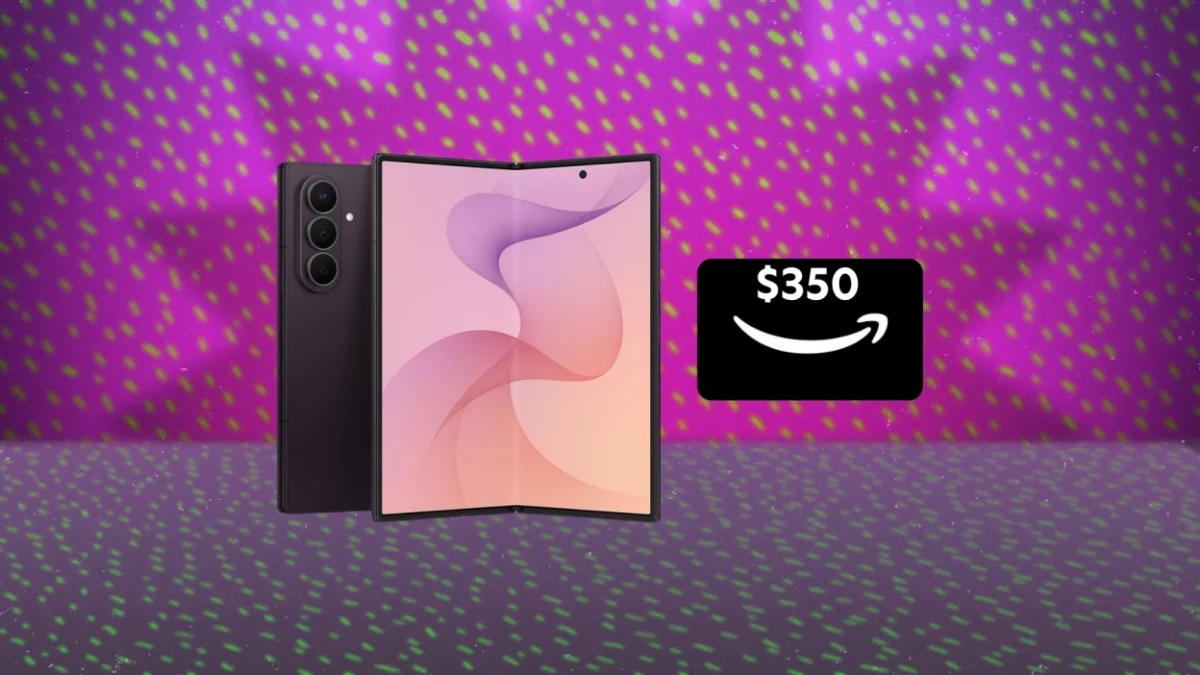
By Daniel Oropeza | Shopping Editor
July 22, 2026
The landscape of mobile technology shifted once again this week as Samsung officially unveiled its latest lineup of foldable hardware during the highly anticipated July 2026 Galaxy Unpacked event. The reveal introduced three distinct devices—the Galaxy Z Fold 8, the Galaxy Z Fold 8 Ultra, and the Galaxy Z Flip 8—each representing a specific pillar of Samsung’s strategy to maintain dominance in the foldable market.
While the hardware specifications have captured the attention of enthusiasts, the immediate conversation among consumers has shifted to the retail landscape. With pre-orders now live, the disparity between official manufacturer incentives and third-party retail offers has created a unique opportunity for savvy shoppers to maximize their value.
The Core Facts: A New Tiered Strategy
Samsung’s 2026 strategy marks a departure from the traditional two-device launch. By introducing an "Ultra" variant for the Fold line, Samsung is clearly signaling a segmentation of its user base.
- Galaxy Z Flip 8: Positioned as the lifestyle-focused foldable, prioritizing portability and established design language.
- Galaxy Z Fold 8: A reimagining of the standard foldable, aimed at users who prioritize a compact footprint for a tablet-like experience.
- Galaxy Z Fold 8 Ultra: The definitive flagship, featuring the most aggressive specifications for power users, including an expansive 8-inch inner display and a massive 200MP camera sensor.
The most critical takeaway for consumers is the shift in pre-order strategy. While Samsung is offering up to $200 in store credit for direct purchases, major retailers—most notably Amazon—have pivoted to offer gift card incentives reaching up to $350. Furthermore, aggressive carrier promotions, particularly those centered on T-Mobile, are allowing users to essentially secure a base-model Z Fold 8 at no additional device cost, provided they meet specific plan requirements.
Chronology: The Road to the Unpacked Reveal
The path to the July 2026 announcement was paved with months of speculation regarding the "Z 8" nomenclature. Throughout early 2026, rumors suggested that Samsung would consolidate its engineering efforts to combat increased competition from domestic Chinese manufacturers and the persistent rumors of foldable interest from Cupertino.
- Q1 2026: Initial reports confirmed that Samsung had finalized the design for the Snapdragon 8 Elite Gen 5 chipset integration across the entire Z-series.
- May 2026: Supply chain leaks confirmed the introduction of a third model, the "Ultra," which was intended to bridge the gap between the Z Fold and the traditional Galaxy S-series Ultra devices.
- July 22, 2026: The formal Galaxy Unpacked event, held via a global livestream, confirmed all major specifications, pricing tiers, and the immediate availability of pre-order windows.
Technical Analysis: Hardware Comparisons
The Galaxy Z Flip 8: Refinement Over Revolution
Critics and early adopters have noted that the Galaxy Z Flip 8 acts as a point of refinement rather than a radical departure from its predecessor. The device retains the beloved 4.1-inch outer cover display and 6.9-inch inner panel. However, the internal hardware tells a story of performance optimization.
The peak brightness has seen a substantial boost, jumping 1,000 nits to reach a total of 2,600 nits, significantly improving outdoor visibility. Under the hood, the transition from the Exynos 2500 to the Snapdragon 8 Elite Gen 5 provides a marked improvement in thermal management and power efficiency. Furthermore, the inclusion of a 2x optical zoom marks a significant leap for the Flip series, which has historically relied on digital cropping.
The Galaxy Z Fold 8: The "Phablet" Redefined
Senior Tech Editor Jake Peterson has characterized the standard Z Fold 8 as a "brand new device" rather than a mere iterative update. By narrowing the footprint of the device, Samsung has targeted the primary complaint of Fold users: pocketability. With a 5.5-inch outer display and a 7.6-inch inner display, the device maintains the core foldable experience while offering improved ergonomics. The camera array—consisting of a 50MP Wide, 50MP Ultra Wide, and 2x Optical Zoom—places it firmly in the premium category, bolstered by the same Snapdragon 8 Elite Gen 5 processor found in the Ultra model.
The Galaxy Z Fold 8 Ultra: The Apex Foldable
For the professional user, the Z Fold 8 Ultra is the clear choice. It is the first time Samsung has applied the "Ultra" branding to a foldable, and it shows. The device boasts the largest screen real estate in the industry, with an 8-inch inner display, and a camera system that rivals professional mirrorless setups. The 200MP Wide lens, coupled with a 50MP Ultra Wide and a 10MP Telephoto lens, makes this the most capable imaging device in the foldable space. To power these internals, Samsung has included a 5,000 mAh battery, a necessary addition to ensure that the device survives a full day of intensive multitasking.

Supporting Data: Economic Implications of the Launch
The pricing strategy for the 2026 lineup reflects the current inflationary environment of consumer electronics. With entry-level prices for the Fold series starting at significant premiums, the role of retail incentives cannot be overstated.
Data indicates that consumers who utilize the Amazon $350 gift card offer are effectively lowering the total cost of ownership by nearly 20% when compared to MSRP. When combined with trade-in values for previous-generation foldables, the "effective price" of the Z Fold 8 drops into a territory that competes with standard flagship slab phones, potentially accelerating mass adoption.
Official Responses and Industry Outlook
Samsung’s official stance on the release, as shared during the Unpacked keynote, emphasizes "contextual AI and hardware synergy." The company has doubled down on the integration of its proprietary AI suite with the Snapdragon 8 Elite Gen 5 chip, claiming that the new Z-series will be the most "proactive" smartphones in the company’s history.
Industry analysts suggest that by segmenting the Fold line, Samsung is attempting to capture two different market segments: the "lifestyle" user who wants the novelty of a foldable (Z Fold 8) and the "power user" who demands workstation-level performance from a mobile device (Z Fold 8 Ultra).
Implications: What This Means for You
The launch of the Z 8 series signifies that the "experimental" phase of foldable technology has officially concluded. We are now in an era of maturation.
For the average consumer, the decision-making process has become more complex. If you currently own a Z Fold 7, the Z Fold 8 might feel like a lateral move in terms of utility; however, the Z Fold 8 Ultra provides a clear upgrade path for those who find their current device lacking in camera fidelity or screen real estate.
Advice for the buyer:
- Don’t ignore carrier deals: If you are comfortable with a service contract, the "Galaxy Z Fold 8 on them" offers (such as the T-Mobile promotion) represent the highest possible return on investment.
- Compare your incentives: While Samsung’s site offers convenience and potential bundle deals (such as discounts on the new Galaxy Watch or Buds), the $350 Amazon gift card provides immediate liquidity for other tech necessities, which may be more valuable to a wider range of shoppers.
- Wait for reviews: While the specs look impressive on paper, real-world battery testing on the 8-inch display of the Ultra model will be the deciding factor for many users.
As we move into the second half of 2026, the success of these devices will likely dictate the pricing trajectory for the 2027 cycle. For now, the hardware is set, the deals are live, and the choice is yours.
Note: Deal pricing and availability are subject to change. As always, ensure you read the fine print on carrier contracts and retail incentive programs before committing to a purchase.
 Layla Zulfa
  Asro
Asro  Reynand Wu