
 By rifanmuazin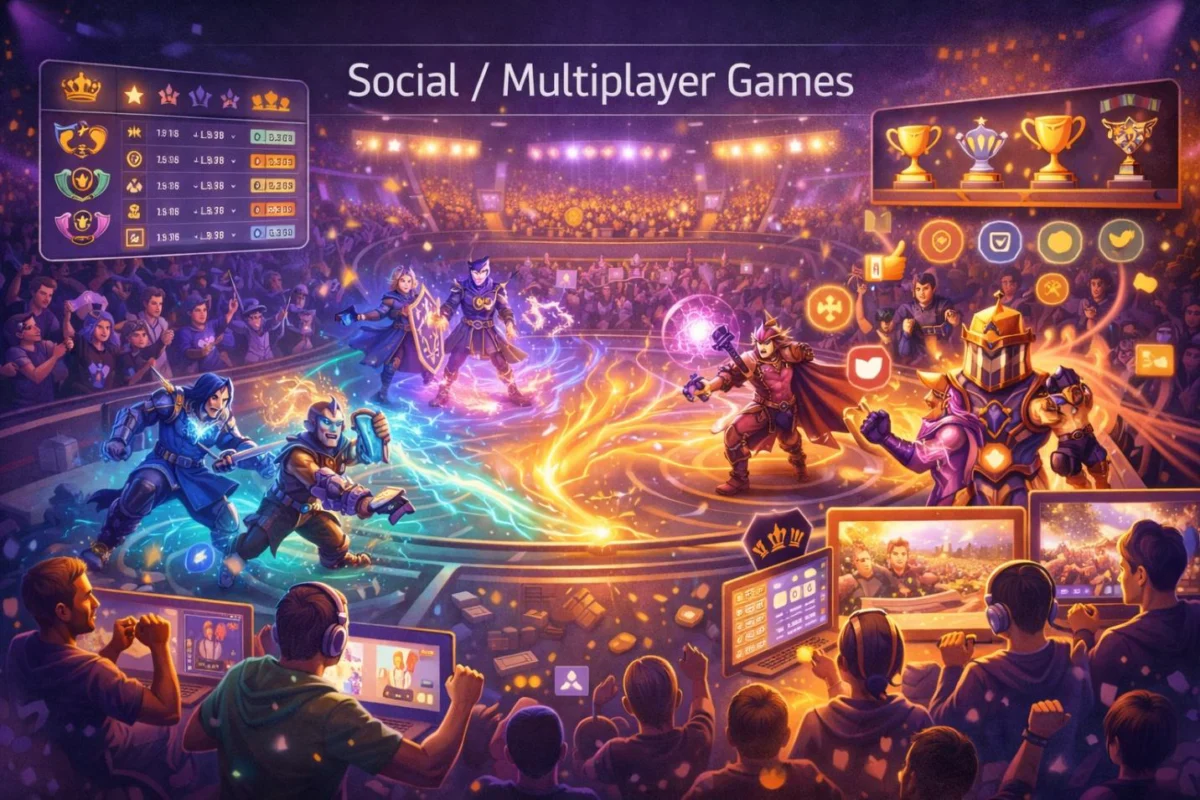
In the modern digital landscape, the term "gamification" has become a boardroom buzzword, often deployed as a panacea for waning user engagement. Product managers frequently mandate the addition of badges, leaderboards, and progress bars, assuming these elements function as a universal elixir for retention. However, this approach suffers from a fundamental misconception: the belief in a monolithic "game psychology."
Just as a music producer would never blindly add "music" to a project without deciding between jazz, heavy metal, or classical, designers must stop treating gamification as a generic overlay. To evolve into "Gamification 2.0," product teams must recognize that specific game genres attract different audiences through distinct psychological hooks.
The Core Problem: The Myth of Universal Engagement
The current industry standard for gamification often resembles a "copy-paste" of basic mechanics, such as streaks or experience points (XP). While these can drive short-term dopamine hits, they fail to cultivate the deep-seated loyalty found in successful interactive entertainment.
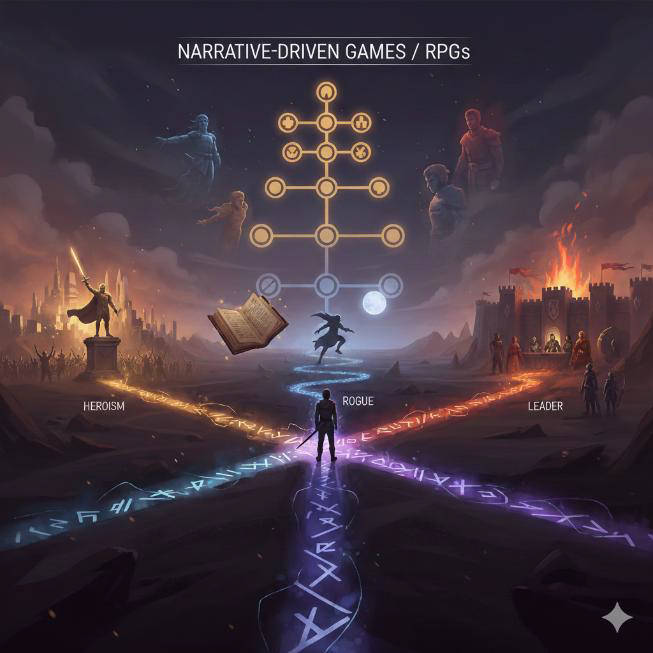
The reality is that an RPG player is motivated by narrative agency, while a strategy gamer thrives on long-term system mastery. Applying a "speed-run" action mechanic to a platform designed for deep analytical reflection creates a cognitive dissonance that drives users away. Gamification 2.0 demands that designers select a genre framework intentionally, aligning the mechanics of the app with the psychological needs of the user base.
A Taxonomy of Digital Engagement
To move beyond superficial design, we must analyze the specific psychological architecture of major gaming genres and how they translate to non-game products.
1. Narrative-Driven/RPG Mechanics: Building Identity
Role-Playing Games (RPGs) excel at creating emotional weight. Players do not just complete tasks; they inhabit a journey.
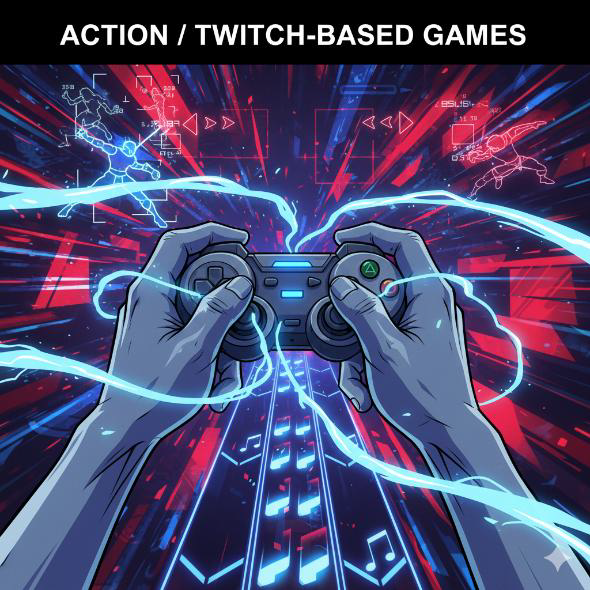
- The Psychological Hook: Identity development and narrative progression.
- Application: Instead of a progress bar in an educational app like Duolingo, designers should frame the user journey as a narrative arc. The user isn’t just "Leveling up"; they are unlocking the capacity to navigate a foreign culture or read classic literature.
- Implication: When users view their progress as the evolution of their own identity—rather than the accumulation of arbitrary data points—they are far more likely to sustain long-term engagement.
2. Action/Twitch-Based Design: Sensory Mastery
Action games focus on motor precision and immediate sensory feedback.
- The Psychological Hook: "Juice" and sensory satisfaction.
- Application: Productivity apps often fail because they treat tasks as chores. Action games teach us that the interaction itself must be inherently satisfying. If logging a workout feels as responsive and visually rewarding as landing a combo in Street Fighter, the task becomes its own reward.
- Implication: Haptic feedback, fluid animations, and immediate audio cues are not "fluff"—they are essential components of a satisfying user loop.
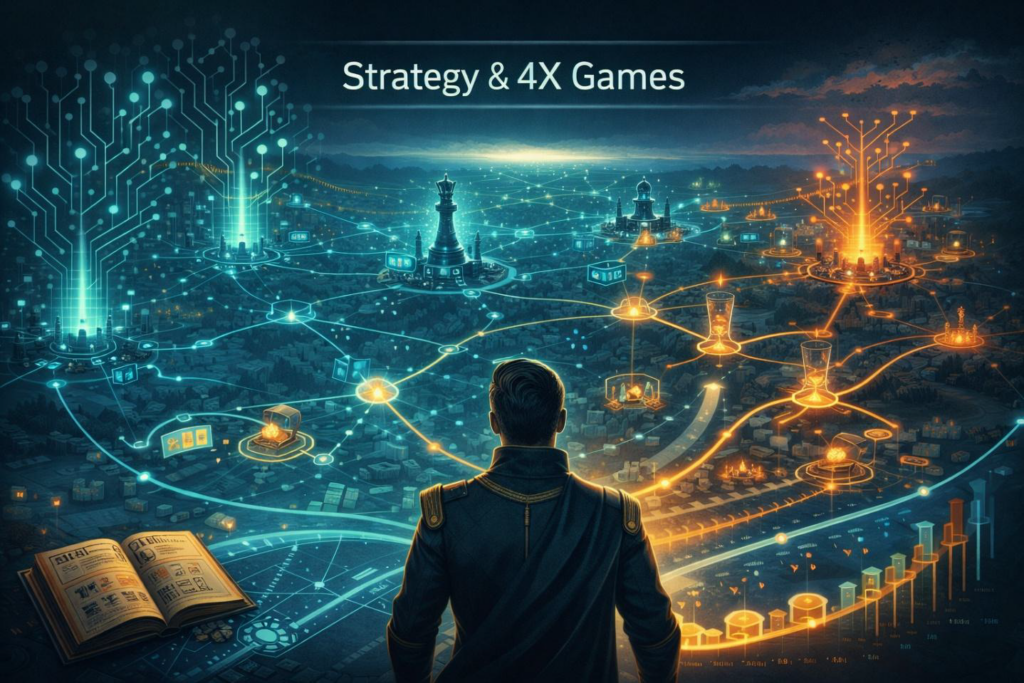
3. Strategy/4X Games: Long-Term Agency
Strategy games like Civilization or Whiteout Survival thrive on complexity, long-term planning, and social interdependency.
- The Psychological Hook: Systemic depth and social responsibility.
- Application: Mobile strategy titles generate billions by allowing players to make choices that take weeks to manifest. Similarly, financial planning apps can adopt the "tech tree" model, showing users how small, present-day decisions compound into diverse future outcomes.
- Implication: By fostering "alliance" structures where users are accountable to a team, designers can leverage social pressure—a far more potent retention tool than a solitary leaderboard.
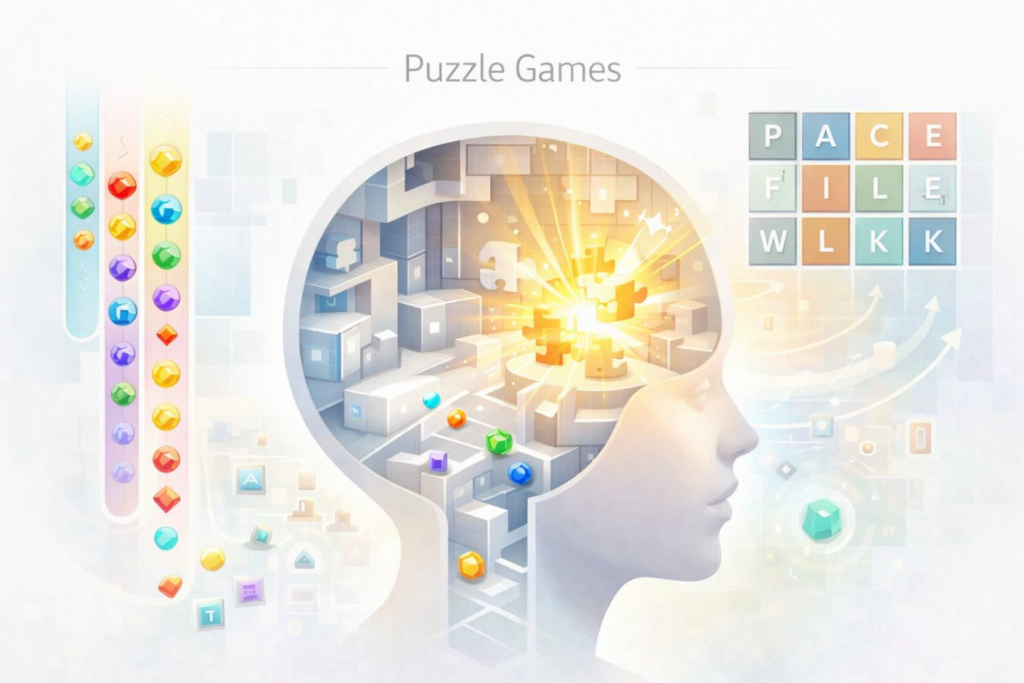
4. Puzzle Games: The "Aha!" Moment
Puzzle games provide discrete, solvable challenges that trigger the brain’s reward center upon discovery.
- The Psychological Hook: Epiphany and elegant problem-solving.
- Application: Onboarding should not be a manual of instructions. It should be a series of tutorial puzzles where the user discovers the mechanics through play.
- Implication: Reducing cognitive load and providing clear, calibrated difficulty curves keeps users in the "flow state," preventing both the boredom of simplicity and the frustration of excessive complexity.
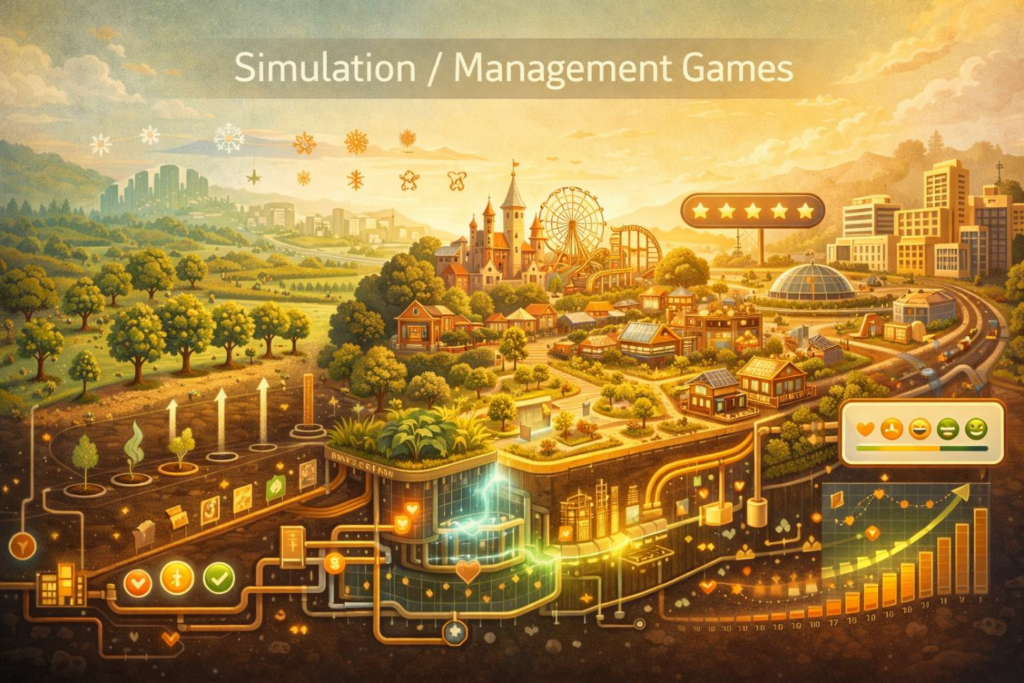
5. Simulation and Management: Constructive Ownership
Simulation games allow users to build and manage systems that reflect their personal choices.
- The Psychological Hook: Autonomy and the growth of a personalized environment.
- Application: CRM or project management tools should act as a sandbox. Instead of enforcing a rigid workflow, designers should provide the "building blocks" (e.g., customizable views or automation nodes) that allow the user to build their own unique management ecosystem.
- Implication: When a user creates their own system, they feel a sense of ownership that makes leaving the platform psychologically difficult.
6. Sandbox/Open-Ended Design: The Power of Agency
Sandbox games like Minecraft prove that agency is the ultimate engagement driver.
- The Psychological Hook: Creative freedom.
- Application: For power users, the most engaging app is one that gets out of the way. By providing tools rather than prescriptive tasks, platforms like Notion have achieved massive adoption because they allow users to define their own success.
- Implication: Stop forcing a "linear journey" on users who value exploration. If the audience is creative, give them a canvas, not a checklist.
7. Social/Multiplayer: The Network Effect
Multiplayer games demonstrate that the game is often the secondary layer; the primary value is the social community.
- The Psychological Hook: Status, belonging, and contribution.
- Application: The most successful gamified apps transform consumers into stakeholders. By allowing users to create content for others—or by building structures that require group cooperation—platforms like Roblox achieve a scale that solo-player apps cannot touch.
- Implication: Real social connection (teamwork, mentorship) outweighs individual competition (leaderboards) every time.
Supporting Data and Financial Realities
The financial disparity between shallow and deep gamification is stark. While "streak-based" apps often see high churn once the novelty wears off, titles that utilize systemic agency (such as Whiteout Survival or Roblox) generate billions in annual revenue. This revenue is not driven by "skipping" content, but by the desire to accelerate meaningful strategic choices and express creativity.
Data indicates that users who view their contributions as "meaningful" (e.g., helping an alliance, building a complex system, completing a narrative chapter) have a 3x higher retention rate than those motivated by badges or points alone.
Official Industry Response: A Shift in Perspective
Product design leads at major tech firms are beginning to mirror this shift. The "Gamification 2.0" movement advocates for moving away from "behaviorist" psychology (rewarding activity) toward "self-determination theory" (fostering autonomy, competence, and relatedness).
Designers are now being encouraged to audit their products:
- If the core interaction feels tedious, badges will not fix it (Study Action/Puzzle genres).
- If the users feel like mere cogs in a machine, they will churn (Study Sandbox/Simulation genres).
- If the users feel disconnected, individual points are irrelevant (Study Social/Strategy genres).
Future Implications
The future of software design lies in the synthesis of utility and play. We are entering an era where the distinction between "work tools" and "leisure games" is blurring. The winning products of the next decade will not be the ones with the most gamified features, but the ones that best understand the psychological archetype of their specific users.
As product teams begin to apply these genre-specific frameworks, we can expect to see a decline in "notification fatigue" and an increase in high-quality, long-term user engagement. The lesson for the industry is clear: stop trying to make your app a game; start making your app an experience that respects the player’s psychological need for agency, growth, and community.
 Ammar Sabilarrohman
  Neng Nana
  Sagoh
Sagoh 