
 By Lina Hope
In the vast, hyper-competitive landscape of the modern internet, content is often described as king. However, even the most profound, meticulously researched, and beautifully written article is destined for obscurity if its gateway—the headline—fails to capture attention. In the digital age, a blog post title is not merely a label; it is a destiny-defining bridge between anonymity and viral success.
For content creators, the title represents the most critical investment of time and creative energy. It is the filter through which potential readers decide whether to engage or scroll past. As seasoned copywriters and digital strategists have long understood, the goal of a title is singular and absolute: to compel the reader to consume the first line of the content.
The Anatomy of Influence: Why Titles Command Attention
The modern web user is besieged by information. From RSS feeds and social media scrolls to the clinical, ranked results of a Google search, the competition for human attention is fierce. In every one of these instances, the title acts as the sole ambassador for your work.
When a reader encounters a link, they perform a split-second evaluation. If the title is vague, overly complex, or uninspired, the perceived value of the content drops to zero. Even if the body of the post contains life-changing information, it remains effectively invisible if the headline cannot facilitate the "click." Mastering the art of the headline is not about trickery or "clickbait" in the pejorative sense; it is about the professional application of psychological triggers that align your content with the needs and curiosities of your audience.
Chronology of a Headline: From Concept to Click
The process of crafting an effective title is a deliberate evolution. It begins long before the first paragraph is drafted.
- The Conceptual Phase: Identify the core problem your post solves.
- The Drafting Phase: Experiment with various angles—is this a listicle, a question, or a bold opinion?
- The Refinement Phase: Apply "power words" and keyword optimization to sharpen the focus.
- The Final Review: Audit the title for length and emotional resonance.
The most common pitfall for bloggers is rushing this process. It is a fundamental error to treat the title as an afterthought. Just as an architect would not design a grand building with a nondescript, inaccessible door, a blogger must ensure the "entryway" to their content is inviting, functional, and compelling.

The Eight Pillars of Title Crafting
To move beyond the mundane, creators must utilize proven techniques. While not every tip is applicable to every post, a strategic rotation of these methods can significantly increase click-through rates.
1. Communicate an Immediate Benefit
The most effective headlines are those that promise a tangible result. When a reader sees "How to Fix Your Wi-Fi Connection" or "10 Ways to Improve Your Photography," they recognize that the post provides a solution to a specific pain point. These titles are not cryptic; they are functional. They scream value to the user, immediately lowering the barrier to entry.
2. Leverage Controversy and Debate
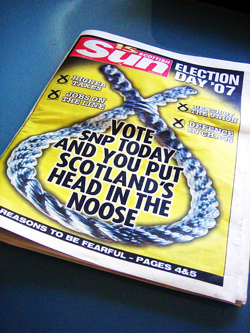
Human nature is inherently drawn to conflict and strong opinions. A headline that challenges a widely held belief or poses a provocative question can generate significant interest. However, this comes with a professional caveat: the content must match the intensity of the title. If you promise a "take-down" of a popular industry trend, your evidence must be ironclad, or you risk alienating your audience.
3. The Power of the Inquiry
Questions are a fundamental human prompt. When a title asks a question, the reader’s brain is naturally wired to seek the answer. By framing a headline as a question, you engage the reader in an internal dialogue, significantly increasing the likelihood that they will click to see if their answer matches yours.
4. Personalization and Direct Address
The most powerful word in the English language, from a marketing perspective, is "you." Personalizing a title—using the second person—creates a direct connection between the writer and the individual reader. It shifts the post from a general broadcast to a targeted consultation.
5. Keyword Optimization for Searchability
While writing for humans is the priority, ignoring search engine optimization (SEO) is a tactical error. Keywords in your title help search engines categorize your content, ensuring that your work surfaces when users search for specific topics. Pro-tip: placing your primary keyword at the very beginning of the headline often yields higher visibility and better SEO performance.

6. The Strategic Use of Power Words
Language carries weight. Certain words—such as "Essential," "Stunning," "Proven," and "Immediate"—trigger psychological responses that encourage action. However, proceed with caution. Overuse of these words can lead to skepticism. If a title is loaded with hyperbole that the content fails to support, the reader will feel cheated, damaging the long-term credibility of the author.
7. Big Claims and Bold Promises
Much like communicating a benefit, making a big claim pushes the reader to satisfy their curiosity. A title like "The Only Guide You Will Ever Need for Financial Independence" creates an aura of authority and completeness. The implication is that the reader will save time and effort by consuming this one definitive resource.
8. The Art of Humor
Humor is a high-risk, high-reward strategy. A witty, clever title can distinguish your brand and build a rapport with your audience. However, humor is subjective; what one reader finds hilarious, another may find confusing or irrelevant. This technique should be used sparingly and only when it aligns with the overall voice of the publication.
Supporting Data and Industry Standards
In the world of professional copywriting, the late David Ogilvy remains the gold standard. His mantra, "The purpose of a title is to get potential readers to read the first line of your content," remains as relevant in the era of Artificial Intelligence and social media as it was in the era of print advertisements.
Data from search engine performance metrics consistently indicates that:
- Optimal Length: Titles between 50 and 60 characters are most likely to display fully in search engine results.
- Structural Impact: Including numbers (e.g., "7 Ways…") tends to organize information in a way that is mentally easier for the user to process, leading to higher engagement.
- Punctuation: Modern digital style guides often suggest avoiding terminal punctuation (periods) in titles. A period signifies an "end," whereas a headline should signify a "beginning" or a transition into the text.
Implications for the Modern Content Creator
The implications of these strategies are clear: content success is not accidental. It is the result of a calculated effort to align human psychology with digital visibility.
When you rush your titles, you are effectively wasting the hours spent researching and writing the post. You are building a beautiful structure but leaving the door locked. By taking the time to pause, evaluate, and refine your headlines using the eight pillars outlined above, you transform your blog from a quiet corner of the web into a destination.
Ultimately, the craft of the headline is an ongoing experiment. The best approach is to treat every title as a data point. Observe which headlines generate traffic, which spark debate, and which disappear into the archives. Your blog is a living entity, and its titles are its voice—make sure they are speaking clearly to the people who need to hear your message the most.
Conclusion: The Commitment to Excellence
Writing for the web requires a unique blend of creativity and analytical rigor. The "8 Secrets" provided here are not exhaustive, but they offer a solid framework for any writer looking to elevate their impact. Whether you are a professional journalist, a corporate blogger, or an independent enthusiast, the discipline of crafting high-impact titles will always yield dividends. Remember: your content is the destination, but the title is the map. Invest in your map, and your readers will follow.
 Asep Darmawan
  Siti Muinah
  Azzam Bilal Chamdy