
 By Layla Zulfa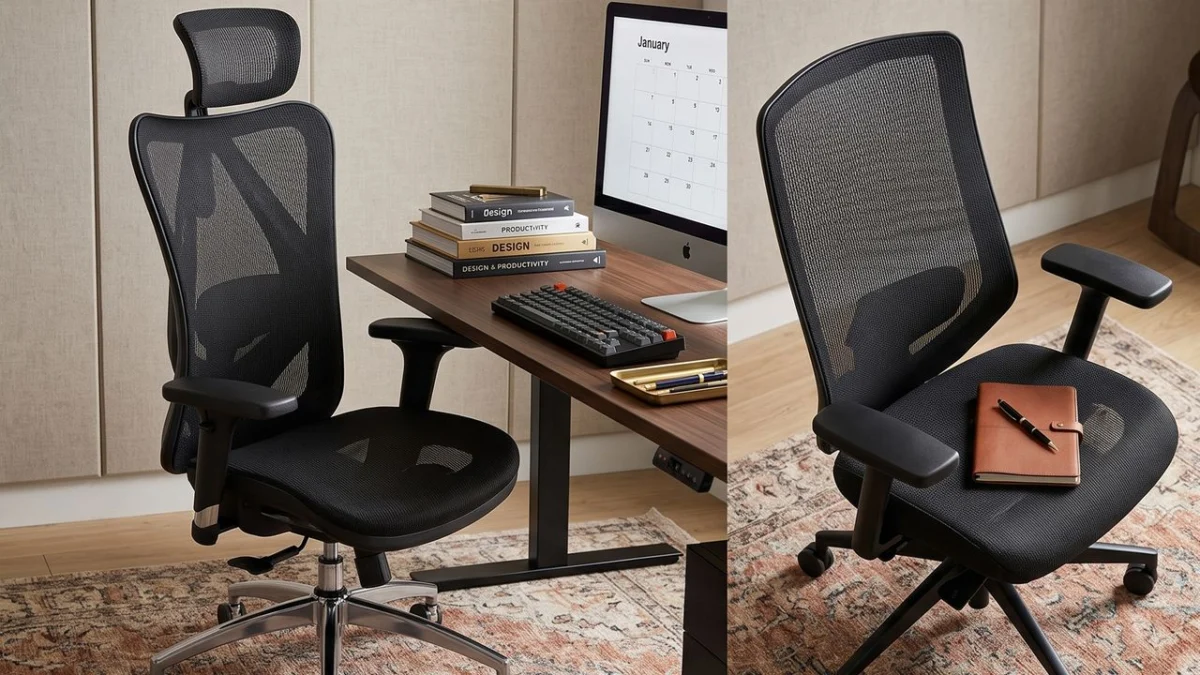
For those of us who spend the vast majority of our waking hours tethered to a desk, the office chair is more than just furniture—it is the primary tool of our trade. Yet, the ergonomics market is often bifurcated into two extremes: the "executive" chairs that cost as much as a used car, and the budget-tier models that often do more harm to our posture than good. After six years of rigorous testing and evaluating dozens of models, we have learned that while price is often an indicator of quality, it isn’t always the definitive measure of spinal health.
As our guide to the best office chairs for back pain demonstrates, high-end engineering is worth the investment for some. However, the pressing question remains: do you really need to spend upwards of $1,000 to avoid chronic discomfort? The answer, increasingly, is a resounding "no."
The Sihoo M18: A Benchmark for Affordable Ergonomics
Currently, the Sihoo M18 is available on Amazon for $147, down from its typical $170 price point. While the discount may seem modest, the value proposition of the M18 is significant. Two years after our initial deep-dive review, the chair remains a standout in our testing lab.
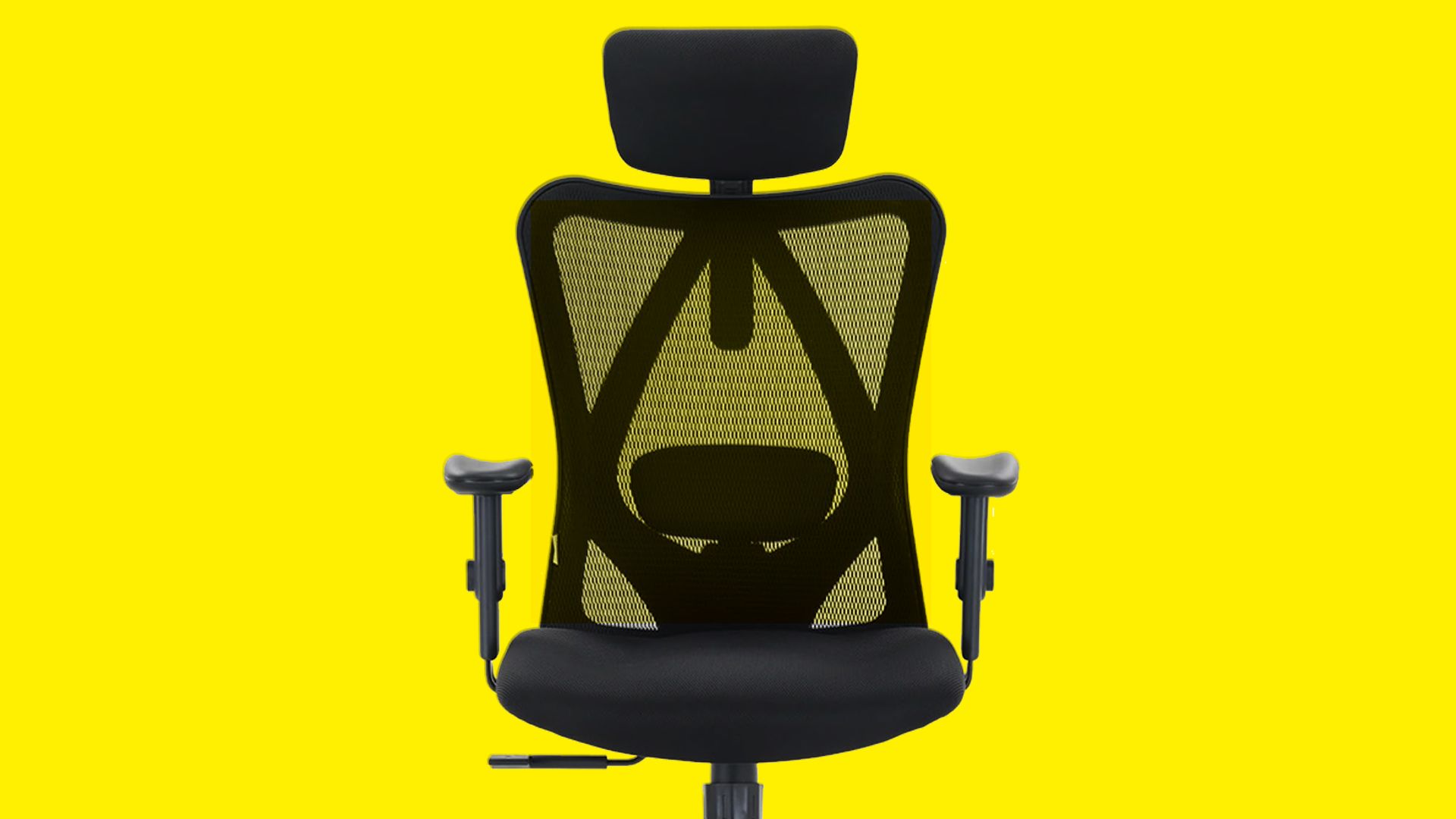
What makes the M18 particularly noteworthy is its refusal to compromise on the fundamental pillars of ergonomic design: adjustable lumbar support, breathable mesh construction, and a multi-tilt mechanism. In an industry where budget chairs are frequently made of cheap, sweat-inducing faux leather and rigid plastic, the M18 provides a level of adjustability—from headrest height to armrest positioning—that is typically reserved for chairs twice its price.
Chronology: The Evolution of the Budget Chair
The trajectory of the office furniture market has shifted dramatically over the last decade. Historically, ergonomic innovation was top-down; companies like Herman Miller and Steelcase would pioneer new suspension materials or tension systems, which would eventually trickle down to the mass market.
- 2015–2017: The "Gaming Chair" boom. The market was flooded with bucket-seat style chairs modeled after racing seats. While aesthetically striking, these were often criticized by orthopedic experts for lacking true lumbar support and encouraging poor posture.
- 2018–2020: The shift toward "Active Sitting." As remote work became more prevalent, consumers began demanding chairs that supported dynamic movement. Manufacturers began incorporating synchro-tilt mechanisms that allowed the backrest and seat to move in harmony.
- 2021–Present: The "Direct-to-Consumer" Revolution. Companies like Sihoo, Branch, and various marketplace brands began utilizing direct-shipping models to bypass traditional furniture retailers, effectively lowering costs while maintaining build quality.
This evolution has created a "Golden Era" for the mid-range buyer. We are no longer limited to either $1,500 luxury units or $50 big-box store specials.
Supporting Data: The Mechanics of Back Pain
Back pain is a pervasive issue in the modern workforce. According to data from the American Chiropractic Association, roughly 80% of the population will experience back pain at some point in their lives, with sedentary work being a primary contributor.
When evaluating chairs, our team focuses on three key metrics:
- Lumbar Support Depth: The ability to push the lower back forward to maintain the natural inward curve of the spine (lordosis).
- Seat Pan Depth: Crucial for taller users to ensure that the back of the knees do not press against the seat cushion, which can impede circulation.
- Breathability: The use of elastomeric mesh versus high-density foam. For long-term sitting, heat dissipation is a critical factor in maintaining comfort levels throughout an eight-hour shift.
The Sihoo M18, and several others in the sub-$600 category, manage to hit these benchmarks by utilizing modular components. By standardizing the base and hydraulic lift, manufacturers can afford to spend more on the ergonomic mesh backrest—the part that actually impacts your health.
Beyond the M18: Top Contenders Under $600
While the Sihoo M18 is our current value leader, the sub-$600 market is crowded with impressive alternatives that cater to different body types and aesthetic preferences.
1. The Branch Ergonomic Chair
Branch has built a reputation on high-end aesthetics at a mid-range price. Their flagship chair offers a more "office-professional" look than the typical gaming-inspired mesh chairs, featuring a double-layered mesh back that provides superior pressure distribution.
2. The Ticova Ergonomic Office Chair
A frequent rival to the Sihoo series, the Ticova is often cited for its highly adjustable headrest and deep-tilt tension. It is an excellent choice for users who spend significant time in a "reclined" working position.
3. The HON Ignition 2.0
For those who prefer a more traditional, foam-cushioned seat, the HON Ignition 2.0 is a workhorse. It features a high-density foam seat that resists sagging over time—a common failure point in cheaper mesh-only designs.
4. The FlexiSpot C7
FlexiSpot, widely known for their standing desks, has entered the chair market with a focus on "ergonomic zoning." The C7 utilizes a segmented backrest that aims to provide targeted support to the thoracic and lumbar regions simultaneously.
5. The Duramont Ergonomic Adjustable Office Chair
Often found on major retail platforms, the Duramont is a direct competitor to the M18. It features a highly breathable mesh back and a robust set of rollerblade-style casters, which are excellent for protecting hardwood floors.
Official Responses and Industry Standards
In conversations with ergonomic design consultants, the consensus is that "ergonomics" is often a marketing buzzword. To truly qualify as an ergonomic tool, a chair must meet BIFMA (Business and Institutional Furniture Manufacturers Association) standards.
Many of the top-tier budget brands, including Sihoo and Branch, have begun submitting their products for BIFMA certification. This involves rigorous testing of the chair’s durability, stability, and load-bearing capacity. When shopping, consumers should look for the BIFMA mark, as it signifies that the chair has passed independent testing for both safety and long-term utility.
Implications for the Modern Remote Worker
The decision to invest in a quality chair has long-term implications for both productivity and physical well-being. A poorly designed chair creates "distraction-based fatigue." If you are constantly shifting, adjusting your pillow, or feeling the need to stand up every 20 minutes because your tailbone is sore, your cognitive focus is significantly diminished.
Furthermore, the rise of the home office means that for many, the "office chair" is also the "living room chair" or the "gaming chair." The versatility of the current sub-$600 market allows for this transition. A chair like the Sihoo M18 or the Branch Ergonomic Chair looks at home in both a corporate setting and a minimalist home studio.
Final Verdict: How to Choose
If you are currently experiencing back pain, the first step is to evaluate your current setup. Is your monitor at eye level? Are your feet flat on the floor? Are your elbows at a 90-degree angle?
If your environment is set up correctly and you are still in pain, your chair is the likely culprit. You do not need to spend $1,000 on a brand-name ergonomic icon to achieve relief. Start by identifying your specific needs:
- If you run hot: Prioritize a full mesh back and seat.
- If you are tall: Prioritize seat pan depth and headrest height.
- If you have existing lumbar issues: Prioritize a chair with an adjustable lumbar "push" mechanism, like the Sihoo M18.
Ultimately, the best chair is the one that forces you to sit correctly without you having to think about it. At its current price point, the M18 offers a level of support that makes it an accessible starting point for anyone looking to upgrade their workspace without breaking their budget.
Joe is a regular freelance journalist and editor at Creative Bloq. With a career spanning news, photography, and project management at Hermana Creatives, he specializes in evaluating the tools that drive the creative industry. When he isn’t testing the latest ergonomic equipment, he is often found dancing Argentine tango.
 Evan Lee Salim
  Nana
Nana  Ammar Sabilarrohman