
 By Sagoh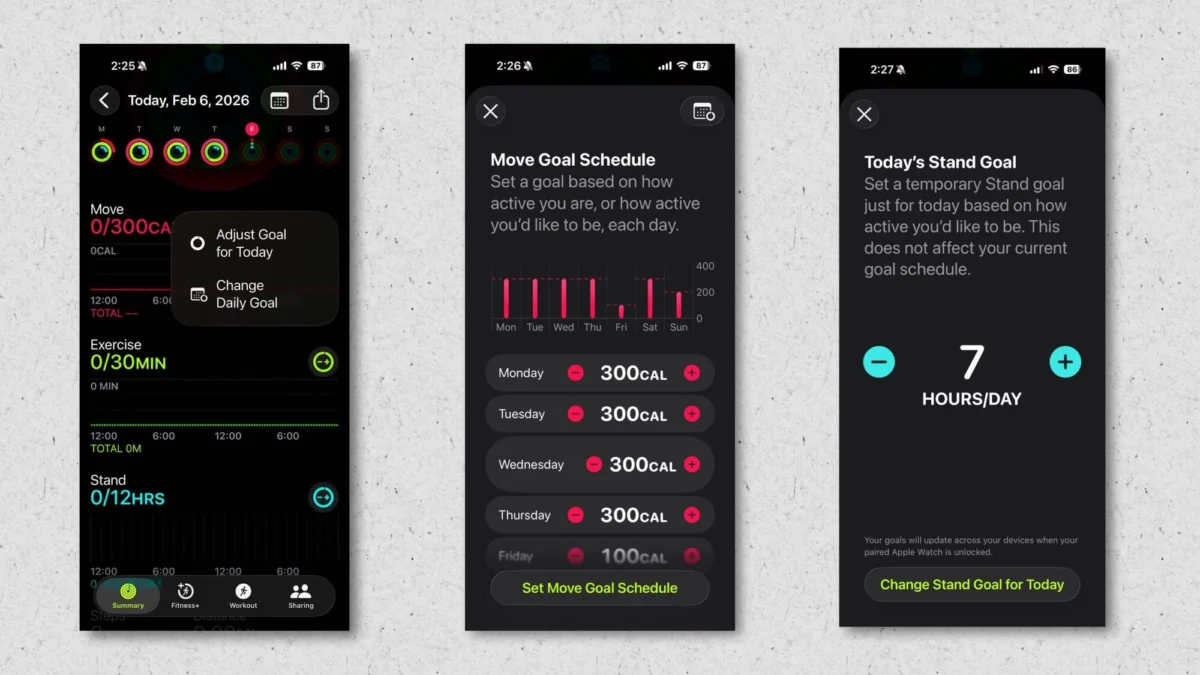
By Beth Skwarecki
Senior Health Editor
September 10, 2026
Even as Apple continues to roll out next-generation hardware like the Apple Watch Series 12, millions of existing device owners are realizing they already have access to far more fitness and health capabilities than they currently utilize. While standard setup guides cover the basics of closing daily activity rings, a deeper dive into lesser-known settings, third-party software, and hidden operating system integrations reveals a suite of powerful tools. Whether you are an endurance runner, a strength athlete, or someone simply trying to balance recovery with consistency, these advanced fitness hacks will help you squeeze maximum performance and data accuracy out of your Apple Watch.
1. Main Facts: Rethinking What Your Apple Watch Can Do
The Apple Watch has evolved from a simple notification mirror into a sophisticated biometric tracker that rivals dedicated sports watches. However, out-of-the-box settings do not always match every user’s unique training style. Key realizations for getting the most out of your device include:

- Ring Flexibility: You no longer need to maintain rigid daily targets. You can now adjust ring-closing goals dynamically and schedule rest days.
- Alternative Placements: Wrists are not the only valid location for tracking movement; upper arm and ankle placements can bridge gaps for specific activities like weightlifting or under-desk walking.
- Phone-Only Tracking: Thanks to recent software advancements like iOS 26, the iPhone’s Fitness app can now track outdoor and indoor workouts independently if you leave your watch behind.
- Ecosystem Expansion: Third-party dashboards like Bevel and specialized mapping apps like WorkOutDoors bridge the gap between Apple’s native software and advanced platforms like Whoop or Garmin.
2. Chronology: The Evolution of Apple Watch Fitness Tracking
To understand how these hacks became possible, it helps to look at how Apple’s fitness ecosystem has matured over time:
- The Early Years: Early iterations of the Apple Watch offered a basic "start and stop" Workout app. Ring goals were static, meaning users were penalized on rest days or during illnesses. Third-party apps were severely limited by restricted access to underlying health sensors.
- The Introduction of GymKit and Custom Intervals: Apple gradually introduced integrations like GymKit to sync data directly with commercial treadmills and ellipticals, followed by the long-awaited introduction of custom interval programming within the native Workout app.
- The Rise of Advanced Biometrics and OS Integrations: With recent updates across watchOS and iOS, the platform opened up dramatically. Features like Race Routes allowed users to compete against their past performances, while software updates enabled the iPhone to independently log workouts using internal GPS and paired external sensors.
3. Supporting Data & Deep-Dive Hacks
Implementing these ten specialized strategies will instantly upgrade your daily fitness tracking, data organization, and workout efficiency:
Give Your Apple Watch Rings a "Rest Day"
For years, the psychological pressure of maintaining an unbroken streak in the Move, Exercise, and Stand rings often led to burnout or overtraining. Today, you can customize your ring-closing goals and schedule designated rest days.

- How to do it: Open the Fitness app, tap the Activity Rings card, and select the "+/-" icon next to each respective goal. You can design a weekly schedule reflecting lower targets for active recovery days, or temporarily reduce your Stand hour goal during a long travel day.
Wear Your Apple Watch on Your Arm (or Ankle)
While the wrist is the default location, certain exercises make wrist placement impractical. If you are performing heavy barbell cleans, kettlebell snatches, or wearing wrist wraps, a wrist-mounted tracker can get bruised or misread data. Conversely, if you use a standing desk or walking pad, arm swings may not register properly.
- The Solution: Move the watch to your upper arm or ankle using an extra-long athletic band. Ensure your device’s security code settings are adjusted if you remove it frequently during a session.
Change the App View for Easier Mid-Workout Tapping
Pressing the digital crown displays your installed apps in a default clustered icon view. While visually striking, these microscopic icons are notoriously difficult to tap accurately while running or sweating heavily mid-workout.
- The Solution: Scroll to the bottom of the app screen and switch to List View. This organizes your applications alphabetically with clear text labels next to each icon, making mid-session navigation seamless.
Use Bevel to Centralize Your Health Data
Apple collects a wealth of biometric data, but navigating disparate menus in the native Health app can feel fragmented. Third-party dashboards have stepped in to solve this.

- The Solution: Install Bevel (which offers a robust free tier). It synthesizes Apple Watch data—alongside metrics from rival ecosystems like Garmin or Whoop—into a single, easy-to-read dashboard featuring automated recovery scores and strain metrics.
Create Custom Intervals and Race Yourself
If you are tired of manual pacing, you can program structured interval sessions directly into the Workout app using your iPhone. Furthermore, if you repeat the same outdoor running or cycling path, utilize the Race Route feature. Generated automatically after completing a route twice, it lets you race against your personal best or your immediately preceding time, providing real-time feedback on your pacing.
Track Workouts Without the Watch (iOS 26 Integration)
If you leave your watch at home, you are no longer entirely cut off from tracking your physical activity. The updated iPhone Fitness app allows you to log runs and walks using the phone’s internal GPS. For indoor sessions, it records time and estimated calorie burn while letting you manually rate your perceived exertion to maintain training load continuity. You can even pair external heart rate straps or compatible headphones (such as the Powerbeats Pro 2) directly to your iPhone.
Connect Your Apple Watch to a Commercial Treadmill
Indoor treadmill distance tracking via wrist movement alone is notoriously inaccurate.

- The Solution: Look for commercial gym equipment equipped with GymKit. Navigate to your watch’s Settings, select Workout, and enable Detect Gym Equipment. Tapping your watch against a compatible treadmill console instantly syncs biometric data between the machine and your wrist.
Install WorkOutDoors for Advanced Mapping
For hikers and serious runners who find the native Workout app too basic, third-party applications like WorkOutDoors ($8.99 one-time fee) provide Garmin-level vector mapping, breadcrumb trails, and deeply customizable data screens directly on your wrist.
Quick-Charge Before Sleep Tracking
If you rely on your watch for sleep tracking, charging overnight is off the table. Modern Apple Watch models feature rapid charging designed specifically for this dilemma. For instance, recent iterations require as little as five minutes of charging time to yield an entire eight hours of sleep-tracking battery life.
4. Official Responses & Industry Context
Fitness technology manufacturers have faced mounting pressure from consumers demanding more flexibility between competing ecosystems. Wearable tech analysts note that Apple’s recent software pivots—allowing third-party data aggregation, phone-only workout tracking, and flexible activity goals—represent a strategic shift toward user-centric customizability.

- The Apple Perspective: Cupertino engineers have consistently emphasized that health tracking should adapt to human realities rather than forcing users into rigid behavioral loops. Features like rest-day adjustments and rapid-charge sleep tracking directly address user feedback regarding overtraining and battery anxiety.
- The Competitor Landscape: By allowing apps like Bevel and Athlytic to parse Apple’s health data APIs, the Apple Watch successfully positions itself as a versatile hardware platform that can mimic the dedicated recovery metrics of niche competitors like Oura and Whoop without requiring a separate wearable device.
5. Implications for Athletes and Everyday Users
The democratization of advanced fitness metrics through software updates and clever hacks has significant implications for public health and athletic training:
- Reduced Risk of Overtraining: By destigmatizing rest days and allowing dynamic goal adjustments, users are less likely to push through exhaustion simply to close a stubborn ring.
- Lower Financial Barriers: Instead of purchasing expensive, single-purpose recovery wearables, users can leverage existing Apple Watch hardware alongside free or low-cost software tiers to access elite-level analytics.
- Seamless Cross-Device Training: The ability to pull data from external chest straps, treadmills, and rival ecosystems ensures that fitness enthusiasts are no longer locked into a single proprietary hardware pipeline, marking a more open, interoperable future for digital health.
 Layla Zulfa
  Asro
Asro  Reynand Wu