
 By Jia Lissa
In the hyper-competitive landscape of digital publishing, many creators find themselves trapped in a paradox. They produce content that is meticulously structured, perfectly optimized for search engines, and technically flawless, yet they fail to cultivate a loyal audience. They are checking all the boxes for SEO and technical proficiency, but they are missing the one variable that algorithms cannot replicate: human personality.
In an era where AI-generated content is flooding the web, the "missing something" that separates a forgettable site from an industry-leading authority is authenticity. Personalization is no longer just a design aesthetic; it is a business imperative. By analyzing the strategies of ten of the world’s most successful bloggers, we can deconstruct the blueprint for turning a static website into a vibrant, high-converting digital brand.
The Anatomy of Connection: Why Personality Drives Growth
The transition from a "content farm" to a "personal brand" requires a fundamental shift in perspective. Readers do not return to blogs for information alone—information is a commodity available everywhere. They return for the voice, the perspective, and the connection.

A blog that lacks personality is a digital utility; a blog that embraces it becomes a community. When a reader encounters a unique brand voice, they transition from a transient visitor to a stakeholder in your success. Below, we examine the evolution of these ten top bloggers and the specific mechanisms they use to embed their identity into their platforms.
Case Studies: The Masters of Digital Personalization
1. Visual Storytelling: YTravel (Caz and Craig)
For lifestyle, travel, and culinary niches, text is secondary to visual impact. Caz and Craig of YTravel understand that their audience isn’t just looking for travel tips—they are looking for a lifestyle they can aspire to.
By integrating high-quality, candid family photography into their travel guides, they bridge the gap between "expert advice" and "lived experience." Whether it is a messy, joyful snapshot of their children or a carefully composed portrait of a destination, these images act as social proof and emotional anchors.
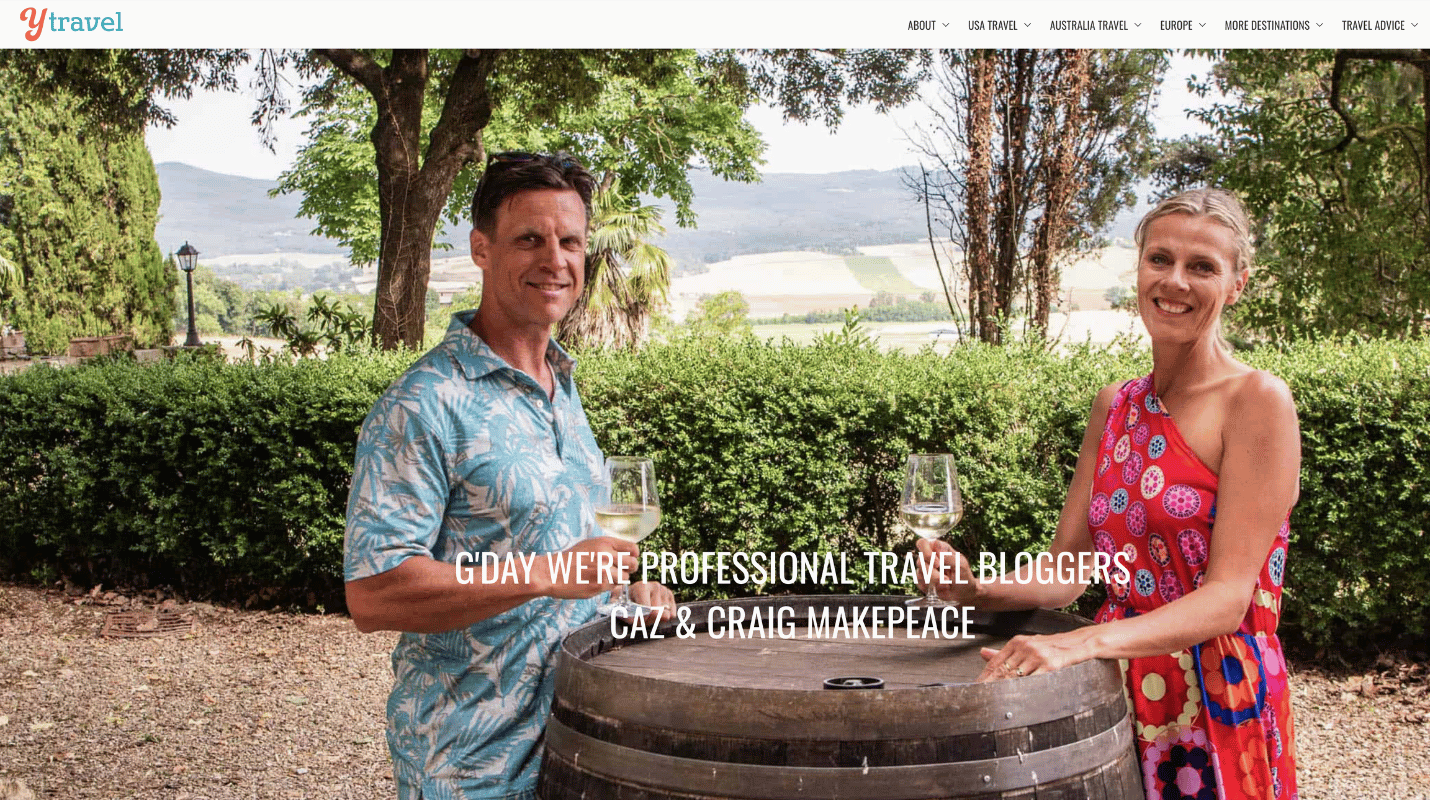
- The Takeaway: Your photography should narrate your life. Don’t rely on generic stock images; use personal documentation to make your content tangible.
2. Radical Transparency: Pat Flynn (Smart Passive Income)
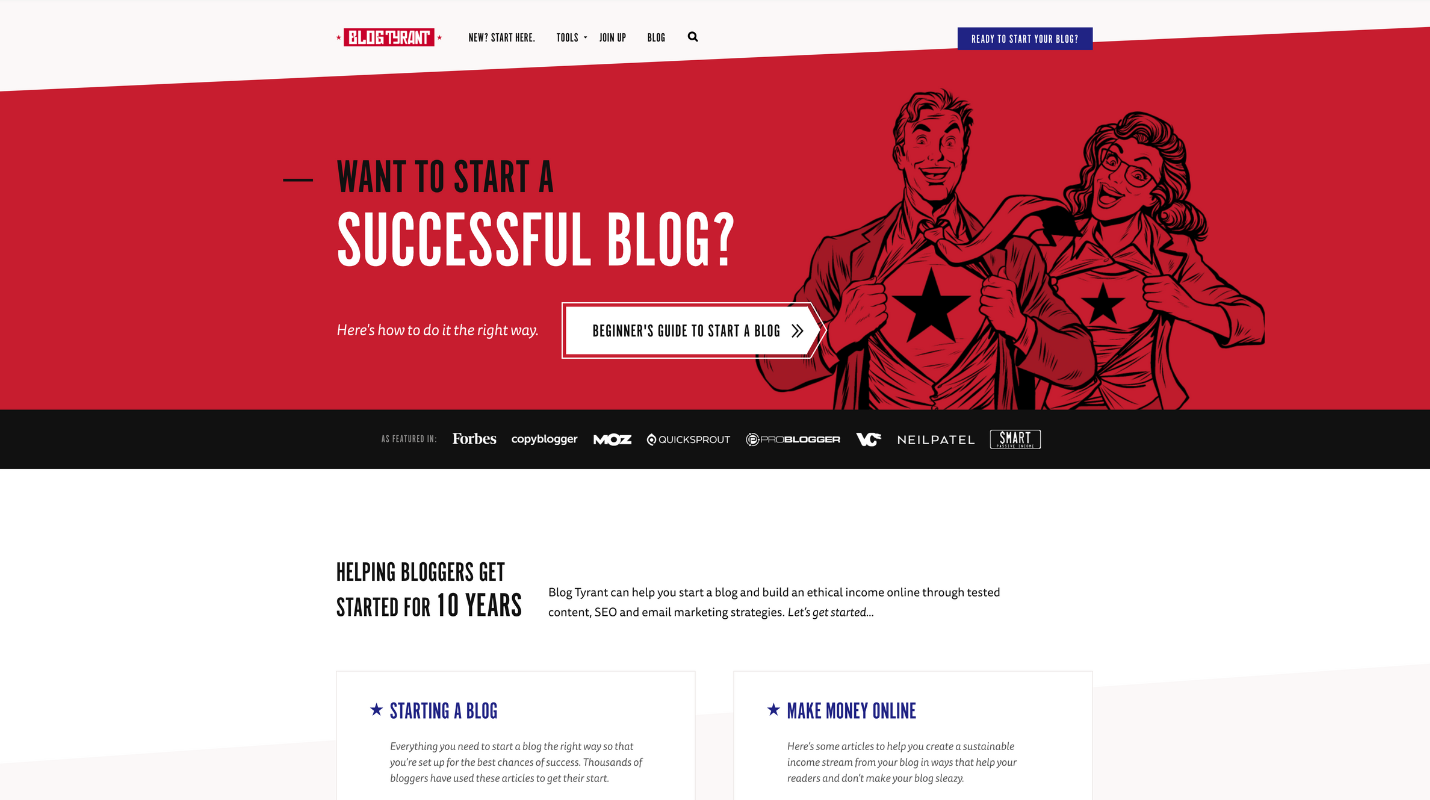
Pat Flynn has mastered the art of the "Identity Hero Section." His homepage doesn’t just explain what he does; it defines who he is. By pairing a high-resolution portrait with clear, multi-faceted descriptors—"father, husband, serial entrepreneur"—he creates a multi-dimensional persona.
He adds a layer of "humanizing quirk" by self-identifying as a "protector of baby Yoda." This injects humor into a space that is often dominated by sterile, overly formal business advice.
- The Takeaway: If your brand is you, show the whole you. Don’t hide behind a corporate mask; business is inherently human.
3. The Power of Voice: Shannon Kelly White
Shannon Kelly White serves as a masterclass in audience segmentation through tone. She utilizes an unapologetic, candid, and often "salty" vernacular that acts as a filter.
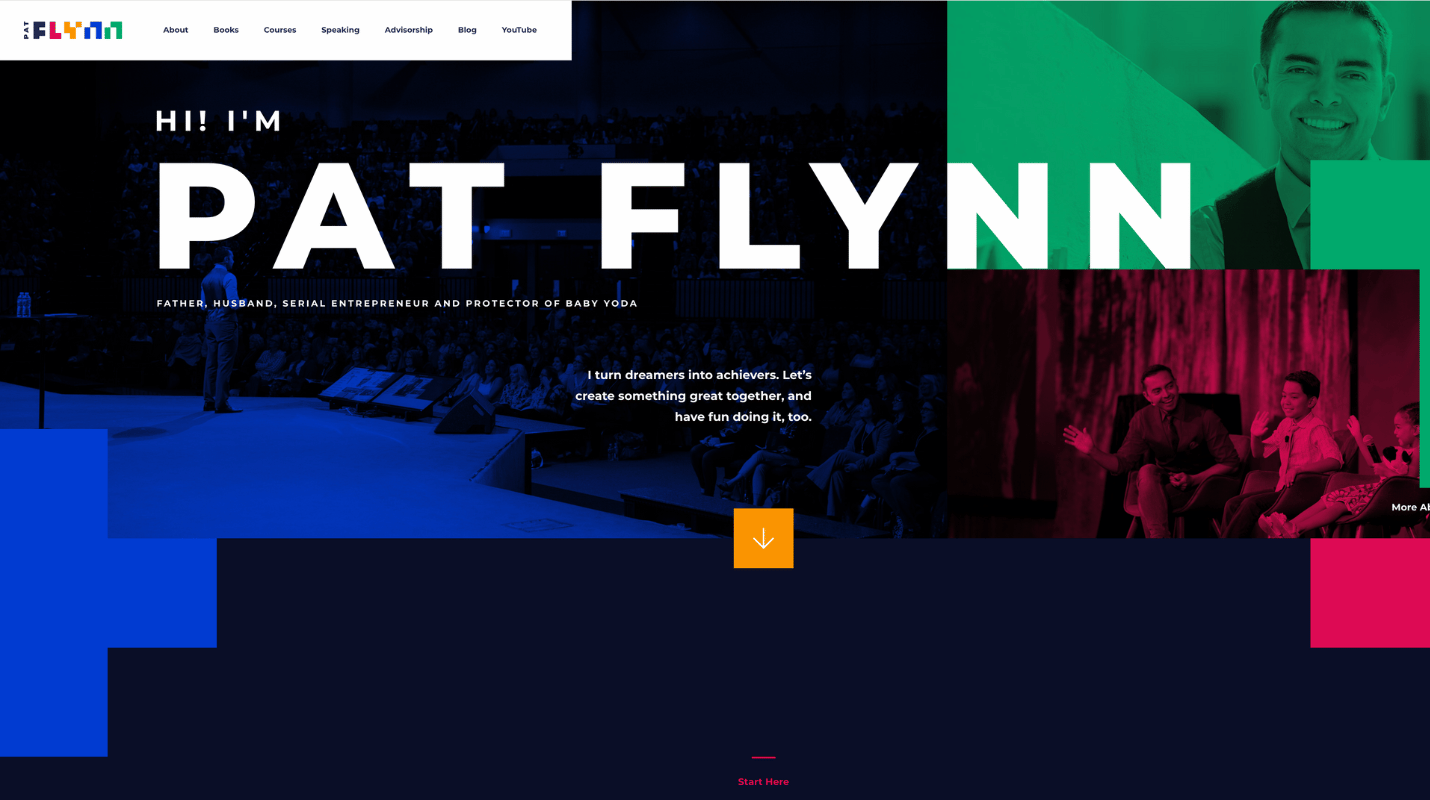
While some might shy away from such a bold editorial stance, it is precisely this choice that creates a fiercely loyal subculture of readers. Those who resonate with her tone feel an instant connection, while those who don’t are quickly identified as "not the right fit."
- The Takeaway: Consistency in voice is a powerful tool for community building. It’s better to be loved by a niche than to be tolerated by a crowd.
4. Symbolic Branding: Blog Tyrant (Ramsey)
Ramsey, the creator of Blog Tyrant, utilized a classic marketing strategy: the "Brand Avatar." By creating a superhero-themed illustration, he provided his readers with a visual shorthand for his brand.
This illustration doesn’t just live on the homepage; it serves as a persistent visual anchor in lead magnets, social media assets, and featured post images. It transforms the brand from a collection of articles into a recognizable character.
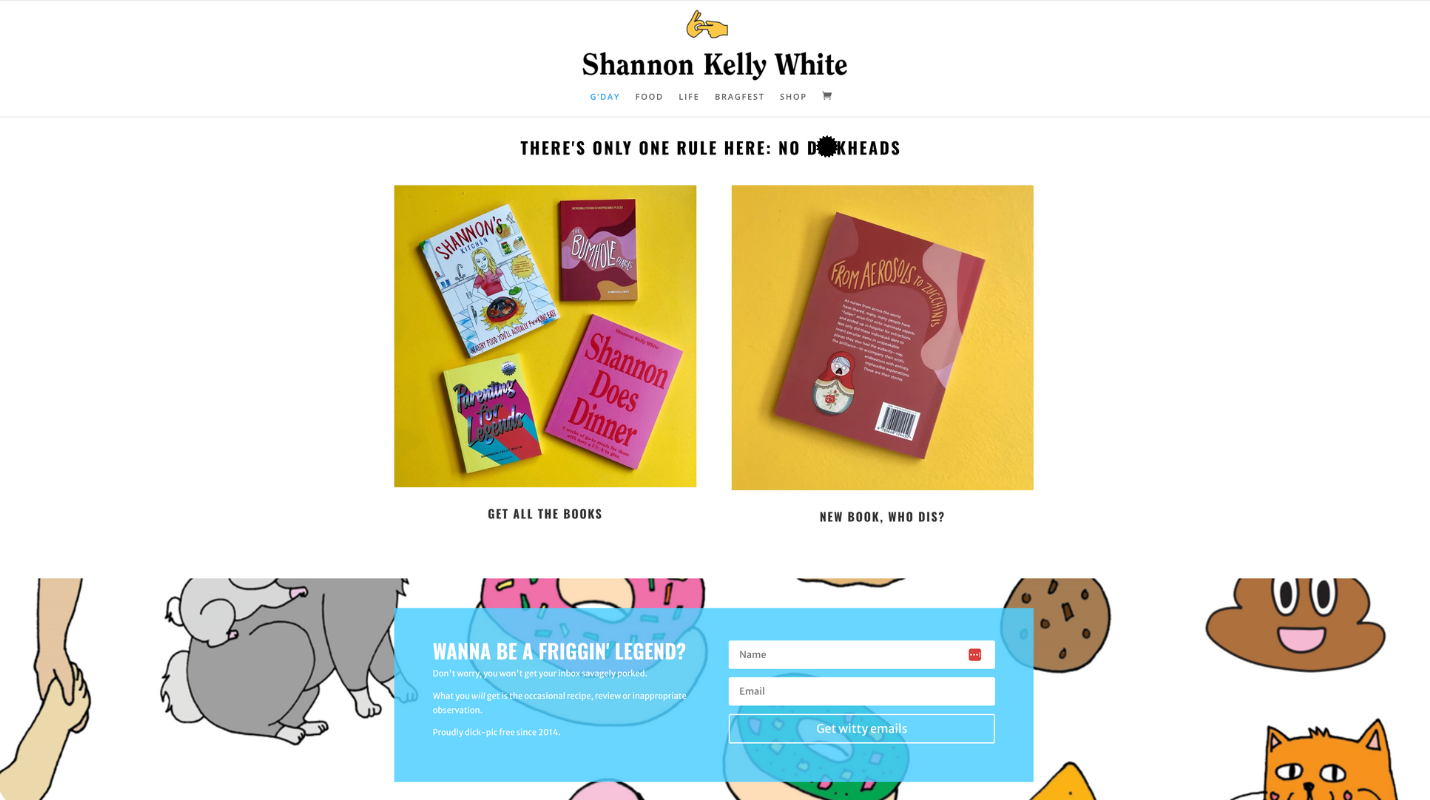
- The Takeaway: If you aren’t comfortable being the face of your brand, invest in a custom illustration or mascot that embodies your brand’s core values.
5. The "About" Page Strategy: A Beautiful Mess (Elsie and Emma)
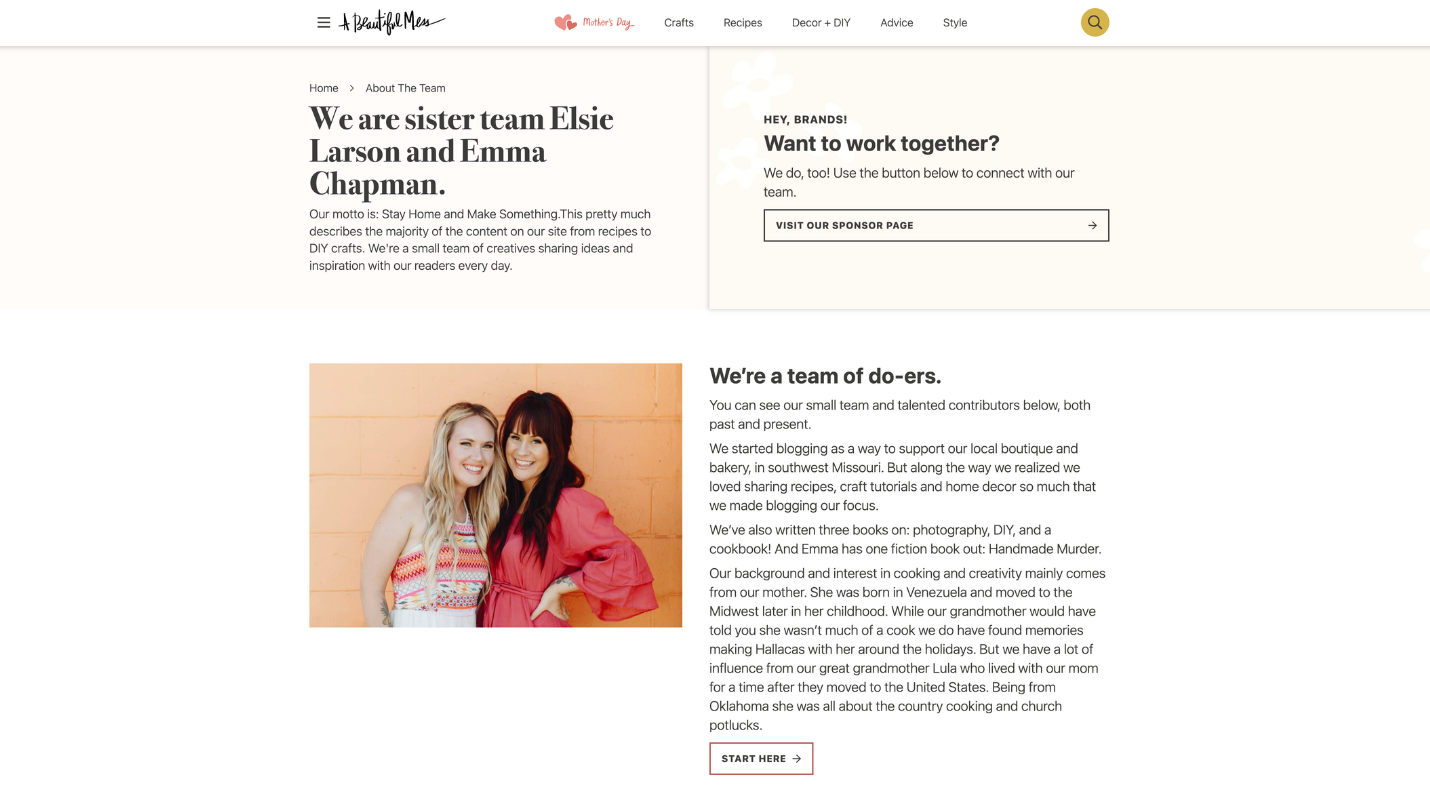
For many blogs, the "About" page is an afterthought. For Elsie and Emma, it is the cornerstone of their conversion funnel. A new reader, impressed by a single article, will almost always click to see who is behind the curtain.
A Beautiful Mess uses this page to display a bright, high-energy photo of the founders, accompanied by a punchy, inviting narrative. It is a masterclass in setting the stage for what a reader can expect from the brand.
- The Takeaway: Treat your "About" page as a sales page for your personality. It is the most important page for building long-term trust.
6. Cross-Platform Consistency: Chris Ducker
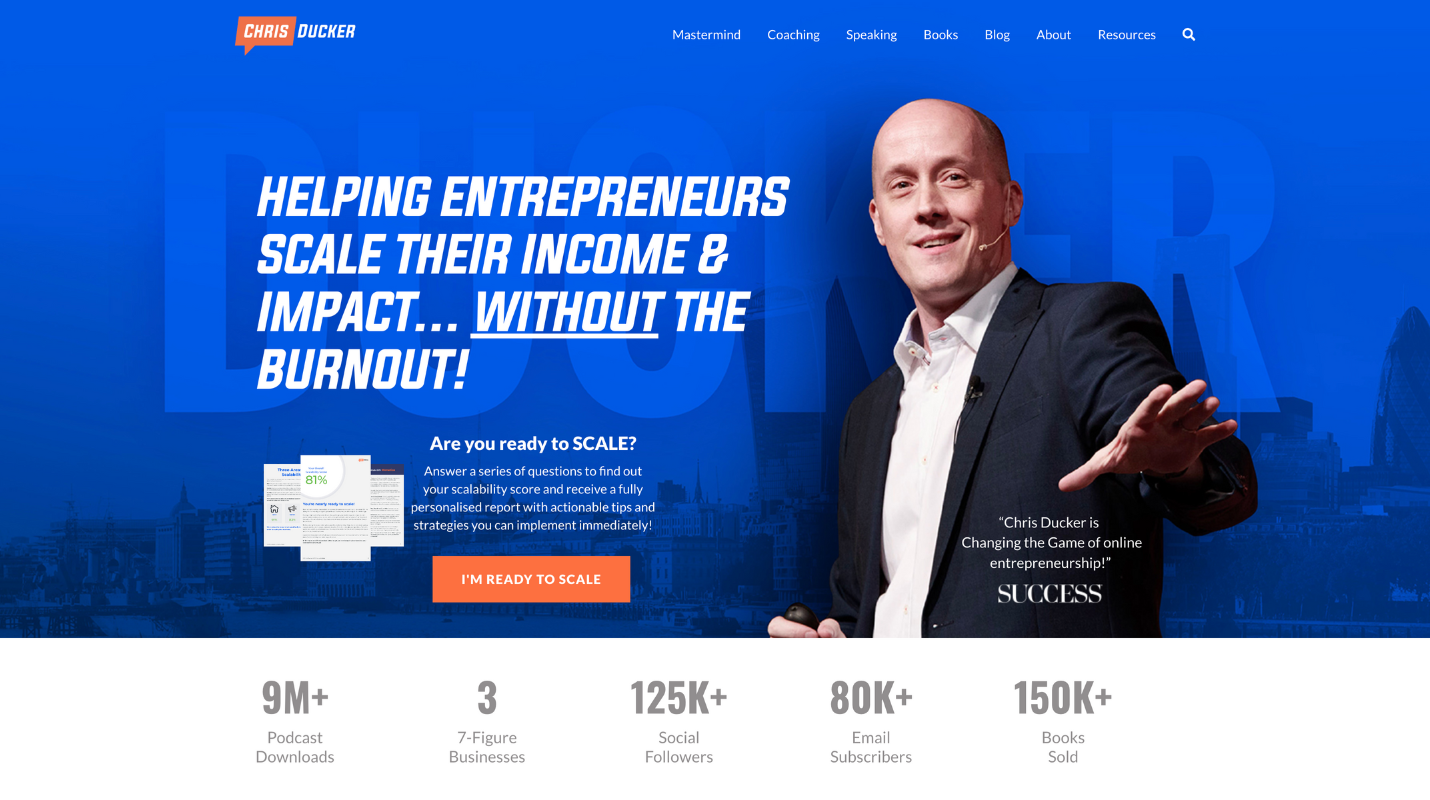
Chris Ducker’s strategy centers on the "Unified Digital Persona." By utilizing the same high-quality headshot across every touchpoint—Twitter, LinkedIn, Facebook, and his own blog—he creates a seamless mental imprint for his audience.
In a world where users consume content across multiple devices and platforms, this visual continuity is crucial. It ensures that whenever a reader encounters your brand, they know exactly who they are dealing with.
- The Takeaway: Branding is not just about a logo; it is about the consistency of your digital identity. Ensure your assets are synchronized across all channels.
7. Color Psychology: Jadah Sellner
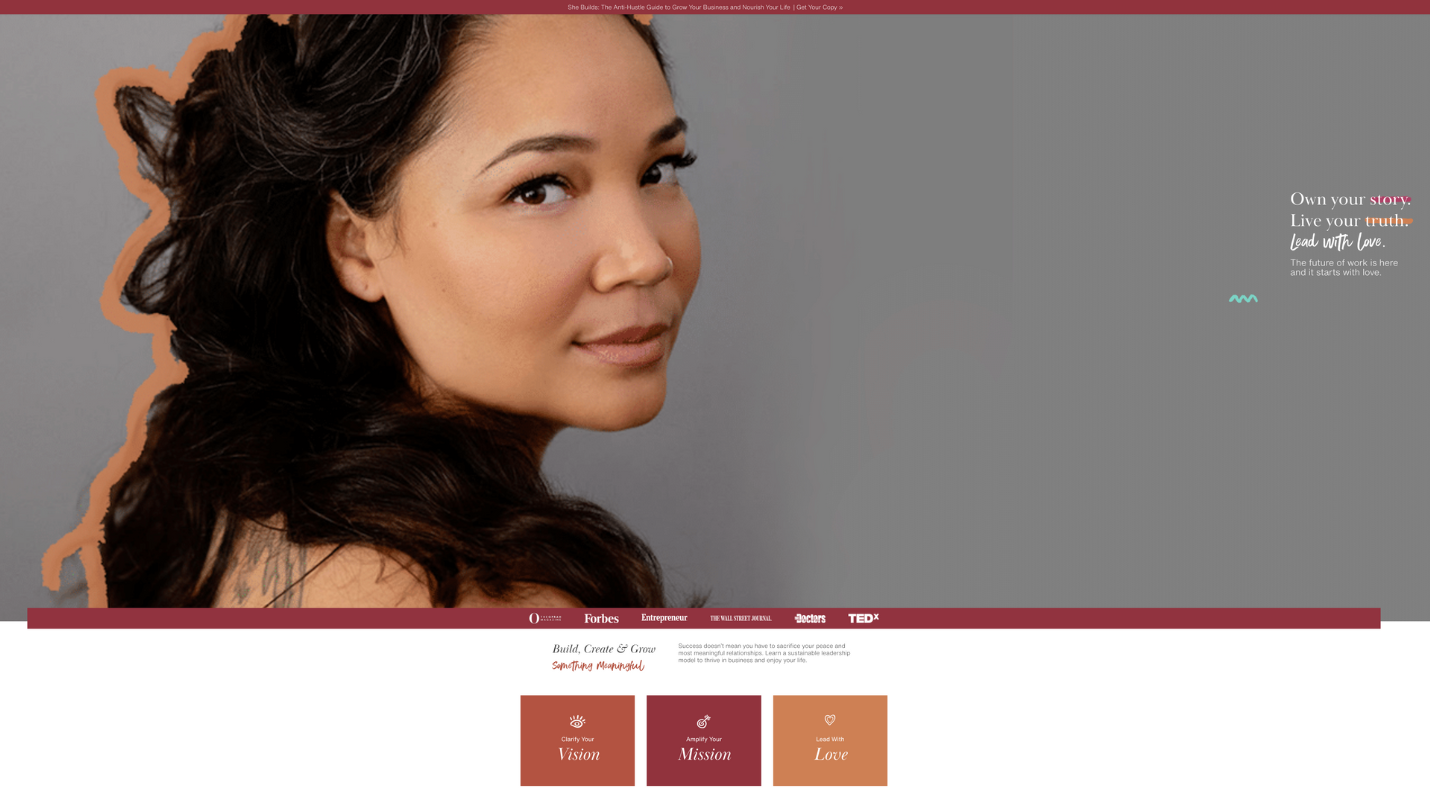
Jadah Sellner utilizes color theory to create an emotional environment. When a reader lands on her site, they aren’t just reading text; they are experiencing a cohesive visual palette that aligns with her personal brand.
By mirroring the colors of her professional attire with the color scheme of her website, she creates an immersive experience that feels intentional and premium.
- The Takeaway: Design choices should be deliberate. Select a palette that reflects your brand’s personality and stick to it religiously.
8. The Value Proposition Statement: SuperFastBusiness (James Schramko)
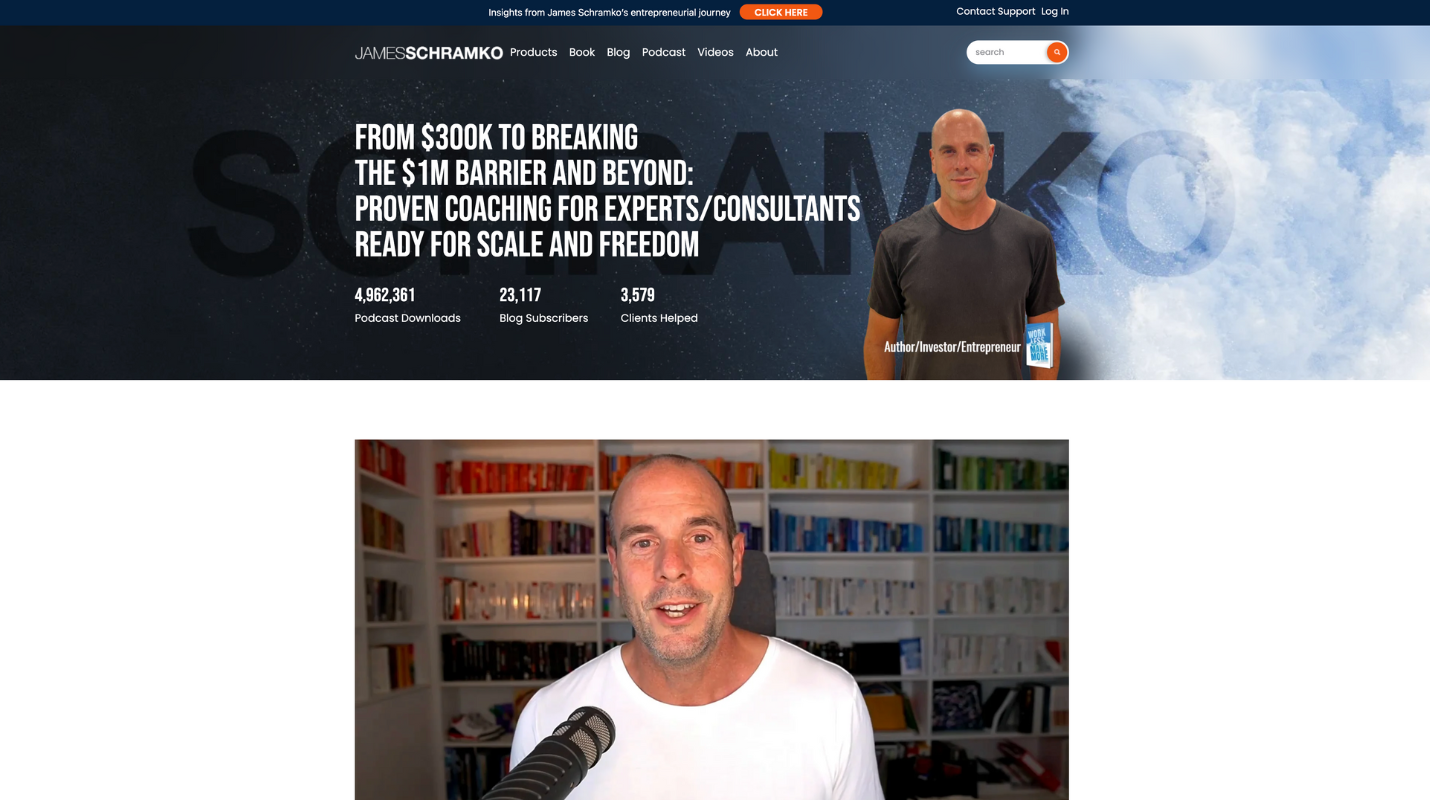
James Schramko provides a perfect example of immediate value communication. His site greets visitors with a clear, concise statement that defines exactly who his services are for and what they achieve.
There is no ambiguity. By declaring his intent at the "above the fold" position, he effectively qualifies his leads before they ever scroll down.
- The Takeaway: Don’t make your readers guess what you do. State your mission clearly and immediately.
9. The Direct Call-to-Action: Kelly Exeter
Kelly Exeter demonstrates that the best call-to-action (CTA) is the one that cuts through the noise. She utilizes a formulaic yet highly effective approach: Name + Role + Target Audience + Benefit.
She avoids complex, multi-step email funnels where a simple "Find Out Here" button will do. This creates a frictionless user experience that respects the reader’s time and desire for immediate solutions.
- The Takeaway: Simplify your navigation and your conversion paths. If you can help someone, show them exactly how to get that help immediately.
10. Audience Identification: Puttylike (Emily)
Emily’s work with the concept of the "Multipotentialite" is perhaps the most sophisticated strategy on this list. She doesn’t just create content; she creates a category.
By defining her audience—and giving them a name—she empowers her readers to identify with her brand. Her use of a personality quiz as a lead magnet is a brilliant conversion tactic that turns a casual visitor into an invested member of her community.
- The Takeaway: Give your readers a sense of belonging. Define them, celebrate them, and give them a name.
Implications: The Future of Personal Blogging
The data from these ten case studies suggests a clear trajectory: the "anonymous expert" model is dying. As AI tools begin to democratize the production of high-quality, SEO-optimized text, the only remaining competitive advantage is the Human Factor.
For the modern blogger, the implications are profound:
- Trust is the new currency: Personalization builds trust, and trust drives revenue.
- Brand identity must be holistic: It is not enough to have a good logo; your voice, your visuals, and your values must be in total alignment.
- Audience participation is required: You must give your audience a reason to identify with you. Whether through shared struggles, common goals, or a specific community label, your readers need to see themselves in your content.
Conclusion
As you look at your own digital presence, ask yourself: If someone visited my site for the first time, would they know exactly who I am and what I stand for within five seconds?
If the answer is no, it is time to pivot. You don’t need to be a celebrity to have a personality-driven brand. You simply need to be honest, consistent, and intentional. Start by auditing your "About" page, refining your visual identity, and ensuring that your voice is as distinct as your expertise. The digital landscape is crowded, but there is always room for a voice that is authentic, human, and uniquely its own.
 Asep Darmawan
  Siti Muinah
  Azzam Bilal Chamdy