
 By Evan Lee Salim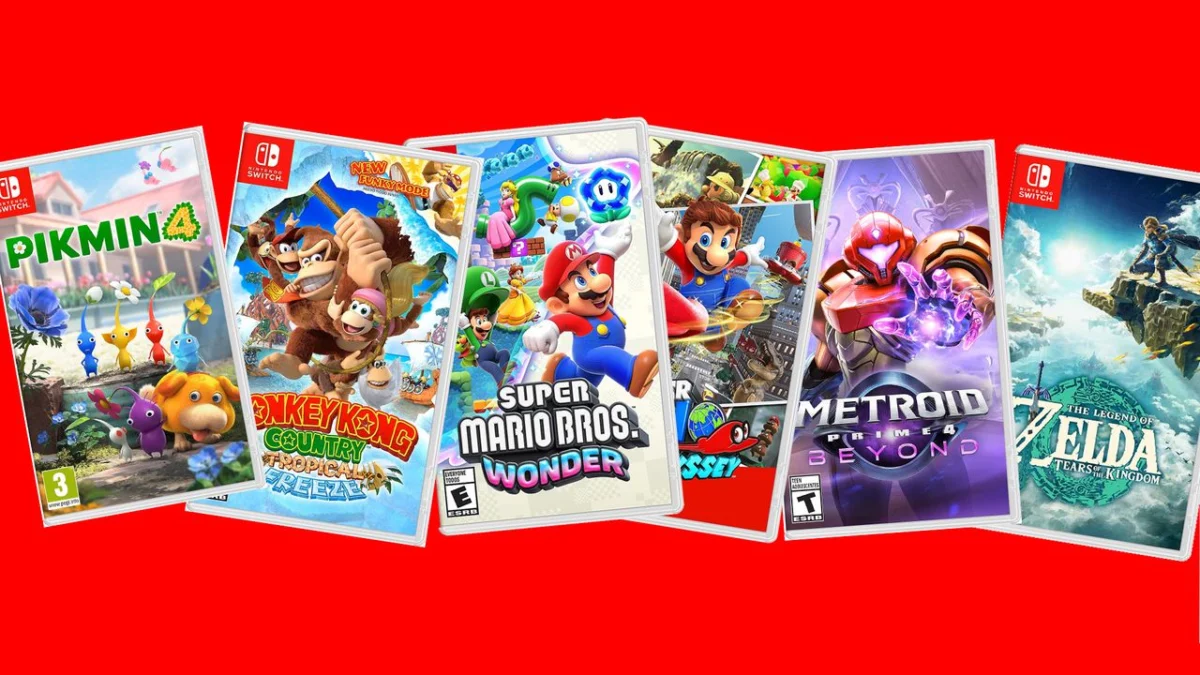
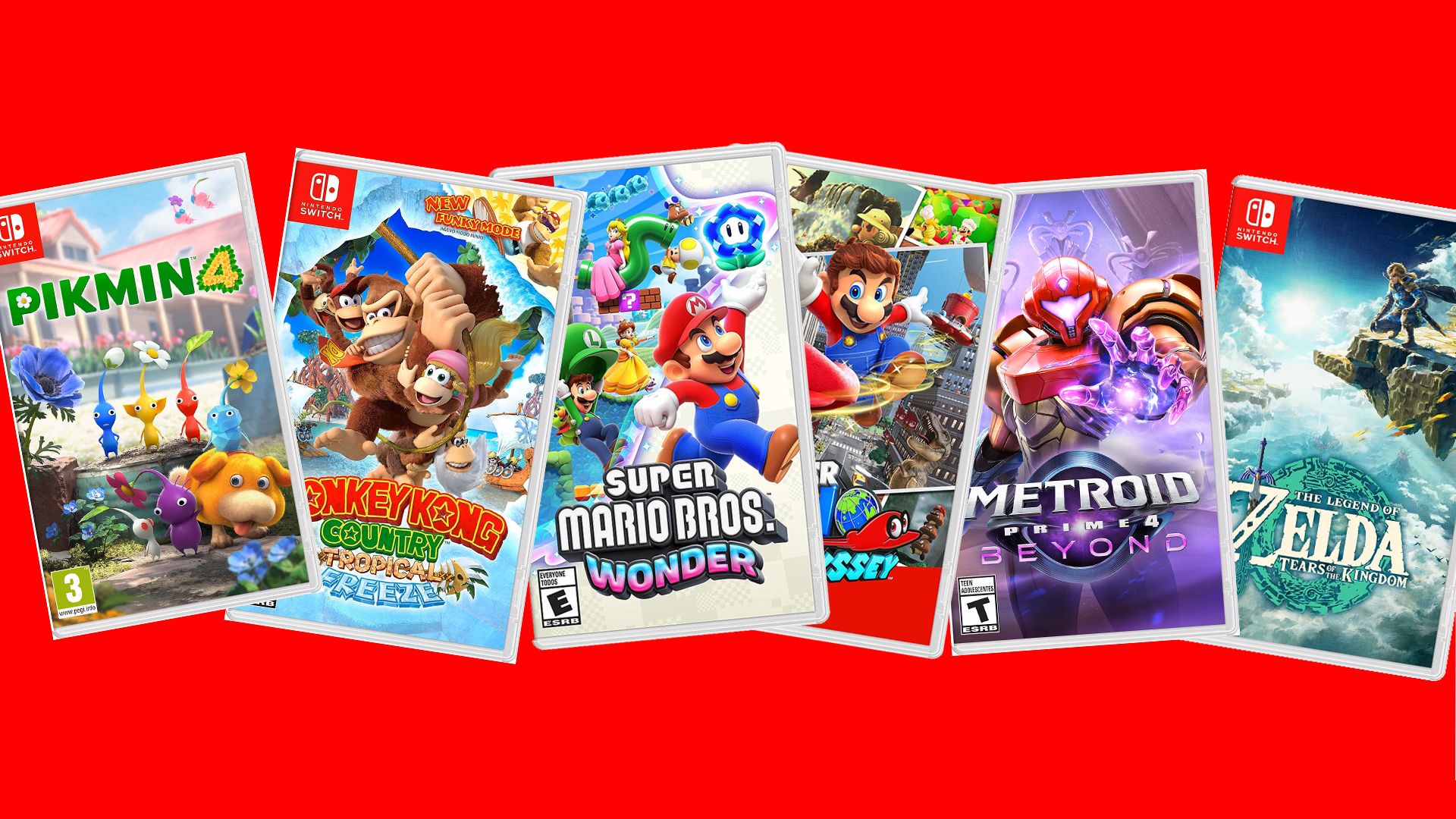
In a move that has sparked significant debate regarding corporate responsibility and consumer equity, Nintendo has launched its expansive "Customer Appreciation Sale" across the United States. This promotional event, which offers deep discounts on Nintendo Switch games, accessories, amiibo, and apparel, arrives as a direct—if delayed—consequence of a major legal victory for the Japanese gaming giant against the United States government. Earlier this year, the Supreme Court ruled against the inflation-boosting trade tariffs implemented during the Trump administration, a decision that effectively clawed back $300 million for Nintendo. While the company initially faced criticism for failing to distribute those funds directly to consumers, this new sale serves as a strategic, albeit partial, remedy to the situation.
The Chronology of a Trade Dispute
To understand why Nintendo is offering these discounts now, one must look back at the turbulent trade environment of the late 2010s. The conflict began when the U.S. government imposed Section 301 tariffs on a wide range of goods imported from China, including video game consoles.
As a company that relies heavily on manufacturing hubs in China to supply its global demand, Nintendo was uniquely positioned in the crosshairs of these fiscal policies. Between 2018 and 2021, the gaming industry faced mounting pressure as the cost of importing hardware spiked. Nintendo, alongside other major tech firms, argued that these tariffs were not only economically damaging but legally questionable under the scope of existing trade laws.
After years of litigation, the Supreme Court ultimately sided with the plaintiffs, ruling that the aggressive tariff structures were implemented without the necessary procedural adherence. Consequently, the U.S. government was forced to refund approximately $300 million in duties to Nintendo. The news of this massive windfall initially triggered a public outcry, as many gamers, who had absorbed the price hikes at retail, felt entitled to a direct rebate. Nintendo’s silence on the matter for several months fueled speculation that the company was hedging against future political uncertainty or potential shifts in international trade policy.
The "Customer Appreciation" Strategy
Nintendo’s decision to launch the "Customer Appreciation Sale" represents a pivot from corporate reticence to proactive engagement. Running through September 26, the promotion is billed as one of the most comprehensive sales in the company’s history.
"This is our way of saying thank you to Nintendo players for their continued support, and it is made possible in part by tariff-related refunds," a company spokesperson stated in a recent press release.
The sale encompasses a broad spectrum of the Nintendo ecosystem:
- Software: Discounts of up to 30% on a vast library of Switch titles.
- Peripherals: Reduced pricing on Pro Controllers, Joy-Cons, and charging stations.
- Collectibles: Significant markdowns on amiibo figures, which have become staples of Nintendo’s brand loyalty program.
- Merchandise: Apparel and physical accessories are also seeing price cuts.
While the sale is expansive, it is not all-encompassing. Nintendo has been careful to exclude its most recent flagship releases and upcoming "Switch 2" exclusives from the deepest discounts. Analysts suggest this is a calculated effort to protect the launch momentum of future hardware while clearing inventory of legacy software that remains highly profitable at a 30% discount.
Supporting Data: Economic Impact on the Gamer
When the tariffs were first implemented, the "Switch tax" became a common complaint among consumers. Retail prices for consoles saw minor adjustments, and the cost of third-party accessories surged to accommodate the added import duties. By effectively absorbing these costs into the final retail price, Nintendo was able to maintain its margins but at the expense of its customer base.
The $300 million refund represents a significant percentage of the capital Nintendo lost during the peak of the tariff era. Industry experts suggest that a direct $300 million "rebate" check to every registered Nintendo Account user would have amounted to a negligible sum per person—likely only a few dollars. By instead investing that capital into a high-visibility sale, Nintendo is effectively using the "marketing spend" to drive higher volume, which arguably provides a better "value-add" for the average consumer than a nominal cash rebate.
Furthermore, the promotion is being augmented by third-party retailers like Amazon, which have begun price-matching select Nintendo deals. This ripple effect has created a more competitive market environment, forcing other retailers to lower their own prices to remain relevant, thereby extending the benefit of the refund beyond Nintendo’s own storefront.
Official Responses and Corporate Justification
Nintendo’s executive team has navigated the situation with characteristic caution. Internally, the company has emphasized that the refund was not an "extra" profit but a recovery of operating capital. During the fiscal earnings call following the Supreme Court ruling, CFO Shuntaro Furukawa hinted that the company remained wary of "fresh tariff chaos." This concern stems from the volatile nature of global supply chains; with geopolitical tensions shifting, many tech firms are diversifying their manufacturing away from China.
Nintendo’s official stance is that the sale serves as a bridge between the company’s legal victory and its long-term relationship with its user base. Critics, however, argue that the "Customer Appreciation" branding is a sanitized way of rebranding a legal settlement. Despite this, the consumer response has been largely positive. Gaming forums and social media platforms have seen a surge in "haul" posts, suggesting that for the average player, the availability of high-quality software at a discount outweighs the desire for a direct cash reimbursement.
The Implications for Future Trade and Gaming
The Nintendo case serves as a landmark moment for the gaming industry. It highlights the vulnerability of consumer electronics to geopolitical maneuvering and demonstrates how large corporations attempt to mitigate reputational damage when tax policy interferes with consumer prices.
- Supply Chain Diversification: The legal fight has likely accelerated Nintendo’s move to diversify its manufacturing base. By moving production away from regions subject to high volatility, Nintendo is attempting to ensure that future "tariff shocks" do not occur.
- Consumer Expectations: The incident has set a new precedent for corporate transparency. Gamers are now more aware of how macroeconomic policies, such as trade tariffs, directly impact the price of their favorite hobby. Future price hikes will likely be met with more scrutiny from a fan base that now understands the mechanics of import duties.
- The "Switch 2" Horizon: As the industry looks toward the next generation of hardware, the financial cushion provided by this $300 million recovery offers Nintendo greater flexibility. Whether that capital is used for R&D, software development, or aggressive marketing for the upcoming console, the company is undeniably in a stronger position than it was during the height of the tariff crisis.
Conclusion: A Measured Reconciliation
Ultimately, the Customer Appreciation Sale is an exercise in damage control that has evolved into a mutually beneficial promotion. While the refund was a result of a legal battle that lasted years, the current discounts offer immediate, tangible value to the Nintendo community.
For those looking to expand their digital library or pick up a console before the next generation takes hold, this period offers a rare opportunity to purchase high-quality titles at prices not seen since the pre-tariff era. Whether one views the sale as a sincere gesture of gratitude or a tactical corporate pivot, the reality is that the end-user is the one currently reaping the benefits of a $300 million legal victory. As the industry moves forward, the "Nintendo Tariff Case" will likely be remembered as a pivotal chapter in the intersection of global trade, corporate law, and the digital entertainment economy.
 Nana
Nana  Ammar Sabilarrohman