
 By Nana Wu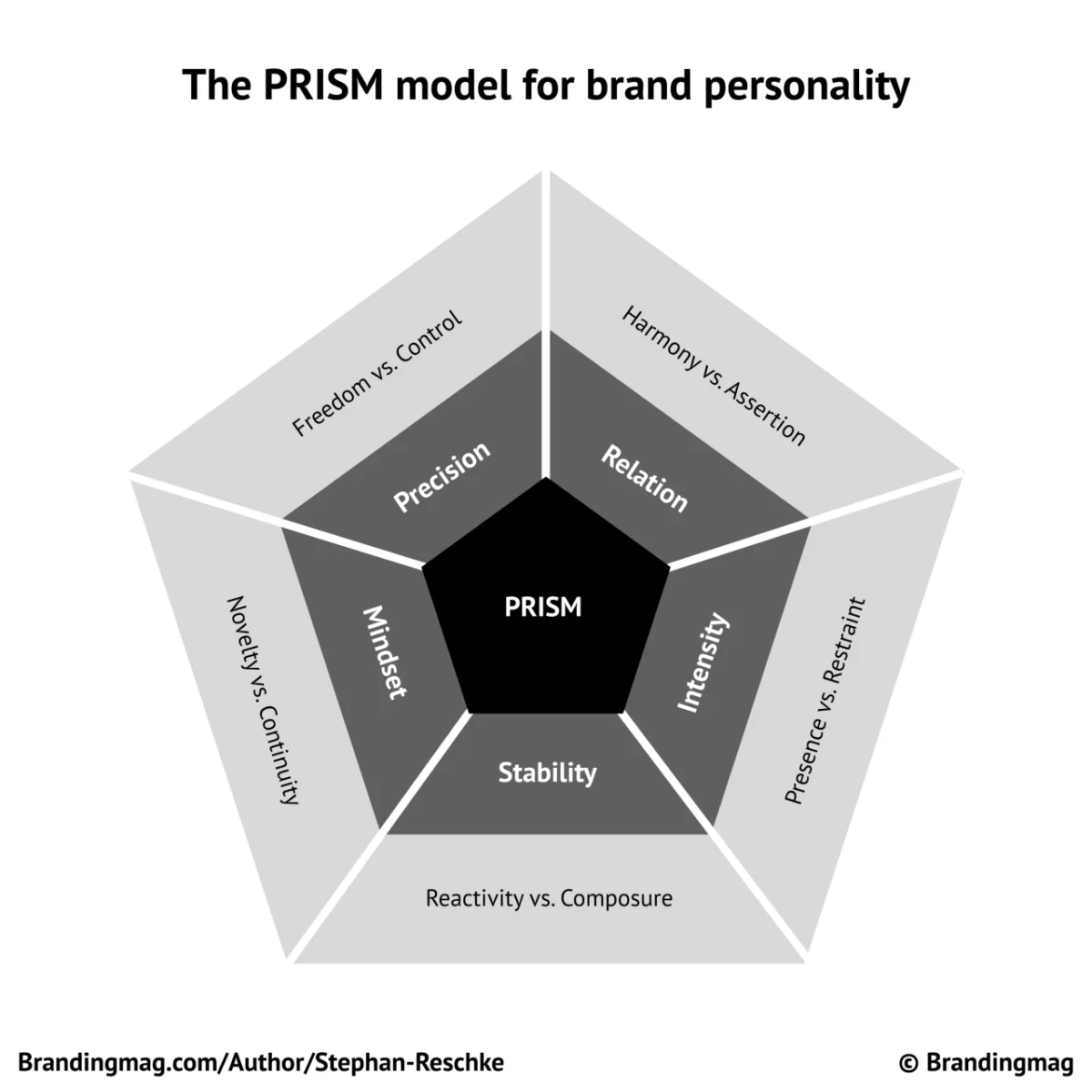
Main Facts
The paradigm of human-technology interaction has fundamentally shifted. Technology is no longer merely a tool that humans operate; it has become an immersive, conversational environment in which we exist. As artificial intelligence moves communication from transactional to conversational, responses are no longer static displays of legacy information—they are dynamic, context-generating creations.
This transformation demands a complete reinvention of modern branding and marketing strategies. Industry leaders are pivoting away from traditional, static frameworks toward dynamic structures capable of handling the "agentic economy."
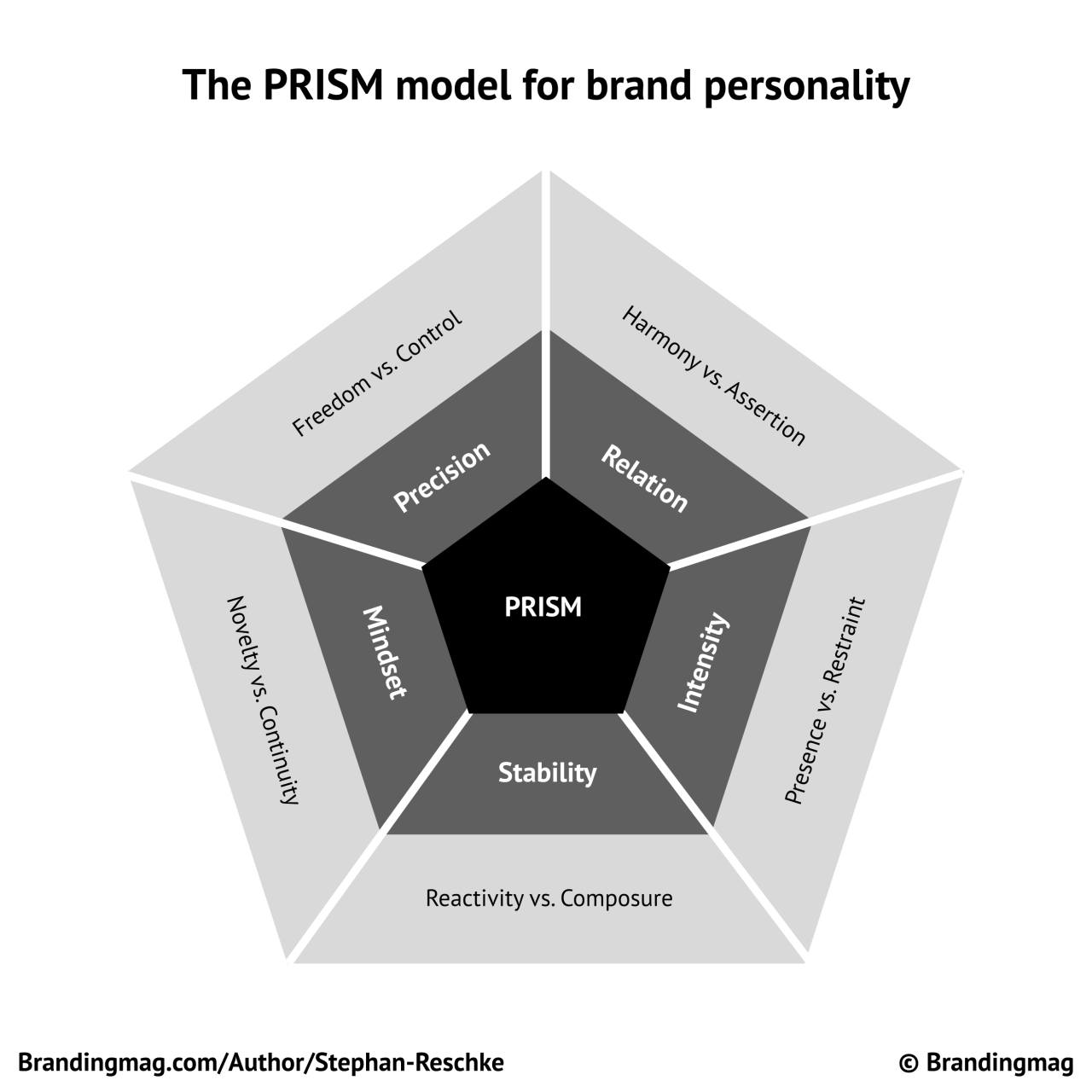
At the forefront of this evolution is the adaptation of classic branding theories for an AI-driven world. Industry veterans like Arjan Kapteijns, former CEO of Saatchi & Saatchi Netherlands, have redefined Kevin Roberts’ iconic concept of "Lovemarks" into Agentic Lovemarks—brands that earn the affection and loyalty not just of humans, but of their digital agents. To operationalize this, marketing strategist Stephan Reschke has introduced the P.R.I.S.M. model, a sophisticated personality framework adapted from human psychology’s "Big Five" (OCEAN) traits.
Designed specifically for brands navigating autonomous, AI-mediated interactions, P.R.I.S.M. provides a granular, data-driven methodology. It bridges the gap between the human need for emotional connection and the technical requirement for machine legibility, ensuring that artificial intelligence can accurately render a brand’s unique voice, tone, and behavioral ethos across every conversational touchpoint.
Chronology: The Evolution of Brand Personality
To understand why traditional branding models are falling short in the current technological landscape, it is helpful to trace the evolution of how brands connect with consumers over the past century:
- Early 20th Century (The Rise of Emotional Marketing): Psychology entered the marketing sphere, introducing the core premise that emotional persuasion drives consumer behavior. Advertisers realized that functional benefits were not enough; long-term loyalty and repeat purchases required deep emotional resonance.
- The Turn of the Millennium (The Archetypal Era): In 2001, Margaret Mark and Carol Pearson published The Hero and the Outlaw, introducing a 12-brand archetype model. This framework revolutionized modern brand building by giving marketers a rational, human-inspired guide to defining how a brand looks, speaks, and behaves. For decades, archetypes served as the gold standard for crafting holistic brand personalities that consumers could easily recognize and fall in love with.
- The Mid-2020s (The Agentic Shift): As conversational AI, Large Language Models (LLMs), and autonomous digital agents began to mediate daily communication, human-to-brand relationships shifted. Brands were no longer experienced through static visual campaigns or controlled web interfaces, but through dynamic, one-on-one dialogues executed by machines.
- Present Day (The P.R.I.S.M. Framework): Recognizing that the 12-brand archetypes leave too much room for fluid, erratic machine interpretation, modern strategists have developed the P.R.I.S.M. model. Moving beyond broad categorical archetypes, this new framework treats brand personality as a detailed, multi-dimensional mindset engineered for machine legibility and human emotional connection alike.
Supporting Data and Conceptual Frameworks
The transition to an agentic economy is underpinned by structural shifts in how data, language, and AI systems process brand identity. Traditional marketing assets—such as glossies, television commercials, and rigid brand style guide PDFs—are fundamentally unreadable to Large Language Models in real-time conversational contexts.
The Legible-Lovable Law
Thomas Marzano, former brand leader for global giants Philips and ASML, articulated a defining manifesto titled Brand Constitutions: The Legible-Lovable Standard for Building Equity in an Agentic Economy. Marzano posits that future brands must satisfy two simultaneous criteria:

- Legible to AI: The brand must be structurally understandable and mathematically rendered so that autonomous AI agents can accurately recognize, retrieve, and recommend it.
- Lovable to Humans: The brand must maintain deep emotional resonance to secure a place in human decision-making and consideration sets.
Without technical legibility, AI-driven interactions default to generic, sterile responses devoid of character. Without human lovability, the brand loses its cultural relevance.
The P.R.I.S.M. Model Breakdown
Derived from the psychological "Big Five" personality traits (OCEAN), the P.R.I.S.M. model maps brand identity across five core domains:
- Mindset and Philosophy: Defining the foundational worldview and core purpose driving the brand’s existence.
- Behavioral Dynamics: Outlining how the brand reacts to friction, uncertainty, and consumer input.
- Voice and Tonality: Establishing the precise verbal cadence, vocabulary richness, and emotional warmth of the brand’s output.
- Stylistic Expression: Translating aesthetic sensibilities into rules that LLMs can parse and translate into descriptive visual or textual outputs.
- Motivation and Drive: Capturing the underlying intent that fuels the brand’s long-term strategic evolution.
Each of these domains encompasses six granular, scalable characteristics. Rather than forcing a brand into a rigid archetype box (which risks generating erratic interpretations akin to a randomized logo generator), the P.R.I.S.M. model offers a high-resolution matrix. This matrix functions directly within system prompts, governing how LLMs construct real-time dialogues.
Official Perspectives and Expert Insights
Industry leaders are rallying around the urgent need to operationalize brand personalities for autonomous digital agents. The shift from visual-first to voice- and language-first environments requires a fundamental rethink of corporate communications.
"Technology used to be something we operated with. But thanks to AI, it’s now something we operate in. It’s immersive, it’s alive. Interactions have moved from transactional to conversational."
This sentiment, echoed throughout contemporary marketing discourse, highlights why traditional campaign-based thinking is obsolete. Arjan Kapteijns emphasizes that while the ultimate objective remains unchanged—building an emotional connection—the orchestration of that connection has shifted away from direct human control and toward machine mediation.
Furthermore, Thomas Marzano notes that the construction of an "Experience Engine" relies entirely on moving brand guidelines out of static static documents and embedding them directly into digital architectures. When a brand’s P.R.I.S.M. profile is integrated into system prompts, the organization unlocks three distinct capabilities:
- Contextual Adaptability: The AI tailors its conversational depth to the specific emotional state of the human user without breaking character.
- Consistent Core Identity: Across thousands of simultaneous, individualized chat threads, the brand maintains a singular, recognizable psychological signature.
- Proactive Recommendation: AI agents representing consumers can easily verify, evaluate, and recommend the brand based on transparent, machine-readable behavioral parameters.
Implications for Modern Marketers
The rise of the agentic economy and frameworks like the P.R.I.S.M. model carries profound implications for marketing agencies, brand managers, and corporate leadership teams.
1. The Death of the Static Campaign
For decades, marketing budgets have been heavily weighted toward periodic campaigns—bursts of creative output designed to capture attention. In an agentic economy, attention is mediated by algorithms and AI assistants that do not watch commercials. Marketers must shift investment away from isolated campaigns and toward continuous brand language architectures. The primary touchpoint is no longer what a consumer sees on a billboard, but what they hear and read through an intelligent interface.
2. Operationalizing the Brand Soul
Branding is no longer solely the domain of creative directors and copywriters; it has become an engineering discipline. Crafting a P.R.I.S.M.-based digital soul requires close collaboration between marketing strategists, data scientists, and prompt engineers. Brand identity must be translated into structured data models, system instructions, and API-accessible guidelines that allow LLMs to dynamically render the brand accurately in real time.
3. Embracing Uncertainty Through Exploration
While the technological shifts driven by agentic AI can induce anxiety, industry experts stress that proactive engagement is the only viable antidote. By experimenting with advanced personality models, stress-testing system prompts, and redefining customer journeys through conversational interfaces, brands can secure their position on both human and AI-driven shortlists.
The conversation around the future of brand equity has officially begun. As autonomous digital agents take their place as the primary gatekeepers of consumer choice, adopting sophisticated frameworks like P.R.I.S.M. will no longer be an experimental edge—it will be the baseline requirement for corporate survival.
 Raul Delapena Setiawan
  Muslim
  Pevita Pearce