
 By Raul Delapena Setiawan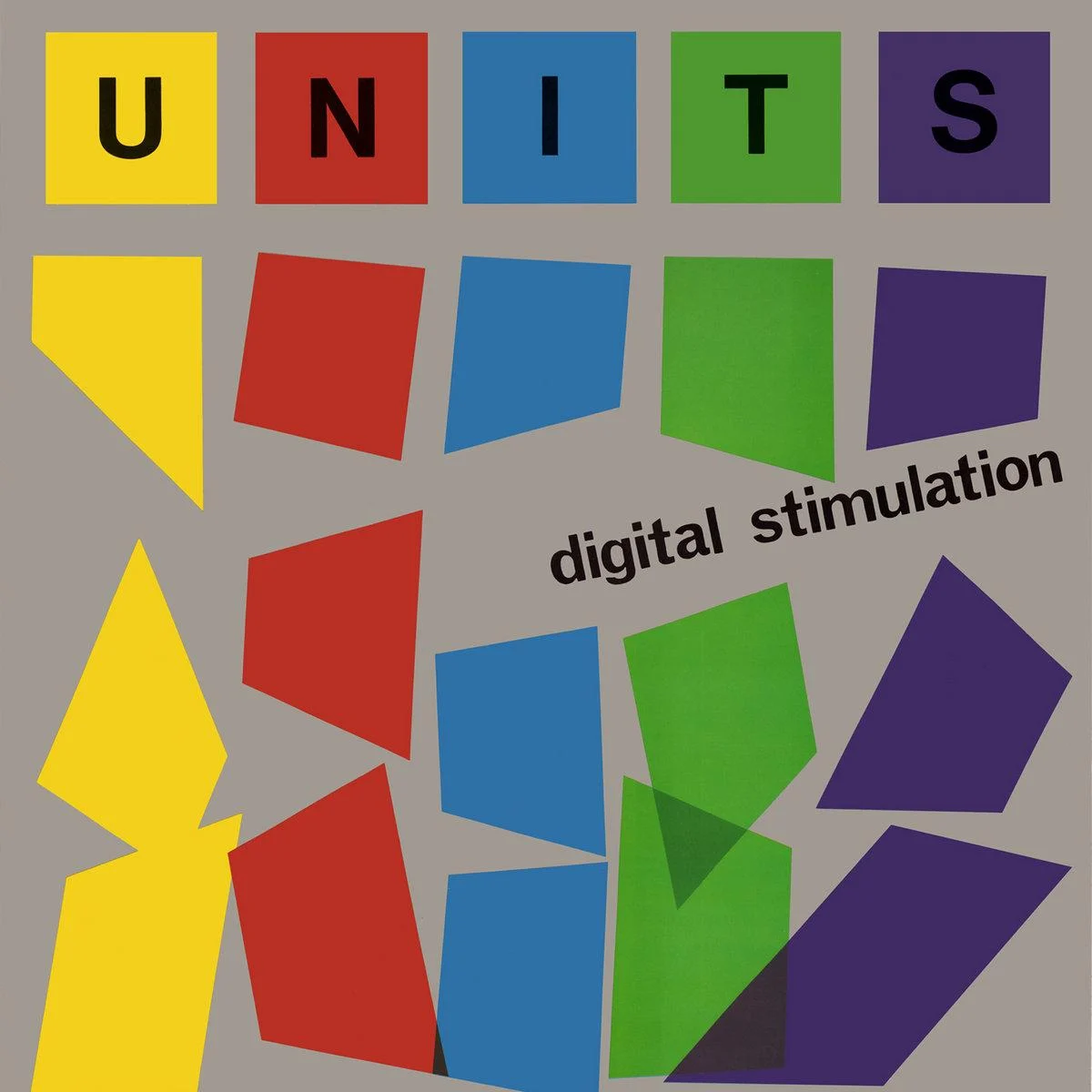
Introduction: The Digital Archaeology of Underground Music
In the modern landscape of algorithmic curation—where streaming platforms serve up eerily accurate daily mixes and hyper-specific subgenres are manufactured overnight—true musical discovery often requires a bit of digital archaeology. For one music enthusiast, that journey began not in a dusty record bin, but in the footnotes of the No Dogs in Space music history podcast. During a meticulously researched miniseries on the legendary, proto-punk outfit The Screamers, the hosts pointed listeners toward a modest, easily overlooked repository of underground music history: synthpunk.org.
For anyone nursing an obsession with the friction where raw punk rock meets the cold, oscillating hum of synthesizers, a site dedicated entirely to synthpunk is the ultimate digital holy land. When the initial attempt to visit the site yielded a dead link, a detour through the Internet Archive’s Wayback Machine revealed a snapshot from July of that year. The site was bare-bones, functioning as a digital time capsule with links to just six pioneering bands, including The Screamers. But resting at the very top of the list was a name that had previously slipped through the cracks of mainstream music history: The Units.
Tracking down the band’s 1980 debut record, Digital Stimulation, opens a portal to a forgotten era of sonic rebellion. Far from being a mere historical footnote, the album hits the listener with the force of a revelation. It bridges the gap between late-1970s DIY disillusionment and the sleek, aggressive dance-punk that would not fully dominate the underground consciousness until decades later.
Main Facts: Deconstructing Digital Stimulation
Released in 1980, Digital Stimulation stands as a masterclass in aggressive, electronic-driven punk rock. At first glance, certain elements feel undeniably tethered to their epoch. The production, particularly the idiosyncratic, Devo-esque vocal delivery, wears its vintage badge with pride. Yet, when one steps back to examine the overarching sound palette and compositional arrangements, the music transcends its chronological origins, sounding remarkably modern, aggressive, and engineered specifically for the dancefloor.
Consider the album’s structural dynamics:
- The Opening Salvo: The record opens with "High Pressure," a track that strips away the vocal eccentricities to reveal a skeletal, driving rhythm. If released today, the instrumental framework could effortlessly pass for a contemporary cut by modern synth-punks MSPAINT.
- The Disco Stomp: The title track, "Digital Stimulation," harnesses a sped-up, robotic disco stomp. Its rhythmic urgency feels as though it was masterminded by DFA Records in the stylistic boom of 2003, rather than synthesized in a Bay Area basement at the dawn of the Reagan administration.
- The Modern Echoes: Later cuts on the album maintain a frantic, tightly coiled energy that wouldn’t feel out of place on a modern Single Frame record.
The genius of Digital Stimulation lies in its efficiency. Songs like "Cannibals" and "Bugboy" are models of lean songwriting. They offer bleak, darkly humorous critiques of an increasingly automated, uncaring world without ever collapsing under the weight of their own cynicism. They are unfussy, deeply infectious, and structurally bulletproof. Furthermore, like many of their Bay Area contemporaries, husband-and-wife songwriting duo Scott Ryser and Rachel Webber possessed an innate sense of melody. Tracks like "Warm Moving Bodies" function as underground dancefloor anthems waiting to be unlocked, proving that synthetic experimentation did not have to come at the expense of an irresistible hook.
Chronology: The Evolution of Synthpunk and The Units’ Place in Time
To truly understand the weight of The Units’ contribution, it is necessary to map out the historical timeline of punk’s electronic infiltration.
The Precursors: Art-Rock and New Wave
The Units were certainly not the first punk-adjacent act to experiment with synthesizers. Nor were they the first to swap out traditional six-string guitars for keyboards, treating technological advancement as a central thematic pillar of their lyricism.
- Talking Heads: The band offered a cleaner, intensely cerebral take on the punk ethos, integrating keyboards, non-Western percussion rhythms, and avant-garde tape loops into their compositions. However, their intellectualized art-punk always kept them at arm’s length from the sweaty, chaotic friction of the classic garage circuit.
- Devo: When Devo unleashed their debut single, "Mongoloid," in 1977, it possessed an abrasive, twitchy punk edge that would have fit comfortably on a mixtape alongside The Units. Yet, Devo relied heavily on traditional guitar and bass foundations, ultimately finding their commercial and cultural home within the burgeoning new wave and art-rock spheres.
The West Coast Crucible: Late 1970s to 1980
While East Coast acts leaned toward intellectual deconstruction, the West Coast punk scene was busy forging a distinct identity rooted in raw DIY ideology, blister-fast tempos, and stark realism. Operating in San Francisco during the late 1970s and 1980, The Units shared a creative ecosystem with titans of hardcore and punk such as:
- Dead Kennedys
- The Mutants
- The Avengers
The influence of this ferocious local scene is stamped all over The Units’ arrangements. They prioritized visceral, raw energy over technical perfection.
The Lost Sequel: 1981 and Beyond
Following the critical underground success of Digital Stimulation, the band entered the studio to record a sophomore full-length album in 1981 titled Animals They Dream About. Curiously, despite capturing a fascinating transitional phase for the group, the album was shelved and remained unreleased for thirty-five years until it finally saw the light of day in 2016.
Animals They Dream About serves as an extraordinary historical document of the under-represented synthpunk movement. However, it represents a notable pivot: the raw, bootstrapped hostility of their debut gives way to a far more polished production style, embracing poppier new wave arrangements that signaled the band’s evolution—and perhaps their growing distance from pure punk orthodoxy.
Supporting Data: The Sonic DNA of a Forgotten Movement
To evaluate the cultural footprint of The Units, one must examine the broader ecosystem of late-70s electronic experimentation. Synthpunk—or electro-punk, as it is occasionally termed—was a fleeting, volatile intersection where the anti-establishment ethos of punk collided with the democratization of affordable electronic instruments like the Korg MS-20, Minimoog, and early drum machines.
| Band / Act | Key Release Era | Primary Sonic Characteristics | Relation to The Units |
|---|---|---|---|
| The Units | 1978–1981 | Aggressive synth rhythms, danceable beats, deadpan satirical lyrics. | Pioneers of West Coast aggressive synthpunk; balanced DIY punk ethos with electronic machinery. |
| The Screamers | 1977–1981 | Synthesizers, theatrical vocals, total absence of guitars, high-energy stage presence. | Shared conceptual space regarding guitar-free performance; heavily documented on archival sites like synthpunk.org. |
| Devo | 1977–1980 | Quirky time signatures, satirical consumer critique, blend of synths and rock instrumentation. | Shared a deadpan, mechanical aesthetic, though Devo leaned further into art-rock and pop structures. |
| Talking Heads | 1977–1980 | Art-punk, polyrhythms, funk-infused basslines, minimalist keyboards. | Represented the intellectual, cerebral wing of punk’s keyboard evolution. |
The data shows that while many bands integrated synthesizers as a textural overlay, very few were willing to let synthesizers drive the rhythmic aggression entirely while maintaining a punk attitude. The Units achieved this by stripping away guitar solos and replacing them with serrated synthesizer leads, transforming the keyboard from a novelty instrument into a weapon of mass disruption.
Official Responses and Archival Revival
For decades, the legacy of The Units lived on primarily through word-of-mouth among obsessive record collectors, zine archivists, and specialized digital historians operating sites like synthpunk.org. Because major music history texts traditionally focused on guitar-centric punk or arena-bound new wave, synthpunk acts often occupied a blind spot in mainstream music journalism.
However, the digital age has sparked a widespread institutional and community-led rediscovery of these lost transmissions. Official reissues spearheaded by Scott Ryser—including the Digital Stimulation Special 40th Anniversary Remixed Edition released on Bandcamp—have brought the band’s catalog back into the public consciousness.
Musicologists and contemporary underground artists have increasingly pointed to groups like The Units as missing links in the evolutionary chain of electronic music. While traditional record labels were slow to recognize the commercial viability of electronic punk in the early 1980s, contemporary streaming platforms (such as Apple Music, YouTube Music, and Deezer) have finally integrated these pivotal releases into their libraries, ensuring that modern listeners can trace the direct lineage from 1980s San Francisco basements to today’s cutting-edge underground electronic scenes.
Implications: Why The Units Matter Today
The rediscovery of The Units is much more than a nostalgic exercise for vinyl hoarders; it carries profound implications for how we understand the trajectory of modern independent music.
1. Rewriting the History of Electronic Dance Music
Mainstream music narratives often treat electronic dance music as a direct linear descendant of Chicago house, Detroit techno, and European synth-pop (such as Kraftwerk or Gary Numan). The existence and vitality of The Units inject a crucial, gritty American counter-narrative into that history. They prove that danceable electronic music was being forged in the fires of the punk underground concurrently with—and entirely independent of—European club culture. Their integration of a "sped-up disco stomp" with anti-social punk lyrics foreshadowed the entire genres of dance-punk, electroclash, and modern digital hardcore.
2. The Triumph of the DIY Archive
The resurgence of interest in The Units highlights the vital importance of independent digital preservation. Without grassroots efforts like synthpunk.org and archival platforms like the Wayback Machine, pioneering bands that slipped through the cracks of commercial success would be vulnerable to permanent erasure. As streaming algorithms grow increasingly homogenous, deep-digging archival projects serve as essential cultural correctives, ensuring that the most abrasive, challenging, and forward-thinking experiments of the past continue to inspire future generations.
3. A Blueprint for Modern Hybridity
Today, genre boundaries are more porous than ever. Artists effortlessly fuse hyperpop with hardcore punk, and industrial techno with bedroom indie rock. The Units stand as early prophets of this borderless musical landscape. By demonstrating that synthesizers could deliver the same visceral adrenaline rush as a distorted Marshall stack—without sacrificing a shred of intellect or dancefloor utility—they laid down a blueprint that modern underground musicians continue to reinvent, sample, and honor.
For those willing to look past the algorithmic horizon and dive into the digital catacombs of music history, bands like The Units offer a thrilling reminder: the most exciting music of tomorrow is often hiding in the forgotten, buzzing frequencies of yesterday.
 Siti Muinah
  Asro
Asro  Suro Senen