
 By Jia Lissa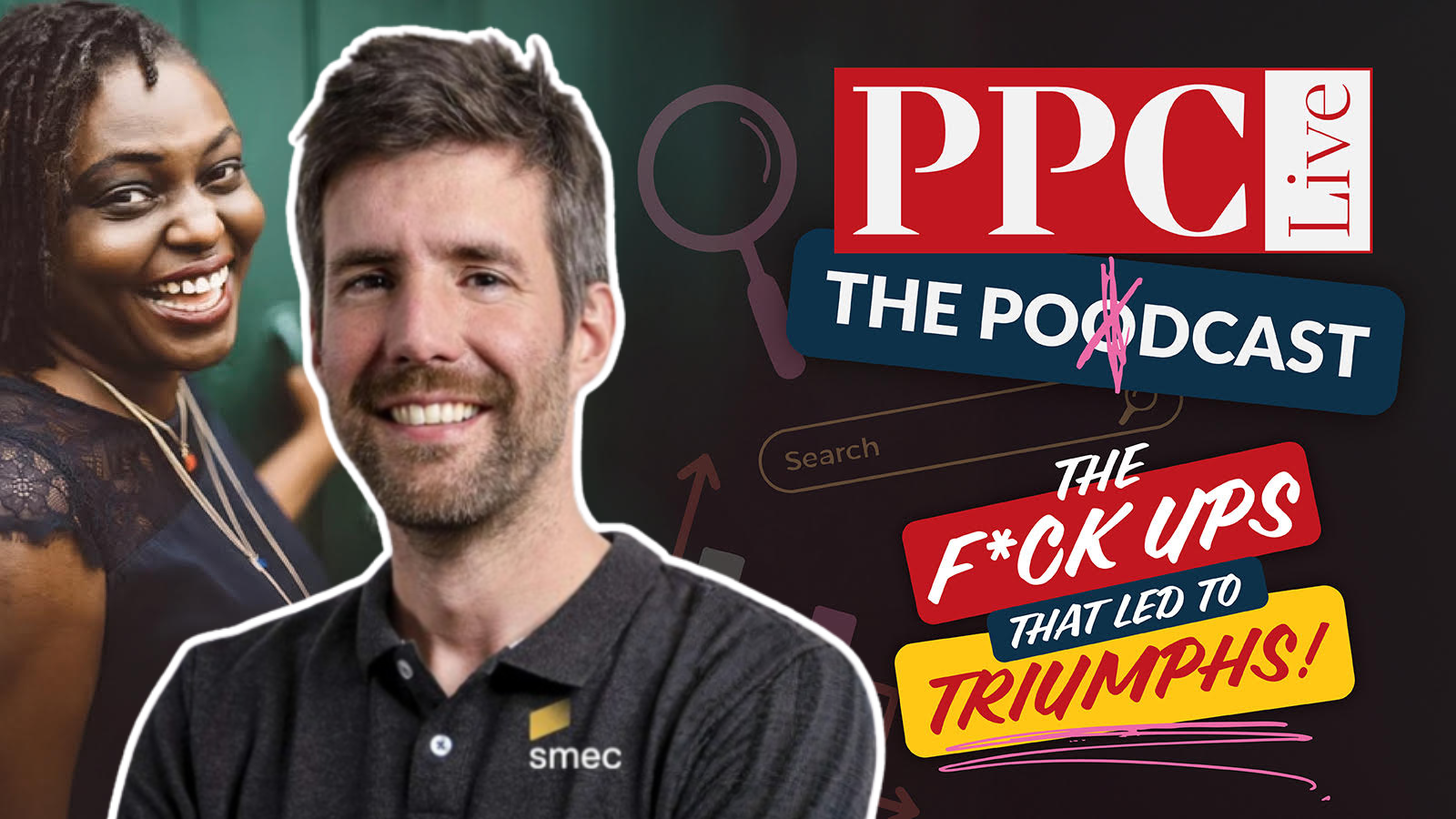
As Google Ads leans deeper into automated campaign tools, machine learning, and artificial intelligence, digital marketers face a seductive illusion: the idea that setting up a campaign and watching the metrics turn green equates to a winning strategy.
According to industry experts, however, confusing algorithmic optimization with actual business strategy is one of the most perilous traps facing modern advertisers.
The sentiment was front and center during a recent, wide-ranging discussion on the PPC Live podcast. Mike Ryan, Head of E-commerce Insights at Smarter Ecommerce (SMEC), sat down with Paid Media Editor Anu Adegbola to unpack the common pitfalls, viral misconceptions, algorithmic quirks, and overarching strategies advertisers must master to survive—and thrive—in Google’s rapidly evolving, automation-first ecosystem.
Main Facts: The Core Challenge of Google’s Automated Era
The fundamental tension in modern paid search is simple: Google’s AI is exceptionally good at finding conversions, but it is entirely blind to nuanced business context.
During the podcast, Ryan highlighted several critical realities defining the current paid search landscape:
- The AI Context Gap: Automated features like AI Max and Performance Max can dramatically scale traffic and conversions by casting a wide net. However, they lack the strategic foresight to know why an advertiser might intentionally avoid certain high-cost keywords or competitor auctions.
- The Perils of Over-Segmentation: Legacy account structures—such as hyper-granular margin buckets favored by corporate finance teams—frequently starve Google’s Smart Bidding algorithms of the vital data volume they need to learn and optimize effectively.
- The Danger of Viral Misinformation: In an era of instant social media commentary, early performance anomalies (such as premature conclusions about AI Max favoring the Search Partner Network) can quickly go viral, driving widespread—and often incorrect—industry panic.
- The Rise of Curiosity as a Core Skill: As tactical execution becomes heavily automated, the human marketer’s role shifts from button-pusher to detective. Skepticism, rigorous data verification, and cross-functional business alignment are now the hallmarks of elite PPC management.
Chronology: From the August 17 Update Panic to Modern Algorithmic Realities
To understand how quickly market sentiment can shift—and how easily advertisers can misread algorithmic updates—one only needs to look at the industry reaction following Google’s pivotal August 17 algorithmic changes.
The Timeline of an Overreaction
- Mid-August (The Update Drops): Google rolls out updates designed to expand Smart Bidding exploration and introduce new features like promotion modes.
- Late August (Immediate Industry Panic): Almost instantly, early research indicates that a wave of advertisers begin aggressively raising their Target ROAS (Return on Ad Spend) settings. Many make these defensive adjustments across campaigns that aren’t even budget-constrained—meaning the changes were entirely unnecessary.
- Early September (The Hasty Conclusions): Industry commentators and analysts rush to publish hot takes, predicting dire consequences or dramatic windfalls resulting from the August 17 adjustment.
- The Reality Check: Google’s official guidance consistently recommends waiting a minimum of one to two full conversion cycles to accurately measure the impact of major algorithmic changes. Consequently, much of the early commentary circulating online was drawn long before sufficient data had materialized.
Ryan argued that this knee-jerk panic actually created a hidden market opportunity. While fearful competitors collectively pulled back their budgets and tightened their purse strings by driving up ROAS targets, forward-thinking advertisers who maintained their positions—or selectively lowered ROAS targets—were able to capture valuable market share at a discount.
Supporting Data: Understanding Volume Thresholds and Match Types
Data is the lifeblood of machine learning, yet many advertisers inadvertently strangle their own campaigns through poorly designed account architectures.
The Data Starvation Problem
For decades, traditional PPC best practices encouraged micro-segmentation. Advertisers would split campaigns down to the granular level of individual match types, specific device types, or hyper-niche product categories.
However, under modern Smart Bidding paradigms, this approach backfires. According to Ryan’s research:
- The Minimum Threshold: Smart Bidding typically requires a baseline of at least 30 monthly conversions per campaign to function consistently.
- The Ideal Target: To truly unlock the predictive power of Google’s AI, campaigns should ideally be feeding the algorithm 60 or more conversions per month.
When accounts are sliced and diced to satisfy corporate structures—such as a Chief Financial Officer demanding rigid margin-based campaign buckets—individual campaign volumes plummet. Starved of conversion data, the algorithm struggles to hit its targets, resulting in volatile performance and wasted ad spend.
Guardrails and Visibility
Fortunately, Google provides levers to rein in runaway AI tools. Advertisers utilizing AI Max or Performance Max are not entirely at the mercy of the machine. Robust guardrails include:

- Negative Keywords: Filtering out irrelevant or brand-inappropriate search queries.
- Brand Inclusions and Exclusions: Defining clear boundaries around where brand terms can and cannot appear.
- Search Partner Network Settings: Opting out of partner networks if downstream conversion quality fails to meet expectations.
- Match Type and Match Source Reporting: Digging deep into placement and search term reports to identify precisely where traffic expansion is originating.
Official Responses and Strategic Adjustments: "Trust, But Verify"
The core philosophy championed by Ryan throughout the conversation can be summed up in a classic maxim: Trust, but verify.
Guarding Against the Competitor Trap
To illustrate the dangers of blindly trusting automated expansion, Ryan shared a case study involving a client utilizing AI Max. Eager to maximize reach, the AI aggressively targeted a massive, high-market-share competitor.
On paper, the campaign dashboard looked phenomenal: traffic skyrocketed, and conversion numbers climbed. However, there was a glaring problem. The brand’s executive team had deliberately avoided bidding on those specific competitor terms for years to prevent an expensive, margin-destroying bidding war. The AI had no way of knowing this critical business context. It optimized for short-term volume at the expense of long-term profit margin.
The Custom Label Solution
To bridge the gap between cold machine learning algorithms and warm business realities, advertisers must leverage tools that inject proprietary data into the account.
Custom labels are frequently overlooked in this regard. By feeding custom data points—such as real-time inventory margins, localized sell-through rates, and historical return rates—into product feeds and campaign strategies, advertisers can steer Google’s AI toward metrics that matter to the bottom line (true business profitability) rather than vanity metrics like raw conversion volume.
Performance Max Channel Controls: Proceed with Caution
Another area requiring careful verification involves emerging channel controls within Performance Max. Google has rolled out features allowing advertisers to adjust the "importance" or weighting of individual channels within a campaign.
However, Ryan issued a warning regarding these controls: increasing a channel’s designated importance may not yield the intuitive result marketers expect. Instead of simply sending more budget to that channel, it may inadvertently grant the algorithm greater tolerance or leniency regarding established Cost Per Acquisition (CPA) or ROAS targets, potentially producing erratic financial outcomes.
Implications for the Future of Paid Media
As the dust settles on automated campaign types, viral LinkedIn debates, and frequent algorithm updates, the implications for the digital marketing industry are profound.
1. The Death of Tactical Granularity
The era of manual optimization—tweaking bids by pennies, managing exact-match keyword variations, and over-segmenting structures—is rapidly fading. Campaign segmentation must now be strategic, not tactical. Every single split, sub-campaign, or asset group must possess a clear, purposeful justification for existing.
2. The Responsibility of Industry Influencers
Ryan candidly addressed the ethical weight carried by industry thought leaders and practitioners who share early observations online. Because everyday advertisers look to recognized experts for guidance on real-world campaign decisions, premature declarations (such as the false alarm regarding AI Max favoring Search Partners) can cause widespread unnecessary optimization pivots. Responsible reporting requires acknowledging when data is merely anecdotal rather than absolute.
3. Curiosity as the Ultimate Competitive Advantage
Ultimately, the evolution of Google Ads does not eliminate the need for human marketers; it elevates them. When machine learning handles the heavy lifting of keyword matching and bid adjustments, human curiosity becomes the most valuable currency in the room.
Advertisers who survive and thrive will be those who refuse to take dashboard metrics at face value, who continuously audit search terms and placement reports, and who act as strategic translators between corporate financial goals and Google’s relentless machine learning engines.
 Pevita Pearce
  Suro Senen
  rifanmuazin