
 By Suro Senen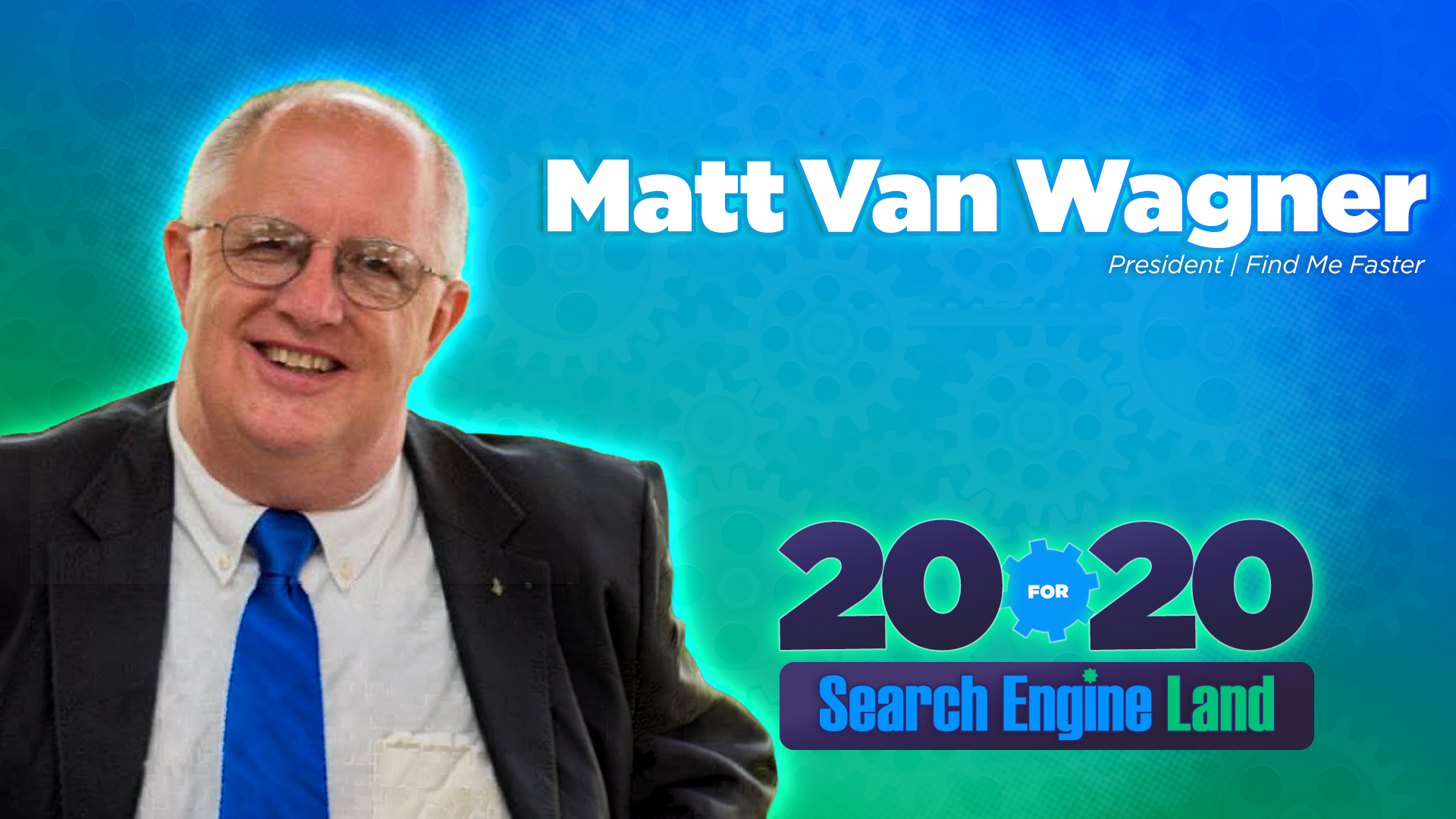
Main Facts
The search marketing industry has undergone a radical transformation, evolving from an entrepreneurial, gold-rush-era frontier into a hyper-automated, consolidated ecosystem dominated by a handful of tech giants and algorithmic frameworks. In a comprehensive retrospective reflecting on more than twenty years in the industry, paid search veteran Matt Van Wagner—founder of a pioneering search advertising agency—has mapped out this monumental shift.
The core takeaways from Van Wagner’s retrospective highlight several critical dynamics shaping modern digital marketing:
- The Illusion of Alignment: Google’s corporate objectives—chiefly driving ad spend and maximizing platform revenue—do not inherently align with an advertiser’s primary goal of achieving maximum profitability and measurable business outcomes.
- The Obsolescence of Granularity: Highly complex, manual PPC tactics from the early 2000s, such as single keyword ad groups (SKAGs) and intricate negative-keyword webs, have been largely rendered obsolete by machine learning and automation.
- The Cost of Default Settings: Platforms like Google Ads continue to rely on aggressive defaults, such as broad match keywords, which often force inexperienced and enterprise advertisers alike to spend valuable budget teaching automated systems lessons the platforms should already recognize.
- The Value of Independent Journalism: Outlets like Search Engine Land and specialized conference tracks like SMX Advanced played a foundational role in professionalizing the industry, offering an independent editorial voice that holds major platforms accountable.
Chronology of an Industry: From the Wild West to Automation
The Early 2000s: The Search Marketing "Gold Rush"
Matt Van Wagner entered the search marketing arena in the early 2000s, transitioning away from traditional technology sales and marketing channels—such as print trade publications, physical conferences, and direct mail—which were seeing dwindling returns. His entry into the space coincided with a period of explosive, entrepreneurial energy.
At the time, very few businesses understood what a search advertising agency was, let alone how to allocate budgets to Google Ads (then AdWords). Demand vastly outstripped supply, and early agencies operated in a largely collaborative environment where the market expanded so quickly that fierce competition felt unnecessary. Selling Google Ads required minimal persuasion; convincing companies to try paid search was often the easiest part of the job.
However, this era was also marked by dangerous misconceptions. A prevalent myth among early PPC practitioners was that securing the top spot required simply outbidding everyone else. Van Wagner recalls campaigns where brands recklessly paid exorbitant cost-per-click (CPC) rates purely for the prestige of owning the number-one position, a strategy that often proved to be an expensive mistake compared to optimizing for second-place economics.
The Rise of Publication and Professionalization
As the industry matured, early search conferences began to plateau, frequently recycling basic presentations and speakers. The launch of Search Engine Land and SMX Advanced fundamentally altered the landscape. By bypassing absolute basics and starting at an intermediate-to-advanced level, SMX Advanced attracted sophisticated practitioners. Crucially, the informal networking—conversations held in hotel bars, over coffee, and during dinners—became just as valuable as the formal conference sessions.
Simultaneously, independent industry journalism established a vital checks-and-balances system. Van Wagner noted that Google’s announcement of products like Google Instant—which predicted and displayed search results dynamically as users typed—demonstrated the tech giant’s unmatched ability to generate free, mainstream media publicity. This stood in stark contrast to competitors like Microsoft, which had to spend heavily on conventional advertising to promote Bing. Ultimately, Microsoft realized it could not easily reinvent fundamental user search behavior and made the strategic decision to make its advertising platform structurally familiar to Google marketers, drastically reducing friction for cross-platform campaigns.
The Algorithm Shocks: The Florida Update and SEO Risk
The early days also delivered sharp wake-up calls regarding organic search vulnerability. Google’s infamous "Florida" update in late 2003 changed SEO overnight. Hitting just before the critical holiday shopping season, the algorithm wipeout decimated rankings for businesses and agencies that relied on aggressive, legacy optimization techniques.
The event demonstrated how swiftly Google could rewrite the rules—and how much revenue could evaporate in an instant. For Van Wagner, the Florida update served as the definitive catalyst for specializing in paid search, cementing PPC as a reliable financial "insurance policy" against organic volatility.
The Shift to Automation and AI
Over the subsequent two decades, the granular control cherished by early practitioners gave way to machine learning and automation. Practices that once defined sophisticated PPC management—such as duplicated match types, elaborate negative-keyword structures, and hyper-segmented ad groups—became unnecessary or counterproductive.
While automation has streamlined campaign management, it has also restricted manual oversight, shifting the burden of training algorithms onto advertisers’ budgets.
Supporting Data and Industry Insights
- The Economics of Error: Van Wagner highlighted human error as an inevitable component of managing complex ad accounts, recalling an incident where he accidentally applied "loan" as a broad-match negative keyword during an expensive financial campaign, burning through roughly $7,000 in four hours. His primary takeaway: practitioners must own up to mistakes quickly rather than deflecting blame or concocting elaborate excuses.
- The Broad Match Friction: Platform defaults, particularly Google’s insistence on pushing broad match, remain a major pain point. Advertisers frequently find themselves forced to spend real capital teaching automated systems basic operational parameters that the technology should already comprehend based on established business data.
- Conference Democratization: To combat the insular nature of mature conference circuits, evaluation processes for events like SMX Advanced were intentionally blinded—removing names, genders, and company affiliations from initial proposal reviews to judge ideas purely on merit.
Official Responses and Platform Relations
The relationship between major ad platforms and the digital marketing community has historically oscillated between friction and collaboration. In the early days, Google felt remarkably open. Events like the "Google Dance" allowed marketers to interact face-to-face with the engineers and product managers building the ecosystem. Figures like Matt Cutts served as a critical human bridge between the tech giant and the SEO community, aided by the reality that Google itself was still figuring out the parameters of search.
In the modern era of automated, closed-loop ecosystems, maintaining open channels of communication has become more complex. Van Wagner specifically praised current Google Ads Liaison Ginny Marvin for her positive influence on platform-advertiser relations. Having worked extensively on the brand and agency side before joining Google, Marvin possesses a deep, empathetic understanding of marketer frustrations, effectively advocating for the advertiser community while representing Google’s corporate interests.
Despite these communication channels, industry veterans emphasize that liaison efforts cannot completely erase the fundamental structural divergence between platform incentives and corporate profitability.
Implications for Modern Advertisers
The overarching implication of Van Wagner’s retrospective is clear: advertisers can no longer afford to operate on autopilot or blindly trust platform-automated recommendations.
As machine learning algorithms assume control over bidding, targeting, and creative generation, the role of the PPC professional has shifted from mechanical tactical execution to strategic oversight. Key implications include:
- Independent Evaluation of Platform Advice: Recommendations generated within the Google Ads interface or pushed by automated account reps must be filtered through the lens of business profitability rather than absolute platform compliance. Google’s primary incentive is to increase ad consumption; the advertiser’s incentive is return on ad spend (ROAS).
- Integrating Human Expertise with AI: While advertisers will likely never regain the granular controls they relinquished over the past decade, AI systems must be designed to ingest existing advertiser knowledge more efficiently. Forcing systems to relearn obvious contextual constraints through wasted ad spend is an inefficient paradigm that platforms must address.
- The Irreplaceable Value of Independent Media: As search platforms become increasingly consolidated, automated, and opaque, independent trade journalism remains essential. Without external, objective reporting that questions the motives and mechanics of companies like Google and Microsoft, marketers are left with only platform-generated messaging—leaving the industry vulnerable to unchecked commercial bias.
Ultimately, while the tactics of search marketing have shifted radically from the entrepreneurial gold rush of the early 2000s, the foundational rule remains unchanged: success belongs to those who critically analyze the mechanics behind the interface rather than taking platform promises at face value.
 rifanmuazin
  Sagoh
Sagoh  Basiran