
 By Asro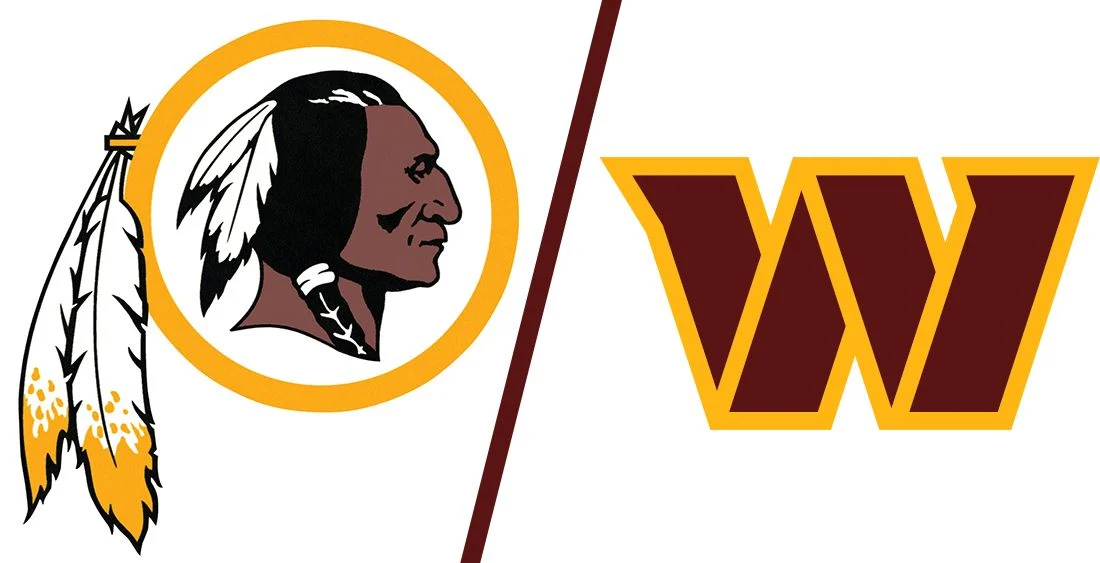
Six years after the Washington Commanders officially retired their former name and branding—a moniker widely condemned as a racial slur—the franchise finds itself embroiled in a bizarre legal paradox. A recent limited-edition merchandise drop featuring the “Redskins” logo has reignited a fierce national debate, pitting the club’s stated desire to move past its controversial history against the rigid, often counterintuitive mechanics of United States trademark law.
While the team insists the decision to revive the branding was a purely defensive legal maneuver to protect its intellectual property, critics argue that the move is an unacceptable retreat from social progress. This incident has transcended the realm of sports marketing, prompting legal scholars to call for a fundamental overhaul of how trademark abandonment is handled in cases involving symbols of systemic harm.
A Legacy of Controversy: The Chronology of a Name
To understand the current tension, one must examine the long, contentious history of the Washington franchise’s branding. For decades, the name “Redskins” faced mounting pressure from advocacy groups, including the Association on American Indian Affairs and various tribal leaders, who argued that the term was a dehumanizing slur that reinforced harmful stereotypes of Indigenous peoples.
- 2013–2019: The push for a name change intensified, with legal challenges mounting against the team’s trademark registrations. Despite years of protest, ownership maintained a steadfast refusal to rebrand.
- 2020: Following the social justice movements triggered by the murder of George Floyd and renewed pressure from corporate sponsors, the team officially retired the “Redskins” name and logo. The franchise transitioned to the neutral “Washington Football Team” placeholder.
- 2022: The organization rebranded as the “Washington Commanders,” accompanied by a new visual identity.
- 2026: In a move that caught the sports world off guard, the Commanders released a “retro” collection featuring the defunct branding. The collection sold out in under 48 hours, signaling a continued, albeit divisive, appetite for the old imagery among a segment of the fan base.
The “Use It or Lose It” Doctrine
The central defense offered by the Commanders is rooted in the concept of trademark abandonment. Under U.S. law, a trademark must be used in commerce to maintain its validity. If a company stops using a mark for a significant period—usually three consecutive years—it risks the legal presumption of “abandonment.”
Once a trademark is deemed abandoned, it enters the public domain, or worse, becomes available for third parties to register. The Commanders argue that if they do not periodically market goods bearing the old logo, they lose the ability to control it. The team’s official stance, as shared in recent statements, is clear: “We are required to maintain the marks in commercial usage so that marks remain under franchise control.”
Is the Defense Legally Sound?
Legal experts suggest the team’s fear is not entirely unfounded, but the way they chose to exercise this control is being heavily scrutinized. Trademark law does not mandate that a brand must maximize sales to maintain its rights; it only requires “bona fide” commercial use.
Critics, however, point out that the team chose a high-visibility, aggressive marketing campaign rather than a subtle, defensive one. When compared to brands like Quaker Oats, which keeps the “Aunt Jemima” imagery—a character also criticized for racial stereotyping—on extremely limited packaging to secure its trademark rights without promoting it as a “retro” fashion statement, the Commanders’ strategy appears designed to generate fanfare rather than merely protect legal interests.
The Case for Legislative Reform
The frustration surrounding the Commanders’ situation has spurred a movement to reform the Lanham Act, the primary federal trademark statute in the United States. Writing in MS Now, legal scholars Chris Buccafusco and Jon J. Lee have proposed a legislative remedy that would decouple the requirement for commercial use from the risk of abandonment for marks retired due to social, political, or historical sensitivity.
The Proposal: A Registry of Retired Marks
Buccafusco and Lee argue that the current system forces companies to perpetuate the circulation of offensive imagery against their own corporate interests. They suggest that Congress should establish a specific registry for “retired trademarks” that possess significant historical or social weight.
Under this proposed legislation:
- Passive Protection: Companies could voluntarily register retired marks into this category.
- Market Removal: The United States Patent and Trademark Office (USPTO) would be empowered to block third parties from using these marks, ensuring they remain removed from the marketplace permanently.
- Severing Ties: This would allow organizations to definitively cut ties with their past without the looming threat of “trademark squatters” or secondary markets hijacking their former identity.
“With such a law, the United States Patent and Trademark Office would be empowered to stop others from selling merchandise bearing the trademarks, ensuring that the trademarks would be removed from the marketplace for good,” the authors argue. This framework would effectively solve the “abandonment” dilemma by creating a legal safe harbor for brands attempting to evolve.
The Ethical and Public Relations Fallout
The decision to release the 2026 merchandise collection has triggered a significant backlash. The Association on American Indian Affairs issued a sharp rebuke, questioning whether the move was a “trial balloon” to gauge public appetite for a full-scale return to the original branding. While the team has denied any intention of reviving the name, the optics of selling a shirt featuring an Art Monk-era logo have alienated many who believed the 2020 retirement was a permanent turning point.
Beyond the ethics, there is the issue of brand dilution. By reviving the old logo, the Commanders are inadvertently tethering their new, evolving identity to the baggage of the old one. From a branding perspective, this is a dangerous game. It confuses the visual narrative of the team and gives oxygen to fans who refuse to accept the current branding, effectively creating a “civil war” within the team’s own fan base.
Conclusion: A New Era for Trademark Law?
The Washington Commanders are not the first organization to struggle with the legacy of a retired brand, nor will they be the last. However, their situation serves as a perfect case study for the inadequacies of current trademark laws in a modern, socially conscious society.
The law currently treats the brand of a professional football team similarly to a trademark for a brand of soap or software. It does not account for the cultural weight that sports logos carry, nor does it provide a graceful exit strategy for entities that realize their past branding is incompatible with modern values.
As the debate continues, the Commanders remain in an uncomfortable limbo. Until the law catches up to the reality of the 21st century, teams that want to move forward may find themselves forever chained to the ghosts of their past. Whether this leads to a landmark change in federal law or simply continues to be a point of friction between the team and its community, one thing is certain: the conversation about the Washington Commanders’ logo is far from over.
In the meantime, the franchise continues to face scrutiny not just for its past, but for the choices it makes in the present. While the team navigates the complexities of its intellectual property, the public is left to wonder if the “folded W” logo of the current era will ever gain the cultural footing it needs to stand on its own—or if it will always be defined by what it replaced.
 Azzam Bilal Chamdy
  Lina Hope
  Layla Zulfa