
 By Neng Nana
Somewhere deep within your current email list, there is a customer who genuinely loves your product. They have made repeat purchases, they have left glowing reviews, and they are exactly the type of advocate who would enthusiastically recommend your brand to their inner circle. Their friends likely share the same demographics, pain points, and interests as your ideal buyer.
Yet, for most founders, this golden opportunity remains dormant. Many businesses treat their referral programs like a forgotten gym membership—something that technically exists, buried in a website footer, untouched since the beginning of the year.
The mathematics of a well-executed referral program are, frankly, staggering. When a trusted friend says, "You’d love this," the entire sales funnel is effectively bypassed. No high-budget ad platform can replicate the credibility of a personal recommendation, and no targeting algorithm can match the precision of a customer acting as a brand ambassador. If your referral program isn’t producing results, it is likely because you have built a page rather than a system.
The Architecture of Trust: Why Referrals Outperform Paid Media
To understand the power of referrals, consider your own consumer behavior. When a friend recommends a local restaurant, a new streaming series, or a specific brand of footwear, do you pause to read third-party reviews or conduct a price-comparison analysis? Almost certainly not. You trust the recommendation because the vetting process has already been completed by someone whose judgment you value.
This psychological shortcut is the bedrock of modern word-of-mouth marketing. Referred customers consistently exhibit higher conversion rates, lower customer acquisition costs (CAC), and superior lifetime value (LTV) compared to those acquired through paid search or social media advertising. Unlike cold traffic, referred leads arrive with a built-in trust buffer.
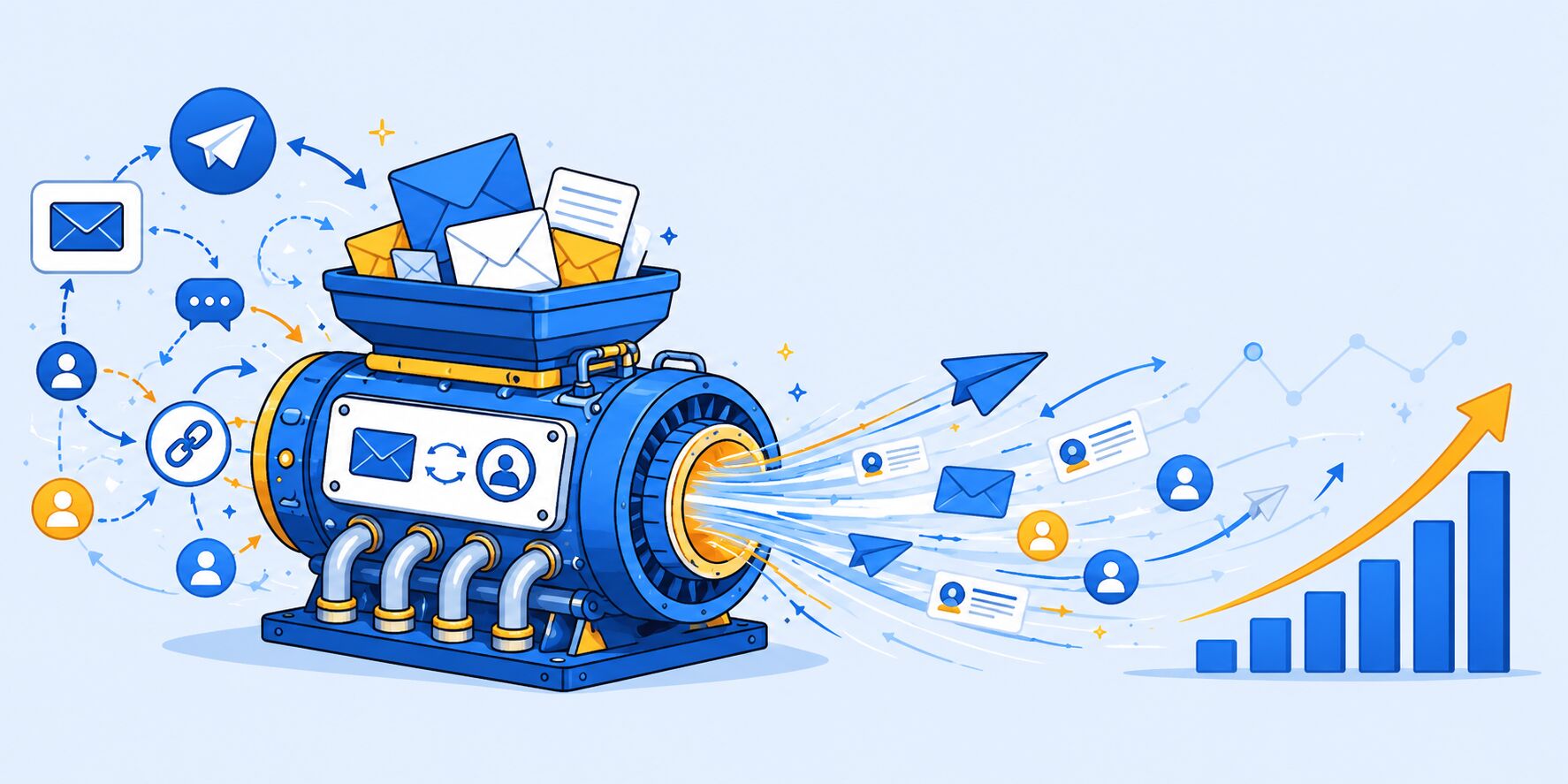
The most successful brands have moved away from treating referrals as a passive website feature. Instead, they view them as a dynamic email strategy defined by specific triggers, segments, and cadences. A referral engine is simply the formalization of organic word-of-mouth, backed by robust infrastructure.
Chronology of an Ask: Mastering the Moment of Delight
The most common failure point in referral marketing isn’t the copy, the design, or the reward—it is the timing. A generic "Refer a Friend" CTA buried in a random Tuesday newsletter is perceived as digital wallpaper; it lacks context and relevance.
To build a high-converting engine, you must map your communications to the customer’s "Moment of Delight." These are the windows of time when goodwill toward your brand is at its peak. Examples include:
- The Post-Purchase Glow: A few days after a second or third successful delivery.
- The Review Milestone: Immediately following a five-star review or a positive interaction with your support team.
- The Social Proof Trigger: When a customer replies to an email with a specific compliment or inquiry about future releases.
Manually monitoring thousands of customers for these moments is impossible, which is why automation is non-negotiable. By integrating your CRM with your referral software, you can trigger an invitation to share only when specific behavioral data points are met. A repeat purchase should automatically queue a referral request for three days later. A high review score should trigger a thank-you sequence that includes a frictionless sharing link.
The Economics of Incentives: Why "Double-Sided" is the Only Way
If you are running a one-sided referral program, you are likely wasting your time. If only the referrer gets a reward, the program feels like "monetizing friendships," which can feel transactional and grubby to the average consumer. If only the friend receives a discount, the referrer has no tangible motivation to expend the effort of sharing.
The solution is the "Double-Sided" incentive model. Phrases like "Give $10, Get $10" transform the interaction into a mutual favor. The referrer feels like a hero for providing their friend with a discount, and the friend feels welcomed into the brand ecosystem with a lower barrier to entry.
Crucially, these rewards do not need to be extravagant to be effective. Early access to new product drops, exclusive free shipping, or modest credit amounts are often enough to drive behavior. The goal is to lower the activation energy required to send that first text message.
Reducing Friction: Where Potential Referrals Go to Die
A referral program fails the moment it requires too much cognitive load from the user. If a customer has to navigate to a portal, copy a complex URL, and draft their own message, they will likely abandon the process.
To minimize friction, consider the following best practices:
- Unique Tracking Links: Every customer should have a pre-generated, trackable link that handles attribution automatically.
- Pre-Written Assets: Provide a short, human-sounding message that the customer can copy-paste or tweak.
- Mobile-First Integration: Share buttons should be accessible where the customer lives—WhatsApp, iMessage, and email.
If it takes more than fifteen seconds to refer a friend, you have lost the vast majority of your potential advocates. While your "superfans" might push through a clunky flow, they represent only a tiny fraction of your list. Your actual growth volume lies with the "quietly satisfied majority" who will happily participate only if the process is effortless.
Segmentation: Moving Beyond the "Blast" Mentality
Would you walk up to a stranger at a bus stop and ask them to endorse your company to their personal network? Of course not. Yet, that is essentially what a mass-marketed referral blast to an unsegmented list achieves.
Sending a referral request to a customer who hasn’t opened an email in eight months is not only ineffective—it is counterproductive. It trains your entire list to ignore your future communications. Instead, you must build a specific segment of "Advocates." This includes:
- Repeat Buyers: Those who have shown consistent interest in your catalog.
- Active Reviewers: Those who have already demonstrated a willingness to engage with your brand.
- High-Engagement Users: Those who regularly interact with your content or reply to your newsletters.
This group should be the primary focus of your referral infrastructure. Using tools like Omnisend, you can automate this segmentation, integrating it with loyalty platforms like Smile or Yotpo to manage points, tiers, and attribution. When the plumbing is automated, your only responsibility is to craft an ask that feels authentic and compelling.
Implications for Future Growth
The reality of your business is that word-of-mouth is already occurring. People are talking about your products, sharing links in private group chats, and recommending your services to their peers. The only variable you control is whether you have created the infrastructure to facilitate these mentions and reward the participants.
By shifting from a static, "set-it-and-forget-it" mindset to a proactive, automated referral engine, you stop relying solely on volatile paid advertising. You begin to leverage the trust capital you have already earned.
For those looking to build this infrastructure, platforms like Omnisend provide the necessary automation to handle segmentation and reward fulfillment. By utilizing the code FOUNDR50, readers can receive 50% off their first three months, allowing them to implement these strategies immediately. Furthermore, for businesses currently locked into legacy platforms, migration teams can transfer your existing lists, flows, and templates in as little as five days, often resulting in a significant reduction in monthly overhead and more efficient SMS/email delivery costs.
Ultimately, a referral engine is not a marketing hack; it is an infrastructure for generosity. It is a way to thank your best customers for doing exactly what they were already doing—only louder, faster, and more effectively. The data is clear: your customers are your best acquisition channel. It is time to start treating them like one.
 Dwi Wanna
  Muslim
  Azzam Bilal Chamdy