
 By Suro Senen
In the modern economic landscape, the convergence of global connectivity and digital commerce has redefined how enterprises interact with consumers. With global social media usage surpassing 5.66 billion people, digital platforms are no longer ancillary marketing channels; they serve as the foundational architecture for brand discovery, real-time customer service, market intelligence, and revenue generation. For contemporary enterprises, navigating this space demands more than casual posting—it requires a disciplined, data-driven framework.

Main Facts: The Core Pillars of Modern Digital Strategy
The efficacy of social media for modern business operations is anchored in three fundamental metrics: reach, relationships, and data. Used strategically, a cohesive social media presence simultaneously powers marketing, customer support, qualitative research, and top-of-funnel lead generation.

Driving Brand Awareness and Exposure
Visibility remains the primary driver of commercial success. Industry data underscores that 83% of marketers cite increased exposure as the chief advantage of social media marketing. By maintaining a consistent publishing cadence, organizations leverage algorithmic recommendations, hashtag discoverability, and user sharing to penetrate untapped demographics. Crucially, social networks have evolved into primary search engines; consumers routinely research brands on social channels before committing to a purchase.

- Case in Point: Parody publication Hot Teen cultivated a robust follower base on Instagram prior to releasing its premier print issue, adhering to the foundational rule of business strategy—ensuring market awareness precedes the product launch.
Direct Consumer Engagement and Relationship Building
Unlike traditional, unidirectional broadcasting methods such as email newsletters or static print ads, social media establishes a direct line of communication between enterprise and consumer. Platforms like Facebook, Instagram, LinkedIn, and X allow support and marketing teams to resolve inquiries, de-escalate concerns, and join cultural conversations in real time, fostering loyalty through rapid responsiveness.

Generating High-Intent Leads and Revenue
With U.S. advertisers projected to expend over $121 billion on social networks, the fiscal commitment to social selling and paid advertising is at an all-time high. Advanced targeting architectures allow organizations to filter audiences by hyper-specific parameters—including granular demographics, geographic locations, linguistic preferences, and behavioral histories—ensuring marketing capital targets high-probability buyers.

Chronology: The Evolution of Social Media Integration in Enterprise
Understanding how businesses have integrated social channels into their operational core reveals a steady shift from experimental branding to mission-critical infrastructure.
- Phase One: The Era of Digital Billboards (Late 2000s – Early 2010s): Initially, businesses treated social media channels as static broadcast tools—digital flyers used primarily to announce company news or push promotional discounts without expecting interactive dialogue.
- Phase Two: The Rise of Customer Care and Community (Mid 2010s): As consumer expectations shifted, public forums transformed into customer service helpdesks. Brands realized that ignored complaints or delayed responses could snowball into public relations liabilities, forcing the integration of dedicated community management teams.
- Phase Three: Algorithmic Discovery and Social Commerce (Late 2010s – 2023): Platforms evolved past simple follower-graph feeds into algorithmic discovery engines. Features like Instagram Shopping and TikTok Shop collapsed the distance between inspiration and checkout, turning social feeds into direct point-of-sale storefronts.
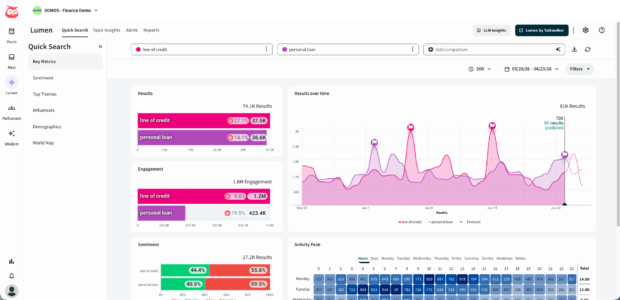
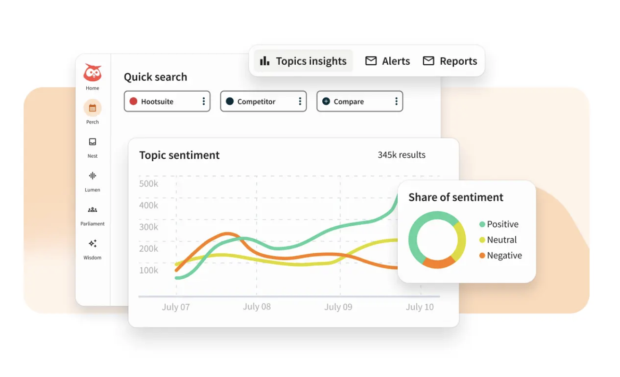
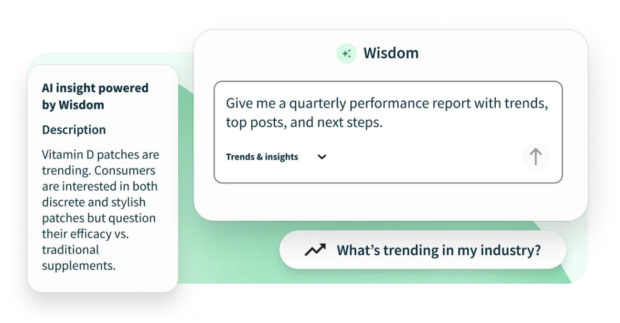
- Phase Four: AI-Driven Intelligence and Social OS Integration (2024 – Present): Today, social media management is defined by predictive analytics, social listening powered by AI agents (such as Hootsuite’s Wisdom and Lumen), and deep integration with enterprise resource planning tools. Social data now informs product development, executive decision-making, and automated governance.
Supporting Data: Platform Breakdown and Strategic Metrics
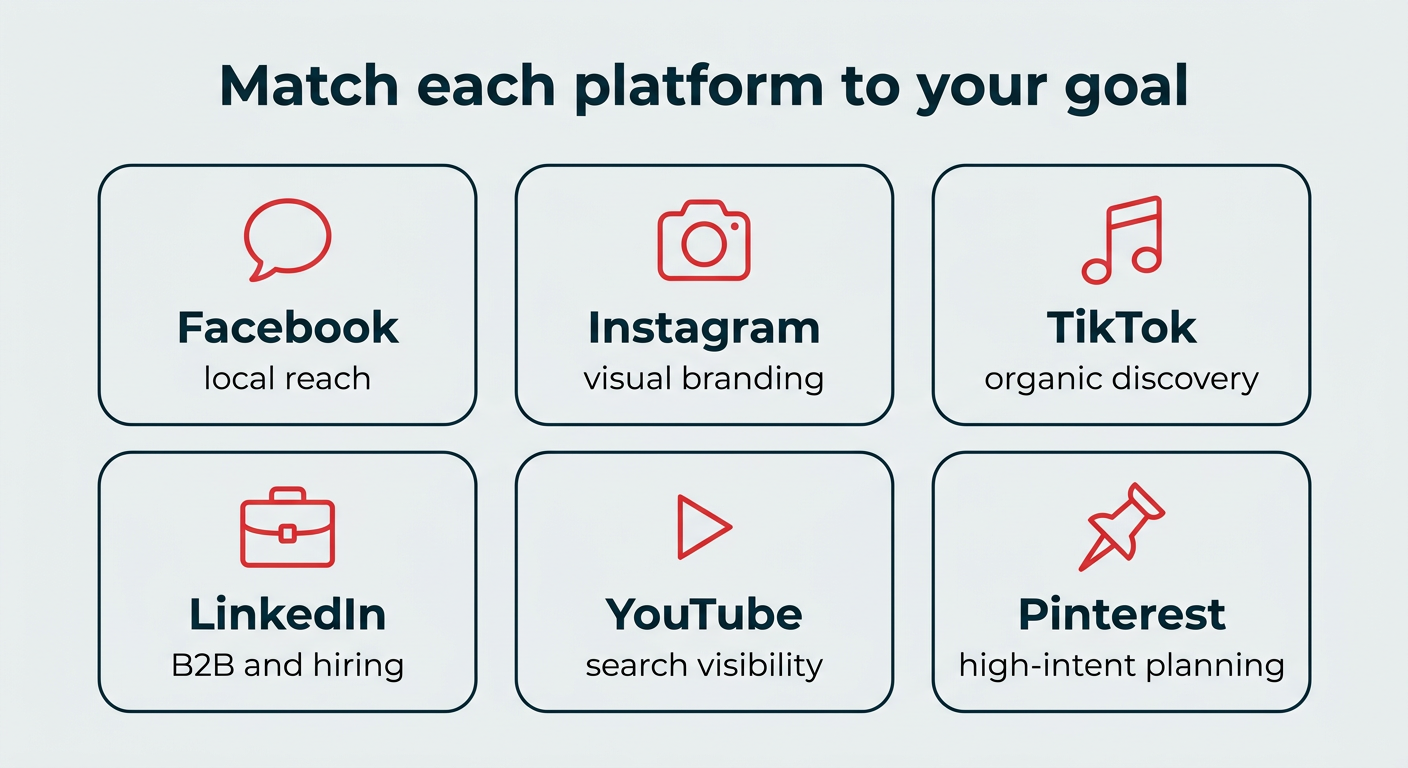
Selecting the appropriate platforms is critical to maximizing return on investment (ROI). Organizations consistently achieve higher yields by mastering two or three channels where their target demographic congregates than by spreading thin across six unmaintainable profiles.
The Social Media Platform Matrix
| Platform | Best For | Primary Audience | Top Content Format | Primary Business Use Case |
|---|---|---|---|---|
| Local reach and community | Broad, skews 25 to 54 | Video, links, Groups | Local marketing, events, customer service | |
| Visual brand building | Skews 18 to 34 | Reels, carousels, Stories | Product discovery and social commerce | |
| TikTok | Fast organic discovery | Skews 18 to 34 | Short-form video | Awareness, trends, creator partnerships |
| B2B and recruiting | Professionals, 25 to 54 | Text posts, documents, video | Lead generation, thought leadership, hiring | |
| YouTube | Long-term search visibility | Broad, all age groups | Long-form video and Shorts | Tutorials, product education, evergreen content |
| High-intent planning | Skews female, 25 to 44 | Pins and idea Pins | Ecommerce traffic, home, food, fashion, DIY |
Essential Metrics by Business Goal
- For Brand Awareness: Track reach, impressions, follower growth rate, and share of voice.
- For Engagement: Monitor engagement rate, comments, saves, and direct message interactions.
- For Conversion and Sales: Measure click-through rate (CTR), cost-per-click (CPC), conversion rate, and revenue attributed via UTM tracking parameters.
Official Responses and Industry Insights on Best Practices
Leading digital strategists and enterprise tools emphasize that successful social media management relies on structured planning, genuine community interaction, and rigorous governance.

1. Establishing a Five-Step Strategic Framework
Industry consensus dictates that an effective social media blueprint requires:
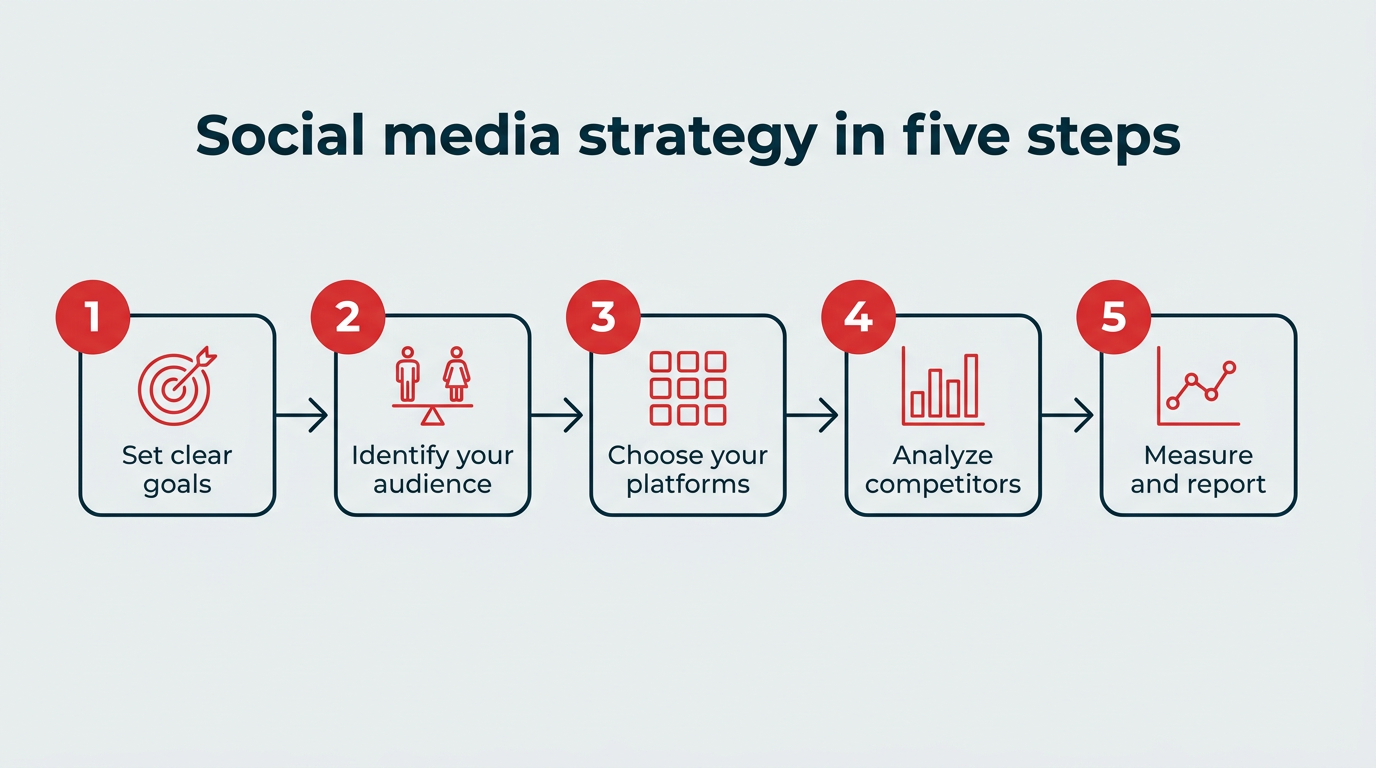
- Setting SMART Goals: Establishing specific, measurable, attainable, relevant, and time-bound objectives rather than chasing vanity metrics like raw follower counts.
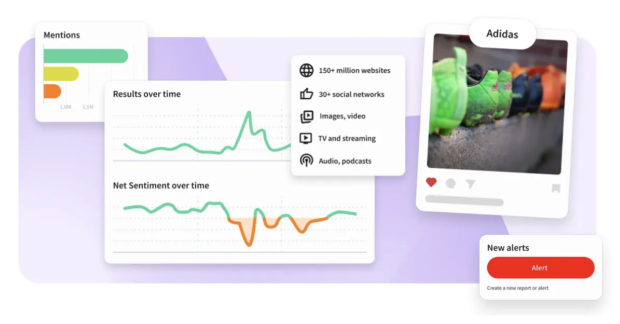
- Identifying Target Audiences: Utilizing advanced listening instruments (such as Lumen, which monitors over 150 million websites and 30+ social channels) to analyze demographic and psychographic data.
- Choosing Core Platforms: Aligning channel selection with audience behavior, resource availability, and organizational goals—such as Fenty Beauty leveraging TikTok’s massive beauty-consumer base.
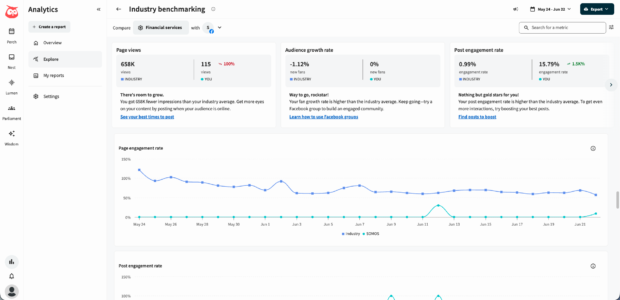
- Conducting Competitive Analysis: Utilizing industry benchmarking tools to dissect competitor strengths, content formats, and audience engagement patterns.
- Structuring Measurement and Reporting: Connecting platform analytics to website data via tools like Google Analytics and UTM parameters to prove bottom-line ROI to executive leadership.
2. Navigating Crisis Management and Reputation
Public channels expose brands to both praise and criticism. Rather than censoring negative feedback, forward-thinking enterprises use listening tools to isolate friction points early.
- Case in Point: When beauty brand Wonderskin faced a surge of negative commentary regarding product application issues, the team bypassed traditional corporate defenses. Instead, they published an educational TikTok video breaking down the most common mistakes and demonstrating correct usage, turning a potential PR crisis into an opportunity for transparent customer service.
3. Incorporating AI into Workflows
Artificial intelligence has transitioned from a novelty to a foundational operational layer. AI tools assist modern marketing teams by accelerating content drafting, analyzing millions of social data points in seconds, and automating initial customer service triage. However, industry experts maintain that AI serves to eliminate the manual friction between data collection and human execution, rather than replacing strategic vision.
Implications: Privacy, Governance, and the Future of Social Business
As social media operations scale within enterprise environments, the stakes surrounding data privacy, compliance, and internal governance increase exponentially.

Regulatory Compliance and Security
Managing customer data, adhering to regional privacy mandates (such as GDPR and CCPA), and controlling corporate credential access are vital risk-mitigation tasks. Unauthorized posts or mishandled consumer data carry severe legal, financial, and reputational repercussions.
To combat this, growing organizations implement centralized governance frameworks—such as the Vigil security layer within enterprise social architectures—to manage permissions, multi-tier publishing approvals, and secure account access.
Conclusion: The Roadmap Ahead
Ultimately, social media success is achieved through consistency, authenticity, and strategic adaptability. By deploying integrated social operating systems (such as Hootsuite’s suite of Perch for publishing, Nest for customer care, and Lumen for listening), businesses can synthesize disparate data streams into actionable intelligence. Enterprises that master this balance between automated efficiency and human authenticity will continue to turn digital conversations into lasting commercial equity.
 Jia Lissa
  Evan Lee Salim