
 By Nila Kartika Wati
If terms like "skibidi," "brainrot," or "6-7" sound like an entirely foreign language to your marketing team, you are experiencing a severe generational blindspot. As the cultural landscape shifts, a new demographic is taking over the internet, and they are not simply a younger version of Generation Z.
Generation Alpha—encompassing individuals born between 2010 and 2024—now represents the largest demographic cohort on the planet. Comprising roughly 24.4% of the global population, these digital natives are transitioning from toddlers and young children into influential teenagers and trendsetters. For brands, agencies, and social media managers, the imperative is clear: the playbook used to capture Gen Z will not work on Gen Alpha.

Main Facts: Who is Generation Alpha and Why Do They Matter?
Generation Alpha represents a historic shift in consumer behavior because they are the first generation to grow up entirely immersed in hyper-personalized, algorithm-driven digital ecosystems. While millennials and older Gen Z members remember a time before smartphones and machine-learning recommendation feeds, Gen Alpha has interacted with touchscreens, algorithmic YouTube recommendations, and immersive virtual environments since early childhood.
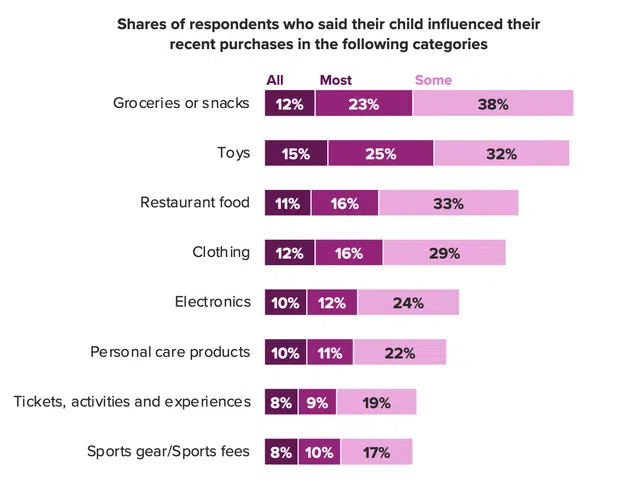
According to recent data from market research firms like Morning Consult and the Collage Group, Gen Alpha’s influence on household spending is immense. While the oldest members of this generation are turning 16 and the youngest are still toddlers, nearly three-quarters (73%) of parents report that their Gen Alpha children are the primary catalysts for introducing new products into the household. Furthermore, an overwhelming majority of parents note that their children wield significant influence over everyday purchases, ranging from snacks and groceries to toys and apparel.

Crucially, marketing to Gen Alpha involves a dual audience structure. Brands must simultaneously appeal to two distinct groups: the child or teen who desires the product, and the parent who controls the household wallet and dictates final approval.
Chronology of a Connected Generation: The Evolution of Digital Natives
To understand Gen Alpha’s unique market footprint, it is helpful to trace how they arrived at this juncture:
- 2010: The birth year of Generation Alpha begins, coinciding with the launch of the iPad and the rise of modern app-based ecosystems.
- 2015–2018: As early members of Gen Alpha enter early childhood, smart-home devices, interactive streaming, and advanced algorithmic feeds on platforms like YouTube become standard household fixtures.
- 2020–2022: The COVID-19 pandemic accelerates virtual socialization. Platforms like Roblox, Minecraft, and TikTok transform from casual entertainment channels into primary spaces for peer interaction, virtual economies, and digital identity formation among young kids and tweens.
- 2024: The final birth year of Generation Alpha, marking the closing of a 15-year demographic window that redefined global consumer culture.
- 2025–2026: Market researchers note a dramatic divergence in consumer habits between Gen Z and Gen Alpha, prompting major software suites (such as social media management platforms like Hootsuite) to roll out advanced, multi-platform planning and governance tools designed specifically for marketing compliance around minors.
Supporting Data: Gen Z vs. Gen Alpha Consumer Metrics
A deep dive into consumer insight reports from 2025 and 2026 reveals stark contrasts between how Gen Z and Gen Alpha interact with media and brands.
| Metric / Consumer Area | Generation Z (Born 1997–2009) | Generation Alpha (Born 2010–2024) |
|---|---|---|
| Algorithmic Expectation | Grew up as personalization algorithms evolved; accepts generalized feeds. | Expects hyper-personalized, instant content feeds across all platforms. |
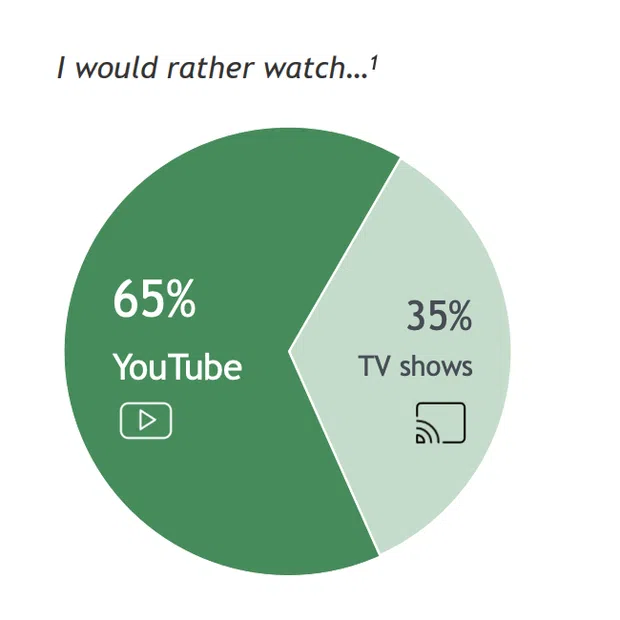
| Primary Media Preference | Fast, visual content; heavy reliance on traditional streaming and short-form video. | Highly interactive, gamified platforms; strong preference for YouTube and interactive gaming. |
| Brand Engagement | 44% actively engage with brand posts via comments, likes, and shares. | Only 28% directly engage with brand posts, making traditional metrics misleading. |
| Social Commerce Adoption | Comfortable with social commerce and digital storefronts. | Treats social shopping as default behavior; highly comfortable with in-app purchasing. |
| Trust in Website Reviews | More than 50% rely on traditional website customer reviews. | Only 31% say website reviews influence their purchasing decisions. |
As the data indicates, traditional engagement metrics—such as likes, comments, and shares—fail to accurately capture Gen Alpha’s true level of interest. While Gen Z is more likely to publicly interact with a brand’s post, Gen Alpha consumes content passively or participates within immersive gaming environments like Roblox, where 56% of users are under the age of 16.

Official Responses and Industry Perspectives
Marketers and digital strategists are scrambling to update their frameworks to match the behaviors of this emerging generation. Industry experts emphasize that brands must move beyond superficial attempts to capture youth culture.
Kayleigh Crandell, Social Lead and Project Manager at Xponent21, points out the dangers of lazy marketing tactics:
"Brands assume brainrot and loud colors are enough on their own, since that combination has worked on kids for decades. But it’s hardly unique to Gen Alpha. These kids have eyes on screens all the time, so breaking through the noise in a native way is both the challenge and the mark of excellence. Keep things fun, since entertainment is the baseline expectation, but remember to lean into authenticity and strangeness to emphasize your brand’s impact on culture."
Meanwhile, legal and compliance experts stress that marketing to minors requires strict adherence to regulatory guardrails. In the United States, the Children’s Online Privacy Protection Act (COPPA) imposes severe restrictions on data collection for children under 13. Platforms like Instagram and Facebook have implemented strict advertising policies for users under 18—such as limiting targeting options to age and location—forcing brands to rethink how they run paid social campaigns without relying on robust behavioral data.

Implications for Modern Marketers
The rise of Generation Alpha carries profound implications for brand strategy, compliance, content creation, and software utilization.
1. Differentiating by Age Bracket
Because Gen Alpha spans a 15-year window, treating a 7-year-old the same way as a 16-year-old is a recipe for failure. Marketers must segment their strategies carefully, tailoring messaging, visual styles, and channel choices to specific life stages—whether targeting younger children, tweens, or older teens.

2. Balancing Kids and Parents
Because minors do not hold primary purchasing power, successful campaigns must master a dual-messaging approach. Brands must create content that entertains the child while simultaneously reassuring the parent regarding safety, non-toxic ingredients, educational value, or financial practicality. For instance, skincare and beauty brands targeting younger demographics successfully pair playful, trend-driven TikTok videos with captions highlighting dermatological safety standards and clean ingredients.
3. Embracing Interactive and Native Content
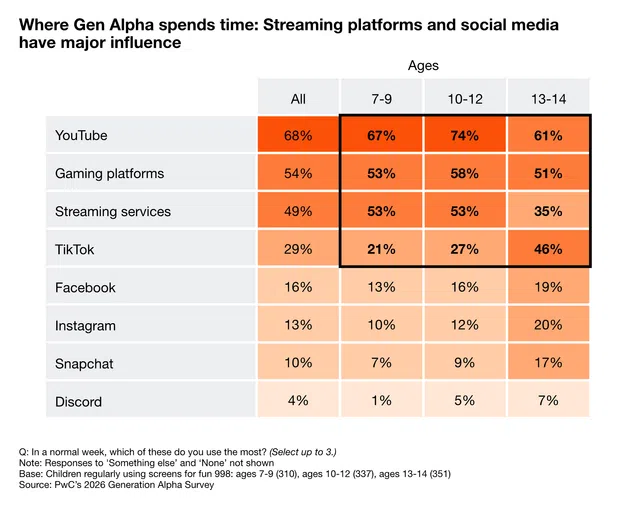
Gen Alpha expects media to be interactive. Passive viewing is increasingly taking a backseat to gamified experiences, challenges, and participatory content formats. Furthermore, because these consumers have grown up surrounded by ads, they possess an acute radar for insincere corporate messaging. Content must feel entirely native to the platform—whether that is YouTube, TikTok, or gaming metaverses—rather than looking like a traditional commercial.
4. Leveraging Integrated Social Management Tools
To navigate the complex realities of marketing to Gen Alpha across multiple channels while maintaining strict compliance, modern brands are increasingly turning to advanced toolkits. Platforms like Hootsuite—utilizing integrated workflow features such as Perch for multi-platform scheduling, Wisdom for AI-driven trend spotting, and Vigil for compliance governance—allow marketing teams to monitor fast-moving cultural shifts while ensuring campaigns remain safe, compliant, and deeply engaging.
Conclusion
Generation Alpha is rewriting the rules of consumer engagement. They are sophisticated, hyper-connected, selective with their attention, and deeply embedded in interactive digital environments. Brands that refuse to adapt—relying instead on outdated Gen Z playbooks or superficial tropes—risk losing the most influential generation of the modern era. By respecting regulatory guardrails, honoring the dual-audience dynamic of kids and parents, and executing authentic, native content strategies, forward-thinking brands can secure lasting loyalty in the age of Alpha.
 Suro Senen
  Jia Lissa