
 By Layla Zulfa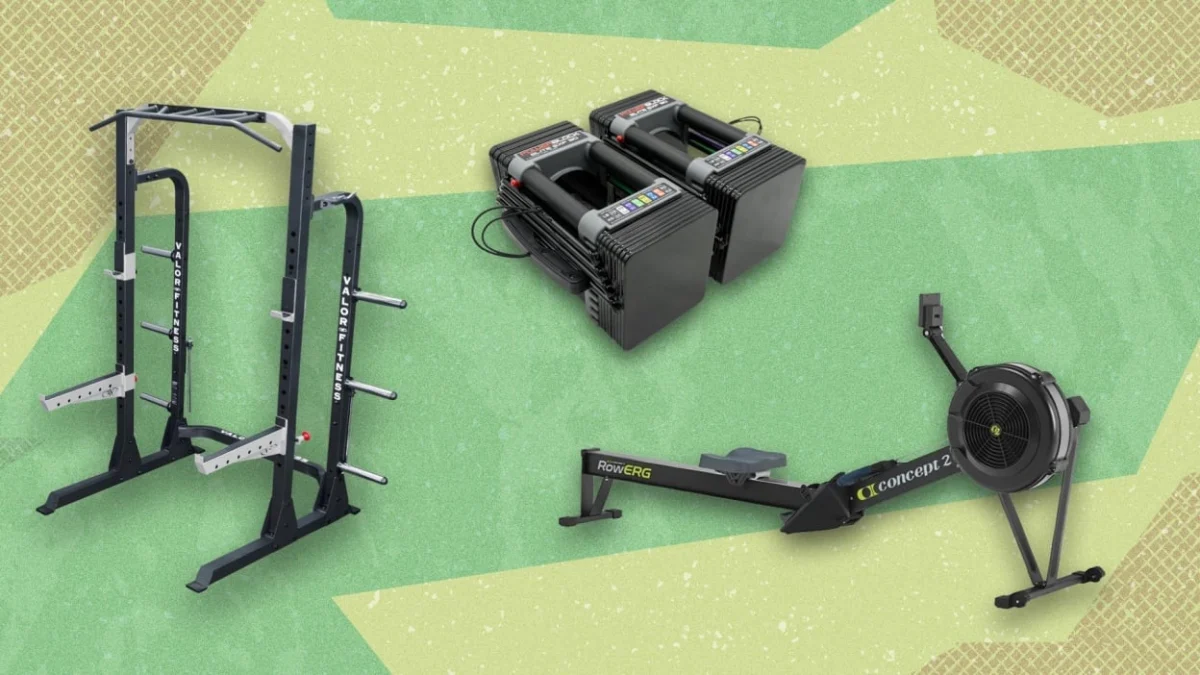
Published: September 17, 2026
Authors: Meredith Dietz (Senior Staff Writer) and Beth Skwarecki (Senior Health Editor)
Source: Lifehacker Fitness Tech & Health Desk
Main Facts: The Evolution of the Modern Home Gym
The home fitness revolution—accelerated by shifting lifestyle habits, remote work configurations, and advances in compact fitness technology—has permanently changed how fitness enthusiasts approach physical wellness. No longer viewed as a compromise for those unable to make it to a commercial facility, the home gym has evolved into a highly efficient, personalized training sanctuary.
Whether carving out a minimalist footprint in the corner of a studio apartment or outfitting a sprawling garage-based weightlifting paradise, building an effective home gym requires strategic planning. The core objective is maximizing versatility, durability, and safety while managing space and financial investments.
According to fitness experts Meredith Dietz and Beth Skwarecki, building a home gym is best approached in phases. Starting with budget-friendly, highly adaptable items allows beginners to build foundational strength without breaking the bank. From there, lifters can progressively scale up to heavy-duty, specialized gear as their strength, space, and dedication grow.

Chronology: How to Scale Your Home Gym Over Time
Building a comprehensive training space doesn’t happen overnight. To avoid clutter, wasted money, and safety hazards, fitness planners recommend a phased rollout of equipment. Here is the chronological roadmap for expanding a home training setup:
Phase 1: The Bare-Minimum Essentials (Space- and Budget-Friendly)
- Two Kettlebells (One Light, One Heavy): The ultimate starting point. A lighter bell (e.g., 25 pounds for beginners) facilitates strict presses and snatches, while a heavier bell (e.g., 50 pounds) challenges ballistic movements like swings and goblet squats.
- Doorway Pull-Up Bar: Upper-body pulling exercises are notoriously difficult to improvise without equipment. A simple, wedge-in doorway bar unlocks back and bicep training with zero floor-space footprint.
Phase 2: Expanding Strength and Conditioning (Intermediate)
- Adjustable Dumbbells: Moving beyond fixed weights, compact options like PowerBlocks offer dozens of weight increments in a single footprint, ideal for accessory work and isolation movements.
- A Solid Weight Bench: Transitioning from floor exercises to a bench opens up pressing, rowing, and seated variations. A flat bench suits barbell enthusiasts, while an adjustable incline bench is better for dumbbell-focused routines.
- Cardio Integration (Spin Bike or Rower): To balance strength training with cardiovascular health, adding an indoor bike or a full-body rowing machine ensures year-round conditioning regardless of outdoor weather.
Phase 3: Heavy Lifting and Advanced Infrastructure (The Pro Setup)
- Olympic Barbell and Weight Plates: Transitioning into serious powerlifting or weightlifting requires a standard 45-pound (20kg) Olympic bar coupled with cast-iron or rubber-coated bumper plates.
- Squat Rack or Cage: The ultimate milestone of a home gym owner. Whether choosing a folding wall-mounted rack, a half rack, or a full cage, this provides the structural safety required to safely squat and bench press heavy loads.
- Specialty Equipment (Sandbags, Plyo Boxes, and Specialty Bars): For advanced conditioning, additions like strongman sandbags, wooden plyometric boxes, and safety squat or trap bars prevent training plateaus and keep workouts engaging.
Supporting Data & Equipment Breakdown: What You Need and Why
When outfitting a workout space, understanding the nuances of individual gear categories prevents costly buyer’s remorse. Below is a detailed breakdown of the essential home gym components, categorized by their training utility.
1. Free Weights: Kettlebells and Dumbbells
- Cast Iron vs. Competition Kettlebells: Basic cast-iron kettlebells are cost-effective and rugged. However, competition-style kettlebells maintain a uniform size regardless of weight, making them superior for high-rep technical movements like snatches.
- Adjustable Systems: Adjustable kettlebells and dumbbells save immense amounts of space. While initial costs are higher, they eliminate the need for sprawling metal racks holding dozens of fixed-weight pairs.
2. Conditioning Machines: Bikes and Rowers
- Spin Bikes: Ranging from budget-friendly models (such as Sunny Health & Fitness bikes) to premium connected hardware like the Peloton, indoor cycling provides low-impact, high-intensity interval training (HIIT) or steady-state endurance work.
- Rowing Machines: The Concept 2 rower remains the gold standard for full-body conditioning, engaging the legs, core, and back simultaneously while offering precise data tracking.
3. Lifting Infrastructure: Bars, Plates, and Racks
- Bars: While "standard" 1-inch bars exist, investing in an Olympic-style 2-inch collar bar guarantees longevity. Specialty options—such as trap bars (for "easy-mode" deadlifts), safety squat bars (easier on the shoulders), and EZ-curl bars—target specific biomechanics to reduce joint strain.
- Plates: Iron plates are classic and virtually indestructible for general lifting. Bumper plates (made of dense black rubber) are mandatory for Olympic weightlifting (snatches, clean-and-jerks) and heavy deadlifts where dropping the weight safely is required. Avoid hexagonal metal plates, which make deadlifting mechanics awkward and uneven.
4. Versatile Accessories: Bands, Sandbags, and Boxes
- Resistance Bands: Long-loop bands assist with pull-ups, add accommodating resistance to barbells, or function as standalone travel gyms.
- Sandbags: Strongman-style fabric sandbags provide shifting, unstable loads that build functional core strength and grip endurance in ways rigid dumbbells cannot.
- Plyo Boxes: Wooden or foam 3-in-1 boxes allow for explosive plyometric box jumps, step-ups, elevated split squats, and dips.
Expert Recommendations & Official Fitness Insights
Industry professionals emphasize that the best home gym is not necessarily the most expensive one, but rather the one tailored to an individual’s specific goals and movement preferences.
- Prioritize Compound Movements First: Fitness editors note that space and budget should always be allocated to multi-joint movements first (squats, deadlifts, presses, pulls) before investing in single-exercise isolation machines.
- Safety is Non-Negotiable: When lifting heavy without a human spotter, structural safety features—such as safety arms on a squat rack or high-density rubber flooring to protect subfloors—are critical investments.
- Beware of Gimmicks: The fitness market is saturated with trendy gadgets that promise rapid results with minimal effort. Sticking to time-tested modalities (barbells, kettlebells, bodyweight calisthenics, and cardiovascular ergometers) yields superior, measurable long-term results.
Implications: The Long-Term Value of a Home Training Space
The shift toward home-based fitness carries profound implications for personal health, financial expenditure, and lifestyle design.
- Elimination of Friction: The most common barrier to regular exercise is the friction of travel—commuting to a commercial gym, waiting for equipment to open, and navigating crowded locker rooms. A home gym removes these barriers entirely, drastically increasing workout adherence.
- Long-Term Cost Efficiency: While outfitting a high-end garage gym requires a substantial upfront capital investment, it quickly pays for itself by eliminating recurring monthly commercial gym memberships over a period of several years.
- Customization and Autonomy: Home gym owners retain complete control over their environment, music, equipment selection, and scheduling. This autonomy fosters a more sustainable, enjoyable, and lifelong relationship with physical fitness and strength conditioning.
 Nana
Nana  Muslim