
 By Jia Lissa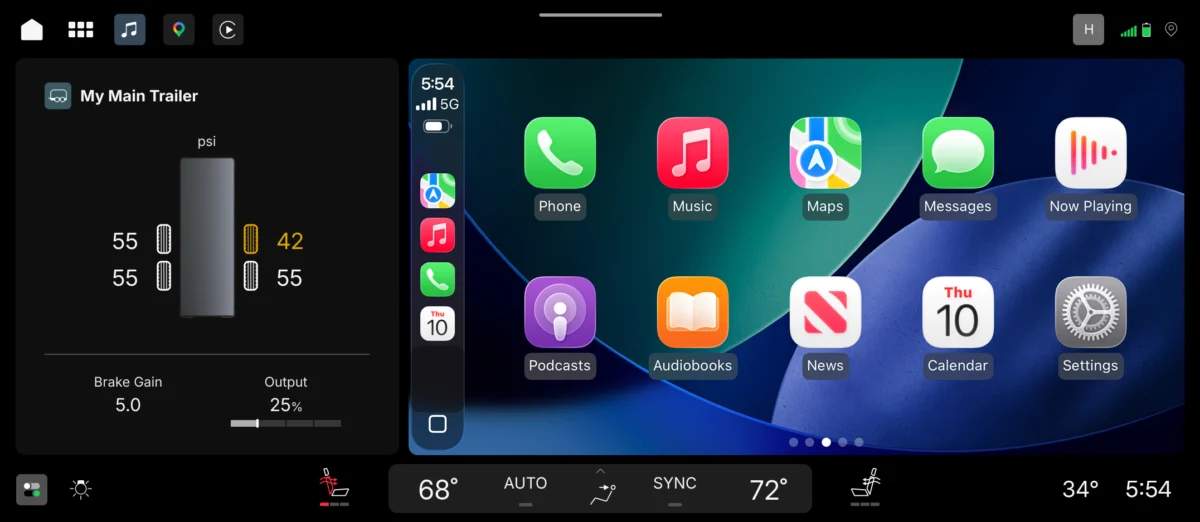
Main Facts: The Software Update That Sparked Confusion
General Motors (GM) recently unveiled a fresh software experience for its upcoming internal combustion engine (ICE) heavy-hitters, the Chevrolet Silverado and GMC Sierra trucks. Among the updates is a redesigned, modernized layout for Apple CarPlay and Android Auto—the ubiquitous smartphone-mirroring systems that the legacy automaker famously vowed to phase out of its electric vehicle (EV) lineup beginning in 2023.
This announcement immediately triggered widespread industry speculation, consumer debate, and media headlines declaring an outright reversal. Outlets like Yahoo Finance framed the move as an “about-face,” while Apple Insider ran headlines asserting that GM had “caved” on its decision to purge smartphone projection interfaces from its vehicles.
The reality, however, is far more nuanced. GM has not brought Apple CarPlay or Android Auto back to its electric vehicles—a ban that remains strictly enforced across its modern EV portfolio. Instead, GM is carving out a dual-track strategy: a smartphone-free, Google-embedded ecosystem for its EVs, and a newly updated, coexistence-focused approach for its highly lucrative gas-powered trucks and SUVs.
Chronology: How GM Got Into (and Out of) the Infotainment Corner
To understand the current state of GM’s dashboard software, it is necessary to retrace the timeline of decisions, statements, and consumer pushback that has defined the automaker’s strategy over the last several years.
2023: The EV Ban Begins
GM made waves in early 2023 when it announced that future electric vehicles would drop support for Apple CarPlay and Android Auto. The automaker’s rationale hinged on a deep strategic partnership with Google. By building its EV operating systems directly on top of Android Automotive—often referred to as Google Automotive Services (GAS)—GM sought to tightly integrate native applications like Google Maps and Google Assistant into the vehicle architecture.
Over the next three years, this policy took effect across the board. Every new EV launched by the company—including the Chevy Equinox, Blazer, Bolt, and Silverado EVs; the Cadillac Lyriq, Optiq, Vistiq, and Escalade IQ; and the GMC Sierra EV and Hummer EV trucks and SUVs—shipped without phone projection capabilities. Buyers were forced to rely entirely on the native Google-powered software.
October 2025: The Decoder Interview and Public Panic
The controversy flared up again in October 2025 during an appearance by GM CEO Mary Barra on The Verge’s Decoder podcast. Barra robustly defended the company’s anti-projection stance in EVs and went a step further, indicating that this philosophy would eventually expand to encompass GM’s massive gasoline-powered vehicle portfolio as well.
The reaction from consumers and auto enthusiasts was swift and fierce. While EV buyers had already begrudgingly accepted the missing feature, owners and prospective buyers of GM’s bread-and-butter gas-powered trucks and SUVs were incensed at the prospect of losing features they relied on daily.
Late 2025: The Softened Stance
Sensing a public relations and commercial disaster, GM quickly walked back the implications of Barra’s comments. Representatives clarified to multiple media outlets that Apple CarPlay and Android Auto would remain fully available in its gas-powered vehicles “for the foreseeable future.”
Present Day: The Silverado and Sierra Software Refresh
Last week’s software announcement for the Chevy Silverado and GMC Sierra represents the realization of that "foreseeable future." Not only are CarPlay and Android Auto retained in these gas-powered trucks, but they are also receiving sophisticated new picture-in-picture upgrades. Rather than ripping off the band-aid, GM appears to be finding a fragile peace with the software it once aimed to eradicate.
Supporting Data: The EV Landscape vs. the ICE Reality
The friction behind GM’s software strategy stems from a stark division in its product lineup.
- The EV Ecosystem (Zero Phone Projection): For three years, zero GM electric vehicles have offered Apple CarPlay or Android Auto. If a consumer purchases a Cadillac Lyriq or a Chevy Blazer EV, they are locked into an environment powered by Google built-in. While applications like Maps and Gemini run smoothly within this native structure, drivers looking for the familiar home-screen layouts of iOS or Android find themselves locked out.
- The ICE Powerhouse (Business as Usual): Conversely, GM’s massive fleet of internal combustion engine vehicles—spearheaded by the top-selling Chevrolet Silverado and GMC Sierra lines—has continued to feature uninterrupted smartphone projection. Tens of thousands of truck and SUV owners project their phone displays onto factory screens every day.
The Consumer Sentiment Crisis
Industry data consistently highlights that infotainment and software integration are among the leading drivers of vehicle quality complaints. Modern automotive studies—including recent insights from The Drive and other automotive publications—demonstrate that car buyers increasingly tie overall vehicle satisfaction to the reliability of their digital ecosystems.
While automakers like Tesla and Rivian have built successful brands around entirely proprietary, native software interfaces, even their well-received systems frequently struggle with core consumer expectations like profile logins, Bluetooth reliability, and messaging integration. For mainstream buyers, Apple CarPlay and Android Auto remain the gold standard of familiarity and convenience, despite their own well-documented connectivity quirks.
Official Responses: Inside GM’s Evolving Philosophy
To clear up confusion surrounding the recent Silverado and GMC Sierra software updates, industry reporting has shed light on how GM’s internal product teams view the coexistence of native systems and phone mirroring.
Colin McCormick, group product manager for Google built-in, projection, and profiles at GM, addressed the company’s strategic shift in a recent interview:
"And so the way that I look at this is that we were one of the early adopters of CarPlay and Android Auto when it first came out. And we do have a small segment of EVs right now that don’t offer that, but there is a large majority of our vehicles that do offer that. And our big position on this is that it shouldn’t be two competing systems. So as we work together with Apple and Google to provide solutions that we think are best for the customer, this is what we’re representing in this new UI design. So I think we’re landing in a spot where… we don’t have a customer that has to decide, ‘Oh, I’m going to use projection,’ or, ‘Oh, I want to use the native system.’ That’s our sweet spot for us. And that’s where we want to live."
McCormick’s comments reveal a subtle shift in rhetoric. While the EV strategy remains isolated, GM is no longer framing phone projection as an enemy to be exterminated in its legacy vehicles. Instead, the company is attempting to blend the experiences through updated user interface designs that minimize friction between native apps and mirrored phone apps.
Implications: Getting Out of a Self-Made Corner
General Motors’ current maneuvering carries several vital implications for the broader automotive and tech landscapes:
1. Consumer Choice Still Rules the Market
Car buyers hate having established features taken away without a clear, superior alternative. By floating the idea of removing CarPlay from gas-powered vehicles, GM inadvertently triggered a wave of customer alienation. The rapid pivot back to supporting phone projection in ICE trucks demonstrates that traditional automakers cannot easily dictate software habits to consumers who heavily favor smartphone integration.
2. The Nuance of the "Dual-Track" Future
GM is effectively running two separate technological philosophies in parallel. For its electric vehicles, it remains committed to the high-margin, data-rich ecosystem enabled by Google Automotive Services. For its internal combustion engine vehicles—which still account for the vast majority of its sales volume—it must accommodate consumer demand for Apple and Android interfaces to prevent buyers from defecting to competitors like Ford or Ram.
3. Redefining the Dashboard Interface
The introduction of picture-in-picture upgrades for CarPlay and Android Auto in the new Silverado and GMC Sierra indicates that automakers are looking for ways to make native systems and smartphone projection share the screen harmoniously. By refusing to force an "either/or" choice upon the driver, GM may have found a sustainable middle ground.
Ultimately, GM is finding ways to walk back from the tight corner it backed itself into. While the electric vehicle lineup will likely remain free of Apple CarPlay and Android Auto for the foreseeable future, gas-powered truck and SUV buyers can breathe a sigh of relief. GM has learned that when it comes to the modern dashboard, fighting consumer habits is a battle no automaker is guaranteed to win.
 Basiran
  Nana Wu