
 By Suro Senen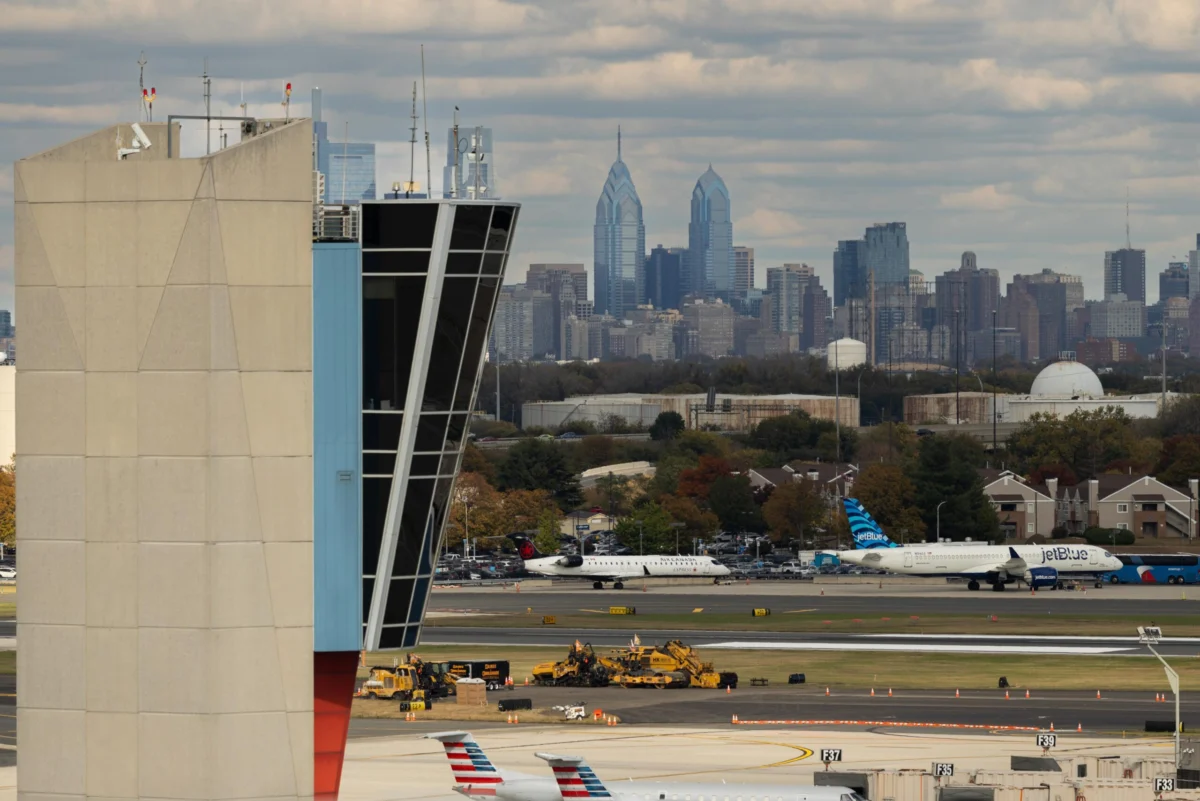
By Global News Desk
Published: September 22
Main Facts
A routine construction project in New Jersey inadvertently triggered a massive aviation crisis on Monday, throwing the United States’ most congested airspace into disarray. Hundreds of flights were canceled, and thousands more suffered severe delays after construction crews accidentally severed a critical Verizon fiber-optic cable relied upon by the Federal Aviation Administration (FAA) for air traffic control operations.
The catastrophic communications blackout severely impacted major transportation hubs across the Northeast corridor, forcing temporary ground stops at all three primary New York City-area airports—John F. Kennedy International (JFK), LaGuardia (LGA), and Newark Liberty International (EWR)—as well as regional facilities like Philadelphia International Airport. According to global flight tracking platform FlightAware, the disruption snowballed throughout the day, ultimately resulting in more than 1,000 flight cancellations nationwide and stranding tens of thousands of passengers.
While federal officials confirmed that the physical telecommunications link was repaired by Monday evening, the ripple effects of the outage continued to plague travelers long after the lines were spliced back together. The incident has once again highlighted the fragile intersection between aging physical infrastructure, modern digital dependencies, and the vulnerabilities hidden within the nation’s critical transportation grid.
Chronology of the Crisis
The unfolding of Monday’s aviation chaos began quietly in the morning hours, hidden from the view of the traveling public until safety systems triggered automated warnings.
- Early Morning (Exact Time Unspecified): Construction contractors operating on a designated project site in New Jersey accidentally excavate and sever a primary underground Verizon fiber-optic cable. The cable, unbeknownst to the workers at the immediate moment of impact, provides vital data transmission pathways utilized by air traffic control systems managing Northeast regional airspace.
- Morning Operations: Air traffic controllers begin experiencing intermittent data drops and circuit failures. FAA systems struggle to maintain real-time telemetry and communication streams with aircraft traversing the heavily congested Northeast corridor.
- Late Morning / Midday: FAA Administrator Bryan Bedford notes that a cascading circuit failure officially alerts officials to a major systemic issue, prompting immediate emergency protocols. Realizing the loss of critical radar and communication feeds, the FAA orders sweeping ground stops. Major hubs—including Newark, JFK, and LaGuardia—are ordered to halt departing flights to prevent safety hazards in midair.
- Afternoon: The scope of the crisis becomes clear. Major airlines scramble to adjust schedules as terminals fill with stranded passengers. Finger-pointing begins among local transit authorities, national rail operators, and telecom giants over who authorized and executed the disruptive excavation work.
- Late Afternoon / Evening: US Transportation Secretary Sean Duffy takes to social media and official briefings to provide updates, announcing that emergency repair crews have successfully mended the severed telecom lines.
- Monday Night: Airport operations officially resume across the Northeast, though Secretary Duffy cautions that clearing the massive backlog of delayed and canceled flights will take considerable time.
Supporting Data and Impact
The economic and logistical impact of the severed fiber cable demonstrated just how quickly a localized infrastructure accident can paralyze a national transportation network.
- Flight Cancellations: FlightAware data confirmed that over 1,000 flights were canceled nationwide by Monday evening, with the vast majority concentrated in the Northeast region.
- Affected Airports: The disruption directly hit the busiest aviation gateway in the United States. Ground stops were enforced at:
- John F. Kennedy International Airport (JFK)
- LaGuardia Airport (LGA)
- Newark Liberty International Airport (EWR)
- Philadelphia International Airport (PHL)
- Passenger Impact: Tens of thousands of business and leisure travelers faced missed connections, canceled meetings, and unexpected overnight stays. Terminals at major airports filled to capacity as passengers crowded customer service desks to rebook itineraries.
- System Redundancy Questions: Aviation experts noted that while air traffic control systems do possess redundancies, the simultaneous failure of primary and backup pathways—or the vulnerability of shared physical conduits—remains a persistent weakness in national infrastructure management.
Official Responses and the Blame Game
As flights remained grounded and public frustration mounted, federal officials, telecommunications corporations, and regional transit agencies engaged in a rapid cycle of statements, clarifications, and shifting blame.
Verizon’s Stance
In a definitive statement issued to CNBC, telecommunications giant Verizon forcefully distanced itself from the incident. The company stated that it bore “no responsibility for this incident,” squarely placing the blame on “construction contractors working in the area” who they claimed “dug up and cut our cable.”
The Federal Response
US Transportation Secretary Sean Duffy stepped in to manage public communications regarding the crisis. Initially, Secretary Duffy stated via social media that an Amtrak crew had accidentally severed the line during track or station-adjacent work. However, this assertion immediately drew pushback from rail operators.

The Rail Authorities Respond
Disputing the Department of Transportation’s early characterization, the Associated Press and other outlets reported that Amtrak quickly deflected responsibility, pointing the finger instead at a New Jersey Transit crew. An Amtrak spokesperson clarified in a statement to NBC4:
"This incident occurred on New Jersey Transit property and involved a New Jersey Transit contractor."
The conflicting accounts underscored the bureaucratic complexities of multi-agency infrastructure projects, where federal, state, and private entities frequently operate within tightly confined physical spaces containing dense bundles of underground utilities.
By Monday evening, however, Secretary Duffy pivoted the focus away from the ongoing attribution debate and toward operational recovery. Announcing that the emergency repairs were complete, Duffy noted:
"The telecom lines have been repaired, and all airport operations in the Northeast are resuming,"
He added a note of caution, warning the public that it would take “some time to clear all existing delays.”
Implications for National Infrastructure
The New Jersey fiber cut is far more than an isolated travel headache; it serves as a stark warning regarding the fragility of modern critical infrastructure.
- The Vulnerability of Digital Dependencies: Air traffic control is increasingly reliant on high-speed, high-bandwidth digital data streams to manage crowded skies. As traditional analog radar and voice communications give way to advanced digital architectures, the physical lines transmitting these data packets become single points of failure.
- The "Dig Once" and Utility Mapping Dilemma: Across the United States, underground utility locating systems (often accessed via services like "811") are designed to prevent accidental strikes during excavation. An incident of this magnitude raises critical questions about whether the Verizon cable was improperly mapped, improperly marked by locators, or whether the construction crew failed to follow mandatory safety protocols.
- Interagency Coordination: The immediate confusion over whether Amtrak, New Jersey Transit, or private contractors were responsible points to a broader governance challenge. Infrastructure projects in densely populated metropolitan areas involve a tangled web of stakeholders. Without streamlined accountability and rigorous communication protocols, minor construction missteps can instantly cascade into national emergencies.
As aviation authorities and federal investigators review the sequence of events that led to Monday’s meltdown, pressure is mounting on both lawmakers and private telecom providers to harden critical transportation communication links against physical disruption. Until robust, impenetrable redundancies are mandated and implemented, the nation’s skies remain vulnerable to the bite of a single stray backhoe.
 Jia Lissa
  Basiran
  Nana Wu